
In the modern landscape of personal finance, the shift toward a cashless society has been accelerated by the rise of peer-to-peer (P2P) payment platforms. Among the leaders in this digital revolution is Cash App, a versatile financial tool that allows users to send money, receive payments, invest in stocks, and even trade Bitcoin. While most users traditionally link their debit cards or bank accounts to the platform, the ability to use a credit card offers a different layer of financial flexibility. However, utilizing a credit card within a P2P ecosystem requires a nuanced understanding of fees, interest rates, and strategic financial planning to avoid common pitfalls.
Understanding the Mechanics of Linking Credit Cards to Cash App
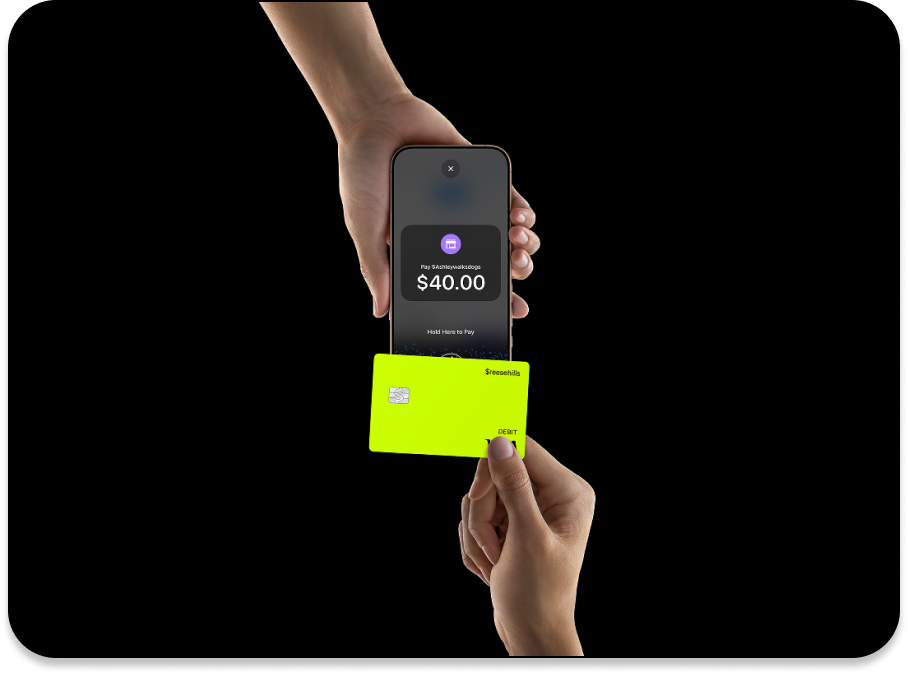
Integrating a credit card into your Cash App profile is a straightforward process, but it is predicated on a specific structural requirement: you must first have a debit card or a bank account linked to your account. Cash App utilizes the debit card as the primary anchor for the account’s liquidity, while the credit card acts as a secondary, elective funding source.
The Setup Process: Step-by-Step
To link a credit card, you begin by navigating to the “Banking” or “My Cash” tab, represented by the house or currency icon on the bottom left of the home screen. From there, you locate the “Linked Banks” section. If you have already linked a debit card, you will see the option to “Link Credit Card.”
Upon selecting this option, the app prompts you to enter your card details, including the card number, expiration date, and CVV. Once verified, the credit card becomes an available funding source whenever you initiate a payment. It is important to note that while most major credit card providers—including Visa, Mastercard, American Express, and Discover—are supported, some smaller issuers or specific types of cards, such as prepaid cards that do not support 3D Secure, may be declined.
Compatibility and Card Requirements
The integration is designed to be seamless, but users should be aware of the “Standard” vs. “Instant” dynamics of the platform. While you can send money from a credit card, you cannot “Cash Out” or deposit funds from your Cash App balance to a credit card. The credit card serves exclusively as an outbound vehicle for payments. For those looking to manage their personal balance sheets effectively, understanding this one-way flow of capital is essential for maintaining liquidity.
The Financial Implications: Fees, Interest, and Cash Advances
Using a credit card on Cash App is not a free service. Unlike debit card transactions, which are generally free of charge for standard P2P transfers, credit card transactions incur a specific cost structure that can significantly impact the total cost of a transaction.
Cash App’s Transaction Fees
Cash App charges a standard 3% fee on every transaction funded by a credit card. This fee is implemented to cover the processing costs that credit card networks charge the platform. For example, if you send $100 to a friend using your linked credit card, the total cost charged to your card will be $103. While 3% may seem negligible for small, one-off payments, it can become a substantial financial burden if used for recurring or large-scale transfers. From a personal finance perspective, this 3% fee immediately negates the value of most standard “cash back” or rewards programs, which typically offer between 1% and 2% in returns.
The “Cash Advance” Trap: What Banks Charge
Beyond the 3% fee charged by Cash App, there is a much more significant financial risk: how your credit card issuer categorizes the transaction. Many banks and credit card companies view P2P transfers as “cash advances” rather than standard purchases.
Categorizing a transfer as a cash advance triggers a cascade of expensive consequences:
-
Cash Advance Fees: Most banks charge a flat fee (often $10 or 5% of the transaction) for any cash advance.
-
Higher Interest Rates: Cash advances often carry a significantly higher APR (Annual Percentage Rate) than standard purchases—frequently exceeding 25%.
-
No Grace Period: Unlike standard purchases, which usually have a 21-to-25-day grace period before interest begins to accrue, interest on cash advances starts piling up the moment the transaction is processed.
Before using a credit card on Cash App, it is imperative to contact your card issuer to understand how they treat P2P transfers. Utilizing a credit card for these purposes without checking could lead to an unexpectedly high monthly statement.

Strategic Use Cases for Credit Cards on Cash App
Despite the costs, there are specific scenarios where using a credit card on Cash App makes strategic financial sense. Effective money management is often about balancing costs against necessity and opportunity.
Managing Cash Flow and Liquidity
For individuals facing a temporary liquidity crunch, a credit card on Cash App can serve as a bridge. If a critical bill or payment is due before your next paycheck arrives, and the recipient only accepts Cash App, the 3% fee may be a lower price to pay than a late fee on a utility bill or the potential damage to a credit score caused by a missed payment. In this context, the credit card acts as an emergency line of credit, providing immediate access to “digital cash” when the primary bank balance is low.
Meeting Minimum Spend Requirements
One of the more sophisticated uses of this feature involves “credit card churning” or maximizing signup bonuses. Many high-end rewards cards require the user to spend a certain amount (e.g., $3,000 to $5,000) within the first three months to unlock a massive points bonus. If a user is slightly short of that goal, using Cash App to pay for shared expenses—such as a portion of rent to a roommate or a shared vacation expense—can help bridge the gap to the minimum spend. Even with the 3% fee, the value of a 50,000-point bonus (often worth $500 or more) far outweighs the transaction costs.
Security Protocols and Best Practices for Mobile Payments
When you link a credit card to a mobile payment app, you are essentially creating a digital bridge to your line of credit. Protecting this bridge is paramount to maintaining your financial health and preventing unauthorized access to your funds.
Protecting Your Financial Data
Cash App employs several layers of security, including encryption and fraud detection. However, the onus of security also falls on the user. To safeguard your linked credit card, you should enable the “Security Lock” feature within the app. This requires your Touch ID, Face ID, or a PIN for every transaction, ensuring that even if your phone is unlocked and falls into the wrong hands, your funds remain secure. Furthermore, enabling notification alerts for every transaction allows you to monitor activity in real-time, providing an immediate opportunity to dispute any unauthorized charges.
Recognizing and Avoiding Common Scams
The convenience of P2P apps has unfortunately made them a target for bad actors. Common scams involve “accidental” deposits where a stranger sends you money and asks you to send it back. If you use a credit card to “return” funds to a scammer, and the original payment to you was made with a stolen card, you could be held liable for the full amount once the stolen transaction is reversed.
A professional rule of thumb for digital finance is to only use credit card transfers on Cash App with individuals or businesses you know and trust. Because credit card transactions on P2P platforms are often treated like cash, they can be more difficult to dispute than traditional retail purchases. While you have the right to file a chargeback through your bank, doing so can result in Cash App suspending your account or carrying a negative balance.

Alternatives and Comparisons: When to Use Credit vs. Debit
In the broader context of personal finance, the decision to use a credit card on Cash App should be compared against other available tools. When viewed through the lens of cost-benefit analysis, debit cards remain the superior choice for the vast majority of P2P interactions.
A debit card transaction is essentially a transfer of existing assets, incurring no interest and usually no fees. Using a credit card, conversely, is a transfer of debt. If your goal is to build wealth and minimize unnecessary expenses, the 3% transaction fee is an avoidable leak in your financial bucket.
However, when compared to other P2P platforms like Venmo or PayPal, Cash App’s 3% fee for credit cards is industry-standard. The choice between these apps often comes down to the user interface and the specific ecosystem your social or professional circle uses. Cash App’s unique advantage is its speed and its integration with other financial services like the “Cash Card” (a physical debit card) and its investing platform, which allows for a more holistic approach to money management within a single app.
Ultimately, using a credit card with Cash App is a powerful feature that offers a safety net and a tool for strategic financial maneuvers. By understanding the underlying fee structures and the potential for cash advance interest, users can leverage this technology to their advantage without falling into the traps of high-interest debt. As digital wallets continue to evolve, the ability to fluidly move between credit and debit will remain a cornerstone of modern financial agility.
aViewFromTheCave is a participant in the Amazon Services LLC Associates Program, an affiliate advertising program designed to provide a means for sites to earn advertising fees by advertising and linking to Amazon.com. Amazon, the Amazon logo, AmazonSupply, and the AmazonSupply logo are trademarks of Amazon.com, Inc. or its affiliates. As an Amazon Associate we earn affiliate commissions from qualifying purchases.