
In today’s fast-paced digital economy, managing and moving money efficiently is paramount for personal financial health. Cash App has emerged as a prominent player in the realm of peer-to-peer (P2P) payments and broader financial services, offering a streamlined approach to sending, receiving, and even investing money. Understanding how to effectively transfer funds into your Cash App account is a fundamental step toward leveraging its full potential as a modern financial tool. This guide delves into the various methods for funding your Cash App, offering insights into best practices, financial considerations, and security measures to ensure a seamless and secure experience.
Understanding Cash App: A Modern Financial Tool
Before diving into the mechanics of transferring money, it’s crucial to grasp what Cash App is and its significance in contemporary personal finance. Initially known for its simple P2P payment functionality, Cash App has evolved into a comprehensive platform offering banking services, investing options, and even cryptocurrency trading.
What is Cash App and Its Role in Personal Finance?
Cash App, developed by Block, Inc. (formerly Square, Inc.), is a mobile payment service that allows users to transfer money to one another using a smartphone app. It functions much like a digital wallet, holding funds that can be spent via a linked debit card (the Cash Card), sent to others, or withdrawn to an external bank account. Its simplicity and accessibility have made it a popular choice for splitting bills, sending gifts, paying for services, and even managing small business transactions.
From a personal finance perspective, Cash App acts as an agile intermediary for managing liquid assets. It bridges the gap between traditional banking and the immediate needs of digital transactions. For many, it serves as a primary tool for receiving income, managing discretionary spending, and engaging with emerging financial markets like Bitcoin and stocks, making it far more than just a payment app.
Why Use Cash App for Money Transfers?
The decision to use Cash App for money transfers often boils down to convenience, speed, and accessibility. Unlike traditional bank transfers that can take days to process, Cash App transfers between users are typically instantaneous. This immediacy is invaluable for urgent payments or when splitting costs with friends and family.
Furthermore, Cash App democratizes access to financial services. It requires minimal setup, often appealing to individuals who might be underserved by traditional banking institutions. Its user-friendly interface simplifies complex financial actions, from direct deposits to micro-investments, making financial management more approachable for a broader audience. For those looking to manage their money digitally with minimal friction, Cash App presents a compelling solution.
Primary Methods for Funding Your Cash App Account
Funding your Cash App account is straightforward, with several options catering to different needs. Each method offers distinct advantages, depending on whether you’re converting physical cash, transferring from a linked bank account, or receiving funds from another user.
Linking Your Bank Account: The Direct Deposit Pathway
The most common and arguably most efficient way to fund your Cash App is by linking an external bank account or debit card. This method forms the backbone of seamless transfers.
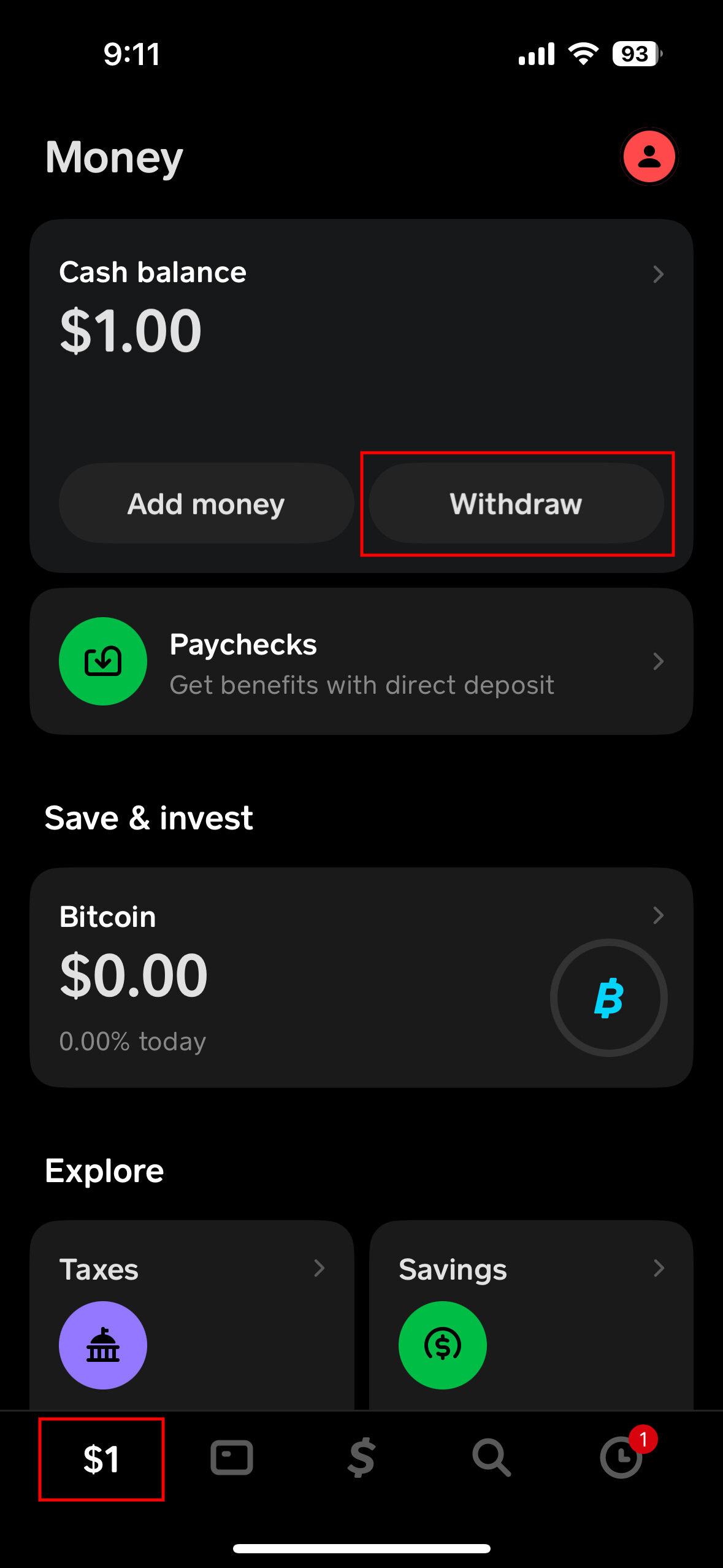
- Linking a Debit Card: You can link any valid Visa, MasterCard, American Express, or Discover debit card to your Cash App account. This allows you to instantly add money to your Cash App balance directly from your linked bank account (via the debit card). While instant deposits typically incur a small fee (usually 0.5% to 1.75%), standard deposits are free and usually clear within 1-3 business days. This flexibility allows users to choose between speed and cost efficiency based on their immediate financial needs.
- Linking a Bank Account Directly: For larger transfers or setting up direct deposits (like paychecks), linking your bank account directly via its routing and account numbers is advisable. This enables you to transfer funds to and from your Cash App balance without using a debit card. This method is often preferred for recurring income or significant financial movements due to its integration with the Automated Clearing House (ACH) network, ensuring secure and traceable transactions.
Depositing Cash: Converting Physical to Digital Funds
For those who primarily deal in physical currency, Cash App offers a convenient way to convert cash into digital funds, making it accessible within the app.
- Retailer Deposits: Cash App has partnered with various retailers, including Walmart, Walgreens, 7-Eleven, and others, to facilitate cash deposits. You can typically generate a barcode within the Cash App, present it to a cashier at a participating store, and hand over your cash. The funds are then digitally loaded onto your Cash App balance. This service often comes with a small fee charged by the retailer, and daily/weekly limits usually apply. This method is invaluable for individuals who receive cash income or prefer managing their finances without a traditional bank account.
Receiving Money from Other Cash App Users
One of Cash App’s core functionalities is enabling peer-to-peer transfers. This is a common way to receive money into your account, whether it’s a payment from a friend, family member, or client.
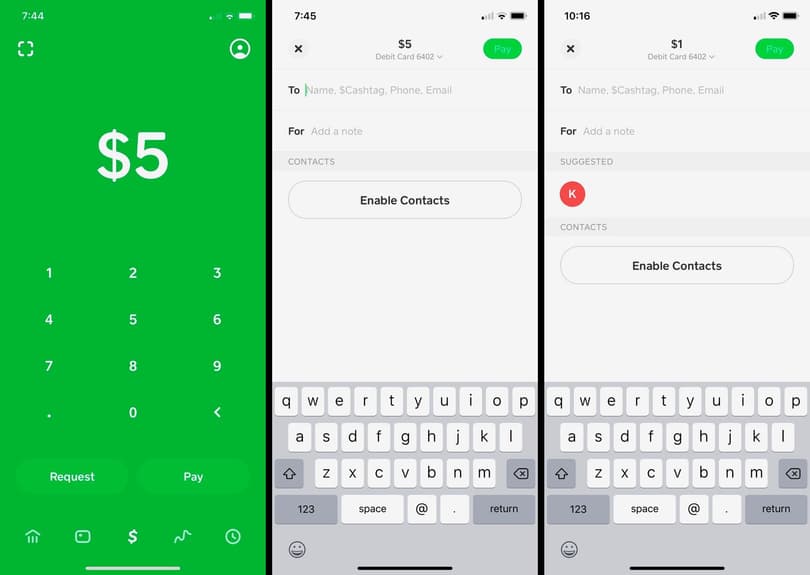
- Requesting Funds: You can easily request money from other Cash App users by navigating to the request tab, entering the amount, and selecting the user from your contacts or entering their $Cashtag, email, or phone number. Once the request is sent, the other party can approve it, and the funds are instantly transferred to your balance.
- Receiving Direct Payments: Similarly, others can send money directly to your $Cashtag. As long as your account is active and verified, these funds will appear in your balance immediately. This method underscores Cash App’s utility for quick, informal transactions.
Advanced Strategies for Managing Your Cash App Funds
Beyond basic transfers, Cash App offers several advanced features that can significantly enhance your personal financial management, from integrating income to exploring investment opportunities.
Utilizing Direct Deposit for Paychecks and Benefits
For many users, Cash App serves as a primary banking alternative, especially for receiving regular income. Setting up direct deposit transforms Cash App into a more central hub for your finances.
- How to Set Up Direct Deposit: Within the app, you can find your unique account and routing numbers associated with your Cash App account. These numbers can be provided to your employer, government agency (for benefits), or any other entity that offers direct deposit. Once set up, your paychecks or benefits will be deposited directly into your Cash App balance, often up to two days earlier than traditional banks. This feature is particularly beneficial for managing income streams and offers greater control over funds by centralizing them within a single, accessible app.

Bitcoin Integration: Navigating Cryptocurrency within Cash App
Cash App has been a pioneer in making cryptocurrency accessible to the mainstream, allowing users to buy, sell, and send Bitcoin directly within the app.
- Financial Implications: While not a “transfer to Cash App” in the traditional sense, buying Bitcoin on Cash App means using your Cash App balance to purchase the cryptocurrency. This opens up avenues for exposure to digital assets, allowing users to diversify a portion of their financial portfolio. It’s crucial for users to understand the volatility of cryptocurrencies and the inherent financial risks involved. While it can offer significant gains, it also carries the potential for losses, making it an advanced financial strategy best approached with caution and thorough research.
Stock Investing: Diversifying with Cash App
In a similar vein to Bitcoin, Cash App also allows users to invest in stocks and ETFs with as little as $1 through fractional shares.
- Accessible Investing: This feature makes stock market investing highly accessible, breaking down barriers that often exist with traditional brokerage accounts. Users can research companies, buy shares, and track their portfolio performance directly within the app. Funding these investments typically comes from your Cash App balance or a linked bank account. For personal finance, this represents a low-barrier entry point into wealth building and long-term financial planning, enabling users to gradually build an investment portfolio.
Financial Considerations and Best Practices for Cash App Transfers
While Cash App simplifies financial transactions, it’s vital to be aware of the underlying financial considerations, fees, limits, and security protocols to optimize your experience and safeguard your assets.
Understanding Fees and Limits: Maximizing Your Value
Navigating the cost structure and transaction limits is key to maximizing the value you derive from Cash App.
- Instant Transfer Fees: While standard transfers to a linked bank account are free, instant transfers incur a small fee (typically 0.5% to 1.75%). Be mindful of this when choosing transfer speed, especially for larger amounts, as fees can accumulate.
- Deposit Limits: Cash deposits at retailers often have daily and weekly limits, which can vary by store. Similarly, there might be limits on how much you can add from a linked debit card within a specific timeframe. Being aware of these limits helps in planning larger financial movements and avoiding unexpected delays.
- Sending and Receiving Limits: Cash App typically has default sending and receiving limits for unverified accounts. Verifying your identity (by providing your full name, date of birth, and the last four digits of your SSN) usually significantly increases these limits, offering greater flexibility for your financial transactions.
Security Measures: Protecting Your Financial Assets
The convenience of Cash App must be balanced with robust security practices to protect your funds from fraud and unauthorized access.
- Enable Security Locks: Always use a PIN, Touch ID, or Face ID to secure your Cash App. This prevents unauthorized access to your account if your phone is lost or stolen.
- Two-Factor Authentication (2FA): Enable 2FA for an added layer of security. This requires a second form of verification (like a code sent to your phone) for certain actions, significantly reducing the risk of account compromise.
- Beware of Scams: Be vigilant against phishing attempts, fake customer support, and money-flipping scams. Cash App will never ask for your PIN or sign-in code outside of the app. Only send money to people you know and trust. Always verify the recipient’s $Cashtag before sending funds, as transactions are often irreversible.
- Secure Wi-Fi: Avoid conducting financial transactions over unsecured public Wi-Fi networks, which can be vulnerable to eavesdropping.
Troubleshooting Common Transfer Issues
Even with careful planning, transfer issues can occasionally arise. Knowing how to troubleshoot them is essential for efficient money management.
- Verify Information: The most common cause of failed transfers is incorrect information. Double-check the recipient’s $Cashtag, phone number, or email address, and ensure your linked bank account or debit card details are accurate and up-to-date.
- Check Limits: If a transfer is failing, verify that you haven’t exceeded your daily, weekly, or monthly sending/receiving limits.
- Contact Support: If you’ve verified all details and the issue persists, contact Cash App support directly through the app. Provide them with all relevant transaction details and error messages for quicker resolution. Avoid third-party “support” numbers found online, as these are often scam attempts.
Optimizing Your Financial Flow with Cash App
Integrating Cash App strategically into your overall financial ecosystem can lead to more organized and efficient money management.
Budgeting and Tracking with Cash App
While Cash App isn’t a dedicated budgeting app, its transaction history can be a valuable tool for tracking spending.
- Transaction Review: Regularly review your Cash App transaction history to understand where your money is going. Categorize recurring expenses and identify areas for potential savings. This simple act of awareness is a cornerstone of effective personal budgeting.
- Notifications: Utilize Cash App notifications to stay informed about incoming and outgoing funds, helping you maintain real-time awareness of your balance and spending.
Integrating Cash App into Your Broader Financial Ecosystem
Cash App can function as a powerful complement to your traditional bank accounts and other financial tools, rather than a standalone solution.
- Secondary Spending Account: Many users treat Cash App as a secondary spending account, particularly for discretionary spending, online purchases, or peer-to-peer payments. This helps segregate funds and prevents overspending from primary bank accounts.
- Emergency Funds/Savings: While not ideal for long-term savings due to a lack of interest, Cash App can hold small emergency funds for immediate access or serve as a temporary holding place for funds destined for a specific purpose. Strategically moving funds between your bank and Cash App based on your immediate needs and financial goals enhances your liquidity management.
By understanding the various methods for funding your Cash App account and implementing sound financial practices, you can harness this powerful tool to streamline your money transfers, manage your personal finances more effectively, and even explore new avenues for wealth creation. Its ease of use, speed, and evolving feature set make it an indispensable component of modern digital finance for millions.
aViewFromTheCave is a participant in the Amazon Services LLC Associates Program, an affiliate advertising program designed to provide a means for sites to earn advertising fees by advertising and linking to Amazon.com. Amazon, the Amazon logo, AmazonSupply, and the AmazonSupply logo are trademarks of Amazon.com, Inc. or its affiliates. As an Amazon Associate we earn affiliate commissions from qualifying purchases.