
In the rapidly evolving landscape of personal finance, the ability to move liquidity between digital platforms is no longer a luxury—it is a necessity. As traditional brick-and-mortar banking continues to face disruption from agile financial technology (fintech) firms, two giants have emerged as leaders in the American market: Chime and Cash App. Chime, often categorized as a neobank, provides users with a streamlined, mobile-first banking experience, while Cash App, owned by Block, Inc., serves as a versatile peer-to-peer (P2P) payment system and investment platform.
While both services offer robust financial tools, they exist within different ecosystems. For users who receive their paycheck via Chime’s early direct deposit feature but prefer Cash App’s investment options or P2P versatility, understanding how to bridge these two platforms is essential. This guide explores the strategic methods for transferring funds from Chime to Cash App, navigating potential hurdles, and optimizing your digital financial workflow.
The Strategic Synergy Between Chime and Cash App
To understand why a user would want to transfer funds between these platforms, one must look at the unique value propositions of each. Chime has built its reputation on consumer-friendly banking features, such as the absence of monthly fees, fee-free overdraft via “SpotMe,” and the ability to receive direct deposits up to two days early. It is primarily an account for holding and managing capital.
Conversely, Cash App has transformed from a simple “IOU” tool into a comprehensive financial hub. It allows for instant P2P transfers, Bitcoin purchasing, and fractional stock trading. By moving money from Chime to Cash App, a user effectively moves their capital from a “storage and savings” environment into an “active utility and investment” environment. Achieving this transfer efficiently requires an understanding of how these apps interact through the debit card rails and the Automated Clearing House (ACH) network.
The Role of Neobanking in Modern Liquidity
Modern consumers often utilize multiple accounts to “bucket” their finances. Chime serves as the primary hub for income, while Cash App acts as the vehicle for discretionary spending or social transactions. The “friction” involved in moving money between these two determines the agility of a user’s financial life. Minimizing this friction involves utilizing the most direct connection possible: the linked debit card.
Methodological Approaches to Transferring Funds
There is no single “Transfer to Cash App” button within the Chime interface. Instead, the process is initiated from the Cash App side, where Cash App acts as the “puller” of funds. There are two primary ways to establish this connection: using the Chime Visa Debit Card or linking the Chime Bank Account directly.
Method 1: Linking the Chime Debit Card (The Direct Route)
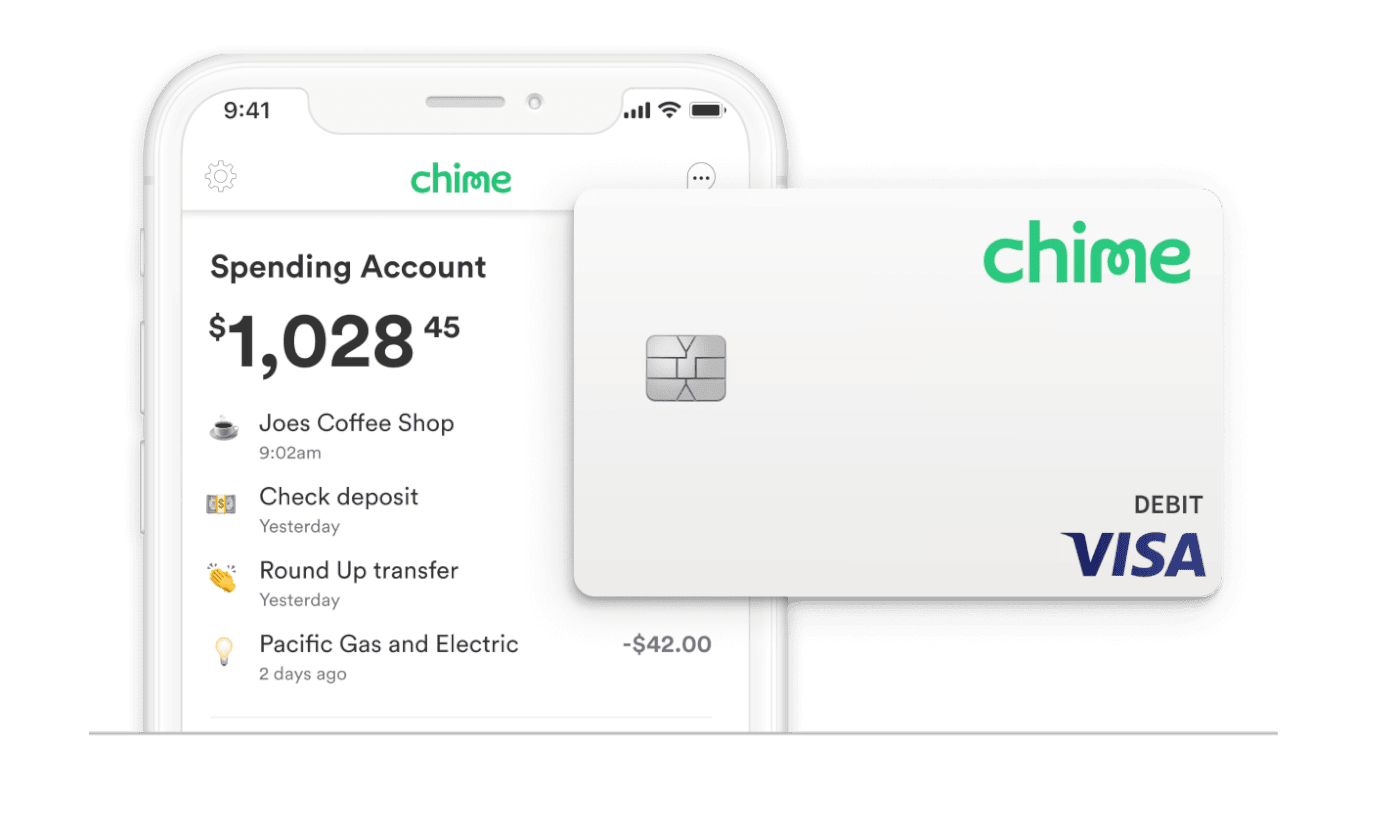
The most efficient way to move money is by linking your Chime debit card to your Cash App account. This method utilizes the debit card rails, which allows for near-instantaneous movement of funds from your Chime “Spend Account” to your Cash App balance.
-
Open Cash App: Navigate to the “Profile” icon or the “Banking” tab (indicated by a house or dollar amount icon).
-
Select Linked Banks: Choose the option to “Link Card.”
-
Enter Chime Details: Input your Chime debit card number, expiration date, and CVV.
-
Verification: Cash App may require a quick verification, often via a text code or a small temporary hold.
-
Add Cash: Once the card is linked, go to the main banking screen in Cash App, tap “Add Cash,” enter the desired amount, and confirm. The funds are drawn immediately from your Chime balance.
Method 2: Linking via Routing and Account Numbers (The ACH Route)
If you do not have your physical Chime card or if the debit link fails, you can link the accounts using your Chime routing and account numbers. This method treats Chime as a traditional bank account.
-
Access Chime Credentials: In the Chime app, go to “Settings” to find your routing and account numbers.
-
Manual Linking in Cash App: In the “Linked Banks” section of Cash App, select “Link Bank.” If prompted to use Plaid (a secure third-party integrator), search for “Chime” and log in with your Chime credentials.
-
Manual Entry: If Plaid is not functioning, you may need to enter the numbers manually. This often triggers a “micro-deposit” verification process, which can take 1–3 business days.
Method 3: The “Indirect Bridge” Strategy
In rare cases where direct linking is restricted due to security flags or regional limitations, users can utilize a third-party “bridge” account. This involves sending money from Chime to a traditional bank account (like Chase or Wells Fargo) and then pulling those funds into Cash App from that intermediary. While more time-consuming, this ensures liquidity remains fluid even during technical disruptions.
Navigating Fees, Limits, and Transfer Speeds
In the world of fintech, time is often equated with cost. When transferring money from Chime to Cash App, users must be aware of the trade-offs between speed and expense.
Understanding Instant vs. Standard Transfers
When you “Add Cash” to Cash App from a linked Chime debit card, the transaction is typically free and instant. However, the reverse process—moving money from Cash App back to Chime—offers two choices:
-
Standard Transfer: Free of charge, but takes 1–3 business days via the ACH network.
-
Instant Transfer: Carries a fee (usually around 1.5% to 1.75% of the total) but lands in your Chime account within minutes.
For the purpose of moving money into Cash App to fund a purchase or investment, the “Add Cash” feature is your most cost-effective tool, as it generally avoids the “Instant Deposit” fees associated with outward-bound transfers.
Managing Transfer Limits
Both Chime and Cash App impose limits to mitigate risk and prevent fraudulent activity. Cash App limits are often tiered based on account verification status. Unverified accounts may have lower weekly limits (e.g., $250 for sending, $1,000 for receiving), while verified accounts—those where the user has provided their full name, date of birth, and the last four digits of their SSN—enjoy significantly higher thresholds.
Chime also has daily transaction limits on its debit card. If you are attempting to move a large sum (e.g., $2,000) from Chime to Cash App in a single day, the transaction might be flagged or declined if it exceeds Chime’s daily “Point of Sale” limit. Strategic users break large transfers into smaller increments over several days to avoid triggering automated security freezes.
Troubleshooting Common Connection Issues
Despite the technological advancements of these platforms, users occasionally encounter errors such as “This card is not supported” or “Transaction declined by bank.” Understanding the root causes can save hours of frustration.
Debit Card Declines
If Cash App refuses to link your Chime card, ensure that the card is active in the Chime app. Chime allows users to “toggle” their card off for security; if the card is locked, the link will fail. Additionally, ensure the address associated with your Cash App account matches the billing address on file with Chime. Fintech platforms use Address Verification Systems (AVS) to prevent unauthorized card linking.
The “Unsupported Bank” Error
While Chime is widely accepted, occasional updates to Cash App’s backend or Chime’s security protocols can cause temporary incompatibilities. If you receive an “unsupported” message, the best recourse is to switch from the “Link Card” method to the “Link Bank Account” (ACH) method using your routing and account numbers.
Security Triggers and Fraud Detection
If you are a new user of either app, a sudden transfer of a large sum of money can trigger a fraud alert. Chime may block the transaction to protect your account. In this instance, a brief call to Chime’s member services can white-list the transaction. It is also advisable to ensure your Cash App account is fully verified with a state ID to reduce the likelihood of “Declined for your protection” errors.
Best Practices for Digital Financial Management
Moving money between Chime and Cash App is a tactical move, but it should be part of a broader, secure financial strategy. As you integrate these tools, consider the following best practices:
1. Enable Multi-Factor Authentication (MFA)
Both apps hold sensitive financial data and provide direct access to your capital. Ensure that biometric login (FaceID/Fingerprint) and two-factor authentication (via SMS or an authenticator app) are enabled on both platforms. This ensures that even if a device is compromised, your funds remain secure during the transfer process.
2. Monitor Transaction History Regularly
Because transfers between P2P apps and neobanks happen quickly, it is easy to lose track of spending. Periodically reconcile your Chime “Spend Account” with your Cash App activity. This helps identify any unauthorized transfers or double-charges early.
3. Maintain an Emergency Buffer
While fintech apps are highly reliable, technical outages do occur. Avoid keeping 100% of your liquid capital in a single app if you intend to move it frequently. Maintaining a small balance in both Chime and Cash App ensures that you are never stranded if one platform experiences a server issue or a card processing delay.
4. Leverage “SpotMe” for Flexibility
Chime’s “SpotMe” feature allows you to overdraw your account up to a certain limit without fees. If you need to send money via Cash App but your Chime balance is slightly short, SpotMe can often cover the difference when you “Add Cash” via the linked debit card, providing a vital safety net for urgent payments.

Conclusion: Mastering Your Financial Ecosystem
The integration of Chime and Cash App represents the peak of modern financial convenience. By mastering the methods of linking these accounts—whether through the instant accessibility of a debit card or the stability of an ACH connection—users gain unprecedented control over their money.
In a world where speed and agility define financial success, the ability to move funds from your primary bank account to an investment or P2P platform in seconds is a powerful advantage. By understanding the mechanics, fees, and security protocols involved, you can ensure that your capital is always exactly where you need it to be, exactly when you need it. As the fintech sector continues to mature, the interoperability between these “walled gardens” will only improve, further empowering the consumer to manage their wealth on their own terms.
aViewFromTheCave is a participant in the Amazon Services LLC Associates Program, an affiliate advertising program designed to provide a means for sites to earn advertising fees by advertising and linking to Amazon.com. Amazon, the Amazon logo, AmazonSupply, and the AmazonSupply logo are trademarks of Amazon.com, Inc. or its affiliates. As an Amazon Associate we earn affiliate commissions from qualifying purchases.