
In the rapidly evolving landscape of personal finance, digital payment applications have become indispensable tools for managing money. Among these, Cash App stands out as a widely popular platform for sending, receiving, and even investing funds. However, the ultimate utility of such an app often hinges on its ability to seamlessly integrate with traditional banking systems. For many users, the critical functionality is knowing how to efficiently and securely transfer their funds from Cash App directly into their bank account.
This process is more than just a technical transaction; it’s a vital aspect of personal financial management, impacting liquidity, budgeting, and the overall accessibility of one’s funds. Whether you’ve received payment from a friend, processed a sale, or simply want to consolidate your digital cash into your primary bank account, understanding the mechanics, costs, and best practices for transfers is paramount. This comprehensive guide will demystify the process, offering insights into both standard and instant transfer options, while highlighting the financial considerations and security measures essential for a smooth experience.
Understanding Cash App and Its Financial Ecosystem
Before delving into the transfer specifics, it’s crucial to appreciate Cash App’s role as a financial tool and how it integrates with your broader financial life. It’s more than just a peer-to-peer payment service; it’s a microcosm of a digital bank, offering debit cards, direct deposits, and even investment opportunities.
What is Cash App and Why is it Popular?
Cash App, developed by Block, Inc. (formerly Square, Inc.), has garnered immense popularity for its user-friendly interface and multifaceted financial services. It allows users to send and receive money instantly, often without fees for standard transactions, which makes it an attractive alternative to traditional banking transfers for everyday financial interactions. Its appeal also stems from features like the Cash Card (a customizable debit card linked to your Cash App balance), Bitcoin trading, and stock investing, all accessible from a single application. For individuals managing personal finances, it provides a convenient pocket for digital cash, simplifying bill splitting, casual payments, and even managing side hustle income.
Linking Your Bank Account: The Foundation of Transfers
The ability to transfer funds to your bank account is predicated on properly linking your financial institution to your Cash App profile. This connection serves as the primary conduit for moving money off the platform and into your traditional banking infrastructure. The linking process typically involves providing your bank’s routing number and your personal account number. It’s a one-time setup that establishes a secure bridge between your digital wallet and your physical bank, ensuring that when you initiate a transfer, Cash App knows exactly where to send your funds. Without a linked bank account, the cash within your Cash App remains isolated from your primary financial resources.
The Importance of Security in Digital Transactions
In any financial transaction, especially digital ones, security is paramount. Cash App employs various security measures, including encryption, fraud detection algorithms, and optional PIN or fingerprint lock features, to protect user data and funds. However, users also bear responsibility for their own financial security. This includes using strong, unique passwords, enabling two-factor authentication, being wary of phishing attempts, and regularly reviewing transaction history. When transferring money, verifying bank details multiple times before confirming a transfer can prevent misrouted funds, a financial mishap that can be time-consuming and stressful to rectify. Prioritizing security ensures that your hard-earned money moves safely from your digital wallet to your bank account without incident.
Step-by-Step Guide to Standard Transfers
Transferring money from Cash App to your linked bank account is a straightforward process designed for simplicity. Understanding each step ensures your funds reach their destination without unnecessary delays or complications.
Initiating the Transfer Process (Selecting “Cash Out”)
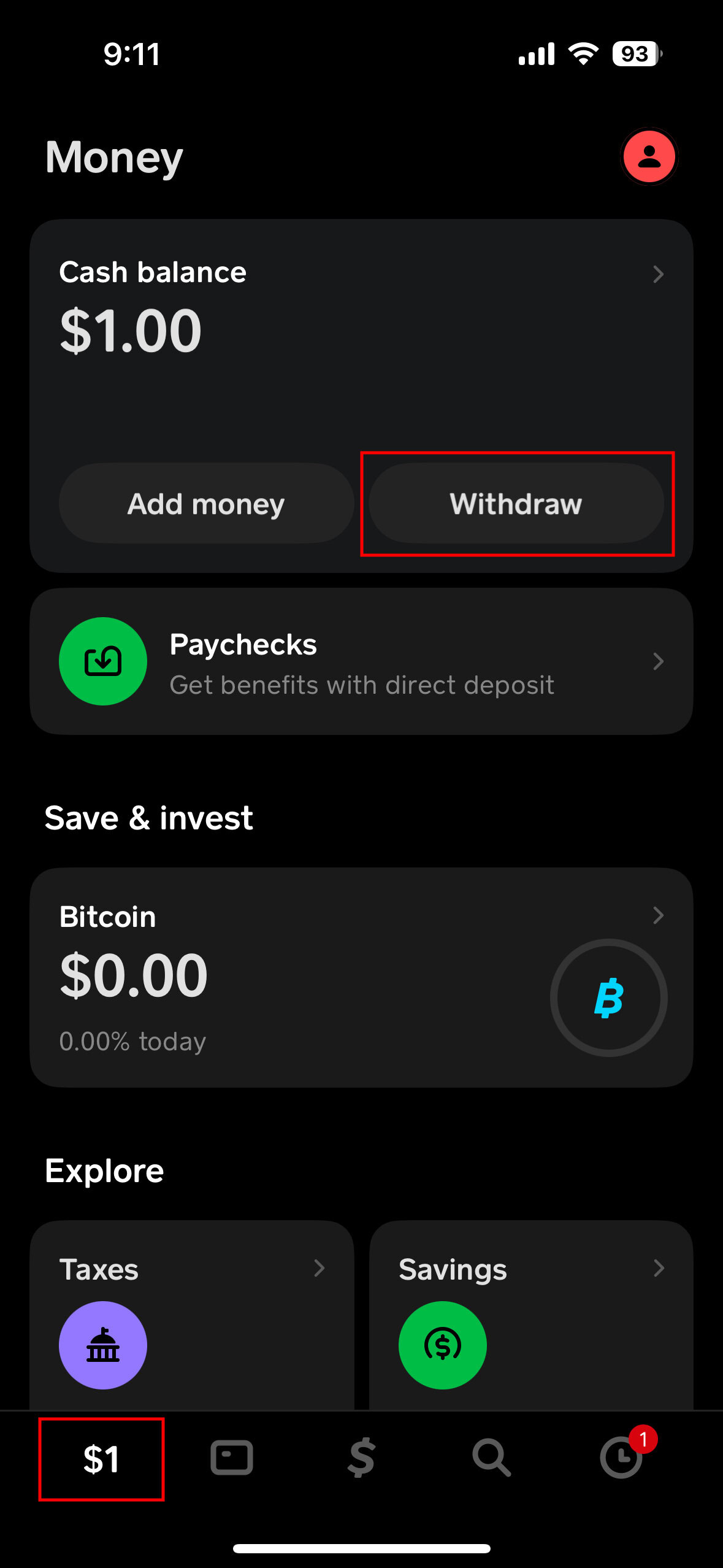
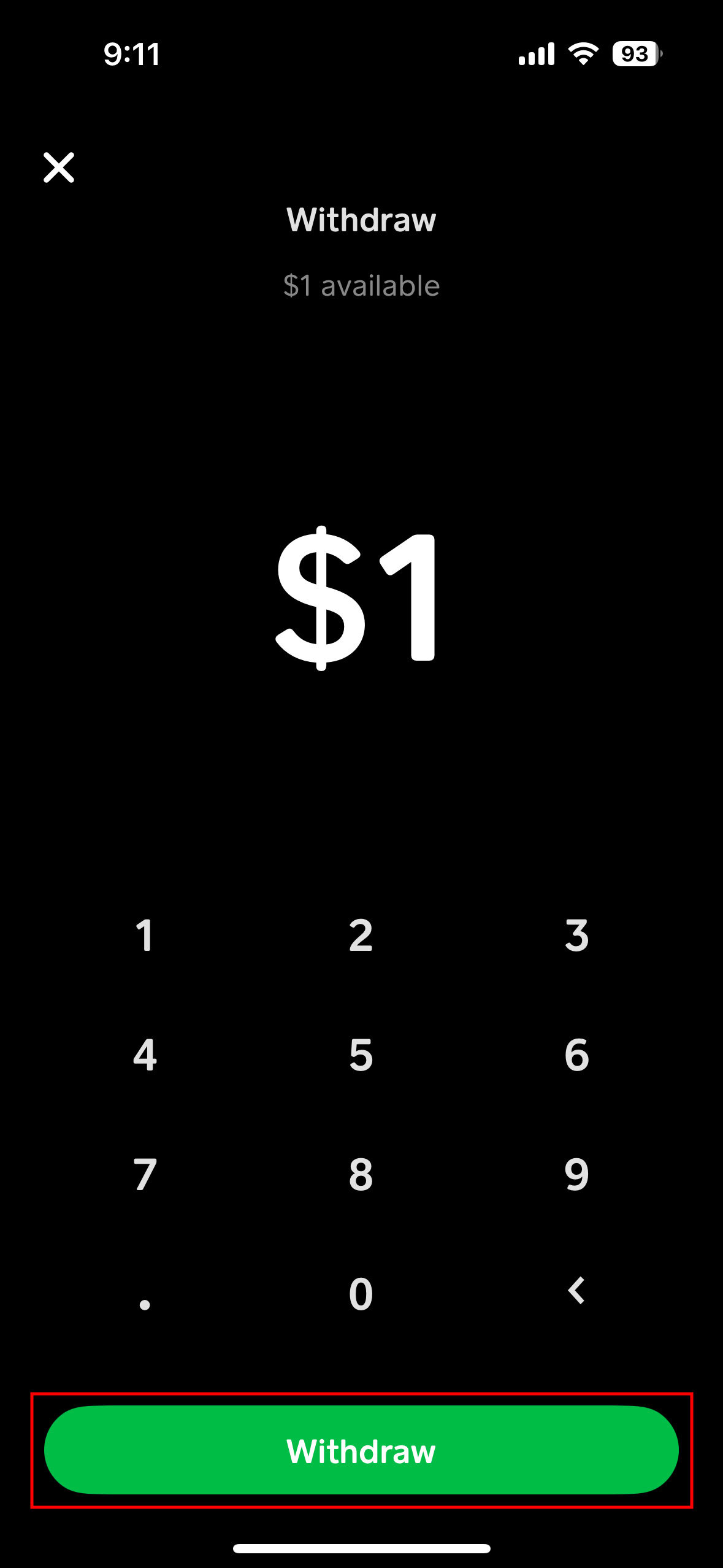
The journey begins within the Cash App interface. From the main screen, you’ll typically see your current Cash App balance. To initiate a transfer, tap on this balance, which will usually lead you to a page displaying your funds. Here, you’ll find an option labeled “Cash Out.” This is the command that tells Cash App you intend to move money out of your digital wallet. Upon selecting “Cash Out,” you’ll be prompted to enter the desired amount you wish to transfer. This flexibility allows you to transfer your entire balance or just a portion, depending on your financial needs.
Choosing Your Transfer Speed: Standard vs. Instant
After entering the amount, Cash App presents you with a crucial choice: “Standard” or “Instant” transfer. This decision carries financial implications. A standard transfer typically takes 1-3 business days to complete. This option is usually free of charge, making it the most cost-effective choice for users who are not in an immediate rush to access their funds. The funds are processed through the Automated Clearing House (ACH) network, a common method for bank-to-bank transfers, which accounts for the longer processing time. For routine transfers, the standard option is often the preferred and most financially prudent choice.
Confirming Your Bank Details
Before finalizing any transfer, Cash App will display the last few digits of your linked bank account to confirm the destination. This step is critical for preventing misdirected funds. It’s imperative to double-check that the displayed bank account is indeed the one you intend to receive the money. A simple oversight here could lead to your funds being sent to an incorrect account, which can be challenging to recover. This confirmation acts as a final safeguard, ensuring your financial transaction is accurate and secure.
What to Expect: Timelines and Fund Availability
Once you confirm the transfer, the waiting period for a standard transfer is typically 1 to 3 business days. It’s important to note that “business days” exclude weekends and holidays, so a transfer initiated on a Friday might not appear until the following Tuesday or Wednesday. The exact timing can also depend on your receiving bank’s processing policies. While Cash App processes the request promptly, the ultimate availability of funds in your bank account is often subject to your bank’s operational hours and internal clearing processes. Users should plan their transfers with these timelines in mind, especially when budgeting or needing funds for specific financial obligations.
Navigating Instant Transfers and Associated Costs
For situations demanding immediate access to funds, Cash App provides an “Instant Transfer” option. While convenient, this speed comes with specific financial considerations.
When to Use Instant Transfers
Instant transfers are designed for urgent financial needs. Perhaps you need to cover an unexpected expense, pay a bill that’s due immediately, or simply prefer to have funds available in your bank account within minutes. This option bypasses the longer processing times of standard ACH transfers, delivering your money almost immediately (typically within 15-30 minutes) to your linked debit card, which acts as a faster conduit to your bank account. However, this immediacy is a premium service and should be weighed against its cost. It’s particularly useful when timing is more critical than the small associated fee.
Understanding the Instant Transfer Fee
The primary differentiator for instant transfers is the fee. Cash App charges a small percentage (typically 0.5% to 1.75%) of the transferred amount for instant transfers. This fee is clearly displayed before you confirm the transaction, allowing you to make an informed financial decision. For instance, if you transfer $100 instantly, you might pay a fee of $1.50, meaning $98.50 would arrive in your bank account. While seemingly small, these fees can add up over time if you frequently use the instant option. It’s a cost that users should factor into their personal finance calculations, determining if the speed justifies the expense.
The Mechanics of an Instant Transfer
Unlike standard transfers which route through the ACH network to your bank account number, instant transfers leverage your linked debit card. When you opt for an instant transfer, Cash App processes the transaction through the card network (e.g., Visa, Mastercard) associated with your debit card. This direct routing allows for near-immediate crediting of funds to your bank account, accessible via your debit card. This method bypasses some of the traditional banking clearing times, making it a faster but also a fee-incurring service. It’s a mechanism built for speed, connecting your Cash App balance directly to the funds accessible through your everyday bank card.
Troubleshooting Common Transfer Issues
Even with a smooth process, occasional issues can arise when transferring money. Knowing how to troubleshoot these can save time and reduce financial stress.
Delayed Transfers: What to Do
If your standard transfer has exceeded the 1-3 business day window, or your instant transfer hasn’t arrived within 30 minutes, there are a few steps to take. First, check your Cash App activity feed to ensure the transfer was successfully initiated and hasn’t been flagged or reversed. Next, verify your bank statement; sometimes, funds appear under a different description or a pending transaction. If the issue persists, contact your bank directly to inquire about incoming transfers. Lastly, if all else fails, reach out to Cash App support. Provide them with the transaction details, and they can investigate the status of the funds. Patience is key, but proactive follow-up is essential for timely resolution.
Incorrect Bank Account Information
One of the most significant financial pitfalls is inputting incorrect bank account details. If you realize you’ve sent money to the wrong account, immediate action is crucial. Unfortunately, once a transfer is initiated and processed, especially an instant one, it can be very difficult to reverse. For standard transfers, there might be a small window before processing begins where you could potentially cancel. Your best course of action is to immediately contact Cash App support. They may be able to intervene or provide guidance on how to attempt recovery, though success is not guaranteed. This underscores the importance of meticulously verifying bank details before confirming any transfer.
Transfer Limits and Verification
Cash App, like other financial platforms, imposes transfer limits. These limits can vary based on your verification status. Unverified accounts typically have lower weekly sending and receiving limits, which can impact your ability to “Cash Out” large sums. To increase these limits, Cash App requires you to verify your identity, usually by providing your full legal name, date of birth, and the last four digits of your Social Security Number. This KYC (Know Your Customer) process is a regulatory requirement designed to prevent fraud and money laundering. If a transfer is failing, or you can’t cash out your full balance, check your limits and consider completing the verification process to unlock higher financial thresholds.
Contacting Cash App Support for Financial Assistance
When facing complex or persistent transfer issues that you cannot resolve independently, contacting Cash App support is the next logical step. You can typically reach them through the app itself, via their website, or sometimes through phone support. Be prepared to provide specific details about your transaction, including dates, amounts, and any error messages you received. Clear and concise communication will help them diagnose the problem more efficiently. Remember, Cash App support is there to assist with issues related to their platform, providing a crucial line of defense for your financial transactions.
Best Practices for Secure and Efficient Transfers
Beyond the mechanics, adopting certain best practices can significantly enhance the security and efficiency of your Cash App to bank account transfers, making it a seamless part of your personal finance routine.
Regular Monitoring of Account Activity
Proactive financial management includes regularly reviewing your Cash App activity and linked bank account statements. This habit helps you quickly spot any unauthorized transactions or discrepancies. By catching unusual activity early, you can report it to Cash App and your bank promptly, minimizing potential financial losses. It’s a simple yet powerful measure to maintain oversight of your digital funds and ensure all transfers are legitimate and accounted for.
Keeping Your App and Information Updated
Ensuring your Cash App is always running the latest version is a crucial security practice. Updates often include critical security patches and performance enhancements that protect your financial data. Similarly, keeping your personal and banking information accurate and up-to-date within the app prevents issues with transfers. Outdated information can lead to failed transactions or, worse, funds being sent to old, incorrect accounts. Regularly verifying your linked bank details and personal information contributes significantly to smooth and secure financial operations.
Understanding Cash App’s Terms and Conditions
Before relying heavily on Cash App for your financial transactions, take the time to read and understand its terms of service. This document outlines your rights and responsibilities, as well as Cash App’s policies regarding transfers, fees, dispute resolution, and security. A thorough understanding can prevent misunderstandings and inform your decisions, especially concerning transfer limits, fee structures, and how they handle issues like fraud. It’s an essential guide to navigating the financial ecosystem of the app responsibly.
The Role of Digital Wallets in Modern Personal Finance
Cash App, as a digital wallet, represents a significant shift in how individuals manage and interact with their money. It offers unparalleled convenience for quick payments and accessible funds. However, it’s vital to view it as part of a broader financial strategy, not a replacement for traditional banking. Using Cash App effectively means understanding its strengths (speed, ease of use for small transactions) and limitations (potential fees for instant transfers, daily/weekly limits). By integrating it thoughtfully into your personal finance framework, alongside savings accounts, investment portfolios, and traditional checking accounts, you can leverage its benefits while maintaining comprehensive control over your financial health. This balanced approach ensures you harness the power of digital tools like Cash App to enhance your financial flexibility and efficiency.
aViewFromTheCave is a participant in the Amazon Services LLC Associates Program, an affiliate advertising program designed to provide a means for sites to earn advertising fees by advertising and linking to Amazon.com. Amazon, the Amazon logo, AmazonSupply, and the AmazonSupply logo are trademarks of Amazon.com, Inc. or its affiliates. As an Amazon Associate we earn affiliate commissions from qualifying purchases.