
Navigating the Gateway to Investment: Understanding Ameritrade (now Schwab)
For decades, Ameritrade stood as a prominent beacon for self-directed investors, offering robust platforms and comprehensive resources. Its evolution culminated in the significant acquisition by Charles Schwab, a move that consolidated two financial giants and reshaped the brokerage landscape. While the Ameritrade brand, particularly its acclaimed thinkorswim platform, has been integrated into the Schwab ecosystem, its legacy of empowering individual traders with advanced tools and vast market access continues. Understanding this transition is crucial for anyone looking to engage with the platform today, as traders now benefit from the combined strengths, stability, and expanded offerings of Charles Schwab. The primary goal remains consistent: to provide a powerful, user-friendly environment where investors can execute diverse trading strategies across various asset classes.
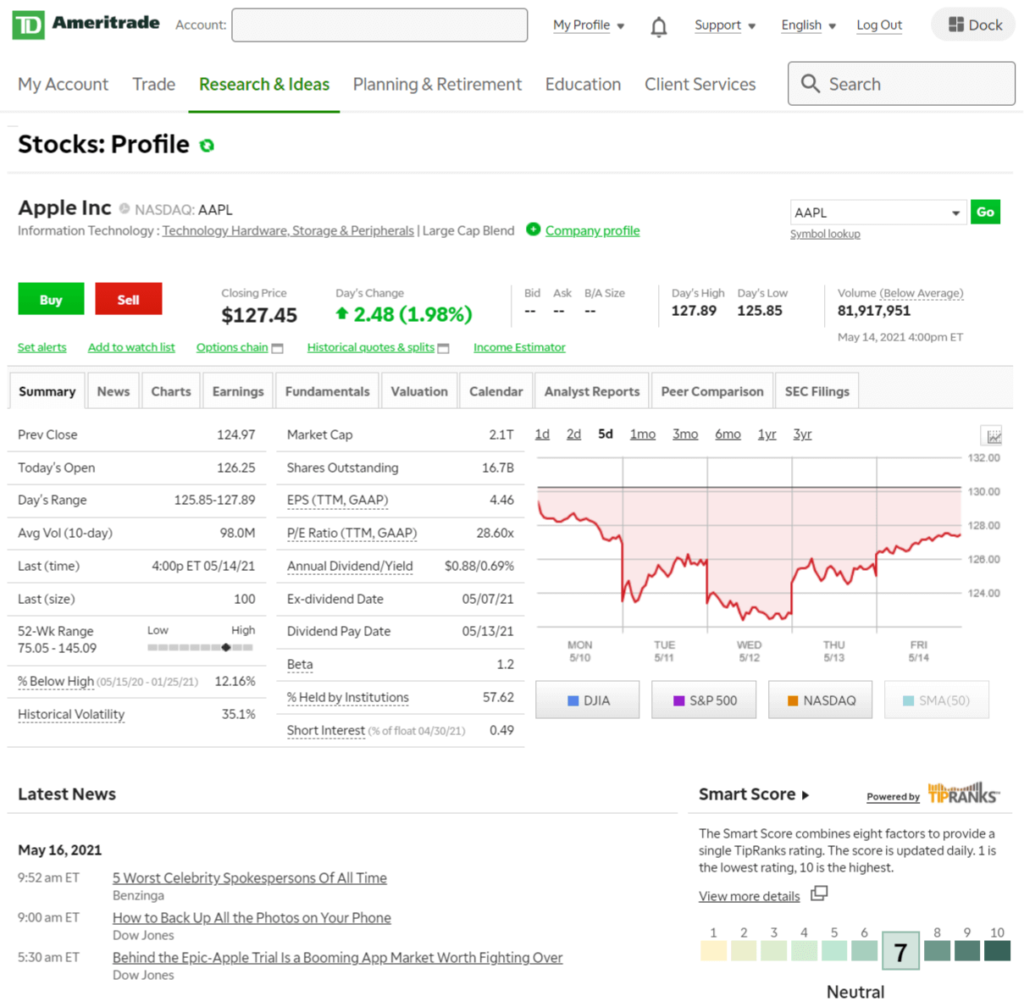
The Evolution of Ameritrade into Schwab
The integration of TD Ameritrade into Charles Schwab was a landmark event in the financial services industry, designed to create an unparalleled force in brokerage. While the Ameritrade name has largely been retired, the core functionalities, platforms, and client accounts have transitioned seamlessly under the Schwab umbrella. This means that an individual seeking to trade “with Ameritrade” is now interacting with the Charles Schwab institution, benefiting from its extensive resources, regulatory compliance, and broad product suite. The most notable carryover from Ameritrade is the thinkorswim platform, which Schwab recognized as a superior tool for active traders and has committed to developing further. This strategic merger aimed to enhance client value by combining Schwab’s long-standing reputation for customer service and wealth management with Ameritrade’s cutting-edge trading technology, offering a potent blend for both novice and seasoned investors.
Core Services and Account Types
Charles Schwab, incorporating Ameritrade’s strengths, offers a wide array of account types designed to meet diverse financial goals. For traders, the most common entry point is an individual or joint brokerage account, which provides direct access to equity, options, futures, and fixed-income markets. Beyond standard taxable accounts, Schwab also facilitates various retirement accounts, such as Traditional IRAs, Roth IRAs, and SEP IRAs, allowing traders to manage their investments within tax-advantaged structures. Furthermore, specialized accounts for educational savings (529 plans) and small businesses are also available. Each account type comes with its own set of rules and benefits, and understanding these distinctions is fundamental to aligning your trading activities with your broader financial planning. Schwab’s integrated platform also offers access to comprehensive wealth management, financial advisory services, and banking solutions, creating a holistic financial ecosystem for its clients.
Why Choose Ameritrade for Trading?
Choosing Ameritrade (now Schwab) for trading hinges on several compelling factors. Firstly, the thinkorswim platform remains a significant draw. Renowned for its professional-grade charting tools, advanced analytics, and customizable interface, it caters exceptionally well to active and sophisticated traders across all asset classes. Secondly, the breadth of tradable products is extensive, encompassing stocks, ETFs, options, futures, and forex, providing ample opportunities for diversification and complex strategy implementation. Thirdly, Schwab’s commitment to competitive pricing, including commission-free online stock, ETF, and options trades (with a per-contract fee for options), makes it an attractive option for cost-conscious traders. Finally, the robust educational resources, research tools, and responsive customer support inherited from both Schwab and Ameritrade ensure that traders, regardless of their experience level, have the necessary backing to make informed decisions and navigate market complexities effectively.
Mastering the Trading Platforms: thinkorswim Ecosystem
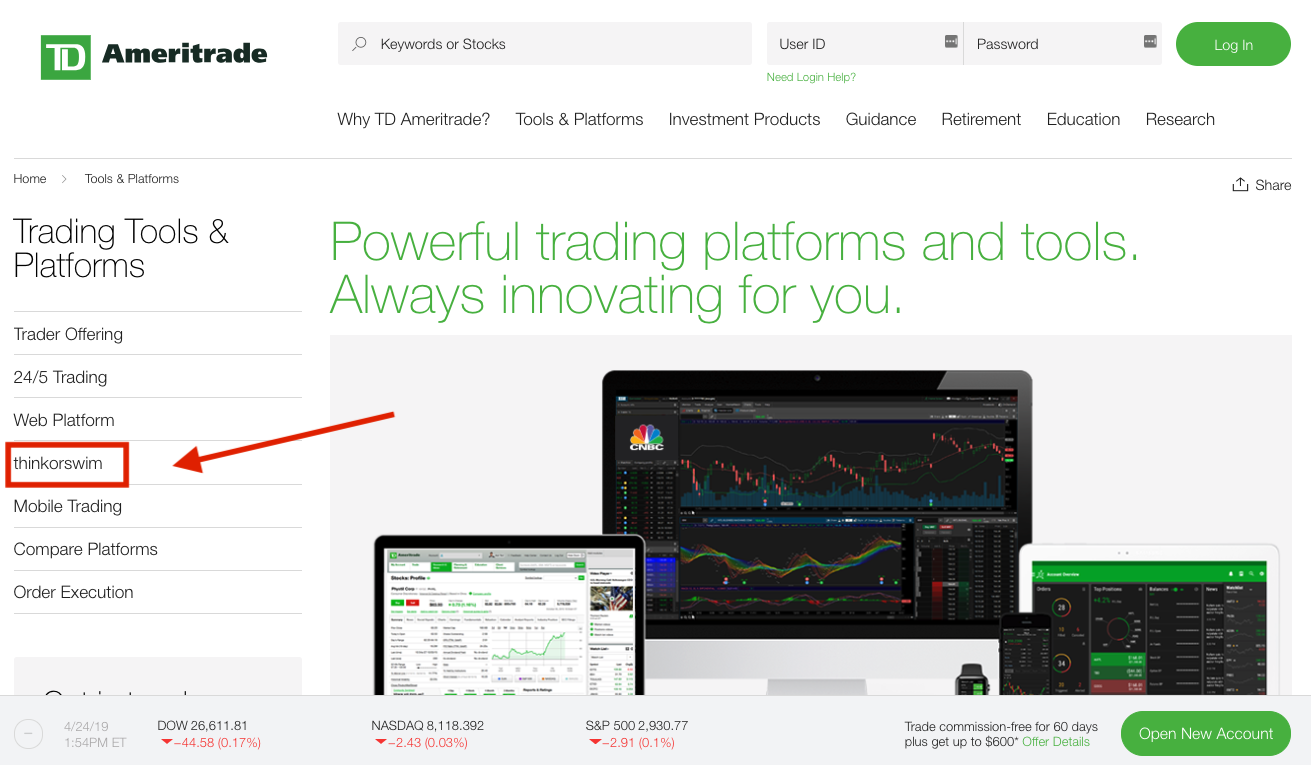
The thinkorswim platform, a jewel in Ameritrade’s crown now integrated into Schwab, represents a significant advantage for active traders. It’s not merely a trading interface; it’s a comprehensive ecosystem designed for in-depth analysis, rapid execution, and strategic planning. Available across multiple formats—desktop, web, and mobile—thinkorswim ensures that traders can access market data, analyze trends, and manage positions regardless of their location or preferred device. Understanding the nuances of each version and leveraging their unique capabilities is key to maximizing your trading efficiency and effectiveness, providing a consistent and powerful experience across all touchpoints.
Desktop Powerhouse: thinkorswim for Advanced Traders
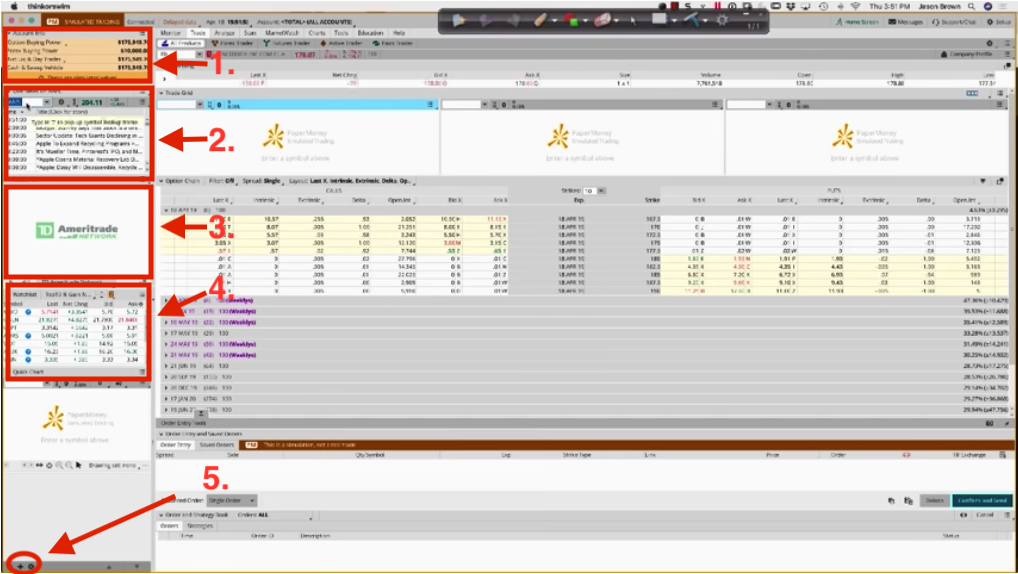
The desktop version of thinkorswim stands as the gold standard for serious, active traders. It offers the deepest feature set, unparalleled customization options, and the most robust analytical tools. From multi-monitor support to highly configurable watchlists, real-time data streaming, and advanced order types, the desktop platform is engineered for performance and precision. Traders can delve into complex options strategies, analyze historical data with sophisticated indicators, backtest trading ideas, and even integrate third-party applications. Its professional-grade charting package allows for intricate technical analysis, while the comprehensive risk analysis tools provide a clear picture of potential portfolio impact. The power of the desktop platform lies in its ability to consolidate extensive market data and analytical capabilities into a single, highly efficient workspace, enabling swift and informed decision-making even in volatile market conditions.
Web and Mobile Convenience: Accessibility On-the-Go
Recognizing the need for flexibility, thinkorswim also offers robust web and mobile versions. The web platform, accessible directly through a browser, provides a streamlined yet powerful experience, ideal for traders who need full functionality without the necessity of a software download. It retains many of the desktop version’s key features, including advanced charting, real-time quotes, and various order types, making it suitable for managing trades and monitoring portfolios from any internet-connected computer. The thinkorswim mobile app, available for both iOS and Android devices, extends this convenience further. It delivers critical trading functionalities to your fingertips, allowing for trade execution, position management, access to live news feeds, and basic charting on the go. While perhaps not as feature-rich as the desktop client, the mobile app is incredibly capable, ensuring that traders never miss an opportunity or fail to react to market developments, no matter where they are.
Key Features for Informed Decision-Making
The thinkorswim platform is replete with features engineered to empower informed trading decisions. At its core, it provides access to a wealth of real-time market data, ensuring that traders are always working with the most current information.
Charting and Technical Analysis Tools
thinkorswim’s charting capabilities are among the industry’s best. Traders can customize charts with hundreds of technical indicators, drawing tools, and analysis styles. The platform supports various chart types, timeframes, and aggregation methods, allowing for granular analysis of price action and market trends. Features like active trader ladders, volume profiles, and heat maps provide visual insights into market dynamics, helping traders identify entry and exit points with greater precision.
Advanced Order Entry and Management
The platform supports an extensive range of order types, from basic market and limit orders to more complex conditional orders like OCO (One Cancels the Other), OTO (One Triggers the Other), and trailing stops. This flexibility is crucial for implementing diverse trading strategies and managing risk effectively. Furthermore, the intuitive order entry interface allows for quick execution, while the robust order management system provides real-time tracking and modification capabilities for all open positions.
Customizable Watchlists and Alerts
Effective trading often begins with diligent monitoring. thinkorswim allows users to create highly customizable watchlists to track specific stocks, ETFs, options, or futures contracts. These watchlists can be tailored with various data points and indicators to suit individual trading styles. Complementing this, the platform’s alert system can notify traders of significant market movements, price thresholds, or news events, ensuring that crucial developments are never missed, even when not actively monitoring the screen.
Building Your Trading Strategy: Assets, Execution, and Risk Management
Successful trading extends beyond simply having access to a platform; it requires a well-defined strategy, an understanding of various asset classes, and an unwavering commitment to risk management. Ameritrade (Schwab) provides the tools, but the trader must provide the discipline and foresight. Developing a comprehensive approach involves not only selecting the right instruments but also mastering the mechanics of trade execution and safeguarding capital against inevitable market fluctuations. This holistic perspective is foundational for sustainable profitability in the financial markets.
Exploring Tradable Instruments
The breadth of instruments available through Schwab is a significant advantage, allowing traders to diversify and pursue strategies across multiple market segments.
Stocks and Exchange-Traded Funds (ETFs)
Stocks represent ownership in a company and are fundamental to most investment portfolios. Trading stocks involves speculating on price movements driven by company performance, industry trends, and broader economic factors. ETFs are baskets of securities, often designed to track an index, commodity, or sector. They offer diversification benefits akin to mutual funds but trade like individual stocks, providing flexibility and liquidity. Both stocks and ETFs are excellent starting points for new traders, offering transparent pricing and straightforward trading mechanics.
Options: Leveraging Potential, Managing Risk
Options are derivative contracts that give the holder the right, but not the obligation, to buy or sell an underlying asset at a specified price (strike price) on or before a certain date (expiration date). They offer significant leverage, meaning a small capital outlay can control a larger asset value. However, this leverage also amplifies risk. Options trading can be complex, involving various strategies like covered calls, protective puts, and spreads, used for income generation, hedging, or speculative purposes. Understanding implied volatility, time decay, and Greek values (Delta, Gamma, Theta, Vega) is paramount for effective options trading.
Futures and Forex: Advanced Market Access
Futures contracts are agreements to buy or sell an asset at a predetermined price on a future date. They are highly leveraged instruments used for hedging or speculating on commodities, indices, and currencies. The forex (foreign exchange) market, the largest financial market globally, involves trading currency pairs. Both futures and forex trading are characterized by high liquidity and 24-hour accessibility (for forex), but also by significant volatility and complexity, making them more suitable for experienced traders with robust risk management frameworks.
Executing Trades: A Step-by-Step Guide
Executing a trade on thinkorswim is a systematic process designed for clarity and control. First, select the asset you wish to trade and retrieve its quote. This often involves entering the ticker symbol. Second, analyze the market data, charts, and relevant news to inform your decision. Third, navigate to the “Trade” tab or click the “Buy/Sell” button associated with the asset. Here, you will specify the order type (e.g., market, limit, stop), the quantity of shares or contracts, and any additional parameters such as time-in-force (e.g., Day, GTC – Good ‘Til Canceled). Review all order details carefully to ensure accuracy, especially concerning price and quantity. Finally, confirm the trade. After execution, monitor your position through the “Monitor” tab, where you can view your open orders, positions, and account balances, allowing for real-time management and adjustments.
Essential Risk Management Principles
Effective risk management is not just a component of trading; it is the cornerstone of long-term success. Ignoring it can quickly lead to substantial losses, irrespective of how good a trading strategy might appear.
Position Sizing and Diversification
Position sizing refers to determining the appropriate amount of capital to allocate to any single trade. A common rule is to risk only a small percentage (e.g., 1-2%) of your total trading capital on any given trade. This limits potential losses on individual losing trades. Diversification, on the other hand, involves spreading investments across different asset classes, industries, or geographic regions to reduce overall portfolio risk. By not putting all your capital into one or a few highly correlated assets, you mitigate the impact of adverse movements in any single investment.
Understanding Stop-Loss Orders
A stop-loss order is an instruction to sell a security when it reaches a certain price, designed to limit a trader’s potential loss on a position. It is a critical tool for automated risk control. When the market price hits your specified stop price, the stop-loss order becomes a market order and is executed at the next available price. While stop-loss orders are invaluable for risk mitigation, traders must be aware of potential “slippage,” where the execution price may differ from the stop price, especially in fast-moving or illiquid markets.
The Importance of a Trading Plan
A well-articulated trading plan serves as a roadmap for all trading activities. It outlines your trading goals, risk tolerance, chosen strategies, entry and exit criteria, capital allocation rules, and post-trade analysis procedures. A robust trading plan removes emotional decision-making, which is often detrimental to trading success. It provides a framework for consistent decision-making, helps to measure performance objectively, and allows for continuous refinement based on market feedback and personal experience. Sticking to a plan, even during periods of drawdowns, is vital for maintaining discipline and achieving long-term profitability.
Leveraging Research and Educational Resources
Beyond its powerful trading platforms, Ameritrade (Schwab) distinguishes itself through a rich ecosystem of research tools and educational content. These resources are invaluable for traders seeking to deepen their market understanding, refine their strategies, and stay abreast of economic developments. Access to comprehensive analysis and ongoing learning opportunities is fundamental for cultivating informed decision-making and adapting to the dynamic nature of financial markets.
In-Depth Market Analysis and Insights
Schwab provides a wealth of market analysis from both in-house experts and third-party providers. This includes daily market commentary, economic calendars, earnings reports, analyst ratings, and fundamental research on individual companies. Traders can access articles, webinars, and videos that break down complex market trends and provide actionable insights. The platform also features advanced screeners, allowing users to filter thousands of stocks, ETFs, and options based on specific criteria such, as technical indicators, fundamental metrics, or sector focus. This capability empowers traders to identify potential opportunities that align with their investment hypotheses, streamlining the research process and enhancing the quality of their trading decisions.
Educational Tools and Learning Paths
For both beginners and advanced traders, Schwab offers an extensive library of educational resources. This includes interactive courses, tutorials on using the thinkorswim platform, and guides on various trading strategies—from basic stock trading to complex options and futures techniques. Topics cover everything from understanding economic indicators to mastering technical analysis patterns. These structured learning paths help traders build a strong foundation of knowledge and progressively develop their skills. Regular webinars and live events also provide opportunities for real-time engagement with experts, offering deeper dives into specific market topics and trading methodologies, ensuring continuous learning and adaptation.
Community and Expert Support
Access to support is crucial, especially when navigating complex financial markets. Schwab provides robust customer service through phone, email, and live chat, staffed by knowledgeable representatives who can assist with platform queries, account management, and trading-related questions. For thinkorswim users, dedicated support specialists who are themselves active traders can offer more technical assistance and insights into platform functionalities. Furthermore, the platform often fosters a sense of community through forums or chat rooms, allowing traders to share ideas, discuss strategies, and learn from peer experiences. This combination of expert assistance and community engagement creates a supportive environment for traders at all levels.
aViewFromTheCave is a participant in the Amazon Services LLC Associates Program, an affiliate advertising program designed to provide a means for sites to earn advertising fees by advertising and linking to Amazon.com. Amazon, the Amazon logo, AmazonSupply, and the AmazonSupply logo are trademarks of Amazon.com, Inc. or its affiliates. As an Amazon Associate we earn affiliate commissions from qualifying purchases.