
In an increasingly digitized world, the ability to manage and grow personal wealth has become more accessible than ever. Online stock trading stands as a powerful testament to this evolution, transforming what was once an exclusive domain of institutional investors and financial elites into a vibrant landscape open to anyone with an internet connection and a desire to learn. For many, the stock market represents a significant avenue for wealth creation, offering the potential for capital appreciation, dividend income, and diversification of assets. However, the allure of quick returns must be tempered with a clear understanding of the market’s complexities and inherent risks.
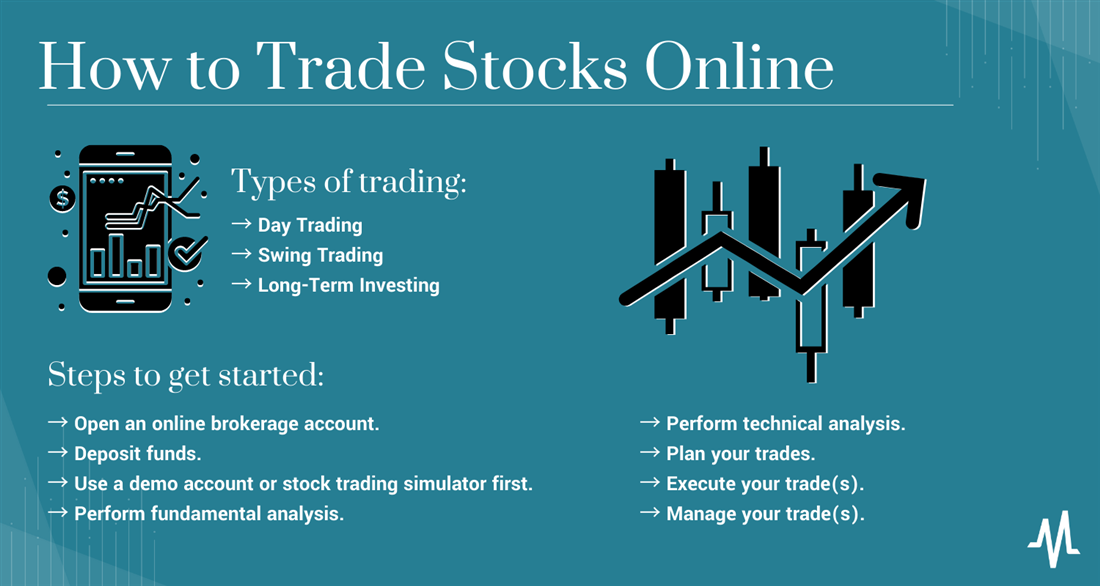
This comprehensive guide aims to demystify the process of online stock trading, providing a professional, insightful, and engaging roadmap for aspiring investors. We’ll navigate the essential steps from understanding market fundamentals to choosing the right broker, developing a robust trading strategy, and crucially, managing risk effectively. Whether you’re looking to build long-term wealth or explore shorter-term trading opportunities, establishing a solid foundation is paramount. By the end of this article, you will have a clearer understanding of how to confidently embark on your journey to trade stocks online, equipped with the knowledge to make informed decisions and cultivate a disciplined approach to the financial markets.
The Foundation: Understanding the Online Stock Market
Before placing your first trade, it’s crucial to grasp the fundamental concepts that govern the stock market and the unique characteristics of online trading. This foundational knowledge will serve as your compass in navigating the often-volatile world of investments.
What is Online Stock Trading?
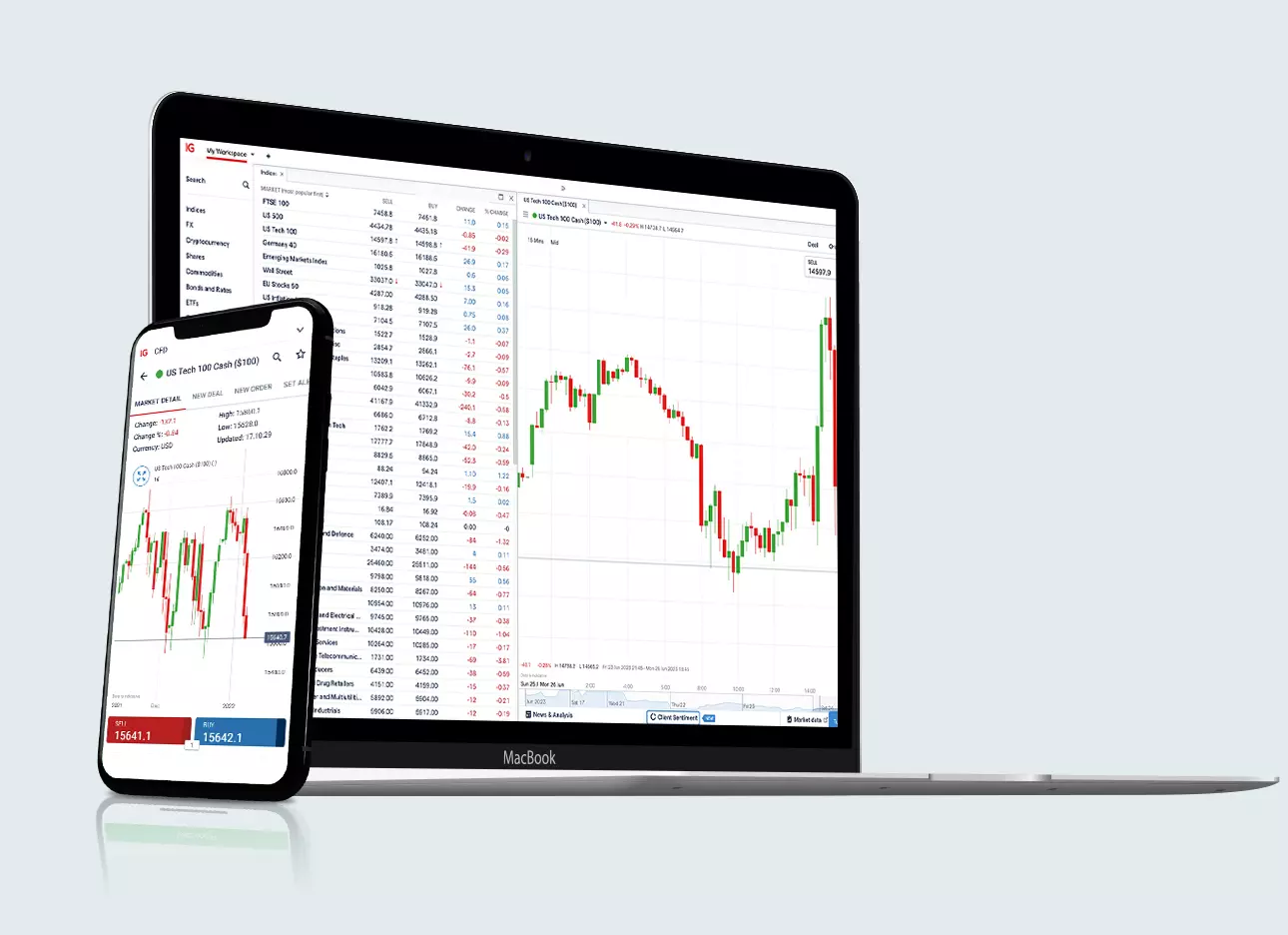
Online stock trading refers to the process of buying and selling shares of publicly traded companies through an internet-based platform provided by a brokerage firm. Instead of calling a human broker, investors execute trades themselves via a desktop computer or mobile app. This direct access empowers individuals to monitor market movements in real-time, conduct their own research, and make swift decisions, often at significantly lower costs than traditional brokerage services. It democratizes access to financial markets, allowing a broader spectrum of individuals to participate in economic growth.
Advantages of Trading Online
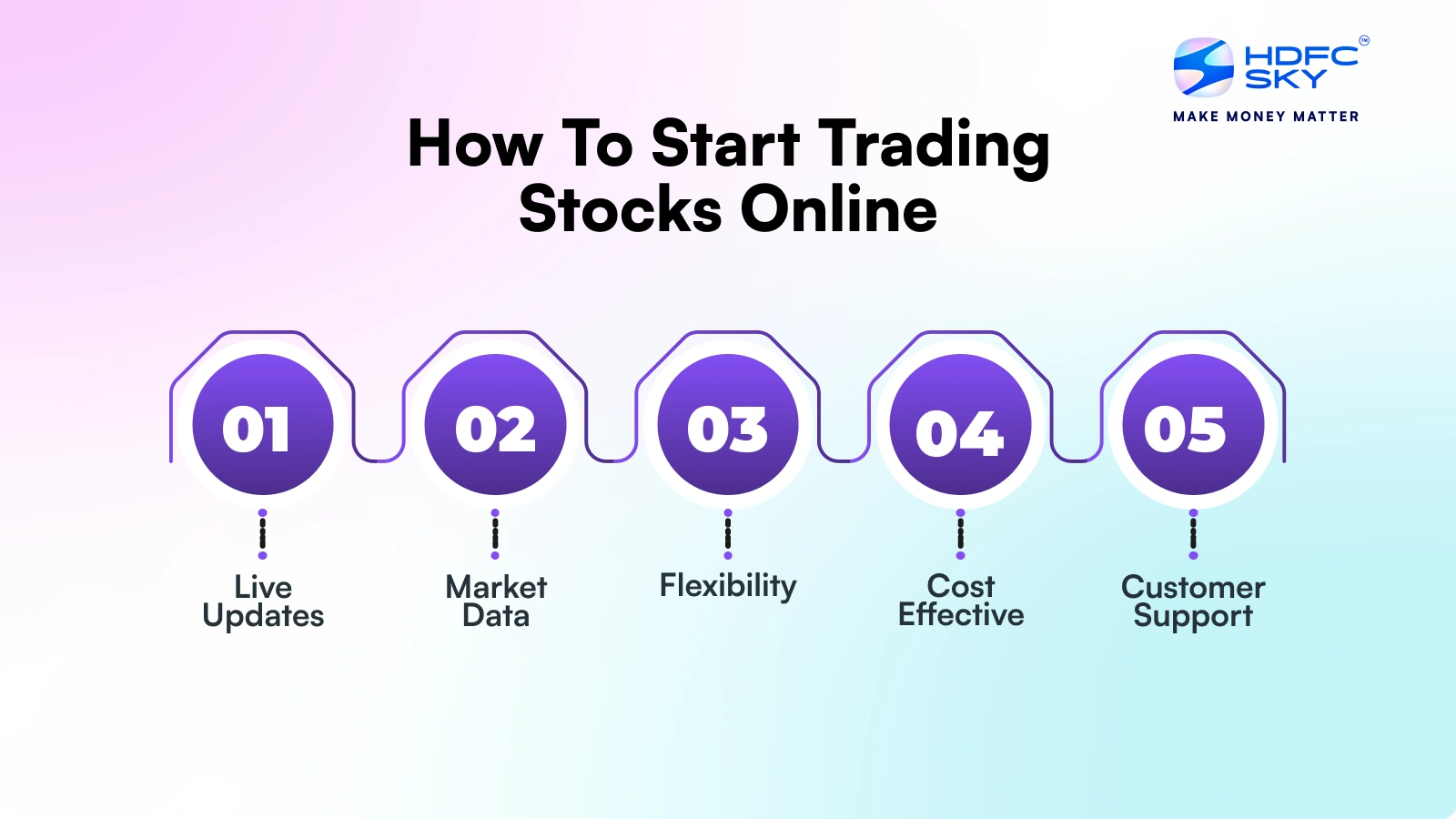
The shift to online trading has brought numerous benefits. Foremost among them is accessibility, allowing anyone with an internet connection to trade from virtually anywhere at any time the market is open. Cost-effectiveness is another major draw; online brokers typically offer much lower commission fees, or even commission-free trades, compared to traditional full-service brokers. This reduction in transaction costs can significantly impact overall profitability, especially for frequent traders. Furthermore, online platforms provide an unparalleled wealth of information and tools, from real-time quotes and charting software to news feeds, research reports, and educational resources, all at your fingertips. This empowers self-directed investors to make informed decisions based on comprehensive data.
Key Market Concepts for Beginners
To engage effectively, a basic understanding of market terminology is essential. A stock represents a fractional ownership in a company. When you buy a stock, you’re buying a piece of that company. The stock market is where these shares are bought and sold, with prices fluctuating based on supply and demand, company performance, economic news, and investor sentiment. Key market types include the primary market (where new stocks are issued, like IPOs) and the secondary market (where existing stocks are traded among investors). Understanding bid and ask prices (the highest price a buyer is willing to pay and the lowest price a seller is willing to accept, respectively) and market orders vs. limit orders (an order to buy/sell immediately at the best available price vs. an order to buy/sell at a specific price or better) will be fundamental to executing your trades efficiently.
Choosing Your Online Broker and Setting Up
The choice of your online broker is perhaps the most critical practical decision you’ll make. Your broker is your gateway to the market, and their platform, fees, and services will profoundly impact your trading experience.
Criteria for Selecting an Online Broker
When evaluating online brokers, several factors should guide your decision. Regulatory compliance is non-negotiable; ensure the broker is regulated by relevant financial authorities (e.g., SEC and FINRA in the U.S.). Commission fees and trading costs vary widely; look for competitive pricing, especially for the types of assets you plan to trade. Platform usability and features are crucial – an intuitive interface, advanced charting tools, research capabilities, and mobile app functionality can significantly enhance your experience. Consider the range of investment products offered (stocks, ETFs, options, mutual funds, etc.), customer service quality, and available educational resources. Finally, examine the minimum deposit requirements to ensure they align with your initial investment capital.
Types of Accounts and Funding
Most online brokers offer different account types. A taxable brokerage account is the most common for individual stock trading. For retirement savings, you might consider an IRA (Individual Retirement Account), which offers tax advantages. Once your account is opened and verified (requiring personal identification and financial information), you’ll need to fund it. Common funding methods include electronic transfers (ACH) from your bank account, wire transfers, or mailing a check. ACH transfers are often the most convenient and cost-effective, though they may take a few business days to clear. Ensure your funds are sufficiently available before attempting to place trades.
Essential Platform Features
A good online trading platform should provide a suite of essential features. Real-time quotes and charting tools are indispensable for monitoring price movements and identifying trends. Watchlists allow you to track potential investments without committing funds. Research reports and analyst ratings provide valuable insights into companies and industries. News feeds keep you abreast of market-moving events. Order types beyond basic market and limit orders (such as stop-loss orders, take-profit orders, and trailing stops) are critical for advanced risk management and strategy execution. Look for platforms that offer a demo or paper trading account; this allows you to practice trading with virtual money, familiarize yourself with the platform, and test strategies without risking real capital.
Developing Your Trading Strategy and Research
Successful online trading is rarely a matter of luck; it’s the result of a well-defined strategy backed by diligent research and analysis. Without a clear plan, you’re simply gambling.
Fundamental vs. Technical Analysis
Two primary approaches guide stock research:
- Fundamental Analysis: This involves evaluating a company’s intrinsic value by examining its financial statements (income statement, balance sheet, cash flow statement), management quality, industry trends, competitive landscape, and economic outlook. The goal is to identify undervalued or overvalued stocks based on their underlying business health. Fundamental analysis is typically favored by long-term investors seeking to invest in quality companies.
- Technical Analysis: This approach focuses on studying past market data, primarily price and volume charts, to identify patterns and predict future price movements. Technical analysts believe that all relevant information is already reflected in the stock’s price, and historical price action can indicate future direction. Tools like moving averages, Bollinger Bands, RSI, and MACD are commonly used. Technical analysis is often employed by short-term traders. Many successful traders integrate elements of both.
Defining Your Trading Style (e.g., Day Trading, Swing Trading, Long-Term Investing)
Your personal financial goals, risk tolerance, and time commitment will dictate your trading style:
- Long-Term Investing (Buy and Hold): Holding stocks for years or even decades, focusing on fundamental growth and compounding returns. Less frequent trading, lower transaction costs.
- Swing Trading: Holding positions for a few days to several weeks, aiming to profit from short-to-medium term price swings. Requires more active monitoring than long-term investing.
- Day Trading: Buying and selling stocks within the same trading day, closing all positions before the market closes. Highly intensive, requires significant capital and experience, and involves high risk.
- Position Trading: Similar to swing trading but with a longer timeframe, holding positions for weeks or months to capture larger trends.
It’s crucial to select a style that aligns with your personality and capacity, starting with less aggressive strategies if you’re a beginner.
Utilizing Research Tools and Educational Resources
Your broker’s platform will likely offer a suite of research tools, but don’t limit yourself there. Financial news websites (e.g., Bloomberg, Wall Street Journal), reputable financial blogs, market analysis platforms (e.g., TradingView, Finviz), and company investor relations pages are invaluable. Many brokers also provide extensive educational content, webinars, and tutorials. Commit to continuous learning; the financial markets are dynamic, and staying informed is key to long-term success. Practice with a demo account to apply what you learn before risking real money.
Mastering Risk Management and Emotional Discipline
The stock market offers incredible opportunities, but it also carries significant risks. Acknowledging and actively managing these risks, coupled with developing strong emotional discipline, is paramount to sustainable success in online trading.
Understanding and Mitigating Risk
Every investment carries risk, but online stock trading, particularly active trading, can be exceptionally volatile. Market risk refers to the risk of the entire market declining, impacting even fundamentally sound stocks. Company-specific risk (or unsystematic risk) relates to factors unique to a particular company, such as poor earnings, management issues, or product failures. Liquidity risk is the risk of not being able to sell an asset quickly enough without significantly impacting its price.
To mitigate risk:
- Diversification: Don’t put all your eggs in one basket. Spread your investments across different companies, industries, and asset classes to reduce the impact of any single poor-performing asset.
- Only invest what you can afford to lose: This is a golden rule. Never trade with money you need for essential living expenses or that could jeopardize your financial stability.
- Position Sizing: Determine how much capital to allocate to any single trade. A common rule of thumb is to risk only a small percentage (e.g., 1-2%) of your total trading capital on any given trade.
The Psychology of Trading
Emotions are perhaps the biggest enemy of a disciplined trader. Fear, greed, impatience, and overconfidence can lead to impulsive decisions, deviation from your strategy, and significant losses.
- Fear can cause you to sell winning stocks too early or hold onto losing stocks too long, hoping for a recovery.
- Greed can lead to overtrading, taking on excessive risk, or holding onto winning trades for too long, only to see profits evaporate.
- Impatience can make you jump into trades without proper analysis or cut good trades short.
Developing emotional intelligence in trading involves recognizing these biases and adhering strictly to your pre-defined strategy and risk management rules. Taking breaks, reviewing your trades objectively, and maintaining a trading journal can help in cultivating this discipline.
Setting Stop-Loss Orders and Take-Profit Levels
These are indispensable tools for managing risk and locking in gains:
- Stop-Loss Order: An instruction to sell a stock once its price falls to a specified level. This limits your potential loss on a position. For example, if you buy a stock at $100 and set a stop-loss at $95, your position will be automatically sold if the price drops to $95, capping your loss at $5 per share.
- Take-Profit Order: An instruction to sell a stock once its price rises to a specified level, allowing you to lock in profits. If you buy at $100 and set a take-profit at $110, your position will be sold when the stock reaches $110, securing your $10 profit.
Using these orders automates portions of your risk management, preventing emotional decisions from overriding your rational strategy.
Practical Steps to Place Your First Trade and Beyond
With your broker selected, account funded, and a strategy in mind, you’re ready to make your first foray into the market. This section outlines the practical execution and the ongoing commitment required for success.
Navigating Your Broker’s Platform
Take ample time to explore your chosen broker’s trading platform. Understand where to find market data, how to search for stocks, access charting tools, and critically, how to access the order entry screen. Practice placing different types of orders (market, limit, stop-loss) using your demo account. Familiarize yourself with your account statements, portfolio view, and any analytical reports offered. A well-understood platform reduces the likelihood of errors and allows for quicker, more confident execution.
Executing a Trade: Buy and Sell Orders
When you’re ready to place a live trade:
- Select the stock: Enter the ticker symbol of the company you wish to trade.
- Choose your action: Decide whether you want to “Buy” (go long, expecting the price to rise) or “Sell” (go short, which is more advanced and involves borrowing shares to sell, expecting the price to fall, then buying them back cheaper; or selling shares you already own).
- Specify quantity: Enter the number of shares you wish to buy or sell.
- Select order type: Choose between a market order (immediate execution at the current best price) or a limit order (execution only if the price reaches your specified level or better). For beginners, a limit order often provides more control over the entry/exit price.
- Add stop-loss/take-profit (optional but recommended): If your platform allows, attach these orders to your primary trade for risk management.
- Review and confirm: Double-check all the details before confirming the trade. Once confirmed, the order will be sent to the market for execution.
Continuous Learning and Adaptation
The journey of online stock trading is not a sprint; it’s a marathon of continuous learning, adaptation, and refinement. The market is constantly evolving, influenced by global economics, technological advancements, and shifting investor sentiment.
- Keep a trading journal: Document your trades, including your rationale for entry and exit, the outcome, and your emotional state. This allows for objective self-assessment and identification of patterns in your successes and failures.
- Review and adjust your strategy: Regularly analyze your trading performance. Are your strategies working? What could be improved? Be willing to adapt your approach based on market conditions and your learning.
- Stay informed: Continue reading financial news, analysis, and educational materials. Attend webinars and engage with reputable trading communities.
- Manage expectations: Not every trade will be a winner, and losses are an inevitable part of the game. Focus on consistent, disciplined execution and maintaining a positive expectancy over a series of trades, rather than fixating on individual outcomes.
By embracing a mindset of discipline, continuous learning, and prudent risk management, you can successfully navigate the world of online stock trading and work towards achieving your financial objectives. Remember, patience and persistence are as valuable as any analytical tool.
aViewFromTheCave is a participant in the Amazon Services LLC Associates Program, an affiliate advertising program designed to provide a means for sites to earn advertising fees by advertising and linking to Amazon.com. Amazon, the Amazon logo, AmazonSupply, and the AmazonSupply logo are trademarks of Amazon.com, Inc. or its affiliates. As an Amazon Associate we earn affiliate commissions from qualifying purchases.