
The stock market, often perceived as a labyrinthine domain reserved for financial elites, is in reality an accessible arena offering unparalleled opportunities for wealth creation. For individuals seeking to grow their capital, understand economic dynamics, or simply engage with the financial world, learning how to trade stock is a fundamental and empowering endeavor. This guide aims to demystify the process, providing a structured, insightful, and professional pathway for aspiring traders to navigate the complexities and harness the potential of the stock market. From understanding basic concepts to developing robust strategies and managing risk, we will equip you with the knowledge needed to embark on your trading journey with confidence.
Understanding the Foundation of Stock Trading
Before placing your first trade, it’s imperative to grasp the core concepts that underpin the stock market. A solid foundational understanding not only builds confidence but also shields against common pitfalls that often ensnare novice traders.
What is a Stock?
At its simplest, a stock represents a share of ownership in a company. When you buy a stock, you become a part-owner of that company, entitling you to a fraction of its assets and earnings. Companies issue stocks to raise capital, which they then use to fund operations, expand, or develop new products. The value of a stock fluctuates based on market demand, company performance, economic conditions, and investor sentiment. Understanding this fundamental premise is key to appreciating why stock prices move and what drives those movements.
The Role of Exchanges and Brokers
Stocks are not bought and sold in a vacuum; they are traded on regulated platforms known as stock exchanges. Major exchanges like the New York Stock Exchange (NYSE) and NASDAQ facilitate the buying and selling of shares, ensuring transparency and efficiency. As individual investors, we don’t directly interact with these exchanges. Instead, we use brokerage firms, which act as intermediaries. A brokerage account is your gateway to the stock market, allowing you to place buy and sell orders. Selecting a reputable broker with competitive fees, robust trading platforms, and excellent customer service is a critical first step for any aspiring trader.
Key Market Indicators and Terminology
Navigating the stock market requires familiarity with its language. Terms like “bid-ask spread,” “market cap,” “volume,” “bear market,” and “bull market” are part of the daily discourse. Market indicators, such as the S&P 500, Dow Jones Industrial Average, and NASDAQ Composite, serve as benchmarks for the overall health and direction of the market. Understanding these indicators provides context for individual stock movements and helps traders gauge broader market sentiment, which can significantly influence trading decisions. Learning this vocabulary is akin to learning the rules of the game before you play.
Exploring Diverse Trading Styles and Strategies
The beauty of stock trading lies in its versatility; there isn’t a single “right” way to trade. Different trading styles suit different personalities, capital sizes, and time commitments. Identifying the approach that aligns best with your financial goals and risk tolerance is paramount.
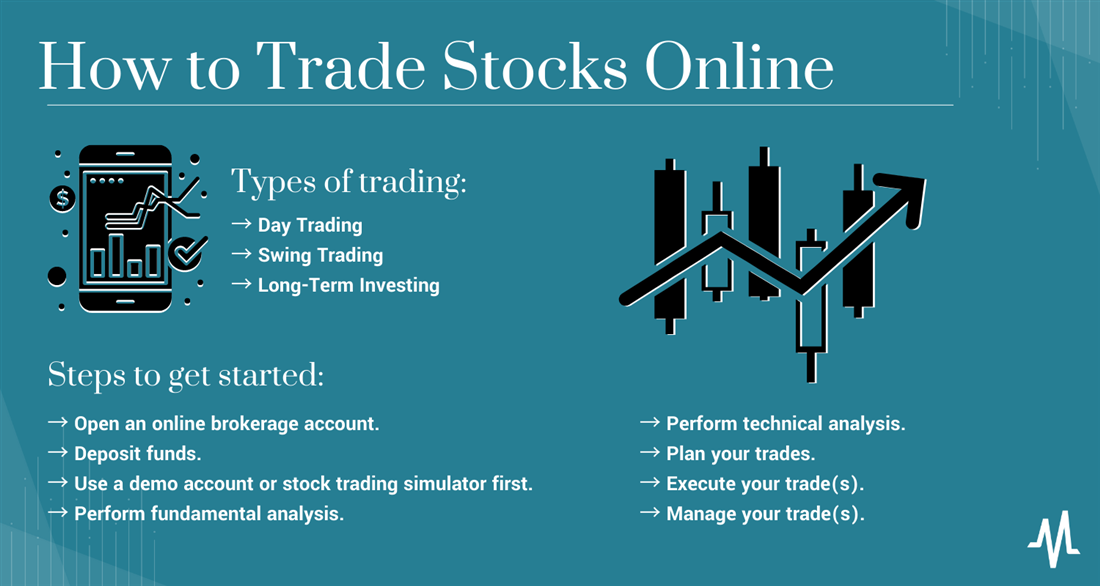
Day Trading
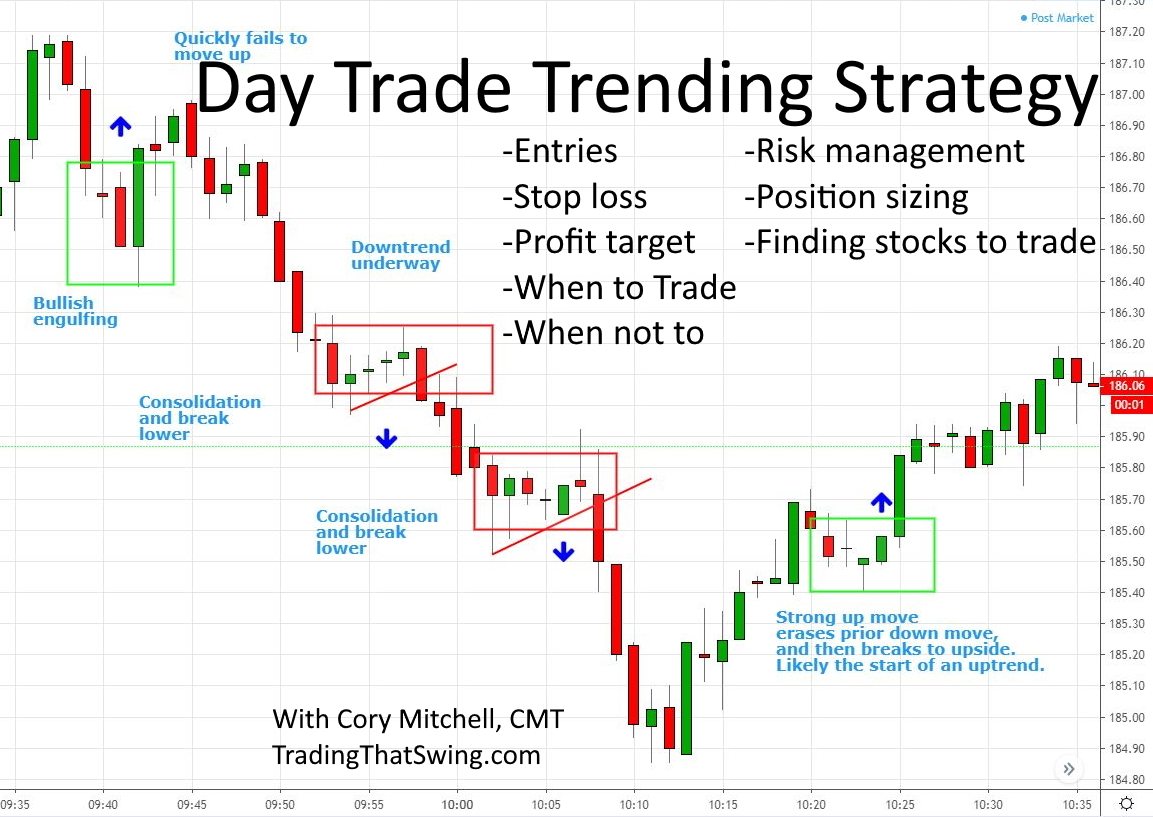
Day trading involves buying and selling stocks within the same trading day, often multiple times. The goal is to profit from small price fluctuations, and positions are rarely held overnight. Day traders typically rely heavily on technical analysis, using charts and indicators to identify short-term entry and exit points. This style demands significant time commitment, intense focus, rapid decision-making, and robust risk management due to its high-frequency nature and inherent volatility. It’s often considered the most challenging and highest-risk form of trading.
Swing Trading
Swing trading bridges the gap between day trading and long-term investing. Swing traders hold positions for a few days to several weeks, aiming to capture “swings” in stock prices. They often look for stocks that are either oversold or overbought, expecting a reversal in the short to medium term. This approach typically involves a blend of technical and fundamental analysis, requiring less time commitment than day trading but more vigilance than long-term investing. It’s a popular choice for those who want active involvement without the constant pressure of day trading.
Long-Term Investing (Positional Trading)
Long-term investing, sometimes referred to as positional trading when positions are held for months or even years, focuses on fundamental analysis. Investors in this category seek out companies with strong business models, healthy financials, competitive advantages, and growth potential, expecting their stock prices to appreciate significantly over an extended period. This strategy prioritizes patience, deep research into company fundamentals, and a focus on compounding returns. It’s generally considered less risky than short-term trading styles and is often recommended for beginners due to its lower demand for constant market monitoring.
Algorithmic Trading and Quantitative Approaches
For those with programming skills or access to sophisticated tools, algorithmic trading offers another dimension. This involves using computer programs to execute trades based on predefined criteria, often at high speeds. Quantitative strategies, which rely on mathematical and statistical models, are also gaining traction. While these approaches can offer efficiency and remove emotional bias, they require a deep understanding of market mechanics, programming, and complex financial models, making them more suitable for advanced traders or institutional investors.
Crafting Your Robust Trading Plan and Strategy
Successful trading is not about guesswork; it’s about disciplined execution of a well-researched plan. Developing a robust strategy is the bedrock of consistent profitability and sustainable growth.
The Pillars of Analysis: Fundamental vs. Technical
At the heart of any trading strategy are analytical methods.
- Fundamental Analysis involves evaluating a company’s intrinsic value by examining its financial statements (income statement, balance sheet, cash flow), management team, industry trends, and economic factors. The goal is to determine if a stock is undervalued or overvalued relative to its true worth. This method is crucial for long-term investors.
- Technical Analysis focuses on studying past price movements and trading volumes to predict future price action. Traders use charts, patterns, and indicators (e.g., Moving Averages, RSI, MACD) to identify trends, support and resistance levels, and potential entry/exit points. Technical analysis is predominantly used by day traders and swing traders. A combination of both approaches, often called “techno-fundamental” analysis, can provide a more holistic view.
Building Your Personalized Trading Plan
A trading plan is your roadmap. It should meticulously detail your trading goals, chosen trading style, risk tolerance, capital allocation rules, analytical methods, entry and exit criteria, and post-trade review process. This plan acts as a rulebook, helping you stay disciplined and avoid impulsive decisions driven by emotion. It should also include a section on what to do when things go wrong, outlining your contingency plans and stop-loss strategies. Regularly reviewing and refining your trading plan based on your experience and market conditions is vital for continuous improvement.
The Indispensable Role of Research and Due Diligence
No trading strategy, however sophisticated, can succeed without thorough research. Before committing capital, conduct rigorous due diligence on any stock you consider. This includes scrutinizing financial reports, reading company news, understanding industry dynamics, and assessing competitive landscapes. For technical traders, it means backtesting strategies on historical data and understanding the nuances of chosen indicators. The more informed you are, the better equipped you will be to make rational and profitable trading decisions. Trusting gut feelings or unsubstantiated tips is a recipe for disaster.
Mastering Risk Management and Trading Psychology
Even the best strategies can fail without proper risk management and a disciplined mindset. These two elements are arguably the most critical determinants of long-term trading success.
Capital Allocation and Position Sizing
Protecting your capital is paramount. Never risk more than a small percentage (e.g., 1-2%) of your total trading capital on any single trade. Position sizing, the process of determining how many shares of a stock to buy, should always be based on your risk tolerance and the distance to your stop-loss level. Overleveraging or betting a significant portion of your capital on one trade can lead to catastrophic losses and prematurely end your trading journey. Think of it as playing a long game; preserving capital ensures you stay in the game.
Stop-Loss Orders and Take-Profit Levels
These are indispensable tools for risk management. A stop-loss order is an instruction to your broker to sell a stock once it reaches a certain price, thereby limiting potential losses. Setting a stop-loss is crucial for every trade. Conversely, a take-profit level is a predetermined price point where you sell a stock to lock in profits. Having clear entry, stop-loss, and take-profit points for every trade helps to remove emotional decision-making and ensures that you stick to your trading plan.
Managing Trading Emotions: Fear and Greed
The stock market is an arena where emotions often run high. Fear can lead to premature selling during market downturns, while greed can encourage holding onto winning trades for too long, only to see profits evaporate. Developing emotional discipline is a continuous process. Stick to your trading plan, avoid impulsive decisions, and recognize that losses are an inevitable part of trading. Cultivate patience, objectivity, and resilience. Journaling your trades, including the emotional state during each decision, can provide valuable insights for self-improvement.
Continuous Learning and Adaptation
The financial markets are dynamic and constantly evolving. What worked yesterday may not work tomorrow. Therefore, successful traders are lifelong learners. Stay updated on market news, economic developments, and new trading technologies. Continuously analyze your trades, learn from your mistakes, and adapt your strategies as market conditions change. Participate in trading communities, read reputable financial literature, and consider advanced courses to refine your skills. The commitment to continuous improvement is what separates successful traders from those who struggle.
Taking Your First Steps: A Practical Guide
Embarking on your stock trading journey can seem daunting, but by breaking it down into manageable steps, you can start building your experience and expertise.
Choosing and Opening a Brokerage Account
As mentioned, your first practical step is to select a reliable online brokerage firm. Consider factors such as trading fees (commissions), available investment products (stocks, ETFs, options), the quality of their trading platform (user-friendliness, analytical tools), research resources, and customer support. Many reputable brokers offer competitive rates and advanced features suitable for both beginners and experienced traders. Once chosen, the process of opening an account typically involves providing personal information, funding the account, and completing any required regulatory disclosures.
Practicing with a Demo Account (Paper Trading)
Before risking real money, utilize a demo account, also known as paper trading. Most reputable brokers offer this feature, allowing you to trade with virtual money in a simulated real-market environment. This is an invaluable opportunity to test your strategies, become familiar with your broker’s platform, and practice managing trades without financial risk. Paper trading helps build confidence, identify weaknesses in your plan, and refine your approach before you commit your hard-earned capital. Treat your demo account seriously, as if it were real money, to cultivate disciplined habits.

Starting Small and Scaling Up
When you transition to live trading, begin with a small amount of capital that you can afford to lose. This minimizes the impact of initial learning mistakes and allows you to gain real-world experience without significant financial stress. As you gain proficiency, consistency, and confidence, you can gradually increase your capital. Resist the urge to chase quick riches or make large, speculative bets. Remember, successful trading is a marathon, not a sprint, built on consistent small gains and effective risk management over time.
In conclusion, trading stock is a skill that can be learned, honed, and mastered with dedication, discipline, and continuous effort. By understanding the fundamentals, exploring different trading styles, developing a robust plan, meticulously managing risk, and maintaining a growth mindset, you can confidently enter the exciting world of stock trading and work towards achieving your financial aspirations. The journey is challenging, but the rewards—both financial and intellectual—can be profoundly gratifying.
aViewFromTheCave is a participant in the Amazon Services LLC Associates Program, an affiliate advertising program designed to provide a means for sites to earn advertising fees by advertising and linking to Amazon.com. Amazon, the Amazon logo, AmazonSupply, and the AmazonSupply logo are trademarks of Amazon.com, Inc. or its affiliates. As an Amazon Associate we earn affiliate commissions from qualifying purchases.