
For the average investor, the stock market opens at 9:30 AM EST and closes at 4:00 PM EST. However, the true pulse of the financial world begins beating much earlier. Pre-market trading offers a window into the institutional and professional sentiment that shapes the trading day, allowing proactive investors to capitalize on news, earnings, and global events before the general public can hit the “buy” button. While the allure of catching a price movement before the opening bell is strong, trading in the early hours requires a specialized skill set, a deep understanding of market mechanics, and a rigorous approach to risk management.
Understanding the Pre-Market Environment
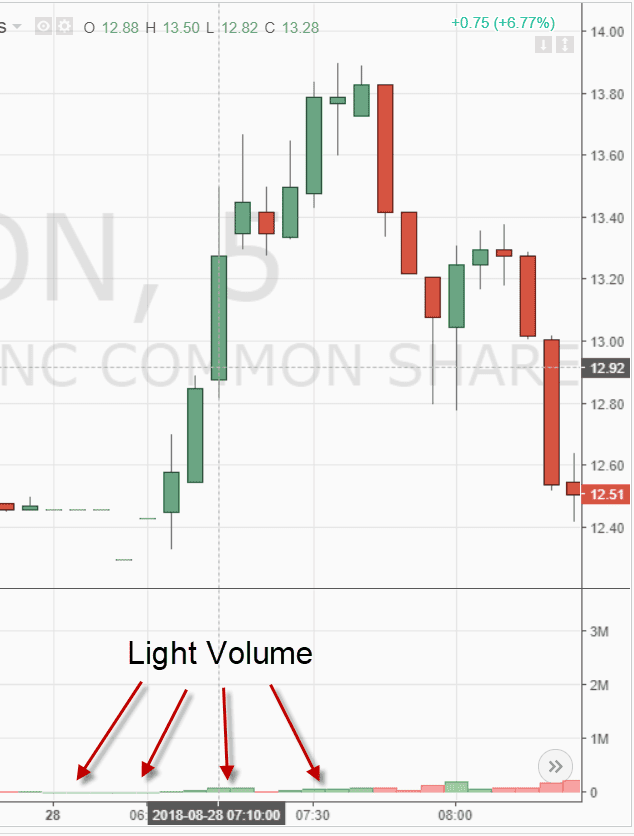
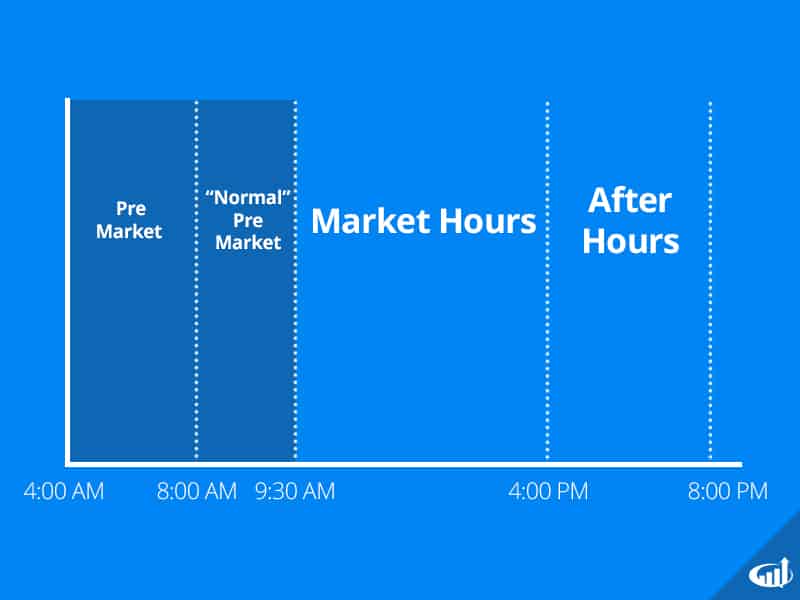
The pre-market session is the period of trading activity that occurs before the regular market session begins. In the United States, pre-market trading typically takes place between 4:00 AM and 9:30 AM EST. However, the level of activity varies significantly within this window; the hours between 4:00 AM and 8:00 AM are often characterized by extreme thinness, while the volume ramps up considerably as 9:30 AM approaches.
What is Pre-Market Trading?
Historically, the hours outside the standard trading day were the exclusive domain of institutional investors, hedge funds, and high-net-worth individuals. With the advent of Electronic Communication Networks (ECNs), the playing field has leveled. Today, retail traders can access these sessions through most major brokerage platforms. Trading in the pre-market is not conducted on a centralized exchange floor like the New York Stock Exchange (NYSE) in the traditional sense; instead, it is handled by digital systems that match buy and sell orders automatically.
The Mechanics of ECNs
Electronic Communication Networks are the backbone of the pre-market. Because there are no human specialists or market makers providing liquidity during these hours, ECNs act as the bridge. When you place an order, the ECN looks for a matching order from another participant on the same network or a linked network. If no match is found, the order remains unfilled. This digital-only environment is why pre-market trading is fundamentally different from the regular session: it is faster, more fragmented, and significantly more sensitive to individual large trades.
Market Participants and Liquidity
During the pre-market, the participant pool is much smaller. You are often trading against professional day traders, algorithmic systems, and institutional desks reacting to overnight developments in European or Asian markets. Because there are fewer participants, liquidity—the ease with which you can buy or sell a stock without changing its price—is much lower. This lack of liquidity is the defining characteristic of the early session and dictates almost every strategic decision a trader must make.
The Strategic Advantages and Risks of Trading Early
Entering the market before 9:30 AM is a double-edged sword. It offers the potential for outsized gains, but it exposes the trader to volatility that can wipe out a position in seconds. Understanding the “why” behind pre-market moves is essential for survival.
Why Investors Trade Before the Bell
The primary motivation for pre-market trading is the reaction to catalysts. Corporate earnings reports are often released at 7:30 AM or 8:00 AM EST. Similarly, government economic data, such as Consumer Price Index (CPI) numbers or employment reports, are typically released at 8:30 AM EST. By trading pre-market, investors can position themselves immediately after these releases rather than waiting for the “gap” that occurs at the open. If a company reports stellar earnings, the stock might jump 10% in the pre-market; if you wait until 9:30 AM, you may find yourself buying at the peak of that jump rather than participating in the move.
Navigating High Volatility
In a low-liquidity environment, price movements are magnified. A relatively small sell order that might go unnoticed at noon could cause a 2% drop at 7:00 AM. This volatility creates opportunities for “scalping” and quick momentum plays, but it also means that price action can be erratic. It is common to see a stock “fake out”—moving sharply in one direction on low volume, only to reverse entirely once the regular session begins and the broader market participants enter the fray.
The Impact of Wide Bid-Ask Spreads
One of the most significant hurdles in pre-market trading is the spread—the difference between the highest price a buyer is willing to pay (bid) and the lowest price a seller is willing to accept (ask). In a highly liquid stock like Apple (AAPL) during regular hours, the spread might be a single penny. In the pre-market, that same spread could be ten, twenty, or even fifty cents. This means that as soon as you enter a trade, you are “down” the amount of the spread. This cost of entry must be factored into every trade’s potential profitability.
Essential Tools and Brokerage Requirements
You cannot approach pre-market trading with the same tools used for long-term “buy and hold” investing. To be successful, you need a setup that prioritizes speed, data accuracy, and specific order types.
Choosing the Right Trading Platform
Not all brokers offer full pre-market access. Some may only allow trading starting at 7:00 AM or 8:00 AM, while others provide the full window starting at 4:00 AM. Furthermore, some platforms charge extra fees for extended-hours trading or limit the types of securities you can trade (for example, many brokers restrict short-selling or trading of certain penny stocks during the pre-market). It is vital to use a “direct-access” broker if you are serious about this niche, as they route your orders directly to the ECNs for faster execution.
The Necessity of Limit Orders
In the pre-market, market orders—orders to buy or sell immediately at the best available current price—are generally prohibited by brokers, and for good reason. Given the wide spreads and low liquidity, a market order could execute at a price significantly worse than what you intended. Successful pre-market traders use Limit Orders exclusively. A limit order allows you to specify the maximum price you are willing to pay or the minimum price you are willing to accept. If the market doesn’t hit your price, the trade doesn’t execute, protecting you from the “slippage” that defines early-morning volatility.
Level 2 Market Data
During regular hours, looking at a basic price chart might suffice. In the pre-market, Level 2 data is non-negotiable. Level 2 shows the “order book”—a list of all the pending buy and sell orders at different price levels. It tells you how much “depth” there is in the market. If you see a large wall of sell orders at a certain price, you know the stock will have a hard time moving higher. Conversely, if the order book is thin, you know the price could move rapidly in either direction.
Step-by-Step Guide to Executing a Pre-Market Trade
Trading in the early hours is as much about preparation as it is about execution. A disciplined routine is the difference between a calculated investment and a gamble.
Analyzing Overnight News and Catalyst Events
Your day should begin with a scan of global news. How did the Asian and European markets perform? Are there geopolitical events affecting oil or currency? Next, check the earnings calendar and economic release schedule. Most pre-market “movers” are driven by a specific catalyst. Use a stock screener to identify tickers that are up or down at least 3% on significant volume (usually at least 100,000 shares traded). Volume is the validator; a stock that is up 5% on only 500 shares is a “trap” and should be avoided.
Setting Entry and Exit Points
Once you have identified a stock with a strong catalyst and sufficient volume, map out your technical levels. Identify the pre-market high and low, as well as key support and resistance levels from previous days. Because the pre-market lacks the volume of the regular session, these technical levels are often “respected” more strictly. Determine your exit point before you even enter the trade. Given the risks, many traders aim for smaller, quicker profits in the pre-market than they would in the regular session.
Risk Management Protocols
Risk management is the most critical component of the “Money” niche. Because of the volatility, you should consider reducing your position size. If you normally trade 500 shares, you might trade only 100 or 200 in the pre-market. Additionally, be aware that “stop-loss” orders often function differently or may not work at all in the pre-market depending on your broker. You must be at your screen, actively monitoring the position, ready to manually exit if the trade turns against you.
Advanced Strategies for the Pre-Market Session
For those who have mastered the basics, the pre-market offers specific patterns that occur with high frequency.
The “Gap and Go” Strategy
The “Gap and Go” is one of the most popular strategies among early-morning traders. It involves finding a stock that has “gapped” up significantly due to positive news. The trader looks for a period of consolidation in the pre-market—where the price moves sideways—followed by a breakout above the pre-market high just as the volume increases. The goal is to ride the momentum of the opening bell as the rest of the world rushes in to buy.
Trading Earnings Reports Early
When a company releases earnings at 8:00 AM, the initial reaction is often an overcorrection. A trader might see a “knee-jerk” reaction where the stock drops 5% on a headline, only for the price to recover once the details of the report are analyzed by professional analysts. Trading these “overreactions” requires a fast reading of financial statements and the ability to distinguish between a temporary dip and a fundamental breakdown.

Monitoring Institutional Sentiment
The pre-market is where “smart money” often positions itself. Large institutions may use the early hours to slowly build or exit positions before the retail crowd creates too much noise. By watching the tape (the stream of executed trades) and looking for large, recurring blocks of trades at specific price levels, a trader can gauge where the big players are leaning. Aligning your trades with this institutional flow increases the probability of a successful outcome.
In conclusion, trading pre-market is a high-stakes extension of the financial world that demands respect and preparation. It is an environment where information is the primary currency and discipline is the only safeguard. By understanding the unique mechanics of ECNs, utilizing limit orders, and focusing on high-volume catalysts, you can turn the early morning hours into a significant advantage for your portfolio. However, always remember that in the world of money, the most important rule is the preservation of capital; in the pre-market, that rule is more important than ever.
aViewFromTheCave is a participant in the Amazon Services LLC Associates Program, an affiliate advertising program designed to provide a means for sites to earn advertising fees by advertising and linking to Amazon.com. Amazon, the Amazon logo, AmazonSupply, and the AmazonSupply logo are trademarks of Amazon.com, Inc. or its affiliates. As an Amazon Associate we earn affiliate commissions from qualifying purchases.