
The traditional opening bell at 9:30 AM EST marks the start of the standard trading day on Wall Street, but for the sophisticated investor, the opportunities—and the risks—begin much earlier. Pre-market trading offers a window into the institutional and reactionary sentiment that builds overnight, allowing traders to position themselves before the general public enters the fray. However, navigating this period requires a specialized understanding of market mechanics, liquidity constraints, and tactical execution. To trade pre-market hours effectively, one must look beyond simple price movements and understand the structural differences of the extended-market environment.
The Fundamentals of the Pre-Market Session
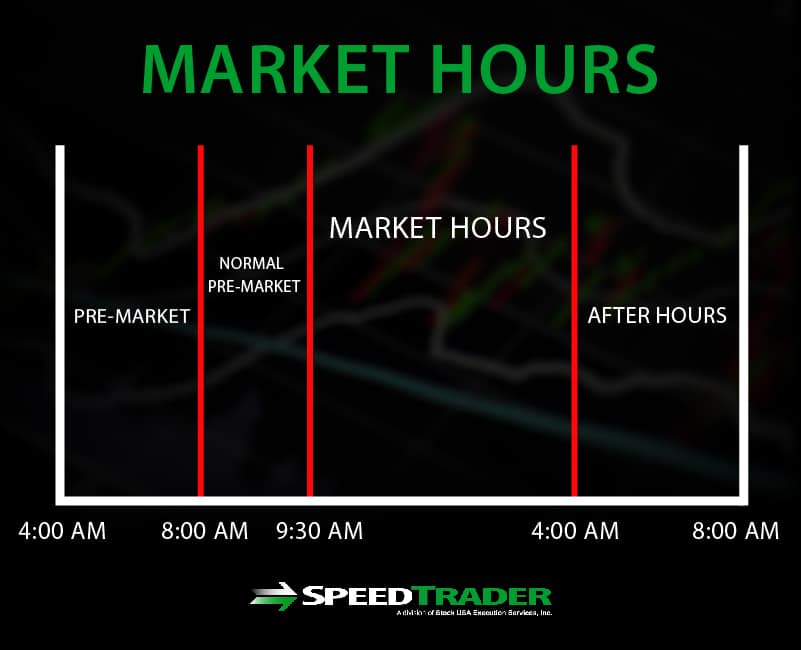
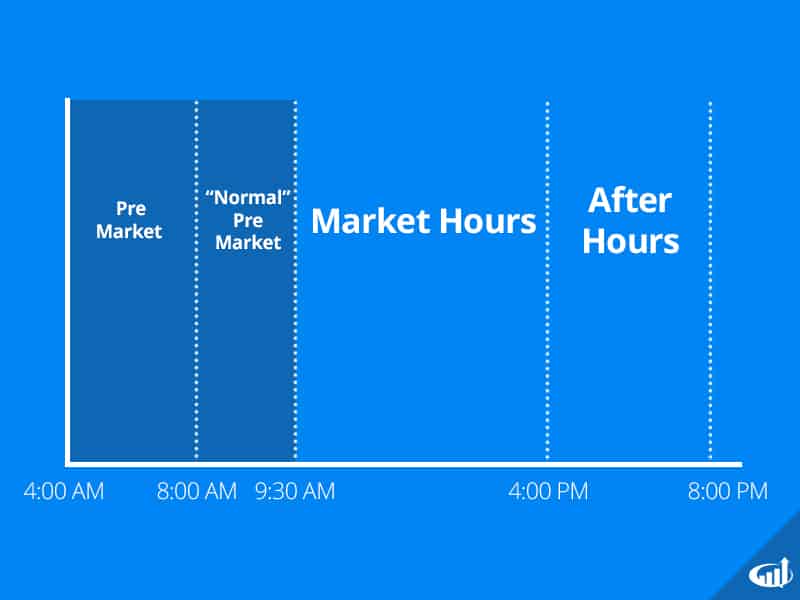
Pre-market trading occurs before the regular exchange hours, typically running from 4:00 AM to 9:30 AM EST. During this time, the primary exchanges like the NYSE and NASDAQ are not officially open in their standard capacity. Instead, trading is facilitated through Electronic Communication Networks (ECNs). These digital systems automatically match buy and sell orders from various locations, bypassing the need for a traditional human specialist or market maker.
Defining the Extended-Hours Environment
While the pre-market session technically starts at 4:00 AM, the bulk of the activity generally begins around 7:00 AM or 8:00 AM EST, as more retail brokerages open their systems to participants and European markets are in the middle of their trading day. It is essential to recognize that not all securities are available for pre-market trading; while most exchange-listed stocks and ETFs are tradable, many penny stocks or low-volume securities lack the necessary interest to generate a quote.
The Role of ECNs and Direct Access
In a regular session, market makers are often obligated to provide liquidity, ensuring that there is a bid and an ask for most stocks. In the pre-market, this obligation does not exist. ECNs like ARCA, INET, and EDGX become the primary venues. Because these networks function as closed loops that eventually link together, a trader must often have “direct market access” or a broker that routes intelligently across these ECNs to find the best possible price.
Pricing and Valuation Discrepancies
Because there are fewer participants, price discovery in the pre-market can be fragmented. A stock might be trading at $50.00 on one ECN and $50.20 on another if the networks haven’t yet synchronized. This fragmentation is one reason why volatility is significantly higher before 9:30 AM. Investors use this time to digest overnight news, such as geopolitical events, macroeconomic data releases (like the Consumer Price Index or Jobs Report), and corporate earnings.
Weighing the Risks and Rewards of Early Access
Trading before the open is a double-edged sword. While it provides the chance to capitalize on news before the “herd” arrives, it exposes the trader to conditions that can lead to rapid capital erosion if not managed with discipline.
The Advantage of Early Reaction
The primary motivation for pre-market trading is the ability to react to catalysts. Public companies frequently release earnings reports at 7:00 AM or 8:00 AM EST. By trading in the pre-market, an investor can buy into a positive earnings surprise or exit a failing position before the stock potentially gaps down at the open. Furthermore, global news—such as a central bank decision in Europe or a supply chain disruption in Asia—often hits the wires long before the US open. Pre-market trading allows US-based investors to adjust their portfolios in real-time.
The Liquidity Trap and Wide Spreads
The most significant risk in pre-market hours is the lack of liquidity. During the regular session, a popular stock might have a bid-ask spread of a single penny. In the pre-market, that same stock might have a spread of 10, 20, or even 50 cents. This “slippage” means that even if you are right about the direction of the stock, you might enter or exit at a price that significantly eats into your profit margins.
Increased Volatility and Fake-Outs
Low volume contributes to extreme price swings. A relatively small sell order that would be absorbed instantly during the regular session can cause a 2% or 3% price drop in the pre-market. These “head fakes” are common; a stock may appear to be soaring on high volume at 8:00 AM, only to reverse entirely and open lower at 9:30 AM as institutional sellers use the pre-market strength to dump large blocks of shares into the hands of overeager retail buyers.
Technological and Brokerage Requirements for Extended Hours
Not all brokerage platforms are created equal when it comes to extended-hours access. To trade effectively, an investor must ensure their infrastructure is capable of handling the unique demands of the pre-market.
Choosing the Right Brokerage
While many modern “zero-commission” apps offer pre-market trading, they often restrict the hours (e.g., only allowing trading starting at 9:00 AM). Professional and semi-professional traders typically opt for brokerages that offer full 4:00 AM access. Furthermore, the ability to see “Level 2” market data—which shows the depth of the book and the various ECNs where orders are resting—is non-negotiable for anyone serious about pre-market execution.
The Necessity of Limit Orders
In the pre-market, the use of “Market Orders” is generally prohibited by most brokers, and for good reason. If you place a market order in a low-liquidity environment, you could be filled at a price dramatically different from the last trade. “Limit Orders” are the only way to protect oneself. By using a limit order, you specify the maximum price you are willing to pay or the minimum you are willing to accept. This ensures that you aren’t caught on the wrong side of a sudden price spike or “flash crash.”
Real-Time News and Scanning Tools
Because pre-market trading is driven by news catalysts, traders must have access to real-time news feeds. Tools like Bloomberg Terminal, Benzinga Pro, or specialized scanners that filter for “pre-market gappers” are essential. A gapper is a stock that is trading significantly higher or lower than its previous day’s close. By scanning for stocks with high relative volume in the pre-market, a trader can identify where the institutional eyes are focused.
Tactical Strategies for Pre-Market Trading
Success in the early hours requires a shift in strategy. It is less about long-term valuation and more about immediate momentum and price action.
Identifying High-Relative Volume Gappers
The most common pre-market strategy involves looking for stocks that are “gapping” on volume that is significantly higher than their average pre-market activity. If a stock usually trades 5,000 shares before the open but is currently trading 500,000 shares following a positive FDA announcement, that volume validates the price move. Traders often look for a “consolidated base” in the pre-market—a period where the price stabilizes after an initial jump—to enter a position in anticipation of a secondary “pop” when the market opens.
Fading the Pre-Market Move
An alternative strategy is “fading,” or betting against the pre-market trend. Often, retail traders overreact to news, driving a stock up 15% on light volume. Institutional traders may view this as an opportunity to short the stock at an inflated price. A “fade” involves waiting for the pre-market momentum to stall and then taking a contrarian position, betting that the stock will “fill the gap” and return toward its previous closing price once the regular session provides the liquidity for a reversal.
Monitoring Index Futures
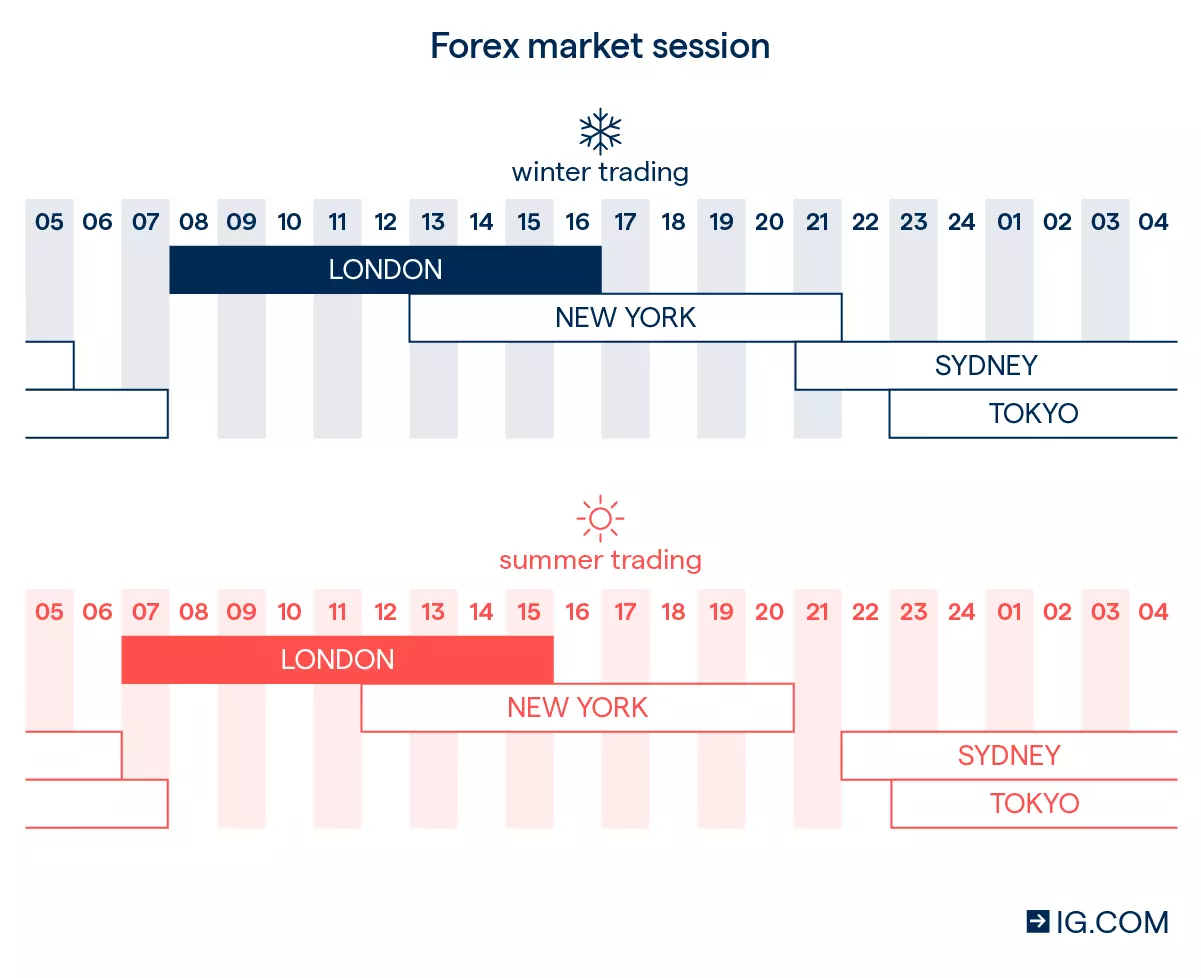
Even if one is trading individual equities, monitoring the S&P 500 (ES), Nasdaq 100 (NQ), and Dow (YM) futures is critical. The futures market trades nearly 24 hours a day and provides the “macro” backdrop. If the Nasdaq futures are down 2%, it is very difficult for a technology stock to sustain a pre-market rally, regardless of its individual news. The “tide” of the futures market often dictates the success of individual “boats” in the pre-market.
Navigating the Open: From Pre-Market to Regular Session
The transition from 9:29 AM to 9:30 AM is the most volatile minute in the financial world. How a trader handles this transition often determines their profitability for the day.
The 9:30 AM Reversal and Volatility Crush
Many traders who find success in the pre-market choose to close their positions minutes before the opening bell. The reason is the “opening cross.” When the exchanges officially open, a massive influx of orders—including market-on-open (MOO) and limit-on-open (LOO) orders—hits the tape. This surge in liquidity can cause a violent “whipsaw,” where a stock moves in both directions rapidly before finding a trend. Profits accumulated during the quiet pre-market hours can vanish in seconds during this period of price discovery.
Using Pre-Market Levels as Support and Resistance
The high and the low of the pre-market session are psychologically significant levels for the rest of the trading day. If a stock breaks above its pre-market high with high volume shortly after 9:30 AM, it is often a sign of a strong “bullish breakout.” Conversely, if a stock fails to hold its pre-market low, it may be headed for a significant sell-off. Professional traders often mark these levels on their charts as “zones of interest” to guide their intraday decisions.
Risk Management and Position Sizing
Finally, the golden rule of pre-market trading is reduced position sizing. Because of the inherent volatility and the wider spreads, a standard position size may be too risky. By trading 25% or 50% of one’s normal intraday size, a trader can account for the wider stops required to survive the pre-market’s erratic swings. In the world of finance, the pre-market is a landscape of high-conviction opportunities, but only for those who respect the structural limitations of the early morning hours. By combining rigorous news analysis with disciplined limit-order execution, investors can turn the pre-market from a source of anxiety into a powerful tool for alpha generation.
aViewFromTheCave is a participant in the Amazon Services LLC Associates Program, an affiliate advertising program designed to provide a means for sites to earn advertising fees by advertising and linking to Amazon.com. Amazon, the Amazon logo, AmazonSupply, and the AmazonSupply logo are trademarks of Amazon.com, Inc. or its affiliates. As an Amazon Associate we earn affiliate commissions from qualifying purchases.