
In the rapidly evolving landscape of personal finance, the convergence of digital convenience and physical utility has birthed a new era of banking. At the forefront of this movement is Cash App, a platform that has transitioned from a simple peer-to-peer payment service into a robust financial ecosystem. A central component of this ecosystem is the Cash Card—a Visa debit card that bridges the gap between your digital balance and the physical world of commerce.
Understanding how to track your Cash App card is not merely a matter of logistics; it is a fundamental aspect of modern financial management. Whether you are awaiting the arrival of a newly ordered card or monitoring the activity of an existing one to protect your assets, mastering these tracking mechanisms is essential for maintaining financial security and optimizing your personal cash flow.

Navigating the Shipment and Activation Phase
The journey of managing your Cash Card begins the moment you request it within the app. For many users, this is their first step into a “neobanking” experience, where traditional physical branches are replaced by streamlined digital interfaces. Tracking the physical delivery of this asset is the first hurdle in securing your financial periphery.
The Ordering Process and Initial Status
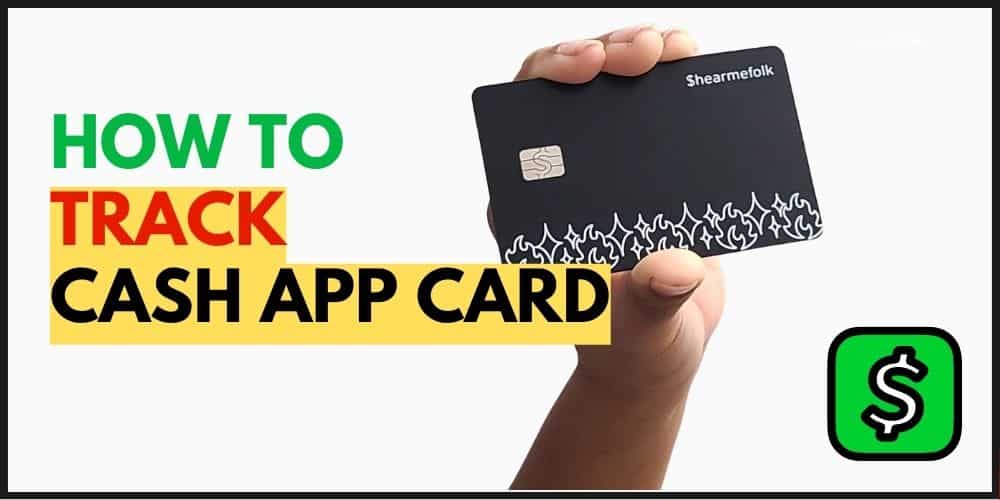
When you customize and order your Cash Card, the application initiates a fulfillment process that typically spans seven to ten business days. During this period, the “tracking” is primarily handled through internal status updates within the app. By navigating to the Cash Card tab, users can see the current stage of their order—from “Pending” to “Shipped.”
From a personal finance perspective, this waiting period is an ideal time to familiarize yourself with the virtual card details. Cash App often provides a virtual version of the card immediately, allowing you to link it to digital wallets or use it for online purchases before the physical plastic arrives. Tracking the arrival of the physical card is crucial because it represents a tangible access point to your liquid capital; ensuring it reaches your secure mailbox prevents identity theft and unauthorized account access.
Dealing with Delivery Delays
In the world of finance, time is money. If your card exceeds the ten-day delivery window, it is imperative to take proactive steps. Unlike traditional banks that might require a phone call and a lengthy verification process, Cash App allows you to report a non-delivery directly through the interface.
Tracking a lost shipment is a critical security measure. If a card is “lost in the mail,” it poses a risk to your account’s integrity. By tracking the timeline and reporting delays, you trigger the cancellation of the original card and the issuance of a new one with a different set of credentials. This ensures that even if the original card eventually surfaces in the wrong hands, it is nothing more than a useless piece of plastic.
Digital Oversight: Real-Time Transaction Tracking for Better Budgeting
Once the card is in your wallet and activated, the definition of “tracking” shifts from physical logistics to real-time financial monitoring. In the context of personal finance, tracking your card’s activity is the most effective way to maintain a budget and identify fraudulent behavior before it depletes your balance.
Leveraging Instant Transaction Notifications
One of the most powerful financial tools provided by the Cash Card is the instant push notification system. Every time the card is swiped, dipped, or used online, a notification is sent to your smartphone. This creates a transparent audit trail of your spending.
For those practicing disciplined budgeting, this real-time tracking serves as a constant feedback loop. It eliminates the “hidden” spending often associated with traditional credit cards, where a balance is only reviewed at the end of the month. By tracking every dollar as it leaves the account, you stay tethered to your financial goals and can adjust your daily spending habits accordingly.
Analyzing Spending Patterns via the Activity Tab
Beyond individual notifications, tracking your card involves reviewing the aggregated data within the “Activity” tab. This section of the app functions as a digital ledger. It categorizes transactions, allowing you to see exactly where your money is going—be it groceries, entertainment, or utility payments.
From a business finance or side-hustle perspective, this level of tracking is invaluable. If you use your Cash Card specifically for business expenses, the activity log serves as a preliminary expense report. Tracking these transactions meticulously throughout the year simplifies tax preparation and provides a clear picture of the overhead costs associated with your professional endeavors.
Security and Asset Protection: What to Do When the Card Goes Missing
In the unfortunate event that you lose track of your physical Cash Card, the stakes shift from convenience to asset protection. Tracking the location and status of your card becomes a defensive financial maneuver.
The Digital “Kill Switch”
The first line of defense in tracking a misplaced card is the “Lock Card” feature. This is a revolutionary tool in personal finance that traditional banks have only recently begun to adopt. If you cannot find your card, you can instantly toggle the lock within the app. This prevents any new transactions from being authorized while you attempt to locate the physical card.
This feature allows for a “soft” tracking period. Instead of immediately canceling the card and waiting another two weeks for a replacement, you can keep the card locked while you retrace your steps. If the card is found in your car or at home, you simply unlock it. If it remains lost, the lock ensures that your funds remain untouched while you move to the next stage of security.
Investigating Unauthorized Charges
If you are tracking your transactions and notice a charge you didn’t authorize, you must act as your own financial investigator. Cash App provides details on the merchant and the location of the transaction. Tracking these details helps you determine if the card was skimmed at a gas station or if your digital credentials were compromised in an online data breach.
Reporting these discrepancies is a vital part of maintaining your financial health. By tracking and disputing unauthorized transactions promptly, you leverage the fraud protection policies offered by the Visa network, which backs the Cash Card. This ensures that your personal capital is shielded from the vulnerabilities of the modern digital economy.
Optimizing Your Cash Flow: The Role of the Cash Card in Modern Finance
Tracking your Cash App card is also about optimizing the benefits that come with it. It is not just a tool for spending; it is a tool for saving and strategic financial growth.
Mastering “Cash Boosts”
A unique feature of the Cash Card is the “Boost” program. This allows users to select specific merchants—such as coffee shops, grocery stores, or gas stations—and receive instant discounts or Bitcoin back on their purchases. Tracking these boosts is essential for maximizing the “yield” on your daily spending.
By checking the app before you make a purchase, you can “track” which discounts are currently active and align your spending with the highest available savings. For many users, this results in hundreds of dollars in annual savings, effectively increasing their purchasing power without increasing their income.
Integration with Direct Deposit and Investing
The Cash Card is often the gateway to a more integrated financial life. By tracking your card’s balance in conjunction with direct deposit, you can treat Cash App as your primary checking account. This allows for seamless transitions between spending, saving, and investing.
For instance, you can track your remaining balance after monthly expenses and immediately move excess funds into stocks or Bitcoin, all within the same ecosystem. This level of fluidity is what defines the modern “Money” niche—breaking down the silos between different financial activities to create a more efficient engine for wealth creation.
The Future of Personal Finance and Digital Card Management
As we look toward the future, the ability to track and manage financial hardware like the Cash App card will only become more integrated into our daily lives. The distinction between “online” and “offline” money is disappearing.
Tracking your card is the fundamental habit of a financially literate individual in the 21st century. it represents a commitment to transparency, security, and efficiency. By staying vigilant—from the moment the card is shipped to the daily monitoring of transactions—you take full control of your financial destiny. In an era where digital threats are constant and the pace of commerce is instantaneous, your ability to track your assets is your greatest defense and your most potent tool for financial success.
Ultimately, the Cash App card is more than just a piece of plastic; it is a physical manifestation of your digital wealth. Treating it with the same level of scrutiny and strategic oversight as a traditional investment portfolio is the key to thriving in the modern economy. Whether you are tracking a shipment, a “Boost,” or a suspicious charge, you are engaging in the vital work of personal finance management.
aViewFromTheCave is a participant in the Amazon Services LLC Associates Program, an affiliate advertising program designed to provide a means for sites to earn advertising fees by advertising and linking to Amazon.com. Amazon, the Amazon logo, AmazonSupply, and the AmazonSupply logo are trademarks of Amazon.com, Inc. or its affiliates. As an Amazon Associate we earn affiliate commissions from qualifying purchases.