
In an increasingly digital world, where our interaction with screens, interfaces, and virtual environments is paramount, understanding the nuances of human perception has never been more critical. One often-overlooked yet profoundly influential aspect is ocular dominance – the phenomenon where one eye processes visual information more centrally and preferentially than the other. While the concept itself dates back centuries, its application and significance in the modern technological landscape are rapidly expanding, transforming how we design, interact with, and experience digital content. This article delves into the core of ocular dominance, its methods of identification, and its burgeoning relevance across various technological frontiers.
The Science of Ocular Dominance and Its Digital Relevance
Ocular dominance is not merely a curiosity; it’s a fundamental aspect of our visual system that dictates how we perceive depth, focus, and spatial relationships. It influences everything from how we aim a camera to how we navigate complex digital interfaces.
Defining Ocular Dominance Beyond Basic Vision
At its core, ocular dominance refers to the preferential use of one eye over the other for certain visual tasks. It’s distinct from visual acuity, meaning an eye with poorer vision can still be the dominant one. There are typically three main types:
-
Sighting Dominance (Motor Dominance): This is the most commonly understood form, referring to the eye used when aiming or sighting through a monocular device (like a camera viewfinder, telescope, or firearm sight). It’s the eye that takes the lead in directing visual attention.
-
Sensory Dominance: This refers to the eye that provides a greater contribution to the overall visual experience when both eyes are open, particularly under conditions of binocular rivalry (when each eye receives a different image).
-
Acuity Dominance: Less common as a primary definition, this simply refers to the eye with better visual sharpness, though it often correlates with sensory dominance.
While these distinctions have long been critical in fields like optometry and sports vision, the digital age has brought a new dimension to their importance. In a world saturated with digital displays and immersive technologies, the way our dominant eye processes information directly impacts our interaction and experience.
Why Knowing Your Dominant Eye Matters in a Tech-Saturated World
The rise of advanced user interfaces, virtual reality (VR), augmented reality (AR), and sophisticated eye-tracking technologies has elevated ocular dominance from a niche physiological trait to a critical parameter for optimal digital design and interaction. For tech developers, UX/UI designers, and even end-users, understanding which eye takes the lead can unlock enhanced performance, comfort, and immersion.
Consider the implications for a VR headset: if the virtual environment is not optimally calibrated for a user’s dominant eye, it can lead to discomfort, eye strain, or even simulator sickness. Similarly, in UI design, strategic placement of critical information based on dominant eye preference can reduce cognitive load and improve efficiency. As technology increasingly aims to seamlessly integrate with human perception, the subtle yet powerful influence of ocular dominance becomes an indispensable factor in crafting intuitive and engaging digital experiences.
Technological Frontiers Shaped by Ocular Preference
The insights derived from understanding ocular dominance are not merely theoretical; they are being actively integrated into the design and development of cutting-edge technologies, fundamentally altering how we interact with the digital realm.
Enhancing Virtual and Augmented Reality Experiences
VR and AR represent perhaps the most direct application of ocular dominance knowledge. These immersive platforms rely heavily on tricking the brain into perceiving depth and presence. The dominant eye plays a pivotal role in this process:
-
Display Calibration and Focus: Developers can optimize display settings, focal points, and even image rendering priorities based on the dominant eye. This ensures that the primary visual input is always crisp and central, reducing blur or distortion that might occur if both eyes were treated equally.
-
Reducing Simulator Sickness: Mismatches between visual input and vestibular (balance) feedback are primary causes of VR sickness. By fine-tuning the visual stream to align with the dominant eye’s preference, developers can create a more coherent and stable visual experience, thereby mitigating discomfort and enhancing user comfort over longer sessions.
-
Optimizing UI Placement in AR: In AR applications, digital overlays are superimposed onto the real world. Knowing a user’s dominant eye allows for intelligent placement of interactive elements, information panels, or waypoints, ensuring they are naturally within the user’s primary field of vision without obstructing critical real-world views.
Optimizing Gaming Performance and User Interface Design
Beyond immersive realities, the principles of ocular dominance have significant implications for traditional gaming and general user interface (UI) design, influencing how users perceive and interact with digital content.
-
Crosshair and HUD Optimization in Gaming: In first-person shooter (FPS) games, the precise placement of crosshairs and heads-up display (HUD) elements is crucial. If the crosshair is slightly misaligned with the player’s dominant eye’s natural aiming preference, it can lead to subtle but consistent aiming inaccuracies. Adjusting crosshair position, or even allowing user customization based on dominant eye, can provide a competitive edge. Similarly, critical HUD information (e.g., mini-maps, health bars) can be positioned to minimize eye movement and maximize at-a-glance comprehension.
-
Intuitive UI/UX Design: For general software and web design, knowing that a user’s dominant eye tends to lead visual scanning can inform the layout of crucial buttons, navigation menus, and information hierarchies. Placing primary calls to action or key data points within the dominant eye’s initial sweep can improve usability, reduce search time, and create a more intuitive user experience. This is especially relevant in applications requiring rapid decision-making or data interpretation.
Advancements in Eye-Tracking and Accessibility Tools
Eye-tracking technology, a rapidly evolving field, directly benefits from and contributes to our understanding of ocular dominance.

-
Enhanced Eye-Tracking Accuracy: Modern eye-trackers, whether integrated into monitors, VR headsets, or standalone devices, use infrared light and cameras to pinpoint gaze. Knowing the user’s dominant eye can help calibrate these systems more accurately, as the dominant eye often provides a more stable and reliable input signal. This leads to more precise data for research, more fluid control for gaming, and more accurate input for accessibility tools.
-
Personalized Accessibility: For individuals with motor impairments, eye-tracking systems offer a lifeline for interacting with computers. By understanding and accounting for the user’s dominant eye, these systems can be fine-tuned to be more responsive, less fatiguing, and more intuitive, making digital interaction more accessible and empowering for a wider population.
-
Neurological Research and Diagnostics: Eye-tracking, informed by ocular dominance, is also being used in medical research to study cognitive processes, neurological conditions, and even early detection of certain disorders by analyzing gaze patterns and visual attention biases.
Practical Digital Methods for Identifying Your Dominant Eye
While traditional methods for determining ocular dominance often involve simple physical tests, the digital age offers innovative and accessible ways to conduct these assessments, leveraging the very devices we interact with daily.
Smartphone Apps and Web-Based Tools
The ubiquity of smartphones and web browsers makes them ideal platforms for self-assessment of ocular dominance. Numerous apps and interactive websites offer guided tests:
-
The “Hole-in-Hand” or “Pointer” Test Digitized: These digital tools often present a target (e.g., a dot, an icon) on the screen. The user is instructed to create a small aperture with their hands (or just point with one finger) and align it with the target, viewed at arm’s length. As the user slowly brings their hands or finger towards their face while keeping the target centered, the eye through which they continue to see the target is likely their dominant eye. Apps can provide visual prompts, countdown timers, and clear instructions, making the process intuitive and repeatable.
-
Virtual Sighting Tests: Some apps might simulate a “sighting” experience, asking users to align virtual crosshairs with a target, then progressively obscuring one eye’s view to determine which eye maintains the alignment.
These digital tools offer convenience and often provide a clear, step-by-step process that minimizes ambiguity, empowering users to quickly identify their dominant eye without specialized equipment.
DIY Tests Using Digital Devices
Beyond dedicated apps, simple household digital devices can also be repurposed for quick dominant eye tests:
-
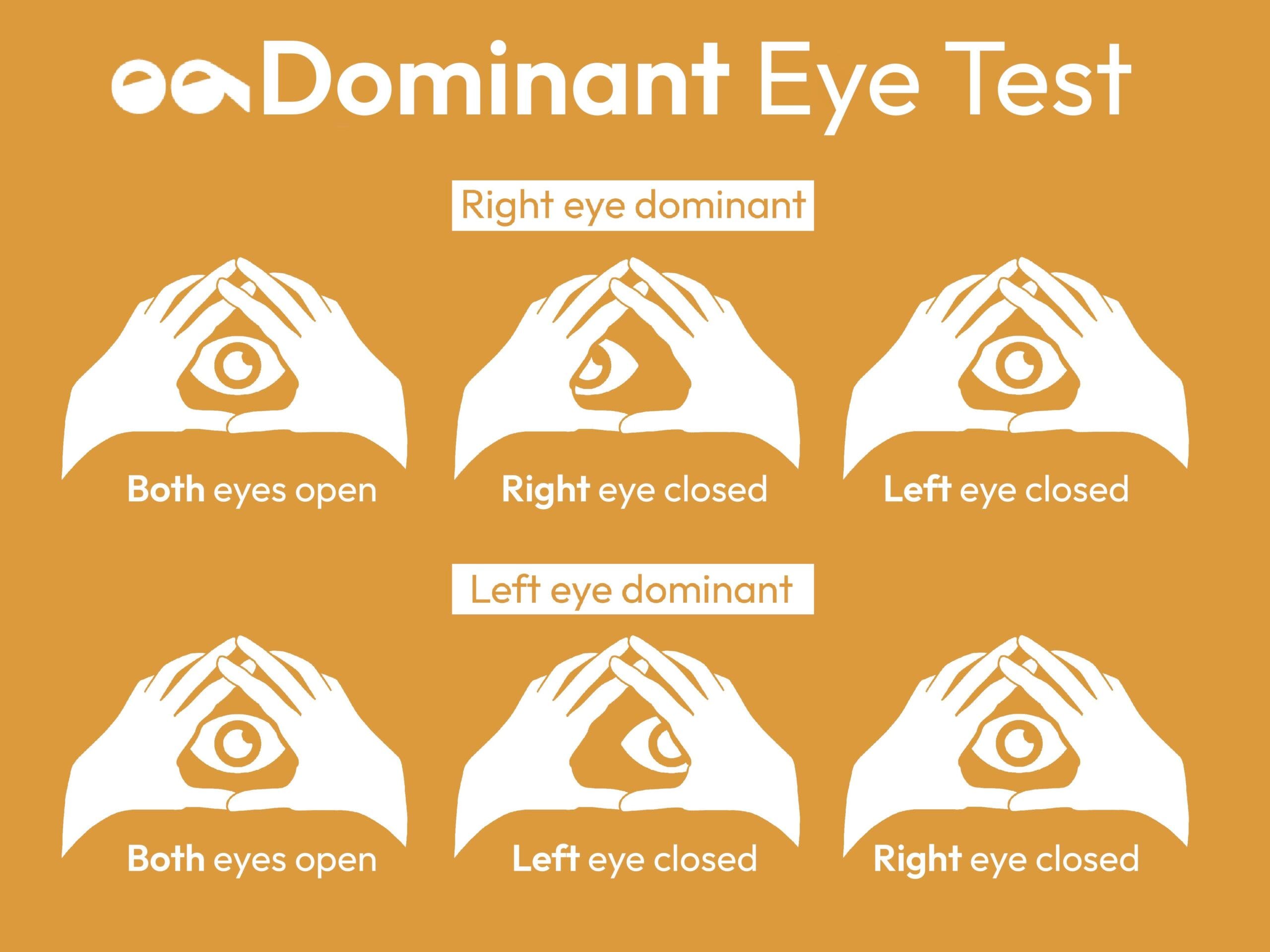
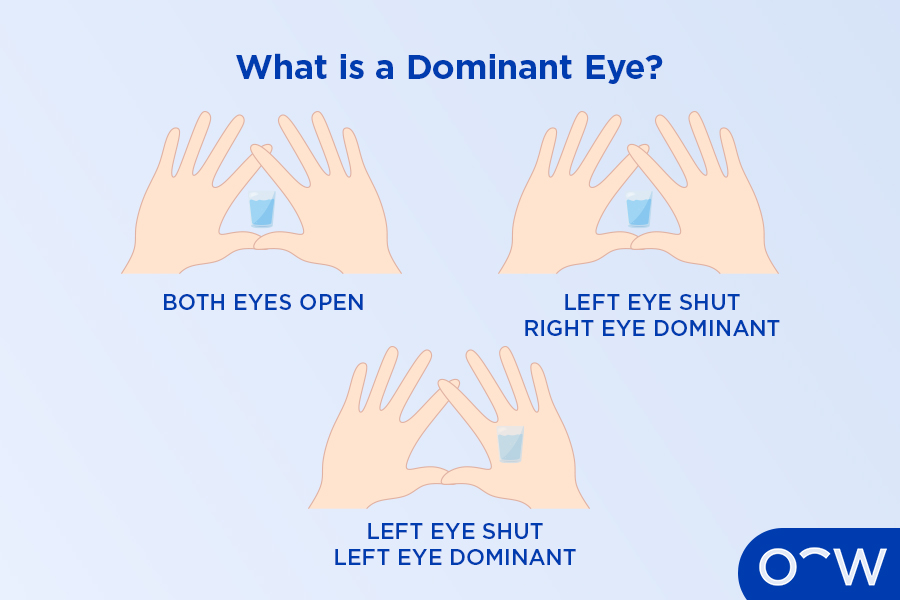
The “Screen Frame” Test: Stand an arm’s length from a monitor or television screen. Form a triangle with your thumbs and forefingers, and center an object on the screen within this triangle while keeping both eyes open. Slowly close your left eye, then open it and close your right eye. The eye that keeps the object centered in the triangle without it appearing to “jump” significantly is your dominant eye. The digital screen provides a stable, easily identifiable target.
-
Camera Viewfinder Test: If you have a digital camera with an optical or electronic viewfinder, use it to aim at a distant object. The eye you instinctively use to look through the viewfinder is generally your sighting dominant eye. This method directly simulates a common technological application of dominant eye preference.
Professional Assessment and Specialized Software
For applications requiring extreme precision, such as professional sports training (e.g., competitive shooting, archery), specialized ophthalmological software and equipment are employed. These tools can go beyond simple sighting dominance to measure sensory dominance, eye alignment, and visual processing speed with far greater accuracy. Optometrists and vision specialists utilize advanced diagnostic software integrated with calibrated hardware to provide comprehensive assessments, which can then inform tailored tech setups or training regimens. While less accessible for the average user, these professional tools highlight the depth to which tech is integrated into understanding and leveraging ocular dominance.
The Future Landscape: Dominant Eye Integration in Emerging Tech
As technology continues its rapid evolution, the understanding and integration of ocular dominance are set to become even more sophisticated and pervasive, leading to hyper-personalized and intuitively adaptive digital experiences.
Personalized Computing and Adaptive Displays
Imagine a future where your devices don’t just recognize your face, but also understand your ocular preference, adapting their output in real-time.
-
Dynamic UI Adjustments: Future operating systems or applications could potentially detect your dominant eye through built-in eye-tracking sensors (already present in some high-end laptops or monitors) and automatically shift critical notifications, menu bars, or focus points to align with your natural visual bias. This would create a truly seamless and fatigue-reducing interaction, making computing feel more like an extension of your own mind.
-
Optimal Display Rendering: For tasks requiring high visual fidelity, such as design work or video editing, displays could intelligently render higher resolution or refresh rates to the dominant eye’s input, optimizing visual quality while potentially conserving power or processing resources for the non-dominant eye.
Smart Optics and Wearable Technologies
Wearable tech, particularly smart glasses and advanced contact lenses, stands to revolutionize how ocular dominance is leveraged.
-
Contextual Information Overlay: Smart glasses could dynamically adjust the position and transparency of information overlays (e.g., navigation directions, incoming messages) based on the wearer’s dominant eye, ensuring information is always presented optimally without obscuring vital real-world views.
-
Augmented Vision for Specific Tasks: For professionals in fields like medicine or engineering, smart optics could provide augmented views that are specifically tailored to enhance details for their dominant eye, while providing a broader contextual view to the non-dominant eye. This could be critical for precision tasks, surgical procedures, or intricate assembly.
-
Health and Performance Monitoring: Future smart contact lenses or embedded eye-tracking in wearables could not only identify ocular dominance but also monitor eye fatigue, focus consistency, and even subtle shifts in visual preference, providing personalized feedback to enhance performance or alert users to potential health issues related to vision or cognition.
In conclusion, “how to tell what eye is dominant” is more than just a simple physiological question; it’s a gateway to unlocking a deeper, more intuitive, and highly personalized relationship with technology. From enhancing the realism of virtual worlds to refining the precision of human-computer interaction, the understanding and application of ocular dominance are poised to play an increasingly central role in shaping the future of our digital experiences. For tech innovators and users alike, recognizing and leveraging this fundamental visual preference will be key to navigating and excelling in the ever-evolving digital landscape.
aViewFromTheCave is a participant in the Amazon Services LLC Associates Program, an affiliate advertising program designed to provide a means for sites to earn advertising fees by advertising and linking to Amazon.com. Amazon, the Amazon logo, AmazonSupply, and the AmazonSupply logo are trademarks of Amazon.com, Inc. or its affiliates. As an Amazon Associate we earn affiliate commissions from qualifying purchases.