
Navigating the landscape of higher education financing is one of the most significant financial decisions a student or parent will ever make. Unlike private personal loans or revolving credit, federal student loans are designed with unique protections, standardized interest rates, and flexible repayment terms that make them the primary vehicle for funding a degree in the United States. However, the process of securing these funds requires a methodical approach, a clear understanding of federal regulations, and a strategic view of long-term debt management.
Taking out federal student loans is not a singular event but a multi-step journey that begins long before the first tuition bill arrives. By understanding the nuances of the application process, the different types of aid available, and the legal obligations involved, borrowers can ensure they are maximizing their financial aid eligibility while minimizing unnecessary debt.
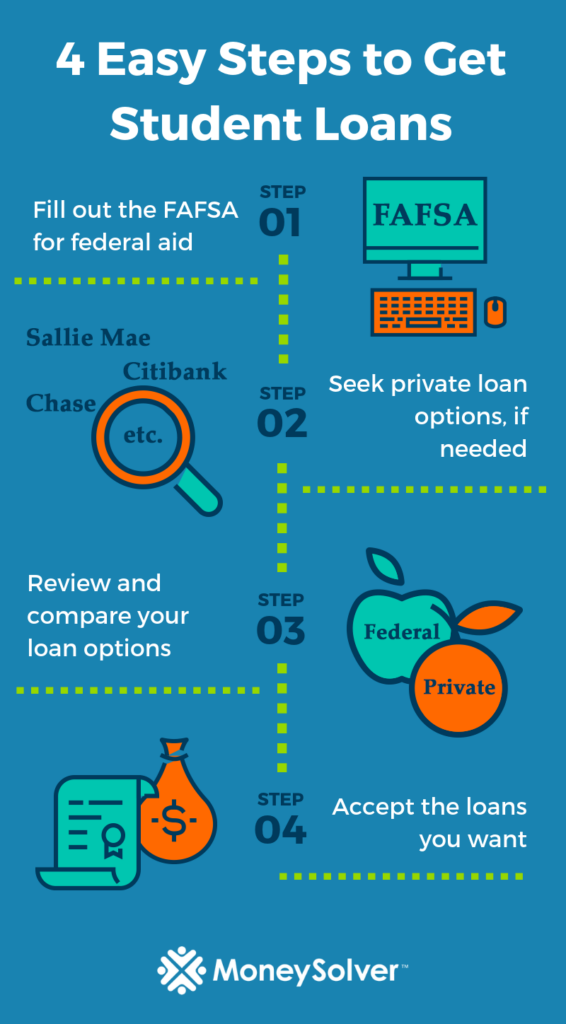
Understanding the Core Types of Federal Student Aid
Before clicking “submit” on an application, it is essential to distinguish between the various types of federal loans offered by the U.S. Department of Education. Federal loans are categorized primarily by the borrower’s financial need and their stage in the educational journey.
Direct Subsidized Loans
Direct Subsidized Loans are often considered the “gold standard” of student borrowing. These are available to undergraduate students who demonstrate financial need. The defining characteristic of a subsidized loan is that the U.S. Department of Education pays the interest while the student is in school at least half-time, during the six-month grace period after leaving school, and during periods of authorized deferment. This prevents the loan balance from growing while the student is focusing on their studies, significantly reducing the total cost of the loan over time.
Direct Unsubsidized Loans
Direct Unsubsidized Loans are available to both undergraduate and graduate students, regardless of financial need. Unlike subsidized loans, the borrower is responsible for all interest that accrues from the moment the loan is disbursed. If the interest is not paid during school, it “capitalizes,” meaning it is added to the principal balance, which then generates its own interest. While they lack the interest subsidy, these loans still offer the same federal protections and fixed interest rates as subsidized options.
Direct PLUS Loans
PLUS loans are designed for two specific groups: the parents of dependent undergraduate students (Parent PLUS) and graduate or professional students (Grad PLUS). These loans have a different structure than Direct Subsidized or Unsubsidized loans. They require a basic credit check to ensure the borrower does not have an “adverse credit history.” Furthermore, PLUS loans typically carry higher interest rates and origination fees than other federal options. They are intended to cover the remaining cost of attendance that is not met by other financial aid.
Navigating the FAFSA: Your Gateway to Federal Funding
The cornerstone of the federal student loan process is the Free Application for Federal Student Aid, commonly known as the FAFSA. This document is the universal application used by the federal government, state agencies, and individual colleges to determine a student’s eligibility for grants, work-study, and loans.
Creating an FSA ID
The first technical step is creating an FSA ID, which consists of a username and password. This serves as your legal electronic signature. Both the student and at least one parent (for dependent students) must create their own unique FSA IDs. It is critical to do this early, as it can take a few days for the Social Security Administration to verify your identity before you can fully utilize the ID to sign and submit the FAFSA.
Gathering Necessary Documentation
The FAFSA requires detailed financial information. To ensure accuracy and speed, you should have the following documents on hand:
-
Social Security numbers or Alien Registration numbers.
-
Federal income tax returns, W-2s, and other records of money earned (the FAFSA typically uses “prior-prior” year tax data).
-
Bank statements and records of investments (if applicable).
-
Records of untaxed income.
-
A list of the schools you are considering, as each school needs to receive your data to generate a financial aid package.
Submission and Deadlines
Timing is everything in personal finance. While the federal deadline for the FAFSA is often quite late in the academic cycle, many states and individual colleges have much earlier “priority deadlines.” Funds for certain types of aid are limited and are distributed on a first-come, first-served basis. Submitting the FAFSA as soon as it opens (traditionally October 1st, though this can vary during transition years of the application) ensures you are in the best position to receive the maximum amount of aid for which you qualify.
Evaluating and Accepting Your Financial Aid Package
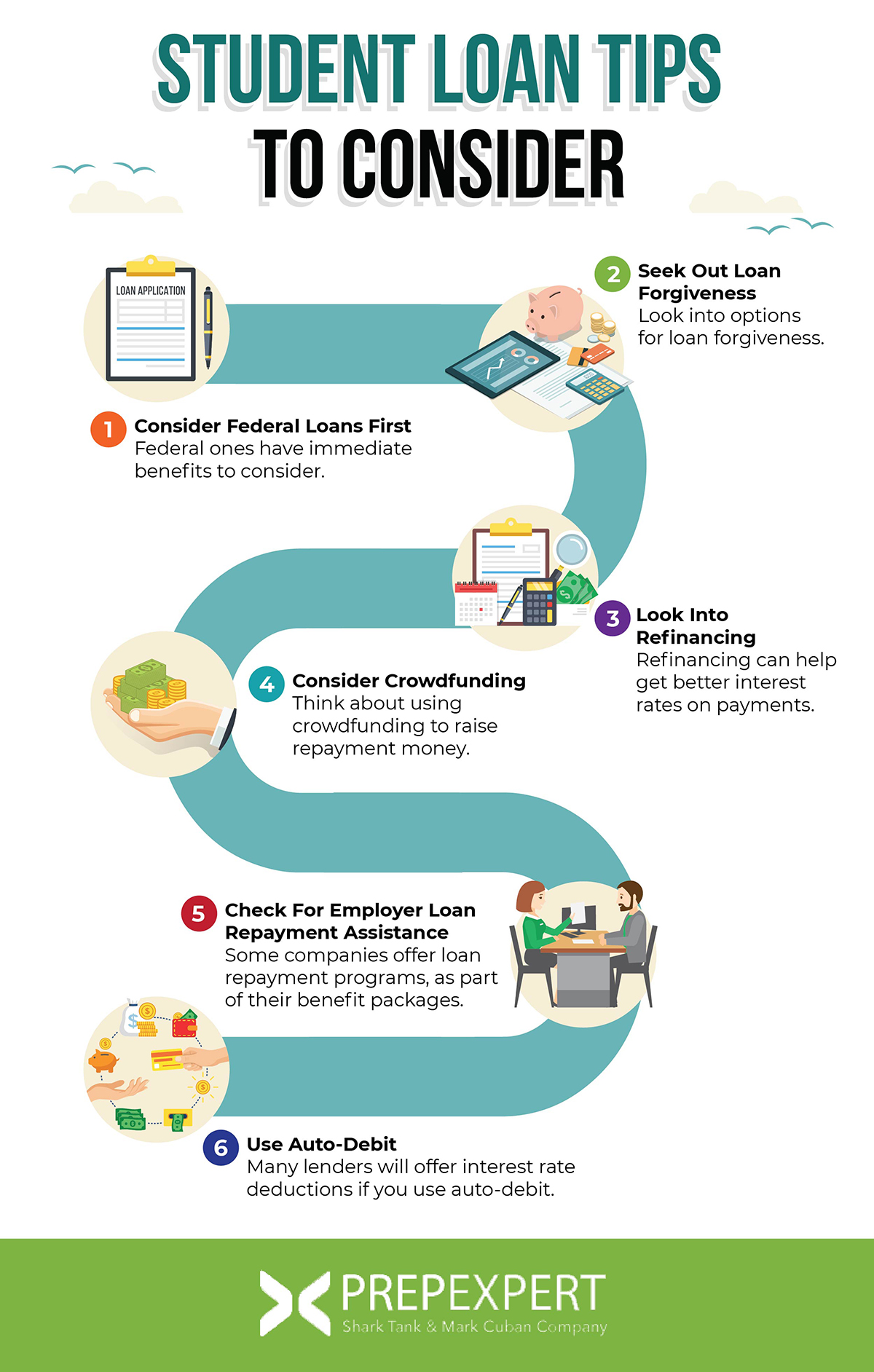
Once your FAFSA is processed, the information is sent to the schools you listed. Each school’s financial aid office will then generate a Financial Aid Award Letter. This document is a blueprint of how you will pay for that specific institution.
Analyzing the Student Aid Index (SAI)
The FAFSA calculates your Student Aid Index (SAI), a number used by colleges to determine how much financial aid you are eligible to receive. It is important to remember that the SAI is not the amount of money your family will have to pay, nor is it the amount of student aid you will receive; it is an index used to calculate your “financial need” (Cost of Attendance minus SAI).
Comparing Award Letters
Not all financial aid packages are created equal. One school might offer more grants (which do not need to be repaid), while another might rely heavily on PLUS loans. When reviewing these letters, distinguish clearly between “gift aid” (grants and scholarships) and “self-help aid” (loans and work-study).
Borrowing Only What is Necessary
Just because a school offers you a certain amount in federal loans does not mean you must accept the full amount. You have the legal right to “down-accept” or decline any portion of the loan. A prudent financial strategy is to calculate your actual expenses—tuition, books, and modest living costs—and borrow only the bare minimum required. Every dollar you decline today is a dollar (plus interest) that you won’t have to pay back from your future salary.
Finalizing the Process: The MPN and Entrance Counseling
Once you have decided which loans to accept, there are two mandatory legal and educational hurdles you must clear before the funds can be disbursed to your school.
The Master Promissory Note (MPN)
The MPN is a legal document in which you promise to repay your loan and any accrued interest and fees to the U.S. Department of Education. It also explains the terms and conditions of your loan. By signing the MPN, you are entering into a binding contract. It is vital to read this document thoroughly, as it outlines your rights as a borrower, including deferment and forbearance options, as well as the consequences of default.
Entrance Counseling
The federal government requires first-time borrowers to complete entrance counseling. This is an interactive educational session, usually completed online, designed to ensure you understand your obligation to repay the loan. It covers topics such as how interest works, how to manage your expenses during school, and the various repayment plans available after graduation. This step is designed to prevent “accidental” debt by ensuring that every borrower is financially literate regarding their specific loan terms.
Strategic Borrowing and Long-Term Management
Taking out the loan is only the beginning of the financial lifecycle of student debt. To maintain financial health, borrowers should adopt a proactive stance toward their debt even while they are still in the classroom.
Tracking Accrued Interest
For unsubsidized loans, interest begins accruing immediately. If your budget allows, making small, interest-only payments while in school can prevent the “ballooning” effect of capitalization. Even a payment of $20 or $50 a month can significantly reduce the total amount you will owe upon graduation.
Understanding the Grace Period
Most federal student loans offer a six-month grace period after you graduate, leave school, or drop below half-time enrollment. This period is intended to give you time to find employment and settle your finances before repayment begins. However, it is not a “free” period for unsubsidized loans; interest continues to accumulate. Using this time to research repayment plans—such as the Saving on a Valuable Education (SAVE) plan or other income-driven repayment options—is a hallmark of a savvy borrower.
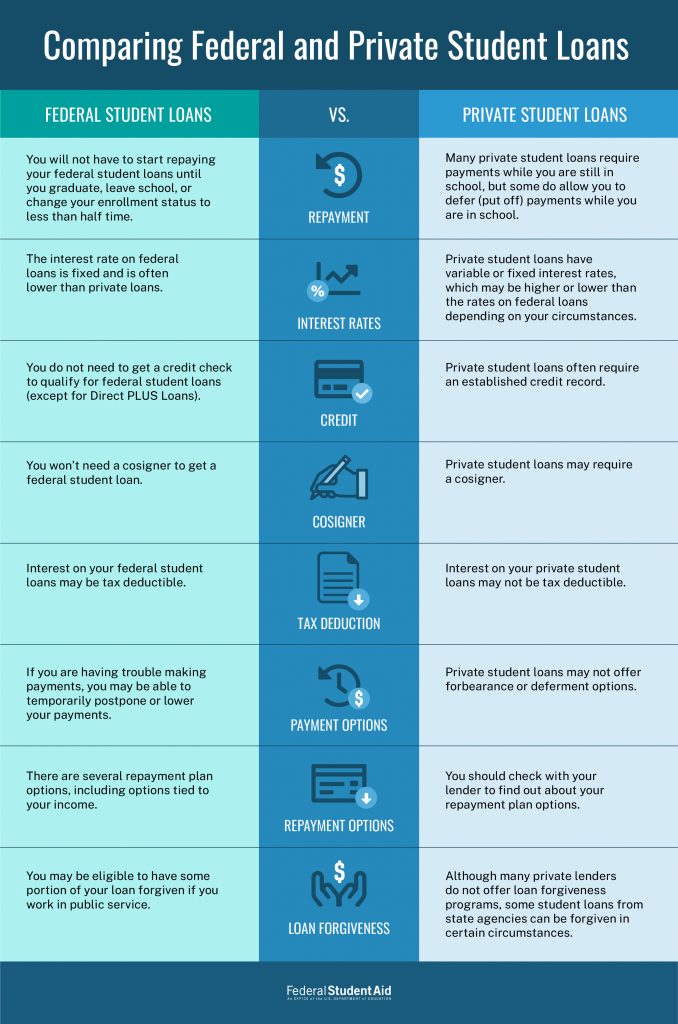
Staying Connected with Your Loan Servicer
The Department of Education uses private companies, known as loan servicers, to handle the billing and administrative tasks of your loan. Shortly after your first loan is disbursed, you will be assigned a servicer. It is your responsibility to keep your contact information updated with them. They are your primary point of contact for changing repayment plans or applying for deferment if you face financial hardship.
In conclusion, taking out federal student loans is a powerful tool for investing in your future earning potential, but it requires a disciplined approach to personal finance. By meticulously completing the FAFSA, carefully choosing which loans to accept, and understanding the legal commitments of the MPN and entrance counseling, you can secure the funding you need while laying the groundwork for a stable financial future. Responsible borrowing today ensures that the degree you earn becomes an asset rather than a lifelong financial burden.
aViewFromTheCave is a participant in the Amazon Services LLC Associates Program, an affiliate advertising program designed to provide a means for sites to earn advertising fees by advertising and linking to Amazon.com. Amazon, the Amazon logo, AmazonSupply, and the AmazonSupply logo are trademarks of Amazon.com, Inc. or its affiliates. As an Amazon Associate we earn affiliate commissions from qualifying purchases.