
In an increasingly digitized world, understanding how to access and manage financial benefits electronically is crucial for millions. The Electronic Benefits Transfer (EBT) system serves as a lifeline, providing essential support for food and, in many cases, cash assistance to families and individuals across the United States. While EBT is widely recognized for its role in facilitating food purchases via SNAP (Supplemental Nutrition Assistance Program), many beneficiaries may also be eligible for cash benefits through programs like TANF (Temporary Assistance for Needy Families). Knowing how to effectively take cash out of your EBT account is a fundamental step in managing these vital funds, empowering recipients to cover a wider range of living expenses, from utilities and transportation to personal care items. This comprehensive guide will demystify the process, navigate potential hurdles, and offer insights to help you maximize your EBT cash benefits for greater financial stability.
Understanding EBT and Cash Benefits: A Foundation for Financial Resilience
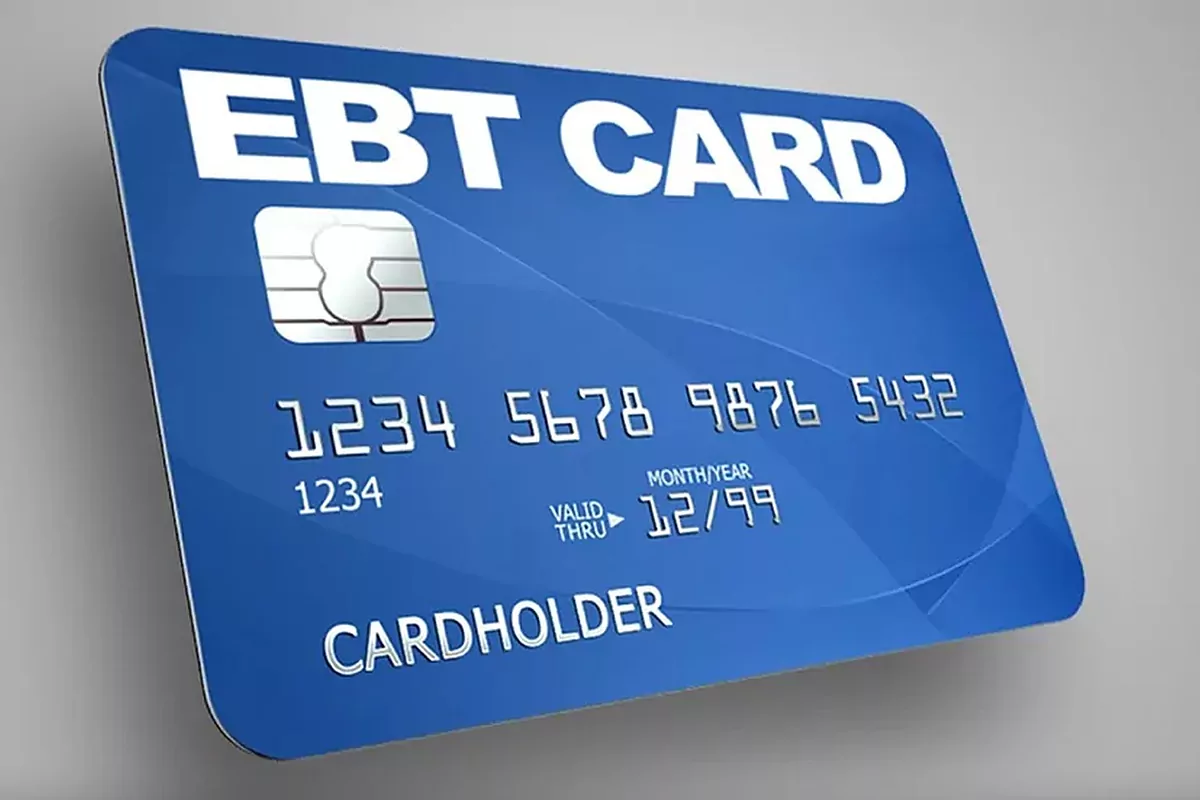
Before delving into the mechanics of cash withdrawal, it’s essential to grasp the distinct nature of EBT and the different types of benefits it delivers. EBT is an electronic system that allows state welfare departments to issue benefits via a plastic debit card, similar to a bank card. This system replaces paper food stamps and checks, offering a more secure, efficient, and discreet way to distribute aid.
What is EBT? A Unified System for Vital Support
At its core, EBT simplifies the delivery of government-issued assistance. When you receive an EBT card, it typically functions like a debit card. You load funds onto it, and these funds can then be used at authorized retailers or ATMs. Each EBT card is linked to one or more accounts, depending on the types of benefits you receive. The most common type is SNAP, which provides funds specifically for food purchases. However, many states also utilize EBT for cash assistance programs.
Differentiating Between SNAP and TANF Cash Benefits
It’s crucial to understand that not all EBT funds are alike. Your EBT card may hold two distinct types of benefits, each with its own rules and usage guidelines:
-
SNAP Benefits (Food Benefits): These funds are strictly for purchasing eligible food items at grocery stores, farmers’ markets, and other authorized food retailers. They cannot be converted into cash. Attempts to use SNAP benefits for non-food items or to obtain cash are illegal and can result in severe penalties, including loss of benefits.
-
TANF Cash Benefits (Cash Assistance): This is the type of benefit you can withdraw as cash. TANF, along with other state-specific cash assistance programs, provides eligible families with temporary financial aid to help cover essential living expenses beyond food. These funds are designed to be flexible, allowing recipients to pay for rent, utilities, clothing, transportation, and other necessities that food benefits do not cover. Not all EBT cards carry TANF benefits; eligibility for cash assistance is separate from SNAP eligibility and often has stricter requirements based on income, family composition, and work participation.
Knowing whether your EBT card holds cash benefits is the first step. You can usually check your balance online through your state’s EBT portal, via a toll-free customer service number, or by checking a receipt after a transaction. The balance will typically show separate amounts for food benefits and cash benefits.
Eligibility for Cash Assistance
Eligibility for cash assistance varies significantly by state and program. Generally, these programs are designed for low-income families with children, pregnant women, or individuals experiencing specific hardships. Factors considered often include:
-
Income Limits: Your household income must fall below a certain threshold.
-
Resource Limits: The value of your assets (e.g., bank accounts, vehicles) might be subject to limits.
-
Family Composition: Programs like TANF primarily target families with dependent children.
-
Work Requirements: Many cash assistance programs require recipients to participate in work activities or job training programs.
If you are unsure whether you are eligible for cash benefits or how to apply, contact your state’s social services or welfare department. They can provide detailed information on available programs and guide you through the application process.
Methods for Accessing EBT Cash Benefits: Your Direct Link to Funds
Once you’ve confirmed that you have cash benefits on your EBT card, accessing them is straightforward, much like using a standard debit card. The primary methods involve ATMs and point-of-sale (POS) terminals that offer cash back.
ATM Withdrawals: Your Direct Cash Link
The most direct way to get cash from your EBT card is by using an Automated Teller Machine (ATM). This method offers convenience and 24/7 access to your funds.
-
How it Works: Insert your EBT card into an ATM, select “Withdrawal” or “Cash Withdrawal,” and enter your Personal Identification Number (PIN). You’ll then specify the amount you wish to withdraw.
-
Locating EBT-Friendly ATMs: Most ATMs that display the Quest® logo, or network logos like Visa®, MasterCard®, or Plus®, should accept EBT cash withdrawals. However, it’s always wise to check with your state’s EBT customer service or website for a list of participating ATM networks. Many EBT cards are linked to specific networks that may offer surcharge-free withdrawals.
-
Important Considerations:
-
Fees: Be aware that many ATMs, particularly those not specifically designated as “EBT-friendly” by your state, may charge a transaction fee or “surcharge” for withdrawals. These fees can quickly erode your benefits.
-
Withdrawal Limits: EBT cash withdrawals are subject to daily limits, which vary by state and sometimes by the ATM owner. Always check your state’s specific limits to avoid issues.
-
PIN Security: Always shield your PIN when entering it and be mindful of your surroundings for security.
-
Point-of-Sale (POS) Transactions with Cash Back
Another common and often more cost-effective method is to get cash back at a participating retailer’s point-of-sale terminal.
-
How it Works: When making a purchase (or sometimes even without a purchase, depending on the retailer and state rules) at a grocery store, convenience store, or other authorized retailer, you can ask for cash back. Swipe your EBT card, enter your PIN, and specify the amount of cash you want in addition to your purchase total. The cash will be deducted from your cash benefits account.
-
Identifying Participating Retailers: Look for stores that display the Quest® logo or indicate that they accept EBT cards. Many major grocery chains and department stores offer this service. It’s always best to ask the cashier if they provide EBT cash back before you start your transaction.
-
Advantages of POS Cash Back:
-
Reduced Fees: Many retailers offer EBT cash back without an additional fee, making it a more economical option than ATM withdrawals with surcharges.
-
Convenience: You can combine your shopping with cash withdrawal, saving you a separate trip to an ATM.
-
-
Important Considerations:
-
Purchase Requirement: Some stores require you to make a purchase to receive cash back, while others may allow cash-only transactions for a small fee.
-
Retailer Limits: Retailers often have their own limits on the amount of cash back they can provide per transaction, which may be lower than ATM limits.
-
Retailer-Specific Programs and Customer Service Desks
In some areas, certain retailers might have specific programs or offer cash access directly from their customer service desks. These options are less common but worth inquiring about if ATMs or standard POS cash back are not readily available or come with high fees. Always check with your local state EBT agency or the retailer directly for information on such specialized services.
What to Do If Your Card is Lost or Stolen
Losing your EBT card can be stressful, but it’s important to act quickly. Report a lost or stolen card immediately to your state’s EBT customer service hotline. The number is usually on the back of your card or can be found on your state’s EBT website. Reporting it promptly helps protect your benefits from unauthorized use and allows you to request a replacement card. Until a replacement is issued, you will not be able to access your funds.
Navigating EBT Cash Withdrawal Limits and Fees: Maximizing Your Dollars
Understanding the financial landscape surrounding EBT cash withdrawals is paramount to making your benefits stretch further. Unawareness of limits and fees can lead to unexpected costs and restrict your access to needed funds.
State-Specific Regulations and Daily Limits

Every state has its own set of rules governing EBT cash benefits, including daily withdrawal limits. These limits are designed to prevent fraud and ensure benefits are used responsibly, but they can vary significantly.
-
Typical Limits: Daily ATM withdrawal limits might range from $100 to $500, though some states or ATM operators may impose lower or higher thresholds.
-
Transaction Limits: Besides daily limits, there might also be limits on the number of transactions you can make per day or the maximum amount you can withdraw in a single transaction.
-
Checking Your State’s Rules: It is imperative to check your specific state’s EBT program website or call the customer service number listed on your card for the most accurate and up-to-date information on withdrawal limits and any other specific regulations. Misinformation can lead to denied transactions or unnecessary trips.
Avoiding ATM Surcharges: Fee-Free Networks
One of the biggest concerns with ATM withdrawals is the potential for fees. ATM surcharges, typically ranging from $2 to $3 (or more), are charged by the ATM owner and can quickly deplete your cash benefits.
-
Identify Surcharge-Free Networks: Many states partner with specific ATM networks to offer surcharge-free EBT cash withdrawals. Look for logos like Quest®, Allpoint, or others specified by your state. Your state’s EBT website or customer service line can provide a list or locator for participating fee-free ATMs.
-
Credit Unions and Bank Branches: Some credit unions and smaller banks may not charge fees for EBT withdrawals, especially if they are part of a larger network that includes EBT. Inquire at the branch.
-
Prioritize POS Cash Back: As mentioned, getting cash back at a participating retail store during a purchase is often a fee-free option and should be your first choice if available.
Understanding Transaction Fees at POS
While generally less common than ATM surcharges, some retailers may impose a small fee for EBT cash back transactions, especially if you are not making an accompanying purchase. Always confirm with the cashier before completing the transaction if any fees will apply. Most reputable retailers offering EBT cash back do so without additional charges, viewing it as a customer service.
Maximizing Your EBT Cash Benefits and Financial Wellness
Accessing your EBT cash is just one piece of the puzzle; effectively managing these funds is crucial for long-term financial stability. These benefits are a stepping stone, and thoughtful planning can help you make the most of them.
Budgeting Your EBT Cash Effectively
Creating and sticking to a budget is perhaps the most impactful step in maximizing your EBT cash.
-
Track Income and Expenses: Know exactly how much cash benefits you receive and when. Then, list all your essential monthly expenses: rent, utilities, transportation, personal care, medicine, etc.
-
Prioritize Needs: Allocate your EBT cash to your most critical needs first. If your cash benefits don’t cover everything, identify areas where you might need to seek additional assistance or adjust spending.
-
Envelope System: For those who struggle with digital budgeting, a physical envelope system can be helpful. Label envelopes for different spending categories (e.g., “Transportation,” “Laundry,” “Toiletries”) and put the allocated cash into them. Once an envelope is empty, spending in that category stops until your next benefit deposit.
Integrating EBT Cash into a Broader Financial Plan
EBT cash benefits, while temporary, can be integrated into a larger strategy for financial improvement.
-
Emergency Savings (Even Small Amounts): If possible, try to set aside a very small portion of your cash benefits into an emergency fund. Even $5 or $10 a month can add up over time and provide a crucial buffer against unexpected expenses.
-
Debt Reduction (Strategic): If you have high-interest debt, consider if a portion of your cash benefits can be strategically applied to reduce it, saving you money on interest in the long run. Prioritize debts with the highest interest rates.
-
Investing in Skills/Education: Sometimes, cash benefits can cover costs associated with skill development or job training (e.g., bus fare, basic supplies), which can lead to better employment opportunities and increased income in the future.
Resources for Financial Education and Support
Many organizations offer free or low-cost financial literacy programs that can teach you how to budget, save, manage debt, and plan for your future.
-
Non-Profit Credit Counseling Agencies: Organizations like the National Foundation for Credit Counseling (NFCC) offer free initial consultations and a range of educational resources.
-
Local Community Centers: Many community centers, churches, and social service agencies offer workshops on personal finance.
-
Online Resources: Websites like Consumer Financial Protection Bureau (CFPB) and MyMoney.gov provide valuable, free information and tools for financial planning.
Common Pitfalls and Best Practices for EBT Cash Use
While EBT cash benefits offer crucial support, navigating the system wisely requires vigilance and adherence to best practices to protect your funds and ensure compliance.
Security Precautions: Protecting Your PIN and Card
Your EBT card and PIN are your gateway to your benefits. Protecting them is paramount.
-
Keep Your PIN Private: Never share your PIN with anyone, including friends, family members, or anyone claiming to be from a government agency. EBT staff will never ask for your PIN.
-
Memorize Your PIN: Avoid writing your PIN down or storing it with your card.
-
Change Your PIN Regularly: Consider changing your PIN periodically, especially if you suspect it might have been compromised.
-
Inspect ATMs/POS Terminals: Before using an ATM or POS terminal, quickly check for any unusual attachments or signs of tampering (e.g., “skimmers” over the card slot or tiny cameras near the PIN pad). If something looks suspicious, do not use the machine and report it.
-
Monitor Your Balance and Transactions: Regularly check your EBT balance and transaction history online or via phone. Report any unauthorized transactions immediately to your state’s EBT customer service.
Avoiding Scams and Misinformation
Unfortunately, benefit recipients are often targets for scams. Be skeptical of anything that seems too good to be true or requires you to share personal information.
-
Official Communication Only: Government agencies will typically communicate with you through official mail, your online EBT portal, or recognized phone numbers. Be wary of unsolicited emails, texts, or calls asking for your EBT card number, PIN, or other sensitive information.
-
No “Free Money” or “Instant Upgrades”: Be extremely cautious of offers promising extra benefits, free money, or “upgrades” to your EBT card in exchange for your card details or a fee. These are almost always scams.
-
Report Suspicious Activity: If you encounter a scam or receive suspicious communication, report it to your state’s EBT agency or local law enforcement.

The Importance of Record Keeping
Maintaining good records of your EBT transactions can be invaluable for dispute resolution and financial planning.
-
Keep Receipts: Whenever you use your EBT card, whether for a purchase or a cash withdrawal, keep the receipt. These receipts serve as proof of your transactions.
-
Regular Balance Checks: Check your balance frequently to ensure that all transactions are legitimate and that you have an accurate understanding of your remaining funds.
-
Understand Your Statements: If your state provides monthly statements, review them carefully for any discrepancies.
Taking cash out of EBT is a vital mechanism for many individuals and families to meet their basic needs. By understanding the types of benefits, knowing your withdrawal options, being mindful of limits and fees, and adopting sound financial practices, you can confidently navigate the EBT system. Remember, these benefits are a tool to provide temporary support, and by managing them wisely, you can move closer to greater financial independence and stability.
aViewFromTheCave is a participant in the Amazon Services LLC Associates Program, an affiliate advertising program designed to provide a means for sites to earn advertising fees by advertising and linking to Amazon.com. Amazon, the Amazon logo, AmazonSupply, and the AmazonSupply logo are trademarks of Amazon.com, Inc. or its affiliates. As an Amazon Associate we earn affiliate commissions from qualifying purchases.