
In the landscape of personal finance, few assets demand as much regular attention and strategic financial planning as one’s vehicle. Far more than just a means of transport, a car represents a significant investment, often second only to a home in value. Consequently, “taking care of your car” transcends basic mechanical upkeep; it becomes a critical exercise in financial stewardship. Proactive and intelligent car care isn’t merely about preserving performance or aesthetics; it’s fundamentally about safeguarding your financial health, optimizing expenses, and maximizing the longevity and resale value of a major asset. This guide will delve into the financial dimensions of car care, offering insights into how meticulous maintenance, shrewd budgeting, and informed decision-making can translate directly into substantial monetary savings and enhanced long-term value.
The Financial Imperative of Proactive Car Maintenance
Neglecting your vehicle might seem like a way to save money in the short term, but it almost invariably leads to far greater expenses down the line. Proactive maintenance is not just about keeping the engine running; it’s a strategic financial maneuver that protects your investment, prevents costly breakdowns, and ensures operational efficiency, directly impacting your wallet.
Protecting Your Investment: Depreciation and Resale Value
A car begins to depreciate the moment it leaves the dealership lot. While some depreciation is inevitable, diligent maintenance can significantly mitigate its impact, particularly concerning resale value. A well-maintained vehicle with a complete service history is inherently more attractive to potential buyers and commands a higher price than one with visible signs of neglect or an incomplete maintenance record. Regular oil changes, tire rotations, fluid checks, and timely part replacements preserve the car’s mechanical integrity and cosmetic appeal. Think of every service appointment as an investment in your car’s future value. A car that is routinely serviced by a reputable mechanic, with records to prove it, signals to future buyers that they are acquiring a reliable asset, justifying a higher price point. This financial prudence ensures that when it’s time to upgrade or sell, you recoup a larger portion of your initial outlay.
Avoiding Costly Catastrophes: The Price of Neglect
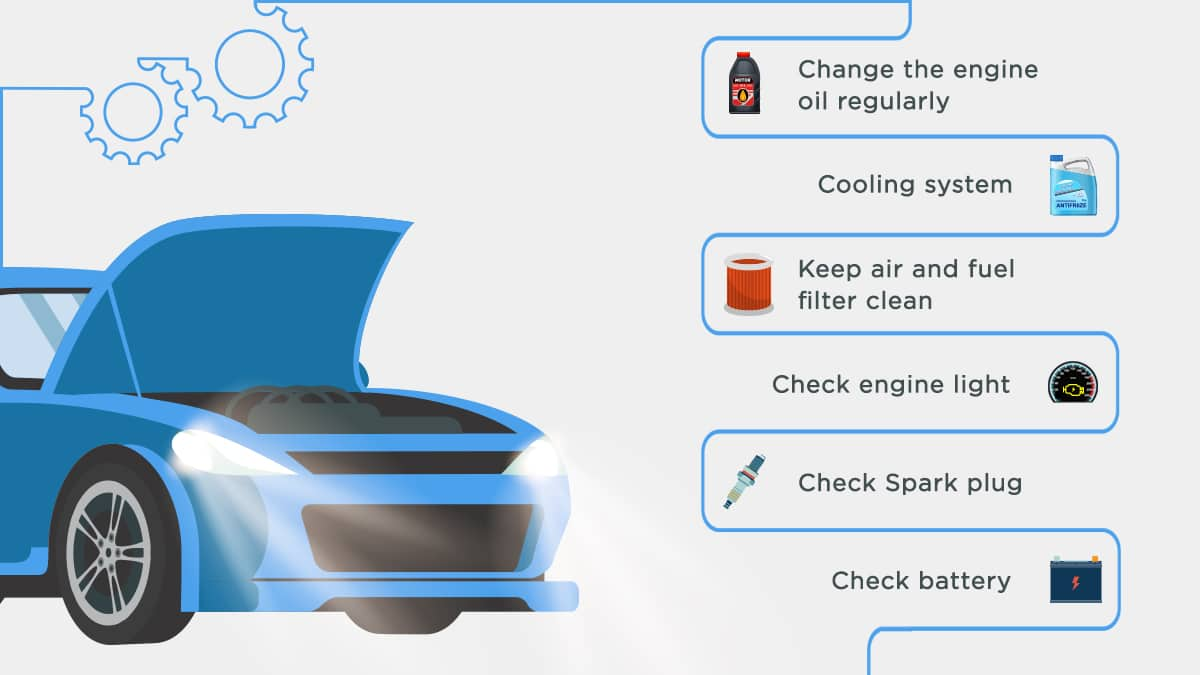
One of the most compelling financial arguments for proactive care is the prevention of major, unforeseen repair bills. A minor issue, left unaddressed, can rapidly escalate into a catastrophic failure. For instance, a small oil leak ignored could lead to engine seizure, an expense easily running into thousands of dollars for repair or replacement. Similarly, worn brake pads not replaced in time can damage rotors, doubling or tripling the repair cost. Regular inspections catch these nascent problems when they are still minor and inexpensive to fix. Preventative maintenance—such as timely fluid flushes, belt replacements, and spark plug changes—ensures that critical systems continue to function optimally, drastically reducing the likelihood of sudden, budget-wrecking breakdowns. The financial shock of an unexpected major repair can derail personal budgets, force reliance on credit cards, or even necessitate taking out high-interest loans, all of which represent a significant financial setback.
Optimizing Fuel Efficiency: Saving at the Pump
Fuel costs are a persistent and often significant expense for car owners. Proactive maintenance plays a crucial role in optimizing fuel efficiency, leading to tangible savings at the pump. Simple acts like maintaining proper tire pressure can improve fuel economy by up to 3%. A clogged air filter restricts airflow to the engine, forcing it to work harder and consume more fuel. Worn spark plugs, dirty fuel injectors, and neglected engine tune-ups all contribute to reduced fuel efficiency. Regular engine diagnostics can identify issues that negatively impact fuel consumption, allowing for adjustments or repairs that restore optimal performance. Over the lifespan of a vehicle, these seemingly small improvements in fuel economy accumulate into substantial financial savings, making diligent maintenance a direct contributor to your monthly budget surplus.
Smart Strategies for Budgeting Car Care
Effective car care isn’t just about knowing what needs to be done; it’s about financially planning for it. Incorporating car maintenance into your overall personal finance strategy ensures that funds are always available when needed, preventing financial stress and enabling consistent care.
Creating a Dedicated Car Maintenance Fund
One of the most effective ways to manage car care expenses is to establish a dedicated savings fund specifically for your vehicle. Rather than waiting for a repair bill to materialize, treat car maintenance as a regular, anticipated expense, similar to a utility bill. Research suggests that car owners should budget approximately $500-$1000 per year for routine maintenance and minor repairs, though this can vary by vehicle type, age, and mileage. By setting aside a fixed amount each month (e.g., $50-$80) into a separate, easily accessible savings account, you build a financial cushion that can absorb the cost of oil changes, tire rotations, brake jobs, and even unexpected repairs without dipping into your emergency fund or going into debt. This proactive budgeting strategy transforms potential financial shocks into manageable, pre-funded expenditures.
Prioritizing Essential vs. Cosmetic Repairs
Not all car repairs are created equal, particularly from a financial perspective. When budgeting and making decisions, it’s crucial to differentiate between essential repairs that impact safety, performance, and the car’s structural integrity, and cosmetic repairs that primarily affect aesthetics. Issues like brake wear, steering problems, engine warning lights, and tire defects are safety-critical and demand immediate attention. Delaying these can lead to accidents, further damage, or legal complications. Conversely, minor scratches, dents, or tears in upholstery, while visually unappealing, typically don’t compromise the car’s functionality or safety. While addressing cosmetic issues can enhance resale value, they can often be postponed or budgeted for separately. Prioritizing allows you to allocate your financial resources wisely, ensuring critical needs are met first, and preventing financial strain on non-essential fixes.
Leveraging DIY for Minor Maintenance Savings
For those with a basic aptitude for mechanics and a willingness to learn, performing minor maintenance tasks yourself can result in significant financial savings. Basic tasks like checking fluid levels, topping up windshield wiper fluid, replacing air filters, changing wiper blades, or even performing your own oil changes (if you have the tools and space) can save you labor costs that would otherwise be incurred at a service center. Many online tutorials and car manuals provide step-by-step instructions. However, it’s vital to be realistic about your capabilities. Attempting complex repairs without proper knowledge or tools can lead to further damage, negating any potential savings and potentially creating new, expensive problems. Stick to tasks you’re comfortable with, and always follow safety guidelines. This approach allows you to save money on simple tasks, freeing up your car care budget for more complex issues that require professional expertise.
Navigating Repair Decisions: DIY vs. Professional vs. Insurance
When faced with a repair, deciding on the best course of action—doing it yourself, hiring a professional, or involving insurance—is a financial decision loaded with implications. Each path has its own set of costs, risks, and benefits that must be carefully weighed.
Assessing Your Skill Level and Tool Investment for DIY

The allure of DIY repairs is the potential to save on labor costs. However, a realistic self-assessment of your mechanical skills and the necessary tool investment is paramount. For simple tasks, a basic toolkit might suffice. For more complex repairs, specialized tools can be expensive, and if you only use them once, the cost of the tools might outweigh the labor savings. Furthermore, incorrect diagnosis or improper installation can lead to more severe damage, rendering the DIY effort financially counterproductive. Consider the time investment as well; your time has value. DIY is a financially sound option when you possess the requisite skills, have access to the right tools, and the repair is within your comfort zone, ultimately reducing the overall cost of maintenance.
When to Trust the Experts: Evaluating Mechanics and Services
For complex repairs involving critical systems (engine, transmission, braking, advanced electronics), professional expertise is almost always the financially safer choice. A certified mechanic brings specialized training, diagnostic tools, and experience that minimize the risk of errors and ensure the repair is done correctly the first time. The financial decision then shifts to selecting the right professional. Seek out reputable shops with transparent pricing, positive reviews, and certified technicians. Get multiple quotes for significant repairs and ask for a detailed breakdown of parts and labor. While professional service incurs labor costs, it offers peace of mind, often comes with warranties on parts and labor, and prevents potential future issues caused by amateur repairs, which can ultimately save you money by avoiding repeat work.
Understanding Your Insurance Coverage and Deductibles
For accidents, damage caused by natural events, or certain mechanical failures (if you have an extended warranty), your car insurance or warranty might cover a significant portion of the repair cost. Understanding your policy – specifically your deductible for collision and comprehensive coverage – is crucial. A deductible is the amount you pay out-of-pocket before your insurance kicks in. For minor damage, paying out of pocket might be more financially prudent than filing a claim, as claims can potentially lead to increased premiums. However, for major damage, filing a claim is almost always the financially sensible option. Familiarize yourself with what your policy covers, the claim process, and how deductibles work to make informed financial decisions when incidents occur, ensuring you maximize your policy’s benefits while minimizing long-term costs.
Long-Term Financial Planning for Your Vehicle
Owning a car is a long-term financial commitment. Strategic planning goes beyond immediate maintenance, encompassing the entire lifecycle of the vehicle, from initial purchase to eventual replacement.
Calculating the Total Cost of Ownership (TCO)
The purchase price of a car is just the beginning of its financial story. The Total Cost of Ownership (TCO) provides a comprehensive financial picture, including depreciation, fuel, insurance, maintenance, repairs, taxes, and financing costs. When “taking care of your car,” a clear understanding of its TCO helps you make informed decisions throughout its lifespan. For instance, a vehicle with lower upfront costs might have higher maintenance demands or poorer fuel economy, resulting in a higher TCO over five years. Tools and online calculators can help you estimate TCO for various models, guiding both purchase decisions and ongoing financial planning for your current vehicle. By factoring in all these elements, you gain a realistic perspective on the true financial burden and benefits of car ownership, enabling smarter long-term financial choices.
The Art of Staggered Maintenance: Spreading Out Expenses
Major maintenance tasks, such as timing belt replacements, transmission services, or significant brake overhauls, can be expensive. Instead of facing a huge bill all at once, “staggered maintenance” involves planning and scheduling these larger expenses over time. For example, if your car’s service manual recommends a major service at 60,000 miles that includes several costly items, you might address one or two items a few months before the mileage benchmark, then the others closer to the due date. This approach helps distribute the financial impact of large services, making them more manageable within your monthly budget. By consulting your vehicle’s maintenance schedule and your mechanic, you can strategically space out these necessary, but costly, services. This strategy works particularly well when combined with a dedicated car maintenance fund, ensuring that funds are available for each staggered expense.
When to Upgrade: Deciding Between Repairing or Replacing
A critical financial decision for any long-term car owner is knowing when to stop pouring money into an aging vehicle and instead invest in a newer one. This “repair vs. replace” dilemma is fundamentally a financial calculation. A common rule of thumb suggests that if the cost of a repair exceeds half the car’s current market value, or if you anticipate needing multiple expensive repairs in the near future that cumulatively reach that threshold, it might be more financially prudent to replace the vehicle. Consider the remaining lifespan of the car, its reliability, and the potential future costs of ownership. Factor in depreciation, interest on a new loan, and potential savings on fuel and maintenance with a newer, more efficient car. Sometimes, investing in a reliable new or newer used car can ultimately be more financially beneficial than continually patching up an old one, especially if the old car is becoming a “money pit” with recurrent, expensive breakdowns.
Leveraging Financial Tools and Resources for Car Care
In the digital age, a multitude of tools and resources exist to help car owners manage their vehicle finances more effectively. Utilizing these can streamline budgeting, track expenses, and identify cost-saving opportunities.
Utilizing Budgeting Apps for Tracking Car Expenses
Modern budgeting apps (e.g., Mint, YNAB, Personal Capital, or dedicated car expense trackers) offer powerful features to monitor and manage all aspects of your car-related finances. You can categorize expenses like fuel, insurance, maintenance, repairs, and loan payments, providing a clear overview of how much your car truly costs you each month or year. Many apps allow you to set budgets for each category and send alerts if you’re approaching or exceeding them. This granular tracking reveals spending patterns, identifies areas where you might be overspending, and ensures that your dedicated car maintenance fund is being appropriately utilized. By consistently tracking these expenses, you gain invaluable insights into your vehicle’s financial footprint, empowering you to make data-driven decisions about its care.
Exploring Warranties and Service Plans
When purchasing a vehicle, particularly a new one, consider the financial implications of extended warranties or service plans. While these come with an upfront cost, they can offer significant financial protection against unexpected mechanical failures once the factory warranty expires. Carefully review the terms and conditions, understanding what is covered, deductibles, and the duration. For used cars, a certified pre-owned (CPO) warranty can provide similar peace of mind. While not always a universally beneficial investment for everyone, for certain vehicles or individuals who prefer predictable costs and protection against major unforeseen repairs, the right warranty or service plan can be a financially savvy decision, especially if the potential cost of a covered repair far outweighs the plan’s premium.

Finding Reputable and Affordable Parts Suppliers
Whether you’re doing DIY repairs or overseeing a mechanic’s work, the cost of parts can significantly impact your overall car care expenses. Shopping around for reputable and affordable parts suppliers can lead to substantial savings. Online retailers, local auto parts stores, and even salvage yards for certain non-critical components can offer alternatives to dealership prices. Be mindful of quality: opting for cheap, low-quality parts to save money might lead to premature failure and additional repair costs in the long run. Research OEM (Original Equipment Manufacturer) vs. aftermarket parts, understanding the balance between cost and quality. Building a relationship with a trusted parts supplier or knowing where to find the best deals for quality components is a financial skill that contributes to more economical car care.
In conclusion, taking care of your car is an ongoing journey that requires both mechanical diligence and astute financial planning. By adopting a proactive mindset, budgeting strategically, making informed repair decisions, and leveraging available financial tools, you transform car care from a potential financial drain into a powerful mechanism for wealth preservation and optimization. Every oil change, tire rotation, and planned repair is not merely about extending your car’s life; it’s about making a prudent investment that safeguards your personal finances, protects your asset’s value, and ensures a smoother, more predictable financial road ahead.
aViewFromTheCave is a participant in the Amazon Services LLC Associates Program, an affiliate advertising program designed to provide a means for sites to earn advertising fees by advertising and linking to Amazon.com. Amazon, the Amazon logo, AmazonSupply, and the AmazonSupply logo are trademarks of Amazon.com, Inc. or its affiliates. As an Amazon Associate we earn affiliate commissions from qualifying purchases.