
Small businesses are the lifeblood of economies worldwide, serving as engines of innovation, local employment, and community identity. Beyond the charming storefronts and personalized services, they represent a critical economic infrastructure, contributing significantly to GDP, fostering competition, and providing unique products and services that large corporations often cannot. However, small businesses frequently operate on razor-thin margins, face intense competition, and navigate complex financial landscapes. Understanding how to provide meaningful support, particularly from a financial perspective, is crucial for their survival and prosperity. This article delves into the various financial avenues through which individuals, communities, and even larger entities can bolster the resilience and growth of these vital enterprises, ensuring their continued contribution to a vibrant economic future.
The Power of Direct Financial Engagement
The most immediate and impactful way to support small businesses is through direct financial transactions. Every dollar spent at a local, independent enterprise recirculates within the community, generating a multiplier effect that strengthens the local economy, supports local jobs, and funds essential community services through taxes. This direct engagement goes beyond mere consumption; it’s a conscious investment in the economic health of your surroundings.
Prioritizing Local Purchases and Services
Consciously choosing to spend your money at small, local businesses rather than national chains or mega-online retailers is perhaps the most fundamental form of support. Whether it’s your morning coffee, a gift for a loved one, a meal out, or professional services like accounting or legal advice, opting for local keeps revenue within the community. These funds enable small business owners to pay their employees, invest in inventory, cover operational costs, and, crucially, often hire more local talent. This direct injection of capital ensures that the economic benefits ripple outward, fostering a more self-sufficient and resilient local financial ecosystem. Studies consistently show that local businesses recirculate a significantly higher percentage of revenue back into the local economy compared to their larger counterparts, making every purchase a potent act of financial support.
Participating in Loyalty Programs and Subscriptions
Beyond individual transactions, committing to ongoing financial engagement can provide small businesses with predictable revenue streams—a critical factor for stable operations and future planning. Many small businesses offer loyalty programs, discount cards, or even subscription services for regular customers. Signing up for a weekly coffee subscription from your local cafe, joining a monthly book club at an independent bookstore, or committing to a recurring service from a local provider offers them a consistent income base. This predictability can be a game-changer for small businesses, enabling them to manage cash flow more effectively, invest in improvements, and better anticipate future demand without the constant stress of fluctuating daily sales. These programs also foster a sense of community, transforming customers into financial partners.
Gifting and Vouchers
When considering gifts for friends, family, or colleagues, opting for gift cards or vouchers from small businesses serves a dual financial purpose. Firstly, it provides immediate cash flow to the business, often before the service or product is even redeemed. This pre-paid revenue can be invaluable for managing short-term financial needs. Secondly, it introduces new customers to the business. A recipient who might not have otherwise visited can discover a new favorite local spot, potentially becoming a long-term customer and further expanding the business’s financial reach. This strategy is particularly effective during holiday seasons or special occasions, turning gifting into a direct form of economic stimulus for local enterprises.
Offering Fair Pricing and Avoiding Bargaining
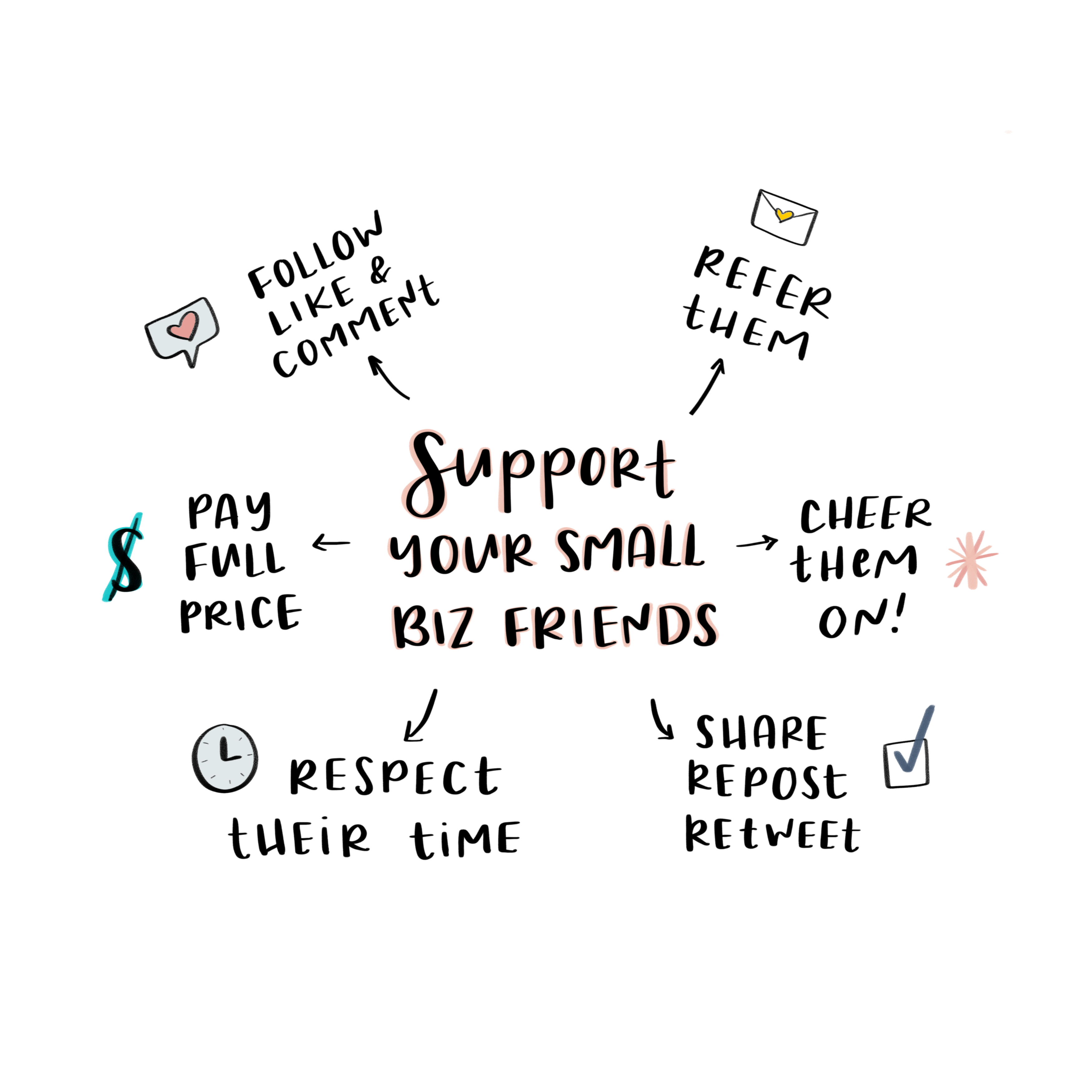
While budget-consciousness is natural, constantly seeking discounts or engaging in aggressive bargaining with small businesses can inadvertently undermine their financial stability. Unlike large corporations with extensive supply chains and economies of scale, small businesses often operate with tighter margins. The prices they set are typically carefully calculated to cover costs, pay employees fairly, and generate a modest profit necessary for sustainability and growth. Respecting their pricing by paying the asking amount, or at least being mindful and fair in any negotiation, directly supports their profitability. It acknowledges the value of their unique products, personalized service, and local economic contribution, ensuring they have the financial headroom to thrive rather than just survive.
Fostering Financial Growth Through Strategic Support
Beyond direct purchases, strategic actions can significantly contribute to a small business’s financial growth by enhancing their visibility, market reach, and overall financial health. These methods often leverage networks, expertise, or digital tools to create opportunities for increased revenue and reduced costs.
Leveraging Online Platforms for Discovery and Purchase
In the digital age, a robust online presence is critical for small business survival and growth. Supporting them means actively engaging with their digital storefronts and social media channels. Purchasing directly from a small business’s e-commerce website, rather than through third-party marketplaces that often take a substantial cut, ensures a larger portion of the revenue goes directly to the business. Additionally, writing positive reviews on platforms like Google, Yelp, or industry-specific sites, and sharing their content on social media, acts as free and highly effective marketing. This expanded visibility helps them reach a wider audience, attract new customers, and ultimately drive more sales and financial growth, reducing their need for expensive paid advertising.
Providing Constructive Financial Feedback
As customers, we often have unique insights into a business’s operations. Providing constructive feedback, especially concerning pricing, product offerings, or service delivery, can be invaluable. For instance, if a business’s prices seem either too high for the perceived value or suspiciously low (potentially indicating unsustainability), or if a service could be bundled more effectively, sharing this feedback can help owners make more informed financial and strategic decisions. This isn’t about criticizing but about offering a customer’s perspective on how they might optimize their financial model, enhance value, or address market demands, leading to improved profitability and customer retention.
Investing in Small Businesses (Crowdfunding, Local Investment Funds)
For those with the means and desire to make a deeper financial impact, direct investment offers a powerful form of support. Platforms like Kickstarter, Indiegogo, or local crowdfunding initiatives allow individuals to contribute capital to small businesses in exchange for equity, rewards, or simply out of community spirit. Similarly, some communities establish local investment funds specifically designed to provide capital to burgeoning local enterprises. These investments provide essential seed money or growth capital that traditional lenders might be hesitant to offer, enabling businesses to expand operations, develop new products, or weather economic downturns. It transforms passive support into active financial partnership, directly fueling economic development.
Referring and Networking

Word-of-mouth remains one of the most potent and cost-effective marketing tools for small businesses. Actively referring friends, family, and professional contacts to small businesses you trust generates new leads and customers without any marketing expense for the business. This form of networking effectively expands their customer base, leading to increased sales and financial prosperity. Moreover, if you operate a complementary business, consider strategic partnerships or cross-promotions. For example, a local bakery might partner with a coffee shop, driving traffic and sales to both. These referral and networking efforts are essentially free marketing and sales support, directly boosting the revenue potential of small enterprises.
Bolstering Operational Efficiency and Financial Resilience
Supporting small businesses also extends to helping them strengthen their internal financial operations and resilience. This category focuses on initiatives that equip small business owners with better financial management skills, advocate for a more supportive financial environment, or provide direct pro-bono assistance.
Supporting Financial Literacy and Business Acumen
Many small business owners are experts in their craft but may lack formal training in finance, accounting, or business strategy. Programs and resources that improve their financial literacy can significantly enhance their ability to manage cash flow, understand profit and loss statements, plan for taxes, and make informed investment decisions. This support can come from community colleges offering affordable business courses, non-profit organizations providing workshops, or experienced professionals volunteering their time. Empowering owners with strong financial acumen leads to better decision-making, greater efficiency, and, ultimately, more sustainable and profitable businesses less susceptible to financial missteps.
Advocating for Favorable Financial Policies
Systemic change can create a more financially friendly environment for small businesses. Individuals and groups can advocate for policies that directly benefit small enterprises, such as simplified tax codes, access to low-interest loans and grants, reduced regulatory burdens, or local procurement preferences. Participating in local government meetings, writing to elected officials, or joining business associations that lobby for these changes can have a profound collective impact. Such policies can reduce operational costs, increase access to crucial capital, and create a fairer playing field, thereby enhancing the financial viability and growth potential of countless small businesses.
Volunteering Professional Financial Expertise (Pro Bono)
For professionals with expertise in finance, accounting, legal services, or business consulting, offering pro-bono services to small businesses can be an invaluable form of support. Many small businesses cannot afford high-end financial advisors, accountants, or lawyers. Volunteering to help a local entrepreneur with their business plan, setting up their accounting software, navigating tax regulations, or understanding loan applications can save them significant money and prevent costly errors. This direct transfer of knowledge and skill strengthens the business’s financial foundations, allowing owners to focus on their core operations while ensuring their financial house is in order.
Facilitating Access to Affordable Financial Tools and Services
The digital age offers a plethora of financial tools and services, from cloud-based accounting software and POS systems to online payment processors and budgeting apps. However, small businesses might struggle to identify, afford, or implement the best solutions for their specific needs. Helping small businesses gain access to or understand how to leverage affordable financial technology can streamline their operations, reduce administrative overhead, and provide clearer insights into their financial performance. Whether through recommending specific low-cost solutions, providing tutorials, or connecting them with IT support, facilitating the adoption of efficient financial tools can significantly improve their profitability and ease the burden of financial management.
Building a Sustainable Financial Ecosystem for Small Enterprises
True long-term support for small businesses goes beyond individual actions and extends to fostering an entire ecosystem that financially nurtures and sustains them. This involves collaborative efforts that create an environment where small businesses can not only survive but thrive financially.
Creating Local Business Alliances and Economic Development Zones
Encouraging the formation of local business alliances, chambers of commerce, or dedicated economic development zones can create a collective financial strength that individual businesses lack. These alliances can pool resources for joint marketing campaigns (e.g., “Shop Local” initiatives), negotiate better deals with suppliers or service providers, or collectively lobby for beneficial financial policies. Economic development zones, often supported by local government, can offer financial incentives like tax breaks, grants, or subsidized rent, directly improving the financial outlook for businesses operating within them. This collaborative approach enhances financial resilience and provides a shared platform for growth.
Promoting “Buy Local” Campaigns with Economic Impact Data
While “buy local” slogans are common, backing these campaigns with concrete economic data can significantly amplify their impact. Educating the public on how every dollar spent locally contributes to local job creation, tax revenues for schools and infrastructure, and overall community wealth provides a compelling financial argument for supporting small businesses. Publishing reports, sharing infographics, or hosting community events that highlight the direct financial benefits of local spending can shift consumer behavior by demonstrating the tangible return on investment for their local purchases. This awareness empowers consumers to make financially conscious decisions that strengthen their community.
Encouraging Corporate Procurement from Small Businesses
Larger corporations and institutions have significant purchasing power. Encouraging them to divert a portion of their procurement budgets towards small, local businesses can provide substantial financial contracts that are often transformative for smaller enterprises. This could involve setting diversity quotas for suppliers, creating mentorship programs, or simplifying bidding processes to make them more accessible to small businesses. Such initiatives not only provide direct revenue and financial stability to small businesses but also integrate them into larger supply chains, opening up new avenues for growth and sustained financial partnerships that benefit the entire economy.

Supporting Incubators and Accelerators with Financial Aid
Incubators and accelerators are crucial for nurturing nascent small businesses, particularly startups, by providing mentorship, resources, and, critically, initial financial support. Contributing financially to these organizations, either through direct donations, grants, or sponsorship, helps them continue their vital work. This financial aid allows incubators to offer subsidized office space, access to shared equipment, educational workshops, and even seed funding to promising new ventures. By supporting these foundational organizations, we help create a pipeline of innovative and financially viable small businesses that will contribute to the economy for years to come.
In conclusion, supporting small businesses is a multifaceted endeavor, but its most fundamental and impactful dimension is financial. From the conscious act of direct purchasing and participation in loyalty programs to strategic investments, pro-bono expertise, and advocating for a supportive financial ecosystem, every action contributes to their resilience and growth. By understanding and actively engaging in these financial strategies, we can ensure that small businesses continue to thrive, enriching our communities, fostering innovation, and driving economic prosperity for all. The health of our small businesses is a direct reflection of the financial vitality of our communities, and by supporting them, we invest in our collective future.
aViewFromTheCave is a participant in the Amazon Services LLC Associates Program, an affiliate advertising program designed to provide a means for sites to earn advertising fees by advertising and linking to Amazon.com. Amazon, the Amazon logo, AmazonSupply, and the AmazonSupply logo are trademarks of Amazon.com, Inc. or its affiliates. As an Amazon Associate we earn affiliate commissions from qualifying purchases.