
The stock market, often perceived as a complex and intimidating realm, is in essence a powerful engine for wealth creation and a cornerstone of modern economies. For the uninitiated, however, its jargon, volatility, and sheer volume of information can be overwhelming. Yet, understanding how to navigate this landscape is an invaluable skill for anyone looking to build financial independence, grow their savings, or even pursue a career in finance. Studying the stock market isn’t about memorizing every stock price or predicting future movements with certainty; it’s about developing a robust understanding of economic principles, company valuation, risk management, and market psychology. This guide will demystify the process, offering a structured approach to learning and mastering the intricacies of the stock market, ensuring your journey is both insightful and rewarding.
The Foundation: Understanding Market Basics
Before diving into complex strategies, a solid grasp of the fundamental building blocks of the stock market is indispensable. This foundational knowledge will serve as your compass, guiding you through more advanced concepts and helping you make informed decisions.
What is the Stock Market?
At its core, the stock market is a collection of exchanges where shares of publicly traded companies are bought and sold. It facilitates capital formation, allowing companies to raise money for expansion by issuing shares (equity) to the public, and provides investors with an opportunity to own a piece of these businesses. There are two main types of markets: the primary market, where companies first issue new shares (e.g., Initial Public Offerings – IPOs), and the secondary market, where these existing shares are subsequently traded among investors. Understanding this distinction clarifies how share prices are initially set and how they fluctuate based on supply and demand dynamics.
Key Market Players and Concepts
The stock market is a vibrant ecosystem populated by various players. Investors typically take a long-term view, seeking growth or income over several years, while traders aim to profit from short-term price movements. Brokers act as intermediaries, executing trades on behalf of clients, and exchanges (like the NYSE or Nasdaq) provide the infrastructure for trading. Concepts like market capitalization (the total value of a company’s outstanding shares), dividends (portions of company profits distributed to shareholders), and volatility (the degree of variation of a trading price series over time) are crucial. Grasping these terms from the outset will make subsequent learning much more accessible and less daunting.
Core Investment Instruments
While “stock market” often implies just stocks, the broader investment landscape includes several key instruments. Stocks represent ownership stakes in companies. Bonds are debt instruments, essentially loans made by investors to governments or corporations, offering fixed interest payments. Mutual funds are professionally managed portfolios of stocks, bonds, or other assets, pooling money from multiple investors. Exchange-Traded Funds (ETFs) are similar to mutual funds but trade like individual stocks on exchanges throughout the day. Each instrument carries different risk profiles and potential returns, and understanding their basic characteristics is vital for portfolio diversification and aligning investments with personal financial goals.
Essential Learning Resources and Methodologies
With the basics covered, the next step is to explore the plethora of resources available for deeper study and to adopt effective learning methodologies. The digital age has democratized financial education, making high-quality information more accessible than ever before.
Books and Online Courses
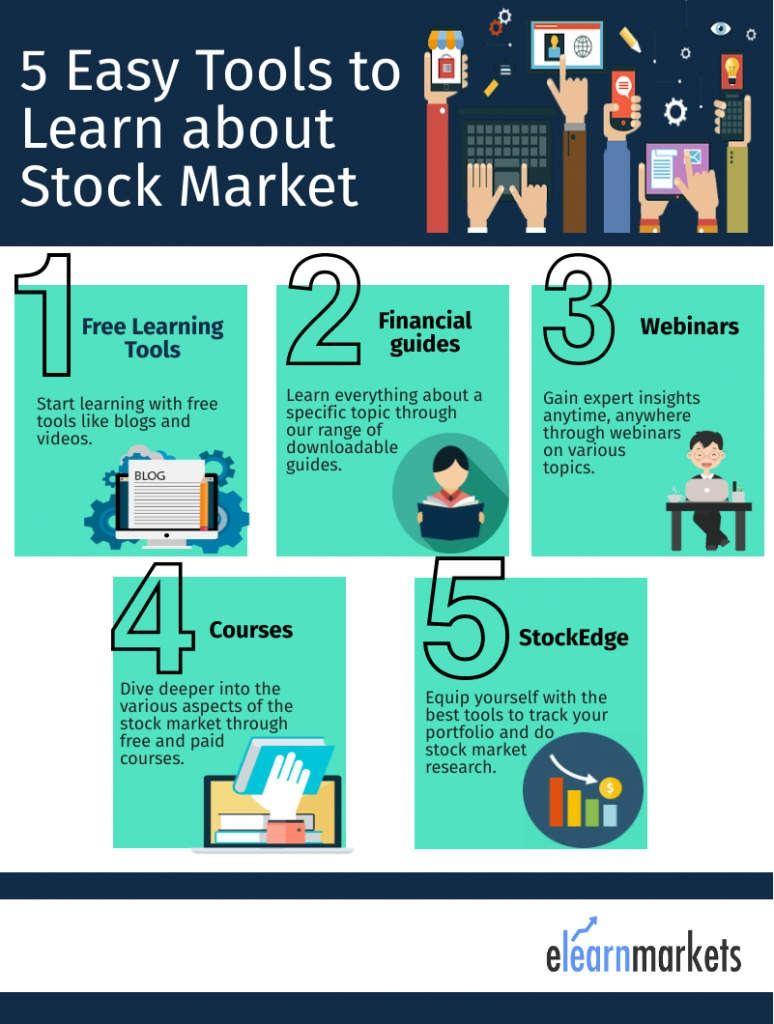
For a structured and comprehensive education, books remain an invaluable resource. Classics like “The Intelligent Investor” by Benjamin Graham or “A Random Walk Down Wall Street” by Burton Malkiel provide timeless insights into value investing and market efficiency. Modern titles on behavioral finance or specific trading strategies can complement these. Beyond static texts, online courses from reputable platforms such as Coursera, Udemy, edX, and dedicated financial education sites offer structured modules, often taught by university professors or industry professionals. These courses can range from beginner-friendly introductions to advanced analytical techniques, often including quizzes and practical exercises.
Financial News and Analysis
Staying current with market trends and economic developments is critical. Subscribing to reputable financial news sources like The Wall Street Journal, Bloomberg, Financial Times, or Reuters provides daily insights into company performance, economic indicators, and geopolitical events that impact markets. Beyond news, understanding basic market analysis involves learning to interpret economic reports, company earnings releases, and analyst ratings. Initially, focus on understanding the “why” behind market movements rather than just the “what.” This cultivates a critical perspective essential for long-term success.
Simulation and Paper Trading
One of the most effective ways to learn without risking real capital is through simulation and paper trading. Many online brokerage platforms offer virtual trading accounts where you can practice buying and selling stocks with hypothetical money. This allows you to test strategies, understand order types, and experience market volatility without financial consequences. Paper trading builds confidence, refines decision-making under pressure, and helps you become familiar with the mechanics of placing trades and managing a portfolio before you commit real funds. It’s an indispensable step for any aspiring investor or trader.
Mentorship and Communities
Learning from experienced individuals can accelerate your understanding and provide practical perspectives that books often miss. Seeking a mentor – someone with a proven track record in investing – can offer invaluable guidance, answer specific questions, and share real-world insights. Additionally, joining investment clubs or online financial communities and forums allows you to engage with fellow learners and seasoned investors. These platforms facilitate discussions, share diverse viewpoints, and help you recognize common mistakes, fostering a sense of collective learning and mutual growth.
Diving Deeper: Analytical Frameworks and Strategies
Once you have a grasp of the basics and have explored various learning resources, it’s time to delve into the analytical frameworks and strategies that investors and traders employ. These tools help in evaluating investment opportunities and managing risk.
Fundamental Analysis
Fundamental analysis focuses on evaluating a company’s intrinsic value by examining its financial statements, management quality, industry position, and economic environment. Key financial documents include the balance sheet (assets, liabilities, equity), income statement (revenues, expenses, profits), and cash flow statement (how cash is generated and used). Analysts use ratios like P/E (Price-to-Earnings), EPS (Earnings Per Share), and ROE (Return on Equity) to compare companies and assess their health and growth potential. This approach is typically favored by long-term investors seeking undervalued companies with strong fundamentals, believing that market prices will eventually reflect true value.
Technical Analysis
In contrast, technical analysis involves evaluating investments by analyzing statistical trends gathered from trading activity, such as price movement and volume. Technicians believe that historical price and volume data can indicate future price direction. They use chart patterns (e.g., head and shoulders, double tops/bottoms), and indicators like moving averages, Relative Strength Index (RSI), and Moving Average Convergence Divergence (MACD) to identify trends, support and resistance levels, and potential entry/exit points. Technical analysis is often favored by short-term traders looking to capitalize on immediate market psychology and momentum.
Macroeconomic Factors
Beyond individual company analysis, understanding macroeconomic factors is crucial. Interest rates set by central banks significantly impact borrowing costs for companies and consumer spending, influencing corporate profits. Inflation erodes purchasing power and can affect bond yields and stock valuations. Gross Domestic Product (GDP) growth indicates the overall health of an economy. Geopolitical events, trade policies, and global economic trends can create systemic risks or opportunities across entire markets. A holistic understanding of these broad economic forces helps investors anticipate market shifts and position their portfolios accordingly.
Risk Management Principles
No matter how thorough your analysis, investing inherently involves risk. Effective risk management is paramount. Diversification – spreading investments across different asset classes, industries, and geographies – reduces concentration risk. Position sizing involves determining the appropriate amount of capital to allocate to any single investment, ensuring no single loss cripples your portfolio. Stop-loss orders are a crucial tool for traders, automatically selling a security if it drops below a predetermined price, limiting potential losses. Most importantly, understanding your personal risk tolerance and aligning your investments with it prevents emotional decisions during market downturns.
Practical Application and Continuous Learning
Theoretical knowledge is only half the battle; practical application and a commitment to continuous learning are what truly differentiate successful investors. The market is dynamic, and adaptation is key.
Starting Small: The First Steps
Once you feel confident with your simulated trading, consider starting with a small amount of real capital that you are comfortable losing. This transition will introduce the psychological element of real money at stake. Avoid investing funds essential for your immediate financial needs. A strategy like dollar-cost averaging, where you invest a fixed amount of money at regular intervals regardless of the stock price, is excellent for beginners. It reduces the impact of volatility and removes the need to perfectly time the market, fostering disciplined investing habits over time.
Building a Watchlist and Portfolio
Begin by building a watchlist of companies or ETFs that align with your investment criteria, whether that’s growth potential, dividend yield, or sector exposure. Research these entities thoroughly using the analytical frameworks discussed. As you gain confidence, start building a portfolio, diversifying across different sectors and asset classes. Regularly monitor your portfolio’s performance against your goals and the broader market benchmarks. Periodically rebalance your portfolio to maintain your desired asset allocation and risk level, adjusting for market movements and changes in your financial objectives.
Staying Updated and Adapting
The stock market is not static. New technologies emerge, regulations change, economic conditions evolve, and geopolitical landscapes shift. A commitment to continuous education is vital. Read new books, follow reputable financial analysts, participate in webinars, and stay informed about global events. Be open to adapting your strategies as you gain more experience and as market conditions change. What worked in one market cycle might not work in another. Flexibility and a willingness to learn from both successes and failures are hallmarks of a resilient investor.
The Psychology of Investing
Perhaps one of the most challenging aspects of studying the stock market is mastering its psychology. Human emotions, particularly fear and greed, often drive irrational decisions. Fear can lead investors to sell during downturns, locking in losses, while greed can lead to over-speculation and chasing “hot” stocks, ignoring underlying fundamentals. The herd mentality, or following the crowd, can also be detrimental. Developing emotional discipline, sticking to your investment plan, and understanding your own biases are critical. Successful investors often possess a calm temperament and the ability to think independently, even when market sentiment is strong.
Common Pitfalls to Avoid
As you embark on your journey to study and invest in the stock market, being aware of common pitfalls can save you significant heartache and financial losses.
Chasing Hot Tips and Get-Rich-Quick Schemes
One of the most dangerous traps for new investors is falling for “hot tips” or promises of “get-rich-quick” schemes. The market is not a casino, and sustainable wealth is built through diligent research, patience, and a long-term perspective. Be skeptical of anyone promising guaranteed high returns with little to no risk.
Lack of Diversification
Putting all your eggs in one basket is a recipe for disaster. Failing to diversify your portfolio across different assets, industries, and geographical regions exposes you to unnecessary risk. A downturn in a single company or sector could wipe out a significant portion of your capital.
Emotional Trading
Allowing emotions like fear, greed, or panic to dictate your investment decisions is a common and costly mistake. Rash decisions based on short-term market fluctuations rarely lead to favorable outcomes. Stick to your researched investment plan and avoid impulsive actions.
Neglecting Due Diligence
Every investment should be preceded by thorough research and due diligence. Skipping this crucial step and investing based on hype, rumors, or minimal information can lead to significant losses. Understand what you are investing in, why you are investing in it, and the associated risks.
Conclusion
Studying the stock market is an ongoing journey that demands intellectual curiosity, discipline, and resilience. It’s a field where continuous learning is not just beneficial but essential. By building a strong foundational understanding, leveraging diverse learning resources, mastering analytical frameworks, and, crucially, understanding the psychological aspects of investing, you can navigate its complexities with confidence. Remember, success in the stock market is rarely about quick wins; it’s about making informed, patient decisions, managing risk effectively, and committing to a process of lifelong financial education. Embrace the challenge, learn from every experience, and watch your financial acumen grow alongside your portfolio.
aViewFromTheCave is a participant in the Amazon Services LLC Associates Program, an affiliate advertising program designed to provide a means for sites to earn advertising fees by advertising and linking to Amazon.com. Amazon, the Amazon logo, AmazonSupply, and the AmazonSupply logo are trademarks of Amazon.com, Inc. or its affiliates. As an Amazon Associate we earn affiliate commissions from qualifying purchases.