
Navigating the world of investments can seem daunting, but understanding “how to stock” – specifically, how to invest in the stock market – is a fundamental step toward building long-term wealth. This guide will demystify the process, offering actionable insights for both novice and aspiring investors looking to grow their financial future.
Understanding the Fundamentals of Stock Investing
Before diving into purchasing shares, it’s crucial to grasp the bedrock principles of stock investing. This foundational knowledge will empower you to make informed decisions rather than speculative guesses.
What is a Stock?
At its core, a stock (also known as a share or equity) represents a small fraction of ownership in a company. When you buy a stock, you become a part-owner of that public company. As an owner, you gain certain rights, which can include a claim on the company’s earnings and assets, and often, the right to vote on corporate matters at shareholder meetings. Companies issue stocks to raise capital, allowing them to fund operations, expand, or invest in new projects, while investors buy stocks hoping their value will appreciate over time or to receive dividends.

Why Invest in Stocks?
Investing in stocks offers several compelling advantages, primarily the potential for significant capital appreciation. Historically, the stock market has outperformed most other asset classes over the long term, making it a powerful tool for wealth creation and outpacing inflation. Dividends, which are portions of a company’s profits distributed to shareholders, offer an additional income stream. Furthermore, the stock market provides a level of liquidity, meaning you can typically buy or sell shares relatively easily, giving you access to your capital when needed.
Risks and Rewards
While the potential rewards of stock investing are attractive, it’s equally important to acknowledge the inherent risks. Stock prices are subject to market volatility, influenced by company performance, economic conditions, geopolitical events, and investor sentiment. There’s always a risk that the value of your investment could decline, and you could lose some or all of your principal. However, with risk comes the potential for reward. Long-term investors who diversify their portfolios and invest in fundamentally sound companies often mitigate short-term volatility and benefit from the market’s upward trend over time. Understanding this dynamic balance is key to a sustainable investing strategy.
Preparing for Your Stock Investing Journey
Successful stock investing isn’t about jumping in impulsively; it requires thoughtful preparation. Laying the groundwork meticulously will set you on a path to greater confidence and potentially better outcomes.
Define Your Financial Goals
Before you even consider which stock to buy, clarify what you want your investments to achieve. Are you saving for retirement, a down payment on a home, your children’s education, or simply aiming for general wealth accumulation? Your financial goals will dictate your investment horizon (how long you plan to invest), your required rate of return, and consequently, the level of risk you might be willing to take. A clear objective provides direction and helps maintain discipline during market fluctuations.
Assess Your Risk Tolerance
Risk tolerance is a crucial, deeply personal aspect of investing. It refers to your psychological comfort level with potential losses in exchange for potential gains. A high-risk tolerance might mean you’re comfortable with more volatile investments that have a greater potential for growth but also higher potential for loss. A low-risk tolerance suggests you prefer investments with less fluctuation, even if it means lower potential returns. Consider your age, income stability, emergency savings, and overall financial situation when assessing your risk tolerance. An honest self-assessment will help you choose investments that align with your emotional and financial capacity.
Education is Key
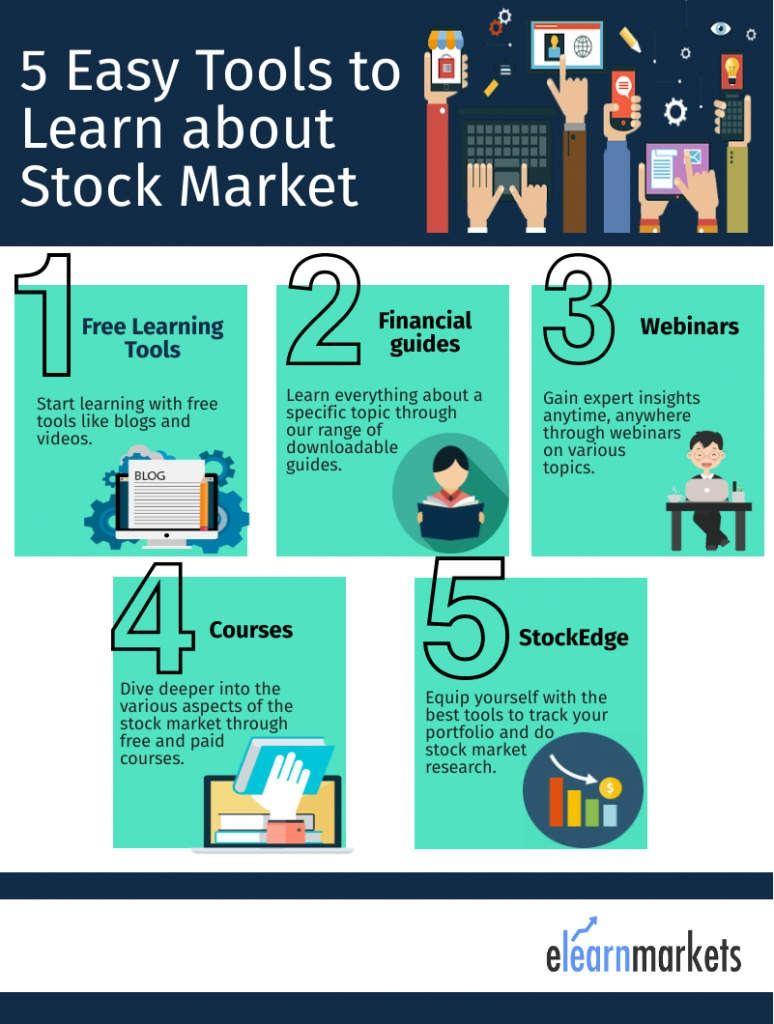
The more you learn about the stock market, investing principles, and economic indicators, the better equipped you’ll be. Dive into books, reputable financial news sources, online courses, and articles. Understand concepts like P/E ratios, market capitalization, balance sheets, income statements, and cash flow. Learn about different investment strategies (e.g., value investing, growth investing, dividend investing). Continuous education empowers you to make independent, well-reasoned decisions and reduces reliance on external advice, which may not always be aligned with your specific circumstances.
Budgeting for Investments
Treat investing as a non-negotiable expense, much like your rent or utility bills. Before you can invest, you need to have a clear understanding of your income and expenses to determine how much capital you can consistently allocate to your investments. Create a detailed budget, identify areas where you can save, and commit to setting aside a fixed amount regularly. Even small, consistent contributions can compound significantly over time, thanks to the power of compound interest. Ensure you also have an emergency fund (typically 3-6 months of living expenses) readily available before investing, so you’re not forced to sell investments during a downturn due to unforeseen circumstances.
Practical Steps to Buying Your First Stocks
Once you’re prepared psychologically and financially, the mechanics of buying stocks become the next hurdle. The process is more streamlined than many imagine.
Choose a Brokerage Account
To buy stocks, you’ll need an investment account with a brokerage firm. These firms act as intermediaries, executing buy and sell orders on your behalf. There are various types of brokerage accounts:
- Full-service brokers: Offer personalized advice, extensive research, and hands-on portfolio management, typically at a higher cost.
- Discount brokers: Provide a platform for you to manage your own investments with lower fees, online tools, and research resources. These are popular for self-directed investors.
- Robo-advisors: Automated platforms that manage your investments based on algorithms and your risk profile, often with very low fees.
Consider factors like fees, minimum deposit requirements, available investment products, research tools, and customer service when making your choice.
Funding Your Account
Once your brokerage account is open, you’ll need to deposit funds. Common methods include:
- Electronic funds transfer (EFT): Linking your bank account for direct transfers.
- Wire transfer: For larger sums, often processed faster.
- Check deposits: A more traditional, slower method.
- Rollover from a retirement account: If you’re transferring funds from an old 401(k) or IRA.
Ensure you understand any minimum deposit requirements and the time it takes for funds to become available for trading.
Researching Companies
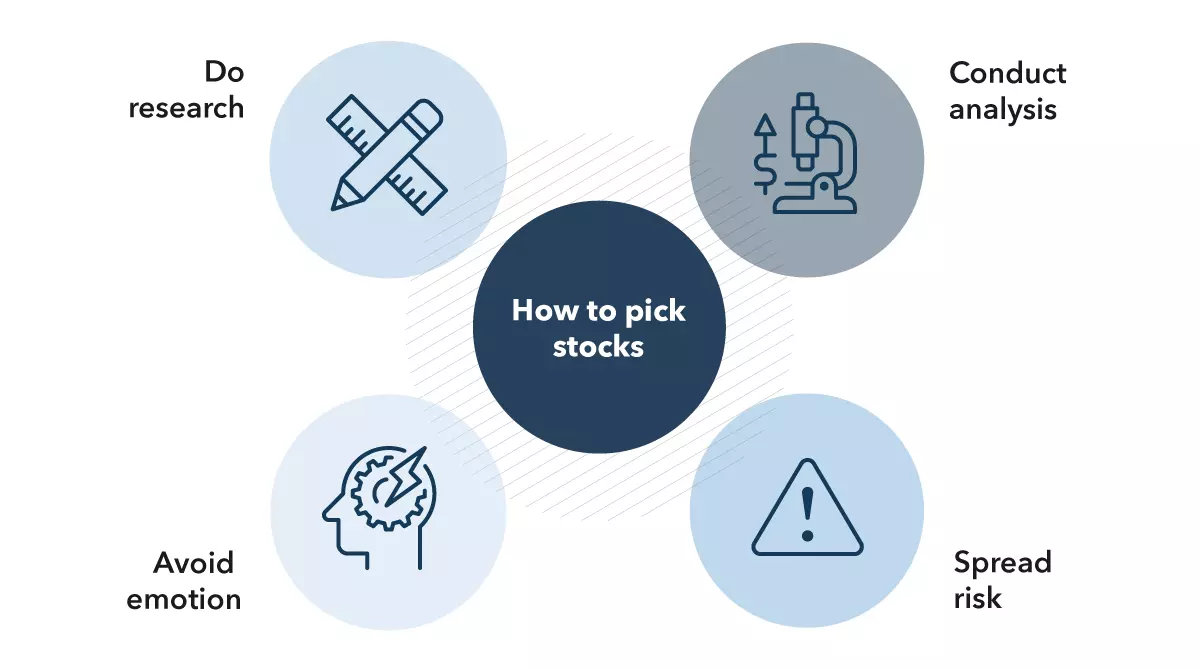
This is arguably the most critical step. Don’t just pick a stock based on a hot tip or media hype. Conduct thorough due diligence:
- Understand the business: What does the company do? What are its products or services? Who are its competitors?
- Financial health: Review financial statements (income statement, balance sheet, cash flow statement). Look at revenue growth, profitability, debt levels, and cash flow.
- Management team: Assess the experience and track record of the leadership.
- Competitive advantage (moat): Does the company have something unique that protects its market share and profitability (e.g., strong brand, patent, network effect)?
- Valuation: Is the stock price reasonable compared to its earnings, assets, and growth prospects? Key metrics include P/E ratio, P/B ratio, and dividend yield.
Utilize the research tools provided by your brokerage, independent financial news sites, and company investor relations pages.
Placing Your Order
After selecting a stock, you’re ready to place an order through your brokerage platform. You’ll typically encounter a few order types:
- Market order: Buys or sells the stock immediately at the best available price. While fast, the price might fluctuate slightly from what you saw moments before.
- Limit order: Allows you to specify the maximum price you’re willing to pay (for buying) or the minimum price you’re willing to accept (for selling). Your order will only execute if the stock reaches that price or better.
- Stop-loss order: Automatically sells your stock if it falls to a certain price, designed to limit potential losses.
For most beginners, a limit order is often preferred as it gives you more control over the execution price. Specify the ticker symbol, the number of shares, and the order type, then review and confirm.
Building and Managing Your Stock Portfolio
Buying a single stock is just the beginning. A well-constructed and managed portfolio is essential for long-term success.
Diversification Strategies
Diversification is the golden rule of investing. It means spreading your investments across various assets, industries, and geographies to reduce risk. Instead of putting all your capital into one or two stocks, invest in a mix of companies from different sectors (e.g., tech, healthcare, consumer staples, industrials). Consider international stocks to reduce reliance on a single economy. Exchange-Traded Funds (ETFs) and mutual funds are excellent tools for instant diversification, as they hold baskets of many stocks. The goal is that if one investment performs poorly, others may perform well, cushioning the impact on your overall portfolio.
Long-Term vs. Short-Term Approaches
Your investment horizon significantly influences your strategy.
- Long-term investing: Focuses on holding stocks for several years or even decades, aiming to benefit from compounding returns and the fundamental growth of companies. This approach typically involves less frequent trading and often rides out market volatility. It aligns well with retirement planning or other distant financial goals.
- Short-term investing (trading): Involves buying and selling stocks frequently, sometimes daily, to capitalize on small price movements. This approach is highly speculative, requires significant time, research, and emotional discipline, and carries much higher risk and transaction costs. For most individual investors, particularly beginners, a long-term approach is generally recommended.
Monitoring and Rebalancing
Your portfolio isn’t a static entity; it needs regular attention. Monitor the performance of your investments, but avoid the temptation to check daily. Focus on the underlying business fundamentals and overall market trends. Periodically, your portfolio’s asset allocation may drift due to different investments growing at different rates. Rebalancing involves adjusting your portfolio back to your target asset allocation. For instance, if your tech stocks have significantly outgrown others, you might sell a portion of them and reinvest in underperforming assets to maintain your desired risk level and diversification. This often happens annually or semi-annually.
Understanding Taxes and Fees
Every investment decision has tax implications and associated fees.
- Capital Gains Tax: Profits from selling stocks are subject to capital gains tax. These can be short-term (if held for less than a year) or long-term (if held for over a year), with different tax rates.
- Dividends: Dividend income is also typically taxable.
- Brokerage Fees: While many brokers now offer commission-free trading for stocks and ETFs, you might still encounter fees for mutual funds, options, or international trades. Understand platform fees, account maintenance fees, and any charges for wire transfers or specialized services.
Always factor these costs into your investment calculations, as they can erode your returns over time.
Common Stock Investing Strategies
While the principles remain consistent, different strategies can be employed based on your goals and market outlook.
Value Investing
Pioneered by Benjamin Graham and popularized by Warren Buffett, value investing involves identifying companies whose stocks are trading below their intrinsic worth. Value investors believe the market sometimes misprices stocks, offering opportunities to buy “bargains.” They conduct deep fundamental analysis to assess a company’s true value based on its assets, earnings, and future potential, often looking for companies with strong balance sheets, consistent profits, and sustainable competitive advantages that are temporarily out of favor or overlooked by the broader market.
Growth Investing
Growth investors focus on companies expected to grow their earnings and revenues at a faster rate than the overall market. These are often younger companies in innovative industries, or established companies with groundbreaking products or services. While growth stocks can offer substantial returns, they often trade at higher valuations (e.g., higher P/E ratios) because investors are paying for future growth. This strategy carries higher risk as their valuations are more sensitive to changes in expected growth rates and market sentiment.
Dividend Investing
Dividend investing centers on selecting stocks that regularly pay out a portion of their earnings to shareholders in the form of dividends. This strategy provides a steady stream of income, which can be particularly attractive for retirees or those seeking supplemental cash flow. Dividend investors often favor mature, stable companies with a history of consistent profitability and dividend payments. Reinvesting these dividends can significantly compound returns over the long term.
Dollar-Cost Averaging
Dollar-cost averaging (DCA) is a disciplined approach where you invest a fixed amount of money at regular intervals (e.g., monthly or quarterly), regardless of the stock price. This strategy averages out your purchase price over time. When prices are high, your fixed investment buys fewer shares, and when prices are low, it buys more shares. DCA helps mitigate the risk of investing a large sum at a market peak and removes the emotional element of trying to “time the market,” making it an effective strategy for long-term wealth accumulation for many investors.
aViewFromTheCave is a participant in the Amazon Services LLC Associates Program, an affiliate advertising program designed to provide a means for sites to earn advertising fees by advertising and linking to Amazon.com. Amazon, the Amazon logo, AmazonSupply, and the AmazonSupply logo are trademarks of Amazon.com, Inc. or its affiliates. As an Amazon Associate we earn affiliate commissions from qualifying purchases.