
The digital age has democratized entrepreneurship, making the dream of owning a business more accessible than ever before. Starting an online business isn’t just about creating a website or selling a product; it’s fundamentally about building a sustainable income stream and managing finances strategically. It requires a keen understanding of financial models, meticulous planning, and a proactive approach to revenue generation and cost management. This comprehensive guide will navigate the financial landscape of launching and scaling your online venture, ensuring you lay a solid foundation for long-term success and profitability.
I. Laying the Financial Foundation for Your Online Venture
Before embarking on your online business journey, a clear financial blueprint is paramount. This initial phase involves identifying your core income generation mechanisms, accurately estimating your financial needs, and securing the necessary capital to get off the ground. Without this groundwork, even the most innovative ideas can falter due to financial missteps.
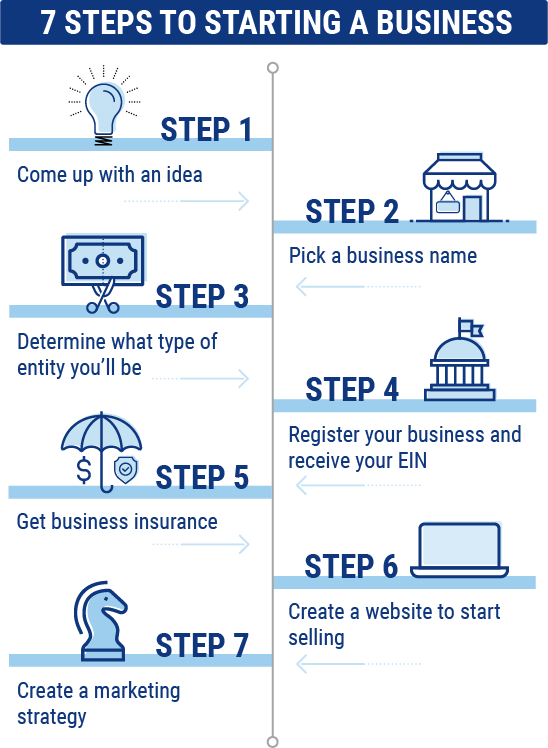
Identifying Your Business Model and Revenue Streams
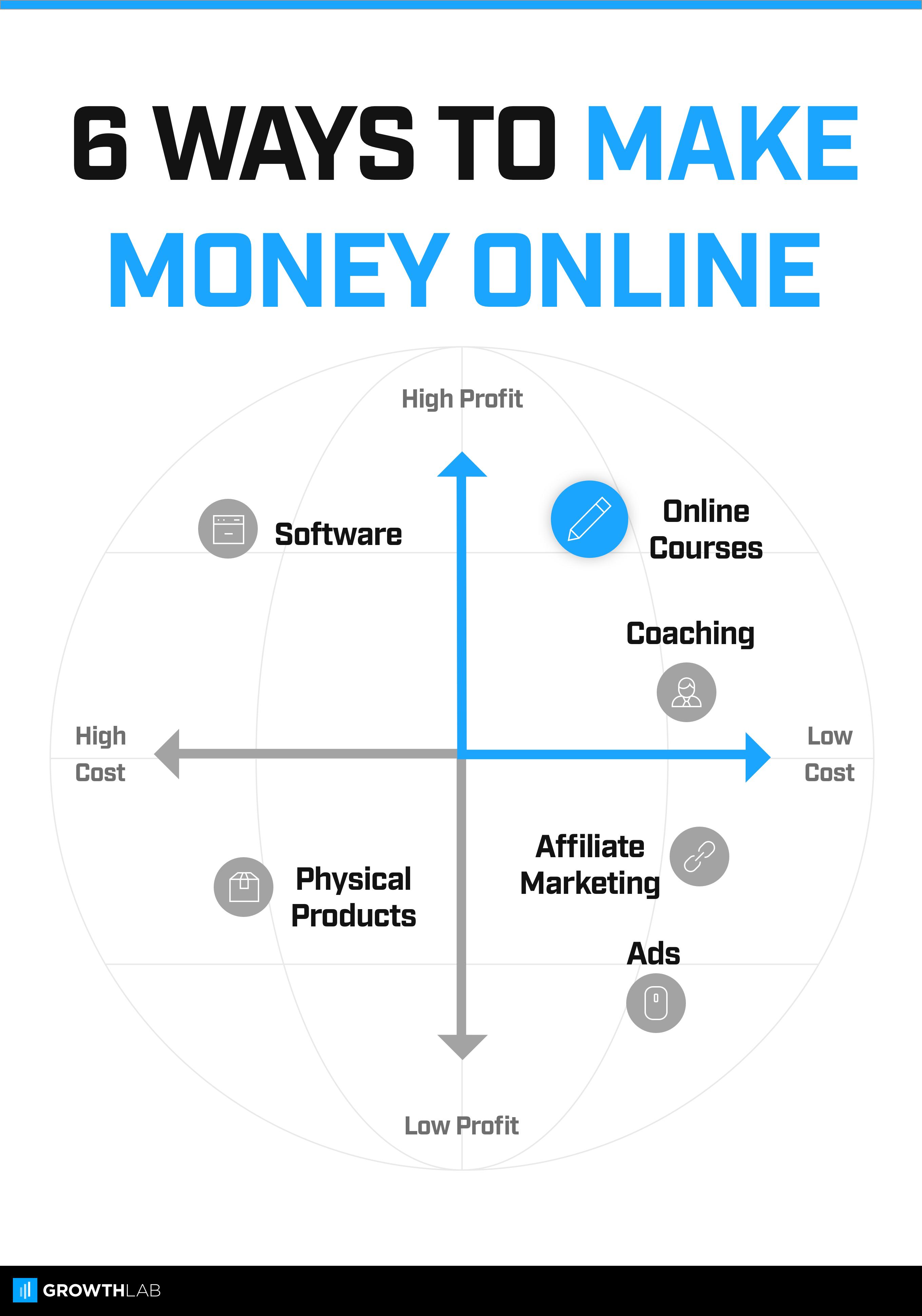
The first step in financial planning is to define how your online business will actually make money. Different online business models inherently come with varied startup costs, operational expenses, and potential for revenue. For instance, an e-commerce store selling physical products will have inventory costs, shipping expenses, and payment processing fees, while a service-based business (e.g., freelance consulting, web design) might have lower initial overhead but rely heavily on client acquisition and hourly rates. Digital product businesses (e.g., online courses, e-books, software as a service – SaaS) often involve significant upfront development costs but can offer high-profit margins once established, with recurring revenue models being particularly attractive.
Consider models such as:
- E-commerce: Selling physical goods (dropshipping, print-on-demand, custom products).
- Service-Based: Offering expertise (consulting, coaching, digital marketing, virtual assistance).
- Digital Products: Creating and selling intellectual property (e-books, courses, templates, software subscriptions).
- Affiliate Marketing: Earning commissions by promoting other companies’ products.
- Content Monetization: Generating income through advertising, sponsorships, or subscriptions on blogs, YouTube channels, or podcasts.
Each model requires a distinct financial strategy. Understanding your chosen model dictates how you’ll forecast income and expenditures, which is crucial for subsequent financial planning.
Calculating Startup Costs and Initial Investment
Once your business model is clear, the next critical step is to itemize all potential startup costs. Many aspiring entrepreneurs underestimate this figure, leading to undercapitalization and premature failure. Startup costs can include, but are not limited to:
- Domain Name & Hosting: Essential for any online presence.
- Website Design & Development: Whether a DIY template or professional agency, there’s a cost.
- Software Subscriptions: Email marketing platforms, accounting software, project management tools, CRM systems.
- Legal & Administrative Fees: Business registration, legal advice, trademark applications.
- Initial Inventory (for e-commerce): Cost of goods sold before any sales are made.
- Marketing & Advertising: Initial ad spend, branding materials.
- Equipment: Computer, camera, microphone, office furniture.
- Payment Processing Fees: Transaction fees from platforms like Stripe, PayPal, or Shopify Payments.
Create a detailed spreadsheet, assigning a realistic cost to each item. Don’t forget to include a buffer for unexpected expenses – a common rule of thumb is to add 15-20% to your total estimate. This comprehensive tally will give you a clear picture of your initial capital requirements.
Securing Initial Funding: Bootstrapping, Loans, or Investors
With a clear understanding of your startup costs, you’ll need to decide how to fund your venture.
- Bootstrapping: This involves self-funding your business using personal savings or income from a primary job. It’s common for online businesses due to their often lower entry barriers. Bootstrapping allows you to retain full ownership and control, but growth can be slower.
- Small Business Loans: Banks, credit unions, and online lenders offer various loan products for startups. These require a solid business plan and often personal collateral or a good credit score. Interest rates and repayment terms are crucial considerations.
- Grants: Government agencies and private organizations sometimes offer grants to small businesses, especially those with social impact or in specific industries. These don’t require repayment but are highly competitive.
- Angel Investors or Venture Capital: For high-growth potential businesses, securing investment from angels or VC firms can provide significant capital. However, this usually means relinquishing a portion of your company’s equity and navigating complex legal agreements.
Each funding avenue has its pros and cons regarding cost, control, and growth potential. Choose the path that best aligns with your business’s needs and your personal financial situation.
II. Strategic Financial Planning and Management
Once the initial capital is secured, ongoing financial planning and diligent management become the bedrock of your online business’s operational success. This phase transitions from upfront investment to sustainable day-to-day financial health and growth.
Crafting a Robust Business Plan with Financial Projections
A comprehensive business plan isn’t just for investors; it’s a living document that guides your financial decisions. The financial section of your business plan should include:
- Startup Cost Analysis: As detailed above.
- Sales Forecasts: Realistic projections of revenue based on market research, pricing, and marketing efforts.
- Operating Expense Projections: Monthly estimates for recurring costs like software, marketing, salaries, and utilities.
- Profit and Loss (P&L) Statement: Projected revenue minus expenses to show anticipated profitability over time (e.g., 3-5 years).
- Cash Flow Statement: Tracks the movement of cash in and out of your business, crucial for liquidity management. A positive cash flow is vital, even if profits are low initially.
- Break-Even Analysis: Determines the sales volume (in units or revenue) needed to cover all fixed and variable costs. This is a critical milestone for any new business.
Regularly review and adjust these projections as your business evolves and market conditions change. This iterative process ensures your financial strategy remains agile and responsive.
Budgeting for Operational Expenses and Growth
Effective budgeting is non-negotiable for online businesses. Create a detailed monthly or quarterly budget that tracks all operational expenses. Categorize your expenses to easily identify areas for optimization. This includes:
- Fixed Costs: Expenses that remain constant regardless of sales volume (e.g., software subscriptions, rent for a small office if applicable, certain marketing retainers).
- Variable Costs: Expenses that fluctuate with sales volume (e.g., cost of goods sold, transaction fees, advertising spend tied to sales).
- Discretionary Costs: Expenses that can be reduced or eliminated if needed (e.g., non-essential tools, certain travel).
Allocate funds for growth initiatives, such as expanding marketing campaigns, investing in new product development, or hiring additional staff. A well-structured budget prevents overspending, ensures you have funds for essential operations, and helps you allocate resources strategically to maximize return on investment.
Understanding Pricing Strategies and Profit Margins
Your pricing strategy is directly tied to your profitability. It’s not just about covering costs; it’s about perceived value, market positioning, and ultimately, your profit margin.
- Cost-Plus Pricing: Adding a markup percentage to the cost of your product or service. Simple, but might not reflect market value.
- Value-Based Pricing: Pricing based on the perceived value to the customer, rather than just internal costs. Often yields higher profit margins.
- Competitive Pricing: Setting prices based on what competitors charge. Requires careful analysis to ensure you don’t undervalue your offerings or engage in unsustainable price wars.
- Freemium Models: Offering a basic version for free and charging for premium features (common for SaaS).
- Subscription Models: Charging a recurring fee for access to products or services, providing predictable revenue.
Calculate your gross profit margin (revenue minus cost of goods sold) and net profit margin (revenue minus all expenses). Regularly analyze these margins. Are they sustainable? Can they be improved by optimizing costs or adjusting prices? Understanding these metrics is vital for long-term financial health.
III. Maximizing Online Income and Profitability
Beyond merely generating revenue, the focus shifts to optimizing that income and ensuring a healthy profit margin. This involves strategic diversification, conversion optimization, and a keen eye on the scalability of your operations.
Diversifying Revenue Streams for Stability
Relying on a single source of income can be precarious for any business. For online entrepreneurs, diversifying revenue streams provides a safety net against market fluctuations or changes in customer preference. If one product line or service experiences a downturn, other streams can help maintain stability.
- Product Extensions: If you sell a course, consider offering a related template pack, a private coaching program, or an exclusive community.
- Service Tiers: Offer basic, standard, and premium versions of your services at different price points.
- Affiliate Partnerships: Integrate affiliate marketing for complementary products or services within your niche.
- Advertising & Sponsorships: If you generate significant traffic, consider selling ad space or seeking brand sponsorships.
- Subscription Models: Convert one-time purchases into recurring revenue where applicable, offering ongoing value.
Each additional revenue stream should ideally leverage your existing audience, expertise, or infrastructure, maximizing return on effort.
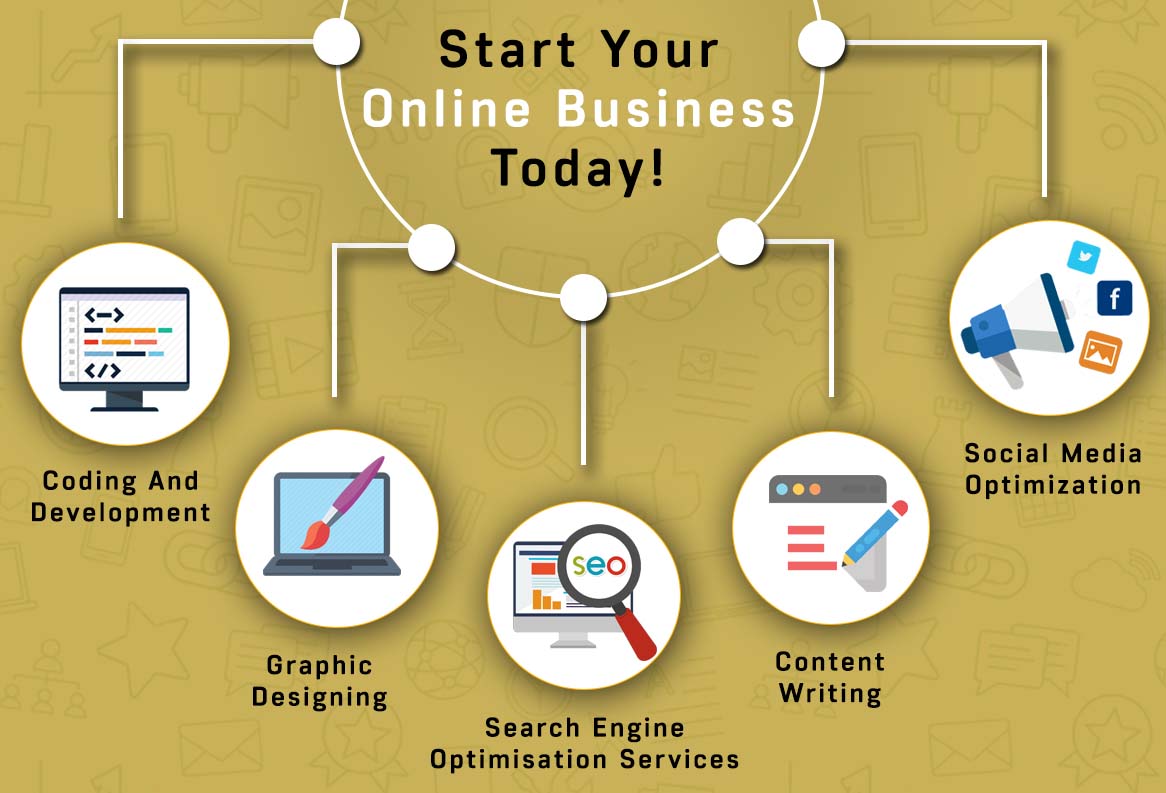
Optimizing Conversions and Customer Lifetime Value
More traffic doesn’t automatically mean more money; it’s about converting that traffic into paying customers and retaining them.
- Conversion Rate Optimization (CRO): Focus on improving the percentage of website visitors who complete a desired action (e.g., making a purchase, signing up for a newsletter). This involves A/B testing headlines, calls-to-action, website layouts, and checkout processes. A higher conversion rate means more revenue from the same marketing spend.
- Customer Lifetime Value (CLV): This metric represents the total revenue you can expect from a single customer throughout their relationship with your business. High CLV indicates strong customer retention and repeat purchases, which are far more cost-effective than constantly acquiring new customers. Strategies to increase CLV include excellent customer service, loyalty programs, upsells, and cross-sells.
- Average Order Value (AOV): Encourage customers to spend more per transaction through bundled offers, related product recommendations, or free shipping thresholds.
By focusing on these metrics, you directly impact your overall profitability, making each customer acquisition more valuable.
Cost-Benefit Analysis and Scalability for Growth
Every investment in your online business – whether it’s new software, an advertising campaign, or hiring an employee – should undergo a cost-benefit analysis. What is the expected financial return for this expenditure? Will it genuinely contribute to revenue growth or cost savings?
- Return on Investment (ROI): Crucially evaluate the ROI for marketing campaigns, technology upgrades, and new hires. If an ad campaign brings in $10,000 in sales but costs $8,000, your ROI is low.
- Scalability: Design your business operations with scalability in mind. Can your systems, fulfillment processes, and customer support handle a significant increase in sales volume without a proportional increase in costs? Automation tools, outsourcing, and cloud-based services are key enablers of scalable growth. Avoid solutions that become prohibitively expensive as your business expands.
Strategic growth means smart growth, where increased revenue is met with controlled, optimized expenses, leading to greater overall profitability.
IV. Navigating the Financial and Legal Landscape
The financial journey of an online business extends beyond income and expenses. It encompasses crucial legal and administrative considerations that ensure compliance and protect your assets.
Understanding Taxes and Legal Structures for Online Businesses
The tax implications for online businesses can be complex and vary significantly based on your location and business structure.
- Legal Structure: Choosing the right legal structure (e.g., Sole Proprietorship, LLC, S-Corp, C-Corp) impacts liability, taxation, and administrative burden. An LLC (Limited Liability Company) is a popular choice for many online businesses as it offers personal liability protection while maintaining relatively simple tax filing.
- Sales Tax/VAT: If you sell physical products or digital goods/services, you may be required to collect and remit sales tax (in the US) or Value Added Tax (VAT in many other countries). This varies by jurisdiction and “nexus” (physical or economic presence).
- Income Tax: All profits will be subject to income tax. Understand quarterly estimated tax payments, deductions, and reporting requirements for self-employment income.
- International Sales: Selling globally brings additional complexities regarding international tax laws, customs duties, and currency conversions.
Consult with an accountant or tax professional experienced with online businesses to ensure compliance from day one. Missteps here can lead to significant financial penalties.
Essential Financial Tools and Software for Online Entrepreneurs
Leveraging the right technology can streamline your financial management, saving time and reducing errors.
- Accounting Software: Tools like QuickBooks Online, Xero, or FreshBooks automate invoicing, expense tracking, bank reconciliation, and financial reporting. They provide a real-time overview of your financial health.
- Payment Processors: Platforms such as Stripe, PayPal, Square, or Shopify Payments facilitate online transactions. Understand their fee structures, payout schedules, and dispute resolution processes.
- Budgeting & Forecasting Tools: Spreadsheets (Google Sheets, Excel) or specialized software can help you create and track budgets and financial projections.
- Tax Software: Depending on your business structure, dedicated tax preparation software or services can simplify filing.
- Payroll Software: If you hire employees, payroll services (e.g., Gusto, ADP) ensure accurate wage payments, tax withholdings, and compliance.
Investing in these tools is not an expense but an investment in efficiency and financial accuracy.
Risk Management and Financial Contingency Planning
Every business faces risks, and online ventures are no exception. Financial contingency planning is about preparing for the unexpected.
- Emergency Fund: Aim to build a business emergency fund covering 3-6 months of operating expenses. This fund acts as a buffer during slow periods, unexpected costs, or economic downturns.
- Insurance: Depending on your business, consider general liability insurance, product liability insurance, or cyber insurance to protect against specific risks.
- Data Security: While a tech aspect, the financial implications of a data breach (fines, loss of customer trust, recovery costs) are severe. Invest in robust digital security measures.
- Succession Planning: Even for a sole proprietorship, consider what would happen to your business and its financial assets if you were suddenly unable to operate.
Proactive risk assessment and mitigation safeguard your financial stability and ensure business continuity.
V. Sustaining Growth and Long-Term Financial Health
Starting an online business is just the beginning. The true measure of success lies in its ability to sustain growth and maintain long-term financial health. This requires continuous monitoring, strategic reinvestment, and forward-thinking planning.
Reinvesting Profits Strategically
Once your online business becomes profitable, a critical decision arises: how to manage those profits. While taking personal drawings is tempting, strategic reinvestment is key to accelerating growth and securing future earnings.
- Product Development: Invest in creating new products or enhancing existing ones to expand your offerings and attract new customer segments.
- Marketing & Advertising: Scale up proven marketing channels or experiment with new ones to reach a wider audience.
- Technology & Infrastructure: Upgrade your website, invest in more powerful software, or improve server capacity to handle increased traffic and operations.
- Human Capital: Hire skilled staff or outsource tasks to free up your time for strategic initiatives.
- Working Capital: Maintain sufficient working capital to manage cash flow fluctuations and seize new opportunities.
Every reinvestment should be assessed for its potential ROI, ensuring it contributes to sustainable financial expansion.
Monitoring Key Financial Performance Indicators
Regularly tracking key financial performance indicators (KPIs) provides invaluable insights into your business’s health and helps identify areas for improvement or concern.
- Revenue Growth Rate: How quickly is your income increasing over time?
- Customer Acquisition Cost (CAC): How much does it cost to acquire a new paying customer? Compare this to CLV.
- Gross & Net Profit Margins: Are your products/services remaining profitable?
- Operating Cash Flow: Is your core business generating enough cash to cover its expenses?
- Burn Rate: For funded startups, how quickly are you spending your capital?
- Debt-to-Equity Ratio: If applicable, how much debt are you carrying relative to owner’s equity?
Dashboarding these KPIs allows for quick, informed decision-making, enabling you to pivot strategies before minor issues become major financial problems.
Planning for Exit Strategies or Expansion
Thinking about the future of your online business is a critical financial exercise. What is your long-term vision?
- Selling the Business: If your goal is to build an asset you can eventually sell, focus on creating a business with strong, documented processes, recurring revenue, and demonstrable profitability, as these factors maximize its valuation.
- Scaling Up: If you plan to grow indefinitely, consider what resources (financial, human, technological) will be needed for exponential growth. This might involve seeking additional investment rounds, expanding into new markets, or diversifying your portfolio of ventures.
- Passive Income Stream: For some, the goal is to create a business that eventually runs itself, generating passive income. This requires significant upfront automation and systemization.
Each path has distinct financial implications and requires different strategic planning from the outset.
Conclusion
Starting your own online business is an exciting and potentially lucrative endeavor, but its success hinges significantly on meticulous financial planning and disciplined money management. From strategically identifying revenue streams and securing initial funding to diligently tracking expenses, optimizing profitability, and planning for long-term growth, every financial decision contributes to the resilience and success of your venture. By focusing on the robust financial principles outlined above, you can navigate the complexities of online entrepreneurship with confidence, building not just a business, but a lasting source of financial independence and wealth.
aViewFromTheCave is a participant in the Amazon Services LLC Associates Program, an affiliate advertising program designed to provide a means for sites to earn advertising fees by advertising and linking to Amazon.com. Amazon, the Amazon logo, AmazonSupply, and the AmazonSupply logo are trademarks of Amazon.com, Inc. or its affiliates. As an Amazon Associate we earn affiliate commissions from qualifying purchases.