
In a world often fixated on grand gestures and immediate, monumental success, the quiet wisdom of “starting small” frequently gets overshadowed. Yet, for countless entrepreneurs, side hustlers, and financially savvy individuals, embracing this philosophy is not merely a pragmatic choice but a strategic imperative. It’s the bedrock upon which sustainable ventures are built, a safeguard against unnecessary risk, and a powerful incubator for innovation and resilience. When viewed through the lens of personal finance, online income generation, side hustles, and business finance, starting small translates into a disciplined approach to resource management, market validation, and incremental growth that ultimately leads to more robust and enduring success.
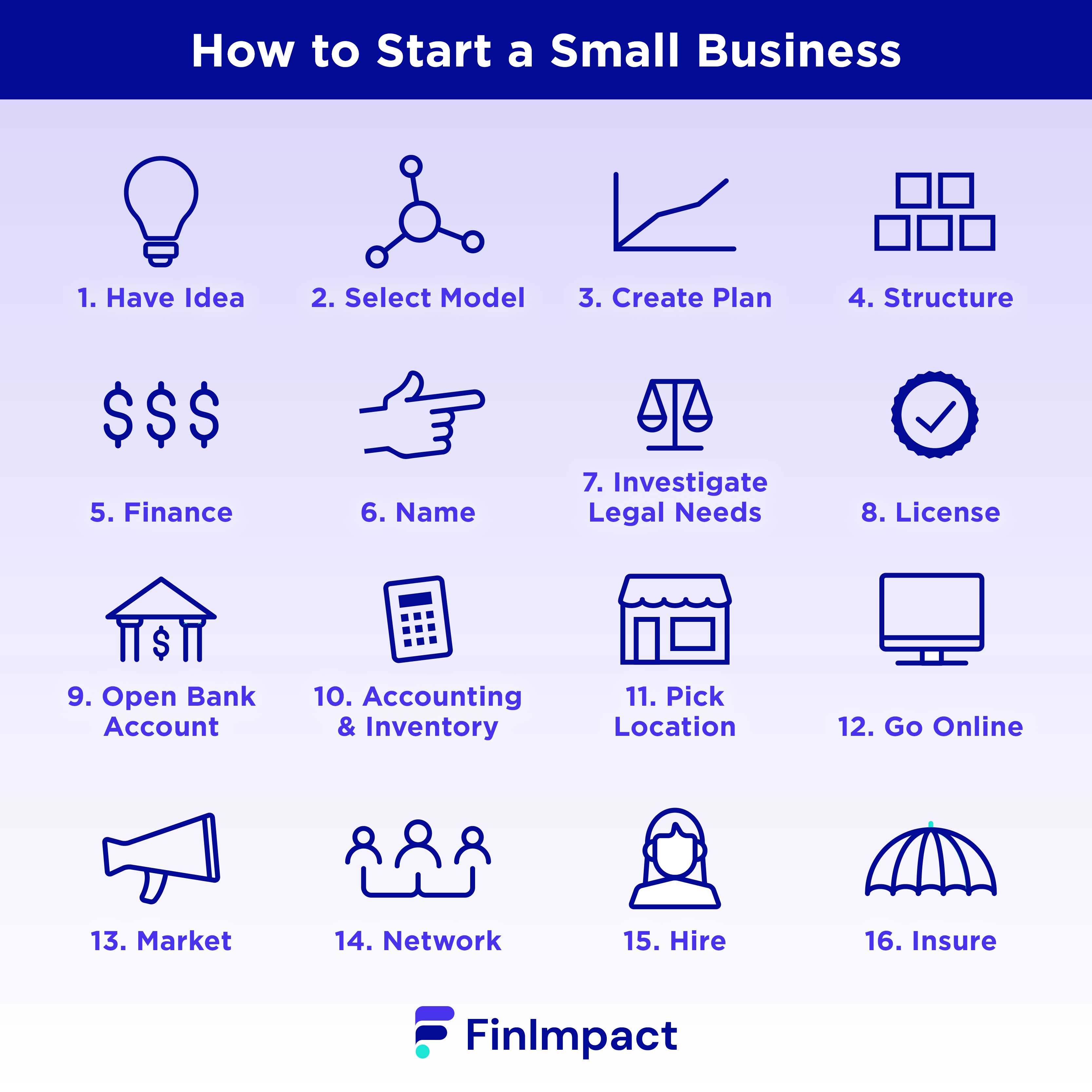
This article delves into the transformative power of starting small, dissecting its core principles and offering actionable strategies for anyone looking to launch a new venture, side hustle, or financial initiative without the burden of excessive capital or overwhelming risk. We will explore how a lean mindset, combined with intelligent execution, can pave the way for significant financial achievements.
The Strategic Imperative of Starting Small
The allure of a large-scale launch, complete with substantial investment and a splashy marketing campaign, is undeniable. However, history is replete with examples of over-funded projects that faltered due to a lack of market validation or an inability to adapt. Starting small, conversely, positions you for agility, learning, and sustainable growth, making it a cornerstone of sound financial strategy for any new endeavor.
Minimizing Risk and Maximizing Learning
One of the most compelling arguments for starting small is its inherent ability to de-risk a new venture. Launching with limited resources—be it time, capital, or manpower—forces a focus on the essentials. This deliberate constraint encourages resourcefulness and prevents overspending on unproven concepts. Financially, this means preserving your capital, whether it’s personal savings or a small initial investment, thereby limiting potential losses if the idea doesn’t gain traction.
Beyond financial protection, starting small is an unparalleled learning laboratory. Every interaction, every sale, every piece of feedback becomes invaluable data. Instead of sinking vast sums into an idea that might miss the mark, you’re making small, controlled bets, each yielding insights that inform your next move. This iterative process of “build, measure, learn” is far more efficient and effective than a single, high-stakes launch. It allows you to understand your market, refine your offering, and pivot if necessary, all without jeopardizing your financial stability.
Fostering Agility and Adaptability
Large organizations or heavily funded startups often become unwieldy, burdened by complex structures, extensive processes, and a need to justify significant expenditures. This can stifle innovation and make it difficult to respond quickly to market changes. A small start, by its very nature, is lean and agile.
When you’re operating with minimal overhead and a focused vision, you can make decisions quickly and implement changes with ease. This adaptability is a massive competitive advantage, especially in rapidly evolving markets. If a particular product feature isn’t resonating, you can tweak it overnight. If a marketing channel isn’t performing, you can shift your strategy without a lengthy approval process. This nimbleness allows you to conserve financial resources by avoiding prolonged investment in ineffective strategies and to capitalize on emerging opportunities before larger, slower competitors can react. It’s a fundamental principle of efficient capital deployment.
The Power of Proof-of-Concept
Before committing significant financial resources to a venture, proving its viability is paramount. Starting small allows you to achieve a “proof-of-concept” with minimal investment. This means demonstrating that your product or service solves a real problem for a specific audience and that people are willing to pay for it.
For side hustles or online income streams, this might involve selling a few handmade items, offering a service to a handful of clients, or testing a digital product with a small beta group. For more ambitious businesses, it could be launching a minimum viable product (MVP) to a niche market. Successfully proving your concept not only validates your idea but also makes it significantly easier to attract further investment (should you need it), secure partnerships, or even just gain the confidence to invest more of your own time and money. It transforms a speculative venture into a demonstrated success, albeit on a micro-scale, providing a solid financial footing for future expansion.
Laying the Foundation: Idea Generation and Validation
The journey of starting small begins with a compelling idea, but more importantly, with a rigorous process of validating that idea against market realities. This stage is crucial for ensuring that your limited resources are directed towards something with genuine potential, preventing wasted effort and capital.
Identifying Market Gaps and Personal Strengths
Before jumping into execution, take time to observe the world around you. What problems do you or others frequently encounter? What tasks are tedious or inefficient? These pain points often represent lucrative market gaps. Simultaneously, reflect on your own skills, passions, and unique experiences. The most successful “small starts” often emerge from the intersection of an unmet need and your specific strengths.
For example, if you’re a skilled writer, consider offering freelance copywriting services to small businesses that lack in-house talent. If you’re passionate about sustainability, perhaps a side hustle selling upcycled goods through an online marketplace. The key is to leverage what you already possess (skills, knowledge, network) to fill a specific void, minimizing the need for extensive training or capital outlay at the outset. This direct application of existing human capital is a powerful way to generate income from day one.
The Minimum Viable Product (MVP) Approach
Central to starting small is the concept of the Minimum Viable Product (MVP). An MVP is not a half-baked product; rather, it’s the version of a new product that allows a team to collect the maximum amount of validated learning about customers with the least amount of effort. In essence, it’s the simplest possible iteration of your offering that still delivers core value.
For a software idea, an MVP might be a landing page that collects email addresses to gauge interest, or a stripped-down app with only one core function. For a physical product, it could be a prototype made with inexpensive materials. For a service, it might involve offering a limited scope of work to a few clients at a discounted rate. The goal is to get something into the hands of potential customers quickly to test assumptions and gather feedback, without investing heavily in features that might not be desired. This lean approach saves significant development costs and speeds up your time to market, allowing for quicker revenue generation or validation of financial potential.
Gathering Early Feedback and Iterating
Once you have an MVP or an early version of your product/service, the next crucial step is to put it in front of actual users and actively solicit their feedback. Don’t fear criticism; embrace it as a free consultation. This qualitative and quantitative data is gold, far more valuable than internal assumptions.
Reach out to friends, family, early adopters, or members of relevant online communities. Ask specific questions about their experience, what they liked, what they struggled with, and what improvements they would suggest. Tools like surveys, simple interviews, or even observation can be incredibly effective. Based on this feedback, you iterate. You refine your product, adjust your pricing, modify your marketing message, or even pivot your entire approach. This continuous feedback loop ensures that your venture evolves in response to real market demand, rather than internal conjecture, making every dollar and hour spent more impactful and reducing the risk of building something nobody wants.
Financial Prudence and Resource Optimization
The “small” in “starting small” often refers directly to financial resources. Success in this arena hinges on masterful resource optimization, leveraging every available tool and technique to stretch your budget and maximize your return on investment.
Mastering Bootstrapping Techniques
Bootstrapping is the art of building a company from scratch using only personal funds or the operating revenues of the new company. It means avoiding external investment for as long as possible, or entirely. This forces an incredible discipline in spending and a relentless focus on profitability from day one.

Strategies include keeping overhead ridiculously low (working from home, using shared office spaces), delaying hires until absolutely necessary, and being extremely discerning about every expense. Instead of fancy office equipment, use what you have. Instead of expensive software subscriptions, find free or open-source alternatives. Every dollar saved is a dollar that doesn’t need to be earned back immediately, allowing your venture more breathing room. This financial self-reliance builds a strong foundation, teaching invaluable lessons in cash flow management and sustainable growth. It’s the ultimate financial discipline for a new venture.
Leveraging Free and Low-Cost Tools
In the digital age, the barrier to entry for many businesses has plummeted, thanks to a wealth of free and low-cost tools. Embrace these resources aggressively to manage your operations, marketing, and customer relations without hefty upfront investments.
For website creation, platforms like WordPress.com, Squarespace (for small fees), or even simple social media profiles can serve as your online storefront. Email marketing can start with free tiers from Mailchimp or ConvertKit. Graphic design can be handled with Canva. Project management tools like Trello or Asana offer free versions perfect for small teams. Accounting can be simplified with basic spreadsheets or freemium accounting software. Leveraging these tools not only saves money but also allows you to test various functionalities and scale up to paid versions only when your business needs and revenue justify the expense. This strategic use of technology directly impacts your bottom line.
Smart Budgeting for Sustainable Growth
Even with minimal resources, a budget is your financial compass. It’s not about restriction; it’s about intentionality and control. Create a detailed budget that tracks both your projected income and expenses. Be realistic, even conservative, with income projections, and err on the side of caution with expenses.
Categorize your spending into essential operational costs (hosting, basic subscriptions) and growth-related investments (targeted advertising, outsourced expertise). Regularly review your budget against actual spending. Identify areas where you can cut costs further or reallocate funds for greater impact. For instance, if a particular marketing channel isn’t yielding results, reallocate those funds to a more promising avenue. Sustainable growth isn’t about spending less; it’s about spending smarter—ensuring every dollar contributes directly to your venture’s progress and profitability. This disciplined approach to financial planning is critical for navigating the initial lean stages and preparing for future expansion.
Building Momentum: Marketing and Early Growth
Having a great product or service is only half the battle. To “start small” and grow, you need to connect with your audience and build early momentum. This stage is about generating initial sales, building a reputation, and establishing your presence without a massive marketing budget.
Organic Growth Strategies
When starting small, expensive advertising campaigns are often out of reach. This necessitates a focus on organic growth strategies, which leverage content, community, and genuine engagement to attract customers.
Content marketing, through blogging, social media posts, or videos, can establish you as an authority in your niche and drive inbound traffic. Search Engine Optimization (SEO) is a long-term play but can yield significant free traffic over time. Building strong relationships within relevant online communities and forums, and genuinely helping people, can also lead to referrals and visibility. Networking with other small business owners for cross-promotion can be incredibly effective. The key is to provide value first, consistently and authentically, which naturally attracts interest and converts into customers over time without direct advertising spend. This builds a loyal customer base organically, which is far more financially resilient.
Cultivating a Community and Early Adopters
Your first customers are more than just transactions; they are your early adopters and potential evangelists. Focus intensely on providing an exceptional experience to these initial clients. Their satisfaction and willingness to spread the word are invaluable marketing assets, especially when your budget is limited.
Engage with them directly, seek their feedback (as discussed in MVP validation), and make them feel valued. Build a small, dedicated community around your product or service, whether through a private social media group, an email newsletter, or direct communication. These early advocates can become powerful word-of-mouth marketers, referring new customers at virtually no cost. This not only fuels growth but also creates a strong brand identity built on trust and excellent service, which is a significant competitive advantage.
Measuring Success and Making Data-Driven Decisions
Even with a small operation, understanding your metrics is vital. You don’t need complex analytics dashboards initially; simple spreadsheets can track key performance indicators (KPIs) like customer acquisition cost (CAC), customer lifetime value (CLTV), conversion rates, and profit margins.
Regularly review these numbers to understand what’s working and what isn’t. Are your organic growth efforts yielding conversions? Is one marketing channel outperforming another? Are your initial prices sustainable and profitable? Data-driven decisions prevent wasted effort and allow you to optimize your strategies for maximum impact. This disciplined approach to measurement ensures that every incremental investment of time and money is aligned with what the data suggests will lead to the most effective growth.
The Path to Sustainable Expansion
Starting small is not about staying small forever. It’s about building a robust foundation that allows for controlled, sustainable growth when the time is right. The transition from a tiny operation to a thriving small business requires careful planning and strategic financial management.
Reinvesting Profits Wisely
One of the cornerstones of sustainable growth for a bootstrapped venture is the judicious reinvestment of early profits. Instead of immediately drawing large salaries or expanding too quickly, funnel a significant portion of your earnings back into the business.
This reinvestment should be strategic: perhaps upgrading essential tools, investing in targeted marketing, hiring a part-time assistant for high-value tasks, or developing new product features that customer feedback has highlighted. Each reinvestment should be aimed at increasing efficiency, expanding reach, or enhancing the core value proposition. This disciplined approach to profit utilization ensures that your business can fund its own growth organically, minimizing the need for external debt or equity dilution and maintaining financial independence.
Strategic Partnerships and Collaborations
As your small venture gains traction, look for opportunities to form strategic partnerships and collaborations. These can be incredibly powerful for extending your reach and capabilities without significant capital outlay.
Partnering with complementary businesses can lead to cross-promotional opportunities, shared marketing costs, or even joint product offerings. Collaborating with influencers or experts in your niche can expose your brand to new audiences. These alliances should be mutually beneficial, offering value to both parties and their respective customer bases. When approached strategically, partnerships can be a highly cost-effective way to expand your market presence, leverage external expertise, and accelerate growth beyond what you could achieve alone.

Knowing When and How to Scale
The decision to scale up is perhaps the most critical for any small start. Scaling too early or too aggressively can lead to overextension, cash flow problems, and even failure. Scaling too slowly, however, can mean missed opportunities.
Look for clear indicators that your business is ready: consistent demand exceeding your current capacity, a stable and predictable revenue stream, and a well-defined process that can be replicated. When you do decide to scale, do so incrementally. Instead of hiring five people at once, hire one. Instead of launching in ten new markets, focus on one or two. Maintain the lean, agile mindset that characterized your initial start. Continue to monitor your metrics, manage your cash flow meticulously, and be prepared to adjust your strategy. Sustainable expansion is about controlled growth, built upon the solid foundation you meticulously laid by choosing to start small. It’s a testament to the power of financial discipline and strategic foresight.
In conclusion, “starting small” is far from a limitation; it is a profound strategy for financial success in the modern economy. By minimizing risk, maximizing learning, optimizing resources, and cultivating organic growth, individuals and aspiring entrepreneurs can transform nascent ideas into thriving, sustainable ventures. This disciplined approach, deeply rooted in principles of personal finance and astute business management, equips you with the resilience, adaptability, and fundamental strength to not only survive but truly flourish. The journey to significant financial achievement often begins with that singular, humble, and strategically brilliant first step.
aViewFromTheCave is a participant in the Amazon Services LLC Associates Program, an affiliate advertising program designed to provide a means for sites to earn advertising fees by advertising and linking to Amazon.com. Amazon, the Amazon logo, AmazonSupply, and the AmazonSupply logo are trademarks of Amazon.com, Inc. or its affiliates. As an Amazon Associate we earn affiliate commissions from qualifying purchases.