
The digital age has democratized entrepreneurship, making it easier than ever for individuals and small businesses to reach a global customer base. The allure of selling online isn’t just about convenience; it’s a powerful avenue for generating income, creating financial independence, and building scalable wealth. Whether you’re aiming for a supplementary side hustle or aspiring to build a thriving e-commerce empire, understanding the financial dynamics from the outset is paramount. This guide will walk you through the essential monetary considerations and strategic financial planning required to successfully embark on your online selling journey, transforming your entrepreneurial vision into tangible income.

Laying the Financial Foundation for Your Online Venture
Before a single product is listed or a service advertised, a robust financial foundation must be established. This involves a clear-eyed assessment of initial costs, a strategic approach to pricing, and a financially informed choice of niche. Neglecting these early steps can lead to unforeseen expenses and undermine profitability.
Understanding Initial Investment and Budgeting
Launching an online selling venture, however modest, requires some level of initial investment. Budgeting for these upfront costs is critical to avoid financial strain and ensure sustained operation.
- Platform Fees and Subscriptions: Many popular e-commerce platforms (e.g., Shopify, Etsy, Amazon, eBay) charge monthly subscription fees, listing fees, and/or transaction commissions. Researching these structures and factoring them into your budget is non-negotiable. For instance, a basic Shopify plan might be $29/month, while Etsy charges a small listing fee and a percentage of each sale. Amazon FBA (Fulfillment by Amazon) has complex fee structures including referral fees, fulfillment fees, and storage fees.
- Product Sourcing or Creation Costs: If you’re selling physical products, the cost of inventory is often the largest initial outlay. This includes raw materials for handmade goods, wholesale purchases, or dropshipping supplier costs. For digital products, creation might involve software licenses, design services, or your own time investment, which should be monetarily valued.
- Basic Marketing and Advertising Budget: While organic reach is valuable, some paid promotion (e.g., social media ads, Google Ads) can accelerate growth. Allocate a modest initial budget to test channels and understand your customer acquisition cost (CAC). Even free marketing strategies like content creation require an investment of time, which has an opportunity cost.
- Operational Tools and Software: Consider accounting software (e.g., QuickBooks, Xero), inventory management tools, or basic website analytics subscriptions. While some free alternatives exist, paid tools often offer greater efficiency and insights crucial for financial tracking.
- Shipping and Packaging Supplies: For physical products, don’t overlook the cost of boxes, mailers, bubble wrap, labels, and shipping insurance. These recurring costs directly impact your profit margins and customer satisfaction.
Creating a detailed spreadsheet that itemizes these potential expenses will provide a realistic financial roadmap and help you anticipate when your initial investment might be recouped.
Pricing Strategies for Profitability
Pricing is an art and a science, directly impacting your revenue and perceived value. An effective pricing strategy ensures profitability while remaining competitive.
- Cost-Plus Pricing: This is the simplest method: calculate your total cost for a product or service, then add a desired profit margin. For example, if a product costs you $10 to source and ship, and you want a 50% profit margin, you’d price it at $15.
- Value-Based Pricing: This strategy sets prices based on the perceived value of your product or service to the customer, rather than solely on cost. If your product solves a significant problem or offers unique benefits, you might command a premium price.
- Competitive Pricing: Research what similar products or services are selling for. While you don’t want to engage in a race to the bottom, understanding market rates helps position your offering effectively. You might price slightly higher to signal premium quality or slightly lower to attract budget-conscious buyers, always ensuring profitability.
- Factoring in Overheads, Shipping, and Taxes: Your selling price must cover not just direct product costs but also a portion of your fixed overheads (e.g., platform fees, software subscriptions), shipping costs (even if partially charged to the customer), and applicable sales taxes. A clear understanding of these variables prevents underpricing and eroded margins. Dynamic pricing, where prices fluctuate based on demand or competition, can also be explored as your business matures.
Identifying Your Niche and Target Market
Choosing the right niche isn’t just about passion; it’s a critical financial decision that influences demand, competition, and potential profit margins.
- Market Demand vs. Saturation: Research niches with proven demand but avoid overly saturated markets unless you have a truly unique selling proposition. High demand often translates to greater sales potential, while lower saturation means less competition for customer dollars. Tools like Google Trends or marketplace research can provide insights.
- Profit Margins in Different Niches: Some product categories naturally have higher profit margins than others. For example, digital products or high-end artisan goods often yield better margins than mass-produced commodity items. Evaluate the financial viability of different niches before committing.
- Target Customer’s Willingness to Pay: Understanding your ideal customer’s demographics, psychographics, and purchasing power is crucial. Are they value-conscious, or are they willing to pay more for quality, convenience, or brand prestige? Aligning your product’s value proposition with your target market’s financial capacity is key to effective sales. A niche that aligns with a financially capable and eager-to-spend audience offers a stronger foundation for sustained income.
Optimizing Revenue Streams and Sales Performance
Once the financial groundwork is laid, the focus shifts to maximizing sales and managing the flow of money into your business. This involves strategic channel selection, conversion-focused tactics, and efficient inventory management.
Choosing the Right Sales Channels for Maximum Reach
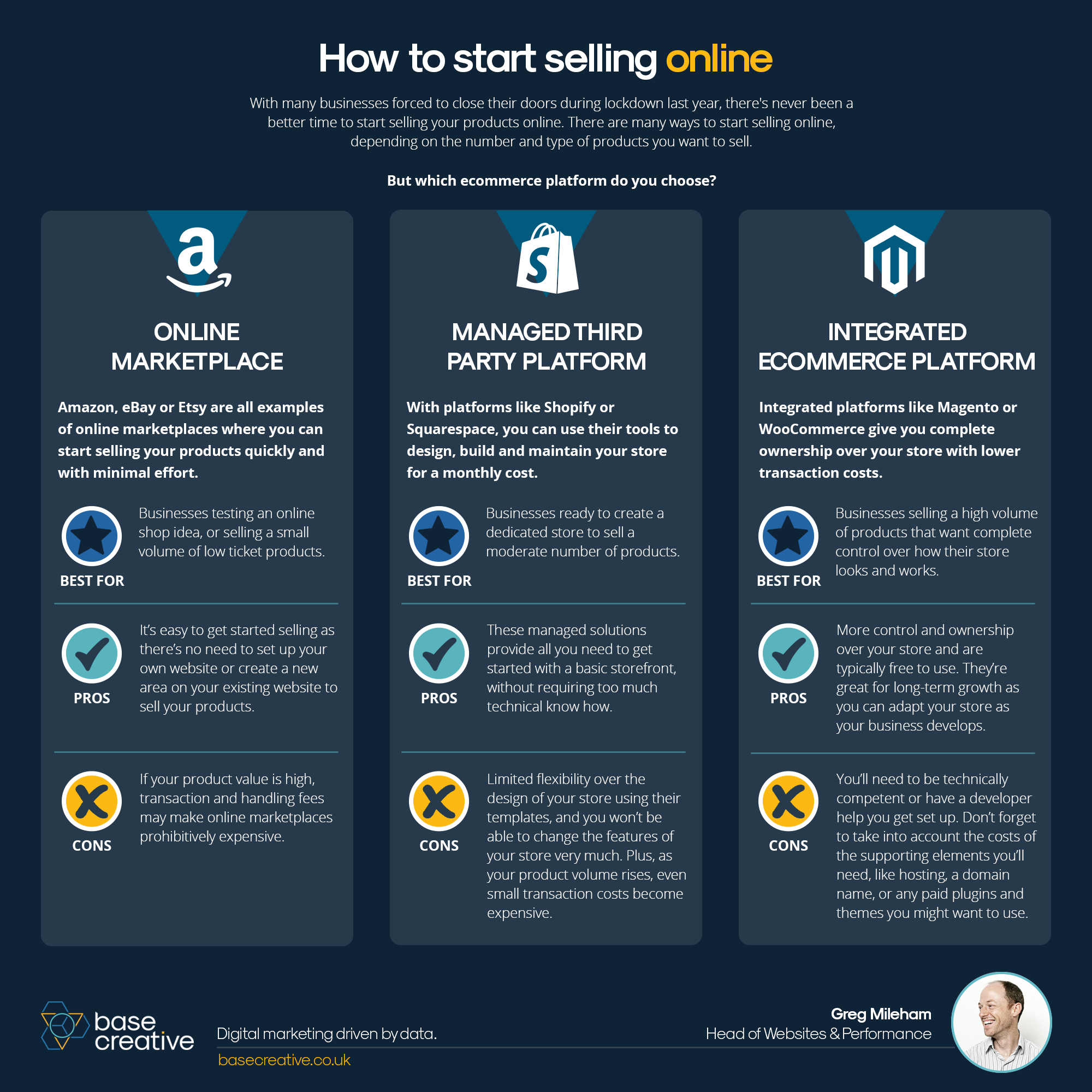
The platform you choose significantly impacts your reach, operational costs, and overall financial control. Each channel comes with its own financial implications.
- E-commerce Marketplaces (Amazon, Etsy, eBay): These platforms offer immediate access to vast customer bases. However, they typically come with higher transaction fees, listing fees, and stricter rules, which can impact your net income. For example, Amazon’s FBA fees can simplify logistics but cut deeply into margins if not managed carefully. Etsy is excellent for handmade or vintage items, but its niche focus may limit scalability for other product types.
- Social Commerce (Instagram Shopping, Facebook Marketplace): Leveraging social media for sales can be cost-effective for direct engagement, especially for brands with a strong visual presence. Fees are generally lower than traditional marketplaces, but you need to build your own audience. The key financial benefit here is often lower customer acquisition cost if you can convert your followers.
- Your Own Website (e.g., Shopify, WooCommerce): Building your own e-commerce site provides ultimate control over branding, customer data, and pricing, leading to potentially higher long-term profit margins. While initial setup costs for design and development might be higher, the recurring fees are often subscription-based, offering predictable expenditure. You also avoid marketplace commission fees, retaining a larger share of each sale. This option offers greater financial flexibility and scalability in the long run.
A multi-channel approach can often be the most financially robust strategy, diversifying your income streams and mitigating reliance on a single platform.
Strategies for Sales Growth and Conversion
Driving sales means more than just listing products; it requires strategic financial incentives and a focus on customer psychology.
- Financial Incentives (Discounts, Bundles, Loyalty Programs): Carefully planned promotions can boost sales volume. Discounts (e.g., “10% off your first order”) attract new customers, while product bundles (e.g., “Buy one, get one 50% off”) increase average order value (AOV). Loyalty programs can improve customer lifetime value (LTV) by rewarding repeat purchases, fostering long-term income. The key is to calculate the impact on your gross profit margin to ensure these incentives don’t erode profitability.
- Upselling/Cross-selling for Increased Average Order Value (AOV): Encourage customers to purchase higher-value items (upselling) or complementary products (cross-selling) at the point of sale. This increases the AOV without significantly increasing customer acquisition costs, directly improving your bottom line. “Customers who bought X also bought Y” prompts are a classic example.
- Minimizing Cart Abandonment: A high cart abandonment rate means lost revenue. Optimize your checkout process by offering clear pricing, multiple payment options, guest checkout, and transparent shipping costs. Proactive tactics like exit-intent pop-ups with a small discount or abandoned cart email sequences can financially recover a significant portion of lost sales. Every recovered sale is direct revenue.
Managing Inventory and Supply Chain for Financial Efficiency
Inventory management is a delicate financial balance. Too much stock ties up capital and risks obsolescence; too little can lead to missed sales and customer dissatisfaction.
- Avoiding Overstocking (Capital Tied Up): Excess inventory is a financial liability. It ties up cash that could be used elsewhere, incurs storage costs, and risks becoming unsellable. Implement inventory tracking systems to understand sales velocity and order quantities judiciously.
- Dropshipping (Minimal Upfront Investment, Lower Risk): For those with limited capital, dropshipping can be an attractive model. You only purchase products from a third-party supplier once a customer places an order, eliminating the need for upfront inventory investment. While profit margins can be thinner, the financial risk is significantly reduced, making it an excellent starting point for new sellers.
- Just-in-Time (JIT) Inventory: This strategy aims to receive goods only as they are needed for production or sale, minimizing storage costs and capital tied up in inventory. While more complex to implement, JIT can dramatically improve cash flow and financial efficiency. For smaller sellers, this might mean ordering smaller batches more frequently based on sales trends.
Financial Management and Sustainability for Online Sellers
Successful online selling is not just about making sales; it’s about effectively managing the money once it comes in. Robust financial practices are the backbone of a sustainable and growing online business.
Tracking Income, Expenses, and Profitability
Diligent record-keeping is non-negotiable for understanding your business’s financial health.
- Importance of Clear Financial Records: Maintain meticulous records of all income (sales, refunds, shipping fees received) and expenses (platform fees, product costs, marketing, software, shipping paid). This provides a clear picture of where your money is coming from and going to.
- Basic Accounting Software/Spreadsheets: Utilize simple accounting software (e.g., Wave, QuickBooks Self-Employed, FreshBooks) or even a well-organized spreadsheet. These tools automate calculations, categorize transactions, and generate basic financial reports.
- Key Performance Indicators (KPIs): Regularly monitor financial KPIs.
- Gross Profit Margin: (Revenue – Cost of Goods Sold) / Revenue. This tells you the profitability of your products before overheads.
- Net Profit Margin: (Net Income / Revenue). This indicates your overall business profitability after all expenses.
- Customer Acquisition Cost (CAC): Total marketing spend / Number of new customers. Helps evaluate marketing efficiency.
- Customer Lifetime Value (LTV): The total revenue a customer is expected to generate over their relationship with your business. Comparing LTV to CAC is crucial for long-term financial viability.
Understanding Taxes and Legal Financial Obligations
Compliance with tax laws and other financial regulations is critical to avoid penalties and ensure legitimacy.
- Sales Tax Collection and Remittance: Depending on your location and where your customers are, you may be legally required to collect and remit sales tax. Understand your nexus obligations and the varying rates. Many e-commerce platforms offer tools to help with sales tax calculation and reporting.
- Income Tax Implications for Online Sellers: As an online seller, your income is generally taxable. Understand the structure of your business (sole proprietorship, LLC, corporation) as this impacts how you file and pay taxes. Set aside a portion of your revenue for estimated quarterly taxes to avoid a large bill at year-end.
- Separating Personal and Business Finances: This is a golden rule for any entrepreneur. Open a separate business bank account and, ideally, a separate business credit card. This simplifies financial tracking, makes tax preparation easier, and protects personal assets if your business is structured as an LLC or corporation.
Reinvesting Profits for Scalable Growth
Once your business becomes profitable, the strategic decision of how to use those profits dictates future growth.
- When to Reinvest vs. Take Owner Draw: Early on, reinvesting a significant portion of profits back into the business is often wise. This could mean investing in better marketing, product development, inventory, or more efficient tools. As the business stabilizes, you can determine a regular owner’s draw for your personal income.
- Investing in Marketing, Product Development, Efficiency Tools: Reinvesting in these areas fuels growth. Better marketing attracts more customers, new product development expands your offerings, and efficiency tools (e.g., automation software) can reduce operational costs and free up your time.
- Building an Emergency Fund for the Business: Just like personal finance, a business emergency fund is crucial. This cash reserve can cover unexpected expenses, downturns in sales, or invest in opportunities that arise, ensuring the business’s resilience. Aim for 3-6 months of operating expenses.
Advanced Financial Strategies for Long-Term Success
As your online selling venture matures, exploring more sophisticated financial strategies can solidify its long-term viability and unlock greater income potential.
Diversifying Income Streams
Reliance on a single product, platform, or income source carries inherent risks. Diversification offers financial stability.
- Beyond Product Sales: Affiliate Marketing, Digital Products, Subscriptions: Explore complementary income streams. If you sell physical products, you could also engage in affiliate marketing for related items. Creating digital products (eBooks, online courses) can offer high-margin, scalable income. Subscription models (e.g., monthly product boxes, premium content access) provide recurring revenue.
- Reducing Reliance on a Single Product/Platform: If one product accounts for 80% of your sales, consider developing new flagship products. Similarly, if all your sales come from a single marketplace, explore selling on your own website or other platforms to spread risk. This financial diversification acts as a buffer against market shifts or platform policy changes.
Scaling Your Online Business Financially
Scaling involves growing your business without proportional increases in cost, leading to greater profitability.
- Obtaining Financing (Loans, Grants, Investors) if Needed: For significant growth, you might need external capital. Understand the different types of business loans, government grants, or potential investor funding. Each comes with its own financial implications, interest rates, and equity considerations. Prepare a solid business plan and financial projections to secure funding.
- Automating Financial Processes: As your volume increases, manual financial tasks become unsustainable. Invest in accounting software with integrations, automated invoicing, and payment processing. Automation reduces human error and frees up valuable time, which can then be focused on growth strategies.
- Outsourcing Non-Core Financial Tasks: Consider hiring a bookkeeper or accountant as your business scales. Their expertise can ensure compliance, optimize tax strategies, and provide deeper financial insights, ultimately saving you money and headaches in the long run. The cost of outsourcing is often outweighed by the financial benefits and peace of mind.
Exit Planning and Valuation
While focused on starting, having an eventual exit strategy in mind can shape your financial decisions from day one.
- Building Transferable Financial Assets: If you envision selling your business in the future, focus on building strong financial records, diversified revenue, a solid customer base, and clear intellectual property. These are the assets that contribute to a higher valuation.
- Understanding the Financial Value of Your Business: Familiarize yourself with common business valuation methods (e.g., multiples of earnings, asset-based valuation). Knowing what makes a business valuable financially helps you make strategic decisions now that will pay off later if you choose to sell.
Starting to sell online is an exciting journey brimming with financial potential. By approaching it with a strategic mindset towards budgeting, pricing, profit optimization, and diligent financial management, you not only navigate the initial challenges but also lay a robust foundation for a sustainable and prosperous digital income stream. The online marketplace is vast, but with sound financial planning, your path to digital success is clear.
aViewFromTheCave is a participant in the Amazon Services LLC Associates Program, an affiliate advertising program designed to provide a means for sites to earn advertising fees by advertising and linking to Amazon.com. Amazon, the Amazon logo, AmazonSupply, and the AmazonSupply logo are trademarks of Amazon.com, Inc. or its affiliates. As an Amazon Associate we earn affiliate commissions from qualifying purchases.