
The digital age has democratized entrepreneurship, making the dream of owning a business more accessible than ever before. Starting an online business isn’t just about creating a website or selling products; it’s fundamentally about establishing a sustainable source of income, building financial resilience, and ultimately, achieving a degree of financial independence that traditional employment might not offer. The allure of flexible hours, global reach, and the potential for significant financial growth makes the online realm an incredibly attractive avenue for aspiring entrepreneurs.
However, turning this dream into a tangible reality requires more than just enthusiasm. It demands meticulous planning, strategic financial foresight, and a disciplined approach to execution. This guide is designed to navigate you through the essential financial and practical considerations involved in launching and scaling a successful online business, ensuring you build a venture that is not only fulfilling but also robustly profitable. We will focus squarely on the monetary aspects, from identifying lucrative opportunities to managing finances and driving sustained revenue growth.
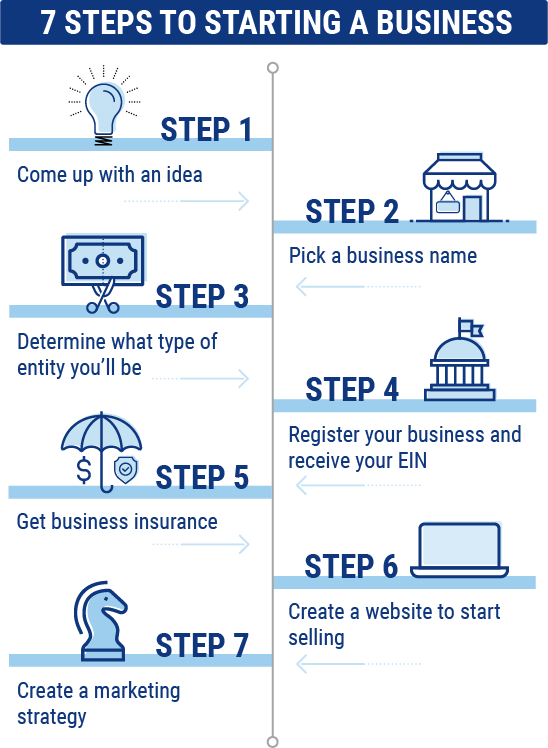
Laying the Financial Foundation: Ideation and Market Validation
Before investing a single dollar or minute, a solid financial foundation must be laid. This involves meticulous research and planning to ensure your chosen venture has a genuine potential for profitability. It’s about minimizing risk and maximizing your return on investment from the outset.
Identifying Profitable Niches and Business Models
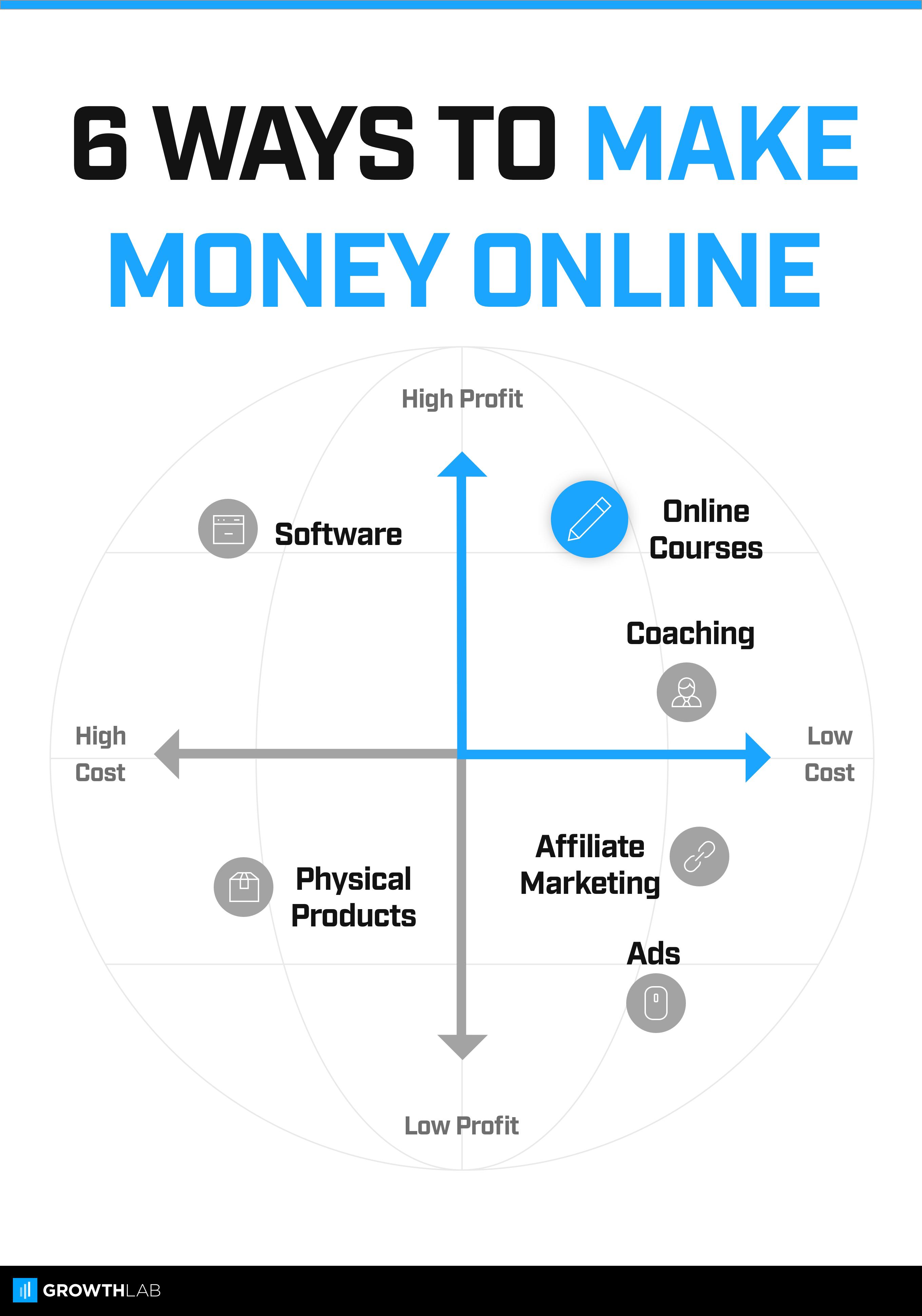
The first step in any financially sound online venture is to pinpoint a profitable niche. This isn’t about passion alone; it’s about identifying a specific problem that a defined group of people are willing to pay to solve. Consider areas with high demand, low competition (initially), and strong profit margins. Online business models are diverse, each with unique revenue streams and cost structures:
- E-commerce/Dropshipping: Selling physical products. E-commerce requires inventory investment, while dropshipping reduces initial capital but can have thinner margins.
- Digital Products (eBooks, courses, software): High-margin potential once created, minimal ongoing costs.
- Services (consulting, coaching, freelancing): Leverages your skills, scalable by hiring others.
- Affiliate Marketing: Earning commissions by promoting others’ products. Low startup costs but income reliant on conversion rates.
- Content Creation (blogs, YouTube, podcasts): Monetized through ads, sponsorships, and direct sales, building long-term assets.
Evaluate each model based on its startup cost, scalability, and potential for sustainable income generation relevant to your skills and market demand.
Conducting Thorough Market Research for Financial Viability
Once a niche and business model are identified, comprehensive market research is crucial to validate its financial viability. This involves understanding your target audience’s purchasing power and willingness to pay. Analyze competitors’ pricing strategies, their market share, and what gaps they might be leaving unaddressed. Tools like Google Trends, Ahrefs, SEMrush, or even simple surveys can help estimate market size, identify keywords with commercial intent, and reveal unmet needs that your business can fulfill. This research helps you determine if there’s enough demand to generate a healthy revenue stream and if your proposed pricing aligns with market expectations and covers your costs. Without clear evidence of demand and a readiness to pay, even the most innovative idea can struggle financially.
Crafting a Robust Business Plan: The Financial Blueprint
A well-structured business plan acts as your financial roadmap. It compels you to detail your startup costs, including website development, marketing tools, legal fees, initial inventory, and software subscriptions. Crucially, it involves creating detailed financial projections: revenue forecasts, operating expenses (e.g., hosting, subscriptions, marketing spend), and most importantly, a break-even analysis. This analysis reveals the point at which your revenue equals your costs, indicating when your business will start making a profit. Your business plan should also outline your funding strategy – whether you’ll self-fund, bootstrap, seek loans, or pursue investors – and establish clear, measurable financial goals for short-term profitability and long-term growth. This financial blueprint is indispensable for securing funding, attracting partners, and guiding your operational decisions to ensure fiscal discipline.
Structuring Your Online Business for Financial Success
Beyond the initial idea, the way you structure and manage your online business significantly impacts its financial health, legal compliance, and tax obligations. Overlooking these foundational elements can lead to costly mistakes down the line, eroding potential profits and creating unnecessary financial stress.

Legal and Tax Considerations for Online Income
Understanding the legal and tax landscape is paramount. The choice of business structure (e.g., Sole Proprietorship, LLC, Corporation) directly influences your tax obligations, personal liability, and administrative burden. For most solo online entrepreneurs, a Sole Proprietorship is simple but offers no personal asset protection. An LLC (Limited Liability Company) provides liability protection and can offer tax advantages, making it a popular choice. Research state and federal tax requirements, including income tax, self-employment tax, and potentially sales tax if you sell physical products. Crucially, establish separate business banking accounts from day one. This simplifies financial tracking, makes tax preparation easier, and reinforces the legal distinction between you and your business, which is vital for an LLC. Diligent record-keeping of all income and expenses is not just good practice but a legal necessity for accurate tax reporting.
Essential Tools and Platforms (with a financial lens)
The digital ecosystem offers a plethora of tools, but selecting them should always be viewed through a financial lens: cost-effectiveness versus value and scalability.
- Website/E-commerce Platforms: Options like Shopify, WooCommerce, or Squarespace come with varying subscription fees, transaction costs, and features. Choose one that aligns with your budget, technical skill level, and future growth potential without overspending on unnecessary functionalities.
- Payment Gateways: Stripe, PayPal, Square, etc., are essential for accepting payments online. Compare their transaction fees, payout schedules, and security features to ensure they don’t eat excessively into your margins.
- Financial Management Software: Tools like QuickBooks, Xero, or Wave are invaluable for tracking income and expenses, invoicing clients, managing budgets, and generating financial reports. These simplify bookkeeping, help you monitor profitability, and streamline tax season.
- Email Marketing Tools: Services like Mailchimp or ConvertKit have a strong ROI as they enable direct communication with customers, fostering loyalty and driving repeat sales more cost-effectively than constant acquisition. Evaluate free tiers versus paid plans based on your list size and feature needs.
Budgeting and Resource Allocation
Effective budgeting is the backbone of financial success in any online business. Start by creating a detailed startup budget, itemizing every initial expense. Follow this with an ongoing operating budget that accounts for monthly fixed costs (subscriptions, hosting) and variable costs (marketing spend, transaction fees). Prioritize essential investments that directly contribute to revenue or efficiency. Embrace bootstrapping strategies where possible, leveraging free tools, performing tasks yourself, and seeking cost-effective solutions to minimize initial outlay. Every dollar saved in startup costs is a dollar that doesn’t need to be recouped through sales. Critically, allocate your resources – time, money, and effort – to areas that promise the highest return on investment, such as marketing initiatives that attract high-quality leads or product improvements that boost customer satisfaction and retention.
Driving Revenue and Scaling Your Online Venture
Once your online business is established and structured, the focus shifts to generating consistent revenue and strategically scaling your operations for long-term financial growth. This requires a proactive approach to sales, marketing, and continuous financial analysis.
Strategic Pricing and Profit Maximization
Pricing is a delicate art, directly impacting your profitability. Avoid underpricing your products or services, which can devalue your offerings and make it difficult to cover costs. Consider various pricing strategies:
- Cost-plus pricing: Adding a markup to your production costs.
- Value-based pricing: Setting prices based on the perceived value to the customer, often allowing for higher margins.
- Competitive pricing: Aligning with or slightly undercutting competitors, though this can lead to a race to the bottom.
Beyond initial pricing, strategies like upselling (offering a premium version), cross-selling (suggesting related products), and bundling products can significantly increase the average order value (AOV) and, consequently, your overall revenue. For businesses with physical products, managing inventory efficiently is crucial to prevent capital from being tied up in unsold goods and to optimize cash flow. Understanding the lifetime value (LTV) of a customer is also key, as it helps justify acquisition costs and incentivizes retention efforts.
Effective Marketing for Financial Returns
Marketing is an investment, not an expense, and should always be viewed through the lens of its financial return. Focus on marketing channels that offer measurable ROI:
- Search Engine Optimization (SEO): Drives organic (free) traffic by improving your visibility on search engines, a long-term asset.
- Paid Advertising (Google Ads, Social Media Ads): Offers immediate visibility and highly targeted reach, but requires careful budget management and continuous optimization to ensure a positive Return on Ad Spend (ROAS).
- Content Marketing: Creating valuable blog posts, videos, or podcasts attracts an audience and builds authority, indirectly leading to sales.
- Email Marketing: Cultivating an email list allows for direct, low-cost communication with potential and existing customers, boasting one of the highest ROIs in marketing.
Set clear marketing budgets, track Key Performance Indicators (KPIs) like customer acquisition cost (CAC), conversion rates, and ROAS. Use analytics to constantly refine your campaigns, eliminating underperforming strategies and doubling down on those that deliver the best financial results. Every marketing dollar must work hard to bring in more revenue than it costs.
Monitoring Financial Performance and Adapting
Continuous financial monitoring is non-negotiable for sustained success. Regularly review your financial statements, including profit and loss statements, cash flow statements, and balance sheets. Pay close attention to KPIs such as your gross and net profit margins, customer acquisition cost, conversion rates, and churn rate. These metrics provide critical insights into your business’s health and highlight areas needing improvement. Be prepared to adapt your strategy based on these financial insights – whether it means adjusting pricing, optimizing marketing spend, diversifying product offerings, or streamlining operations to reduce costs. Make informed decisions about reinvesting profits back into the business for sustainable growth versus taking owner draws. Planning for scalability means anticipating increased operational costs with growth and ensuring your financial model can support expansion without jeopardizing profitability.
Starting an online business is a journey toward financial independence, marked by significant potential and equally significant responsibilities. By meticulously laying your financial foundation, structuring your operations with foresight, and relentlessly focusing on revenue generation and cost optimization, you can transform a digital idea into a thriving, profitable enterprise. The path requires discipline, continuous learning, and a willingness to adapt, but with a robust financial strategy at its core, your online venture can truly unlock the freedom and success you envision.
aViewFromTheCave is a participant in the Amazon Services LLC Associates Program, an affiliate advertising program designed to provide a means for sites to earn advertising fees by advertising and linking to Amazon.com. Amazon, the Amazon logo, AmazonSupply, and the AmazonSupply logo are trademarks of Amazon.com, Inc. or its affiliates. As an Amazon Associate we earn affiliate commissions from qualifying purchases.