
Starting a home-based business offers unparalleled flexibility and the potential for significant financial independence. However, success hinges critically on a robust understanding and meticulous management of its financial underpinnings. From initial capital allocation to sustainable income generation and strategic financial growth, a money-centric approach is paramount. This guide focuses exclusively on the financial journey of establishing and scaling your home venture.
Laying the Financial Foundation: Initial Capital and Budgeting
The bedrock of any successful home business is a clear financial plan, beginning with securing initial capital and establishing a realistic budget. Without a solid understanding of your financial starting line and ongoing costs, even the most brilliant business idea can falter.
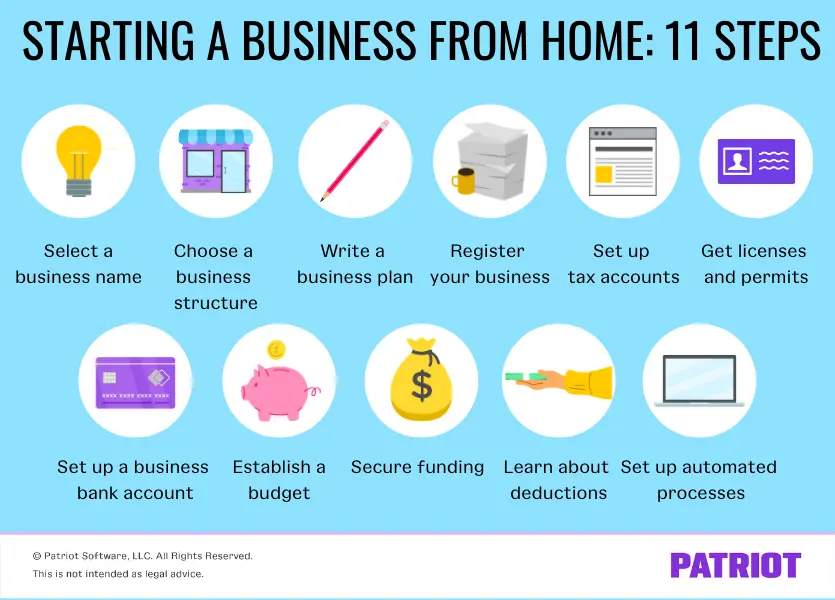
Assessing Startup Costs and Funding Sources
Before launching, meticulously identify every anticipated expense. This goes beyond obvious purchases and includes less tangible but equally crucial costs.
- Essential Equipment & Software: Computer, printer, specialized tools, industry-specific software licenses, website hosting, domain registration, professional email service.
- Legal & Administrative Fees: Business registration, licenses, permits, legal consultation for contracts or intellectual property, obtaining an Employer Identification Number (EIN) if applicable.
- Initial Inventory/Supplies (if applicable): Raw materials, products to be sold, packaging.
- Marketing & Branding (initial phase): Cost of logo design (if outsourced), initial social media ads, business cards.
- Professional Services: Initial consultation fees for accountants or financial advisors.
- Operating Cushion: A critical component often overlooked, this is 3-6 months of operating expenses to cover overhead while revenue stabilizes.
Once startup costs are tallied, explore funding options. Many home-based businesses start lean, leveraging personal savings, but other avenues exist:
- Personal Savings: The most common and often lowest-risk option. Assess your emergency fund first to ensure your personal finances remain secure.
- Friends and Family: A potential source, but treat these arrangements with formal loan agreements to avoid personal strain.
- Small Business Loans: Traditional banks, credit unions, or online lenders offer various loan products. Be prepared with a detailed business plan and financial projections.
- Microloans: Often available from non-profit organizations or government-backed programs, these are smaller loans designed for new or small businesses.
- Grants: Industry-specific or demographic-specific grants can provide non-repayable funds, though competition is fierce.
- Crowdfunding: Platforms allow you to raise small amounts of capital from a large number of individuals, often in exchange for pre-orders or unique perks.
Crafting a Detailed Operational Budget
Beyond startup costs, a sustainable home business requires a robust operational budget. This outlines recurring expenses and helps predict cash flow.
- Fixed Costs: Expenses that remain constant regardless of sales volume, such as monthly software subscriptions, web hosting, insurance, and loan repayments.
- Variable Costs: Expenses that fluctuate with business activity, such as raw materials per product, transaction fees, and shipping costs.
- Home Office Expenses: While working from home, a portion of your utilities, internet, phone, and rent/mortgage may be deductible as business expenses. Track these meticulously.
- Marketing & Advertising: Allocate a consistent budget for ongoing promotional activities to acquire and retain customers.
- Contingency Fund: Always budget for unexpected expenses or downturns. A good rule of thumb is 10-15% of your total operational budget.
Regularly review and adjust your budget. This isn’t a one-time exercise but an ongoing financial discipline that adapts to market changes and business growth.
Monetization Strategies: Identifying Your Income Streams
The financial viability of your home business hinges on its ability to generate consistent revenue. This requires a clear understanding of your value proposition and how you will convert that value into income.
Defining Your Value and Pricing Model
Your product or service must solve a problem or fulfill a need for your target customers. From a financial perspective, the perceived value directly influences what customers are willing to pay.
- Cost-Plus Pricing: Calculate your total costs (materials, labor, overhead) and add a desired profit margin. Simple, but may not reflect market value.
- Value-Based Pricing: Set prices based on the perceived value your product or service provides to the customer, rather than just your costs. This often allows for higher margins.
- Competitor-Based Pricing: Research what your competitors charge for similar offerings. This helps position your prices competitively, though differentiating on value allows for premium pricing.
- Hourly Rates: Common for service-based businesses. Ensure your hourly rate covers your desired income, overhead, and an allowance for non-billable time.
- Project-Based Fees: Offer a flat fee for specific projects. This provides predictability for both you and your client.
- Subscription Models: Recurring revenue for ongoing access to content, software, or services, providing stable and predictable income.
- Tiered Pricing: Offer different packages (e.g., basic, standard, premium) with varying features and price points to appeal to a broader customer base.
Consider the psychological aspect of pricing, such as using prices ending in .99 or offering bundle deals. Clearly articulate the financial benefits and return on investment (ROI) your customers will gain by choosing your offering.
Diversifying Income Streams for Stability
Relying on a single source of income can be precarious. Explore ways to diversify to build financial resilience and increase overall revenue potential.
- Product vs. Service: If you offer services, consider creating digital products (eBooks, online courses, templates) that can generate passive income. Conversely, if you sell physical products, could you offer related services (e.g., customization, workshops)?
- Affiliate Marketing: Promote complementary products or services from other businesses and earn a commission on sales generated through your unique link.
- Advertising: If you have a popular blog or website, monetizing through display ads (e.g., Google AdSense) or sponsored content can add revenue.
- Consulting/Coaching: Leverage your expertise to offer one-on-one or group consulting sessions, often at a premium rate.
- Licensing: If you create unique intellectual property (e.g., designs, software), consider licensing it for a fee.
- Partnerships: Collaborate with other home-based businesses on joint ventures, sharing revenue from specific projects or offerings.

The goal is to create a portfolio of income-generating activities that can withstand fluctuations in any single stream, providing a more stable financial outlook for your home business.
Managing Business Finances: Tools, Tracking, and Taxes
Effective financial management is more than just making money; it’s about tracking where it comes from, where it goes, and ensuring compliance with financial regulations. This crucial aspect underpins profitability and long-term sustainability.
Implementing Robust Financial Tracking Systems
Accurate record-keeping is non-negotiable for a home business. It provides insights into financial health, supports budgeting, and simplifies tax preparation.
- Dedicated Business Bank Account: Separate your personal and business finances immediately. This simplifies tracking, presents a professional image, and is essential for tax purposes.
- Accounting Software: Invest in user-friendly accounting software (e.g., QuickBooks Self-Employed, FreshBooks, Wave Accounting, Xero). These tools automate invoicing, expense tracking, income categorization, and generate financial reports.
- Expense Tracking: Scan receipts, categorize expenses, and track mileage. Many accounting apps offer mobile solutions for on-the-go tracking. Understanding your expenses is vital for identifying areas for cost reduction and maximizing deductions.
- Income Reconciliation: Regularly match payments received against invoices issued. This ensures all revenue is accounted for and helps manage accounts receivable effectively.
- Financial Reports: Utilize your accounting software to generate Profit & Loss (P&L) statements, balance sheets, and cash flow statements. These reports offer a snapshot of your business’s financial performance and position.
Regularly review these reports – monthly, quarterly, and annually – to spot trends, identify potential issues, and make informed financial decisions.
Understanding Tax Obligations and Deductions
Taxes are a significant financial consideration for any business owner, especially those operating from home. Proactive planning can minimize liabilities and maximize legitimate deductions.
- Business Structure: Your business structure (sole proprietorship, LLC, S-corp) impacts your tax obligations. Consult with a tax professional to determine the most advantageous structure for your specific situation.
- Estimated Taxes: As a self-employed individual, you are generally required to pay estimated taxes quarterly to the IRS (and state, if applicable). Failing to do so can result in penalties.
- Self-Employment Tax: Covers Social Security and Medicare taxes for self-employed individuals. This is in addition to income tax.
- Deductible Expenses: Many legitimate business expenses can reduce your taxable income. Common deductions for home-based businesses include:
- Home Office Deduction: A portion of your rent/mortgage, utilities, internet, and homeowner’s insurance if you use a dedicated space exclusively and regularly for business.
- Business Insurance: Liability, property, or professional indemnity insurance premiums.
- Vehicle Expenses: Mileage, fuel, maintenance for business-related travel.
- Professional Development: Courses, conferences, books related to your business.
- Software & Subscriptions: Tools essential for your business operations.
- Advertising & Marketing: Costs associated with promoting your business.
- Sales Tax: If you sell physical products or certain services, you may be required to collect and remit sales tax. This varies significantly by state and locality.
- Retirement Planning: Consider self-employed retirement accounts like a SEP IRA or Solo 401(k), which offer tax advantages and help secure your financial future.
Engaging a qualified accountant or tax advisor is highly recommended. Their expertise can help you navigate complex tax laws, ensure compliance, and identify all eligible deductions, saving you money in the long run.
Strategic Growth & Profitability: Reinvesting and Scaling
Once your home business is generating revenue, the focus shifts to strategic growth and enhancing profitability. This involves making astute financial decisions about reinvestment, managing cash flow, and planning for the long term.
Maximizing Profitability and Cash Flow
Profitability is about more than just gross revenue; it’s about the net income after all expenses. Cash flow, meanwhile, is the movement of money in and out of your business, dictating your operational liquidity.
- Monitor Key Performance Indicators (KPIs): Track metrics like gross profit margin, net profit margin, customer acquisition cost (CAC), customer lifetime value (CLTV), and conversion rates. Understanding these numbers helps you identify areas for improvement.
- Cost Control: Regularly review your expenses to identify opportunities for reduction without compromising quality or service. Negotiate with suppliers, evaluate subscription services, and optimize operational processes.
- Pricing Optimization: Periodically review your pricing strategy. As your reputation grows or market conditions change, you may be able to increase prices, especially if you continuously enhance your value proposition.
- Invoice Management: Implement clear payment terms and follow up promptly on overdue invoices to maintain healthy cash flow. Consider offering incentives for early payment or charging late fees.
- Emergency Fund: Just as important as a personal emergency fund, maintaining a business cash reserve (e.g., 3-6 months of operating expenses) protects against unexpected financial shocks or seasonal dips.
Focusing on both profit margins and efficient cash flow management ensures your business remains solvent and has the resources to capitalize on growth opportunities.
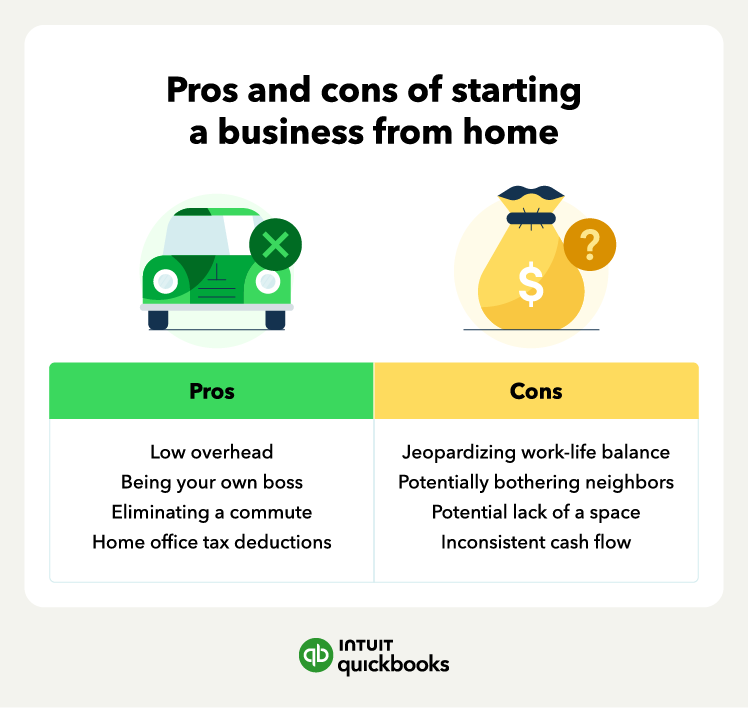
Reinvestment Strategies and Financial Scaling
Growth often requires strategic reinvestment of profits back into the business. This fuels expansion and enhances future earning potential.
- Invest in Efficiency: Upgrade equipment, software, or systems that can automate tasks, reduce manual labor, and improve productivity. This often translates to higher output per dollar spent.
- Marketing & Sales Expansion: Allocate funds to scale your marketing efforts, explore new advertising channels, or hire sales support to reach a wider audience.
- Product/Service Development: Reinvest in research and development to create new offerings, enhance existing ones, or expand into new niches. This keeps your business competitive and relevant.
- Skill Development: Invest in your own professional development through courses, workshops, or certifications. Your expertise is a key asset.
- Outsourcing/Hiring: As your workload increases, strategically hire freelancers or employees for tasks that consume too much of your time or require specialized skills, freeing you to focus on high-value activities. Ensure you budget for salaries, benefits, and related taxes.
- Debt Reduction: Use excess profits to pay down high-interest business debt, reducing financial risk and freeing up cash flow.
Scaling a home business financially means more than just increasing revenue; it means optimizing your financial model to handle increased demand efficiently and profitably. This involves foreseeing capital needs for expansion, understanding the ROI of your investments, and adjusting your budget and financial forecasts accordingly. Long-term financial planning, including exit strategies or succession planning, also becomes relevant as your home business matures and thrives.
aViewFromTheCave is a participant in the Amazon Services LLC Associates Program, an affiliate advertising program designed to provide a means for sites to earn advertising fees by advertising and linking to Amazon.com. Amazon, the Amazon logo, AmazonSupply, and the AmazonSupply logo are trademarks of Amazon.com, Inc. or its affiliates. As an Amazon Associate we earn affiliate commissions from qualifying purchases.