
In an increasingly digital world, the once exclusive realm of stock market investing has become remarkably accessible to everyone. Gone are the days when you needed a high-net-worth advisor or a direct line to Wall Street to participate. Today, anyone with an internet connection and a desire to grow their wealth can start investing in stocks online. This guide aims to demystify the process, providing a professional, insightful, and engaging roadmap for beginners looking to embark on their online investing journey.
The allure of online stock investing is undeniable: the potential for significant wealth creation, the thrill of participating in the growth of innovative companies, and the unprecedented control it offers over your financial future. However, with accessibility comes responsibility and the need for a solid understanding of the market’s fundamentals. This article will walk you through the essential steps, from understanding the basics to making your first trade and navigating common pitfalls, ensuring you approach the stock market with confidence and a clear strategy.
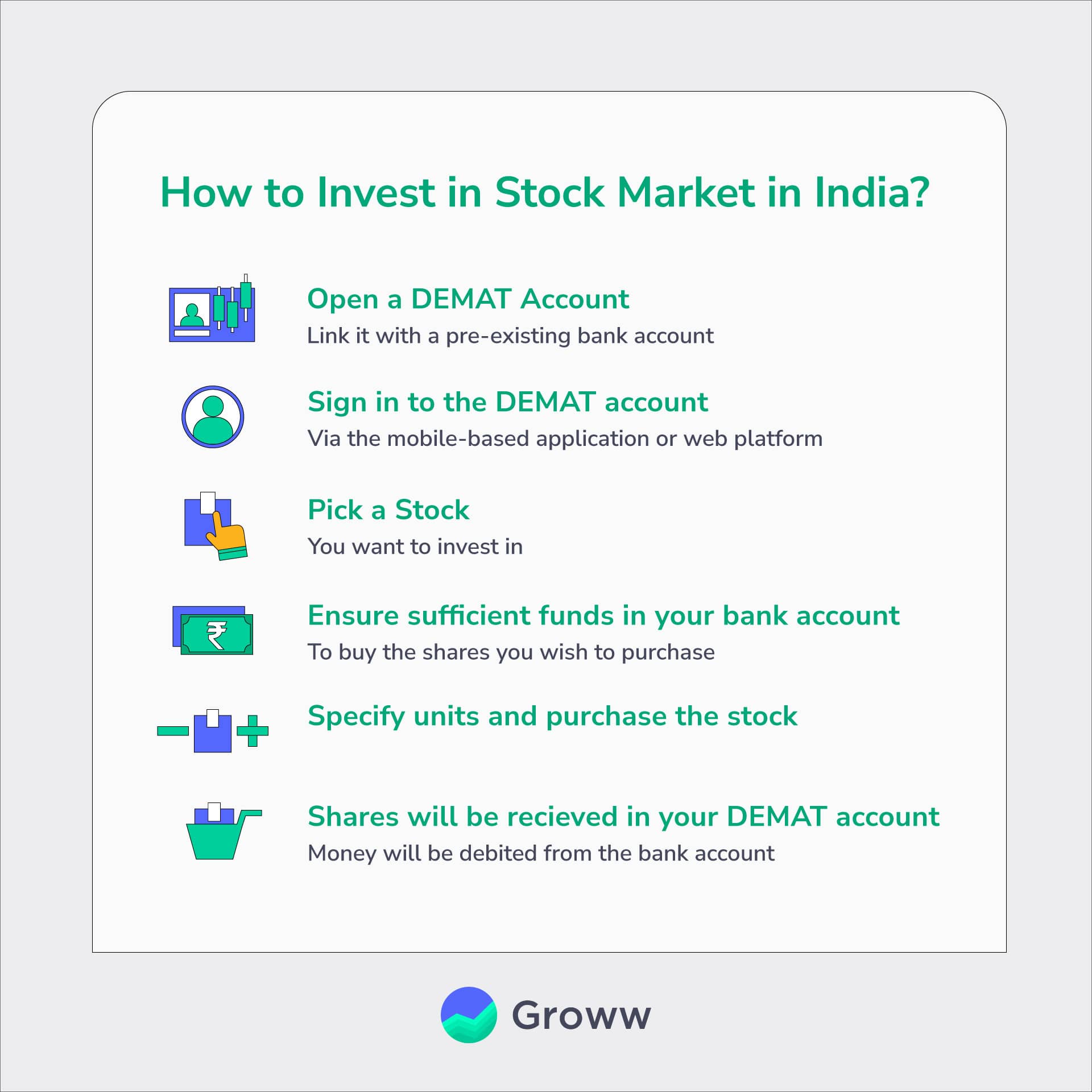
Laying the Foundation: Understanding the Basics of Online Investing
Before you even consider opening a brokerage account, it’s crucial to grasp the fundamental concepts of stock investing and the unique advantages and considerations of doing so online. This foundational knowledge will serve as your compass in the dynamic world of financial markets.
What is Stock Investing?
At its core, a stock represents a fractional ownership interest in a company. When you buy a company’s stock, you become a shareholder, meaning you own a tiny piece of that business. Companies issue stocks for various reasons, primarily to raise capital for expansion, research, or debt repayment. As a shareholder, you can profit in two primary ways:
-
Capital Appreciation: If the company performs well and its value increases, the price of its stock tends to rise. You can then sell your shares for more than you paid for them.
-
Dividends: Some profitable companies distribute a portion of their earnings to shareholders in the form of regular payments called dividends. These can be a steady source of income, especially for long-term investors.
Understanding these basics is the first step towards demystifying the stock market and appreciating the potential for wealth creation it offers.
The Online Advantage
Investing in stocks online has revolutionized personal finance, offering several compelling advantages over traditional methods:
-
Unprecedented Accessibility: You can buy and sell stocks from anywhere, at any time (during market hours), using a computer or a mobile device. This eliminates geographical barriers and significantly reduces the time commitment traditionally associated with investing.
-
Lower Fees and Commissions: The rise of online brokerages has led to a dramatic reduction, and in many cases, elimination of trading commissions. This means more of your money goes directly into investments rather than fees, a significant benefit, especially for those starting with smaller amounts.
-
Empowered Control: Online platforms put you directly in the driver’s seat. You have immediate access to market data, research tools, and the ability to execute trades instantly, giving you full control over your investment decisions.
-
Diverse Options: Online brokers typically offer a vast array of investment products beyond individual stocks, including Exchange Traded Funds (ETFs), mutual funds, bonds, and even cryptocurrencies, all from a single platform.
While the online environment offers immense power, it also demands personal responsibility for research and decision-making.
Risk vs. Reward: A Fundamental Consideration
Every investment carries a degree of risk, and stocks are no exception. The value of stocks can fluctuate based on company performance, industry trends, economic conditions, and geopolitical events. There’s always a possibility that the value of your investments could decrease, leading to losses. This is known as market volatility.
However, the potential rewards for investing in stocks over the long term are substantial. Historically, the stock market has provided significant returns, outperforming most other asset classes. The key lies in balancing this inherent risk with the potential for long-term growth and understanding your personal risk tolerance. This refers to your ability and willingness to endure potential losses in exchange for higher returns. Assessing your risk tolerance – whether you’re conservative, moderate, or aggressive – will be a crucial factor in shaping your investment strategy.
Essential Steps Before You Invest Your First Dollar
Jumping into the stock market without proper preparation is akin to sailing into unknown waters without a map. A few critical preparatory steps will not only safeguard your finances but also set the stage for a more successful and less stressful investing experience.
Define Your Financial Goals and Time Horizon
Before you buy your first stock, ask yourself: Why am I investing? Your financial goals dictate your investment strategy. Are you saving for:
-
Short-term goals (1-3 years): A down payment on a house, a new car, or a vacation? Stocks might be too volatile for such short timeframes.
-
Medium-term goals (3-10 years): A child’s college education or a significant home renovation?
-
Long-term goals (10+ years): Retirement planning, significant wealth accumulation?
Long-term goals generally allow for a more aggressive investment approach, as you have more time to recover from market downturns. Clearly defining your goals will help you choose appropriate investments and maintain discipline.
Build a Robust Emergency Fund
This is arguably the most critical pre-investment step. An emergency fund is a readily accessible pool of money (ideally in a high-yield savings account) that can cover 3 to 6 months’ worth of living expenses. Its purpose is to act as a financial buffer against unexpected events like job loss, medical emergencies, or unforeseen home repairs.
Investing money that you might need in the short term is risky because you could be forced to sell your investments at a loss if an emergency strikes. Prioritize building this safety net before allocating funds to the stock market.
Understand Your Personal Risk Tolerance
As mentioned earlier, risk tolerance is paramount. It’s not just about how much money you can afford to lose, but also how much you are willing to lose psychologically. A conservative investor might prioritize capital preservation, while an aggressive investor might seek higher returns despite higher volatility. Factors influencing your risk tolerance include:
-
Age: Younger investors often have a longer time horizon and can generally afford to take on more risk.
-
Income Stability: A stable job and reliable income can make you more comfortable with market fluctuations.
-
Existing Debts: High-interest debt should generally be addressed before significant stock market investing.
Many online brokerages offer questionnaires to help you assess your risk tolerance, providing valuable insights as you shape your portfolio.
Research and Continuous Education
The stock market is a complex ecosystem, and continuous learning is non-negotiable for long-term success. While you don’t need to be a financial expert, a basic understanding of market mechanics, economic indicators, and how to analyze companies is essential.
-
Reliable Sources: Read reputable financial news outlets, books on investing, and educational materials provided by legitimate financial institutions.
-
Company Research: Learn to analyze a company’s financial statements (income statement, balance sheet, cash flow statement) to understand its health and growth prospects (fundamental analysis). Understand basic valuation metrics like Price-to-Earnings (P/E) ratios.
-
Market Trends: Familiarize yourself with broader economic trends, industry news, and geopolitical events that can impact stock prices.
Never stop learning. The more informed you are, the better equipped you’ll be to make sound investment decisions.
Choosing the Right Online Brokerage
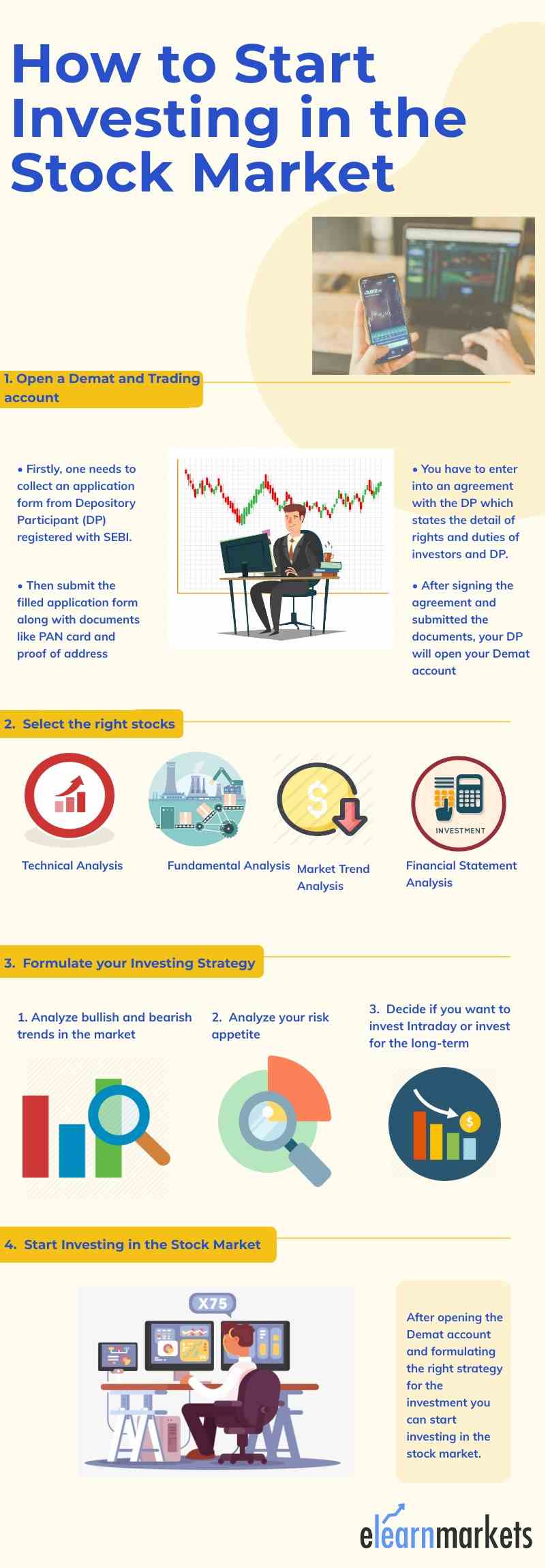
Your online brokerage is your gateway to the stock market. Selecting the right platform is a critical decision that can significantly impact your investing experience. Consider the following factors when making your choice.
Key Factors to Consider
-
Fees and Commissions: While many brokers now offer commission-free stock and ETF trading, always check for other potential fees, such as account maintenance fees, inactivity fees, or fees for transferring funds. These can eat into your returns over time.
-
Investment Options: Ensure the brokerage offers the types of investments you’re interested in (e.g., individual stocks, ETFs, mutual funds, options, fractional shares). Some platforms specialize, while others offer a broad spectrum.
-
User Interface and Tools: For beginners, a clean, intuitive, and easy-to-navigate platform is crucial. Look for platforms that offer robust research tools, real-time data, customizable watchlists, and clear charting capabilities. Practice accounts (paper trading) can also be invaluable.
-
Customer Support: When you have questions or encounter issues, accessible and responsive customer support (phone, chat, email) can make a huge difference.
-
Educational Resources: Many top brokers offer extensive educational materials, webinars, articles, and tutorials specifically designed for new investors. These resources can be a significant asset in your learning journey.
-
Security and Regulation: Ensure the brokerage is regulated by relevant authorities (e.g., SEC and FINRA in the U.S.) and offers Securities Investor Protection Corporation (SIPC) insurance, which protects your securities up to $500,000 in case the brokerage firm fails.
Types of Online Brokerage Accounts
You’ll encounter different account types, each with specific features and tax implications:
-
Individual Taxable Brokerage Accounts: These are the most common and flexible accounts, suitable for general investing. Earnings are subject to capital gains tax.
-
Retirement Accounts (IRAs):
-
Traditional IRA: Contributions might be tax-deductible, and earnings grow tax-deferred until retirement.
-
Roth IRA: Contributions are made with after-tax money, but qualified withdrawals in retirement are tax-free.
Both offer significant tax advantages for long-term retirement savings.
-
-
Robo-Advisors: These platforms use algorithms to manage your investments based on your financial goals and risk tolerance, often at a lower fee than traditional financial advisors. They’re excellent for hands-off investors who prefer automated diversification.
-
Self-Directed Brokerages: These offer maximum control and are ideal for investors who want to actively choose and manage their own investments.
Choosing between these often depends on your financial goals, tax situation, and how much control you want over your portfolio.
Making Your First Online Investment
Once you’ve done your homework and selected a brokerage, it’s time for the exciting step of making your first investment. This process, while seemingly daunting, is straightforward with the right approach.
Funding Your Account
The first step is to deposit money into your brokerage account. The most common methods include:
-
ACH Transfer: This electronically links your bank account to your brokerage account, allowing for free and relatively quick transfers (typically 1-3 business days).
-
Wire Transfer: Faster but often involves a fee, usually for larger sums.
-
Check Deposit: Slower and less common for online brokerages.
Be aware of settlement periods, which means it might take a few days for funds to fully clear and become available for trading.
Diversification is Key
The adage “Don’t put all your eggs in one basket” is nowhere more true than in investing. Diversification is the strategy of spreading your investments across various assets to reduce risk. Instead of putting all your money into a single company’s stock, you should aim to invest in:
-
Different Industries: Technology, healthcare, consumer goods, finance, etc.
-
Different Company Sizes: Large-cap, mid-cap, small-cap companies.
-
Different Geographies: Domestic and international markets.
Exchange Traded Funds (ETFs) and Mutual Funds are excellent tools for instant diversification, as they hold a basket of many different stocks or other assets, often tracking a specific index or sector. For beginners, these are often a safer and more effective starting point than picking individual stocks.
Placing Your First Trade
When you’re ready to buy, you’ll typically encounter two main order types:
-
Market Order: This instructs your broker to buy or sell a stock immediately at the best available current price. It’s simple but the execution price might differ slightly from what you saw moments before, especially in volatile markets.
-
Limit Order: This allows you to specify the maximum price you’re willing to pay to buy a stock (or the minimum price to sell). Your order will only execute if the stock reaches that price or better. This offers more control but there’s no guarantee the order will fill.
For beginners, especially with smaller capital, consider utilizing fractional shares, which many brokers now offer. This allows you to invest a specific dollar amount (e.g., $50) into a high-priced stock, owning a fraction of a share, making expensive stocks more accessible. Start small, get comfortable with the process, and gradually increase your investment size as your knowledge and confidence grow.
Monitoring and Rebalancing Your Portfolio
Investing is not a “set it and forget it” endeavor. While you shouldn’t obsessively check your portfolio daily, regular monitoring is important. This involves:
-
Periodic Review: Annually or semi-annually, review your portfolio’s performance against your goals.
-
Staying Informed: Keep abreast of major market news, economic developments, and any significant changes in the companies you own.
-
Rebalancing: Over time, some investments will perform better than others, causing your portfolio’s asset allocation to drift from your desired targets. Rebalancing involves selling some of the outperformers and buying more of the underperformers to restore your original allocation, thus maintaining your desired risk level.
Common Pitfalls and Best Practices for Online Investors
Even with the right knowledge and tools, the journey of online investing is rarely without its challenges. Being aware of common pitfalls and adopting best practices can help you navigate the market more effectively.
Avoiding Emotional Investing
One of the biggest adversaries of a successful investor is emotion. Fear and greed can lead to irrational decisions:
-
Fear of Missing Out (FOMO): Buying into a hot stock solely because everyone else is, often when the price is already inflated.
-
Panic Selling: Selling all your investments during a market downturn out of fear, often locking in losses right before a recovery.
-
Overconfidence: Taking excessive risks after a period of good returns.
Develop a clear investment strategy and stick to it, regardless of short-term market fluctuations. Rational decision-making, based on research and your financial goals, should always override impulsive emotional reactions.
The Importance of Discipline and Patience
Successful investing is a marathon, not a sprint. Wealth accumulation through the stock market takes time, patience, and unwavering discipline.
-
Compounding: The magic of compounding returns means that your earnings start to earn their own returns, leading to exponential growth over decades. This requires patience.
-
Dollar-Cost Averaging: Investing a fixed amount of money at regular intervals (e.g., $100 every month) regardless of stock prices. This strategy automatically buys more shares when prices are low and fewer when prices are high, averaging out your purchase cost over time and reducing risk.
-
Time in the Market, Not Timing the Market: Trying to perfectly predict market tops and bottoms is nearly impossible, even for professionals. Instead, focus on consistently investing over the long term.
Understanding Tax Implications
Investing generates taxable events, and understanding these can help you optimize your returns.
-
Capital Gains Tax: When you sell an investment for a profit, it’s considered a capital gain.
-
Short-term capital gains: For assets held for one year or less, these are taxed at your ordinary income tax rate.
-
Long-term capital gains: For assets held for more than a year, these are taxed at preferential, lower rates.
-
-
Dividends Tax: Dividend payments are also generally taxable.
It’s wise to consult with a tax professional, especially as your portfolio grows, to understand how investing affects your overall tax situation and to explore strategies like tax-loss harvesting.
Conclusion
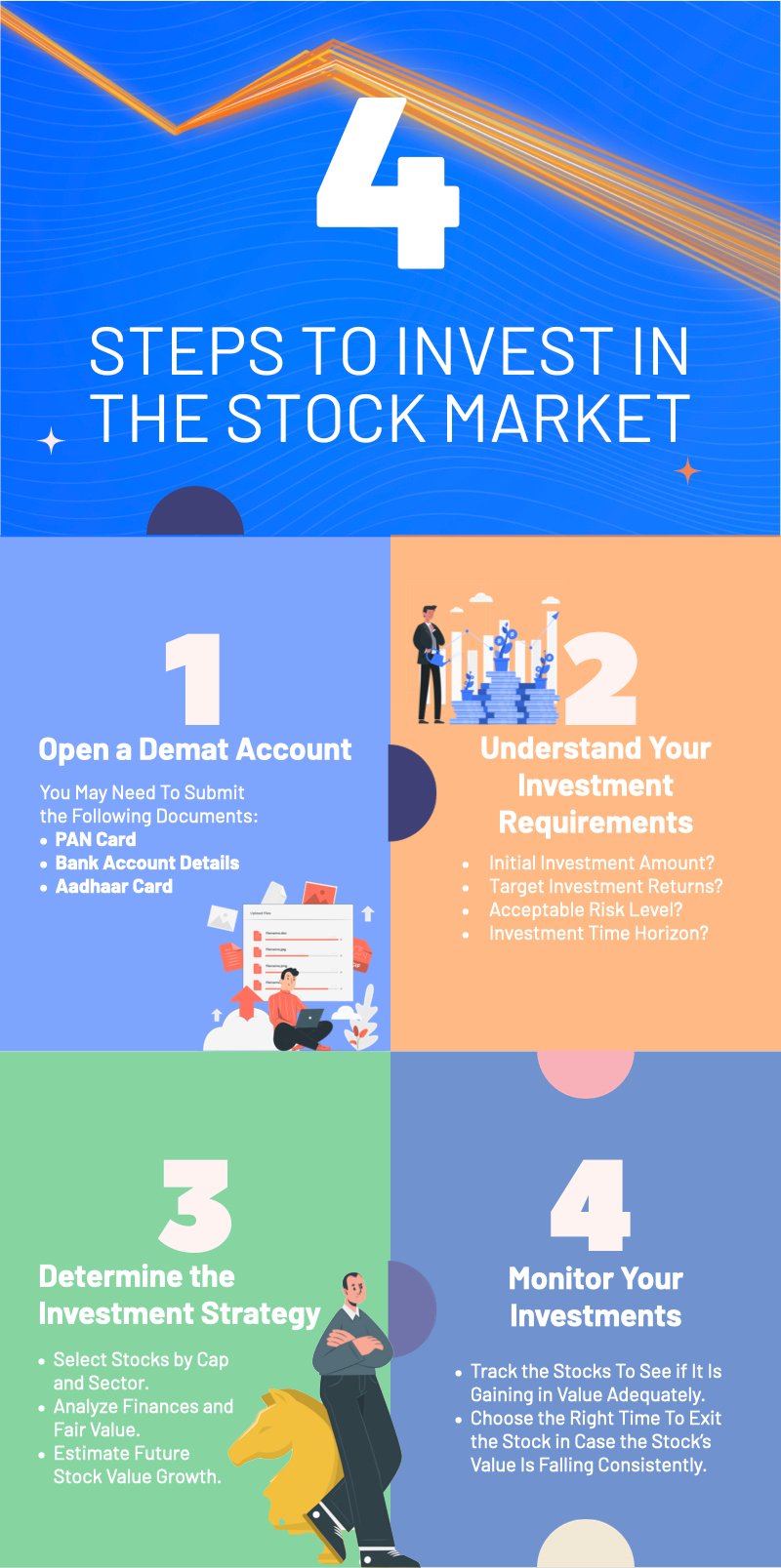
Starting to invest in stocks online is a powerful step towards taking control of your financial future. It offers unprecedented access, flexibility, and the potential for substantial wealth creation. However, success in this arena hinges on a combination of diligent preparation, continuous learning, and disciplined execution.
By understanding the basics of stock investing, defining your financial goals, building a strong emergency fund, and carefully selecting the right online brokerage, you lay a solid foundation. Embracing diversification, practicing patience, and avoiding emotional decisions will be your guiding principles as you navigate the market.
Remember, every seasoned investor started as a beginner. With a professional approach, insightful research, and an engaging commitment to your financial education, you can confidently embark on your journey to grow your wealth through online stock investing. The tools are at your fingertips; it’s now up to you to seize the opportunity.
aViewFromTheCave is a participant in the Amazon Services LLC Associates Program, an affiliate advertising program designed to provide a means for sites to earn advertising fees by advertising and linking to Amazon.com. Amazon, the Amazon logo, AmazonSupply, and the AmazonSupply logo are trademarks of Amazon.com, Inc. or its affiliates. As an Amazon Associate we earn affiliate commissions from qualifying purchases.