
The journey toward financial independence often begins with a single, pivotal decision: the decision to move from being a consumer to becoming an owner. In the modern economy, the stock market remains one of the most effective vehicles for long-term wealth creation. However, for the uninitiated, the world of tickers, dividends, and market volatility can seem like a daunting labyrinth.
Starting your investment journey is not merely about picking a “winner” or timing the market perfectly; it is about establishing a disciplined framework that aligns with your financial goals. This guide provides a step-by-step roadmap for those ready to enter the equity markets, ensuring that your first steps are grounded in strategy rather than speculation.
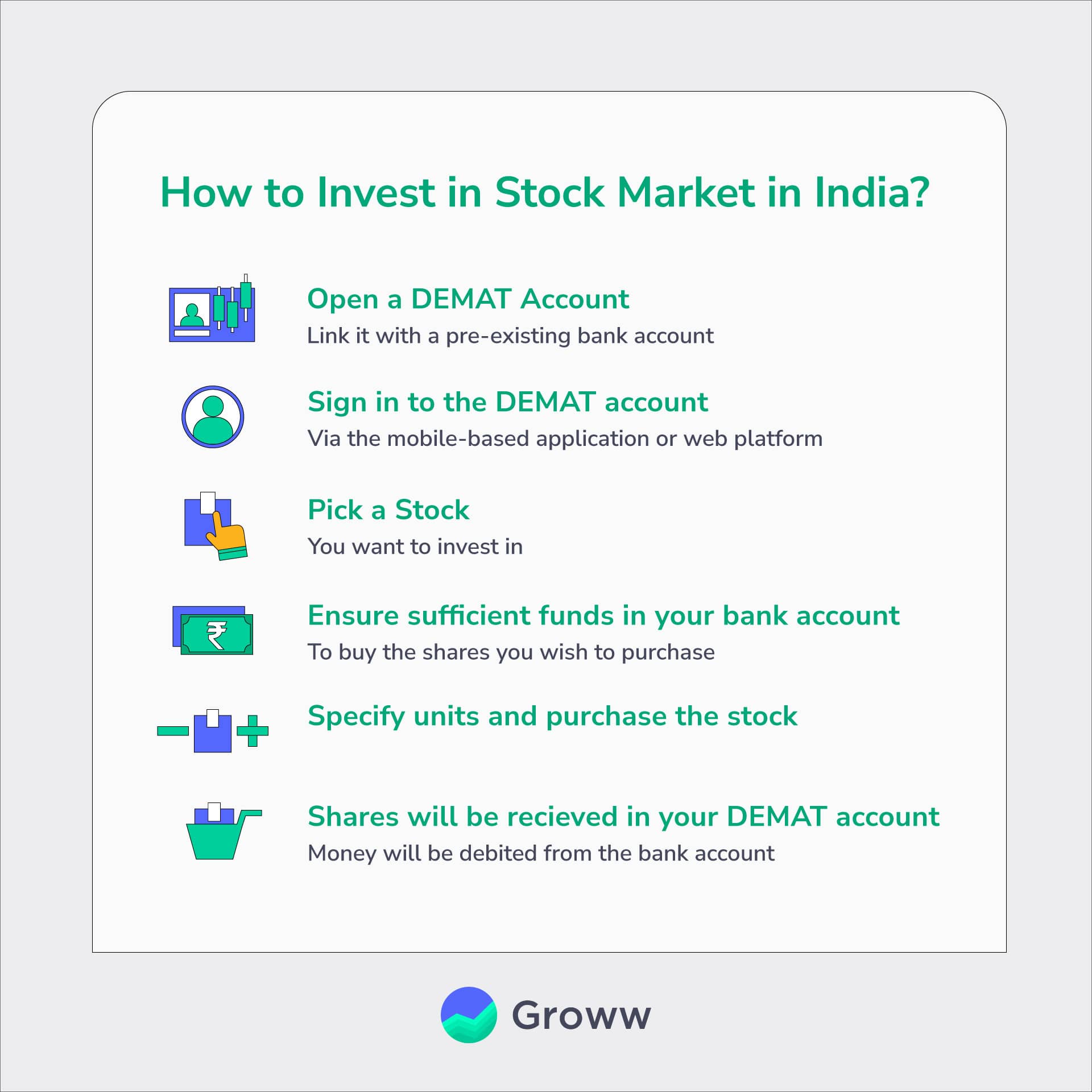
1. Establishing Your Financial Foundation
Before you execute your first trade, it is imperative to ensure that your financial house is in order. Investing in the stock market involves risk, and the “capital” you deploy should be money that you do not need for immediate expenses.
Assessing Your Financial Health
The golden rule of investing is to never invest money you cannot afford to lose in the short term. Before buying stocks, you should have a robust emergency fund—typically three to six months of living expenses—stashed in a high-yield savings account. This ensures that if the market takes a temporary downturn, you aren’t forced to sell your positions at a loss to cover a car repair or medical bill. Furthermore, evaluate your high-interest debt. If you are paying 20% interest on credit card debt, paying that off is a guaranteed “return” that outperforms most stock market averages.
Defining Your Investment Goals and Risk Tolerance
Are you investing for a retirement that is thirty years away, or are you saving for a down payment on a home in five years? Your “time horizon” is the most significant factor in determining your strategy. Generally, the longer your horizon, the more risk you can afford to take. Risk tolerance is a psychological measure of how much market fluctuation you can withstand without panicking. Understanding whether you are a conservative, moderate, or aggressive investor will dictate the types of stocks and funds you eventually purchase.
2. Navigating the Brokerage Landscape
In the digital age, the barrier to entry for the stock market has never been lower. However, the abundance of choice means you must be discerning about where you hold your assets.
Choosing the Right Trading Platform
A brokerage account is the portal through which you buy and sell securities. When selecting a platform, consider three main factors: fees, user experience, and educational resources. Many modern brokers offer zero-commission trades, which is a boon for beginners. Established firms like Fidelity or Charles Schwab provide deep research tools and institutional stability, while newer fintech apps prioritize a seamless mobile interface. Ensure the broker you choose is a member of the SIPC (Securities Investor Protection Corporation), which protects your assets in the event the brokerage firm fails.
Understanding Account Types: Taxable vs. Tax-Advantaged
Not all investment accounts are created equal. If you are investing for retirement, tax-advantaged accounts like a 401(k) or an Individual Retirement Account (IRA) should be your first stop. These accounts offer significant tax breaks—either by lowering your taxable income now (Traditional) or allowing for tax-free withdrawals later (Roth). A “taxable brokerage account,” on the other hand, offers the most flexibility. You can withdraw your money at any time without penalty, but you will owe taxes on any dividends earned or capital gains realized when you sell a stock for a profit.

3. Selecting Your First Assets
Once your account is funded, the most critical question arises: What should you actually buy? For a beginner, the choices range from individual company shares to diversified baskets of stocks.
Stocks vs. ETFs: Choosing Your Vehicle
Buying an individual stock means you are buying a piece of a specific company, such as Apple or Amazon. While this offers the potential for high returns, it also carries high risk; if that specific company fails, your investment suffers. Exchange-Traded Funds (ETFs) and Index Funds are often a better starting point for beginners. These funds allow you to buy a “slice” of hundreds of different companies at once. For instance, an S&P 500 ETF gives you exposure to the 500 largest publicly traded companies in the U.S., providing instant diversification and lowering your overall risk.
Fundamental Analysis: What to Look for in a Company
If you decide to venture into individual stocks, you must look beyond the brand name. Fundamental analysis involves looking at a company’s financial health. Key metrics include the Price-to-Earnings (P/E) ratio, which helps determine if a stock is overvalued or undervalued, and Revenue Growth, which indicates if the company is expanding. Additionally, look at the “moat”—a term popularized by Warren Buffett—which refers to a company’s competitive advantage that protects it from rivals. A strong brand, proprietary technology, or high barriers to entry are all signs of a healthy moat.
4. Executing Your First Trade and Portfolio Management
The mechanics of buying a stock are straightforward, but understanding the nuances of order types can save you money and prevent execution errors.
Market Orders vs. Limit Orders
When you are ready to buy, you will encounter different order types. A “Market Order” instructs the broker to buy the stock immediately at the best available current price. This is fast, but in a volatile market, you might pay slightly more than you expected. A “Limit Order” allows you to set a maximum price you are willing to pay. The trade will only execute if the stock hits that price. For beginners, limit orders are often recommended as they provide more control over the entry price, especially for stocks with high price swings.
The Power of Dollar-Cost Averaging
One of the biggest mistakes new investors make is trying to “time the market”—waiting for the perfect dip to buy. This is notoriously difficult even for professionals. A more effective strategy is Dollar-Cost Averaging (DCA). This involves investing a fixed amount of money at regular intervals (e.g., $200 every month), regardless of the stock price. When prices are high, your $200 buys fewer shares; when prices are low, it buys more. Over time, this lowers your average cost per share and removes the emotional stress of watching daily price fluctuations.
5. Cultivating a Long-Term Mindset
The final and perhaps most important stage of buying stocks is the psychological shift from a “trader” to an “investor.” The stock market is a device for transferring money from the impatient to the patient.
Diversification: The Only Free Lunch
The old adage “don’t put all your eggs in one basket” is the cornerstone of risk management. Diversification means spreading your investments across different sectors (Tech, Healthcare, Energy), different asset classes (Stocks, Bonds, Real Estate), and even different geographies (U.S. vs. International markets). By diversifying, you ensure that a downturn in one specific industry won’t derail your entire financial future. A well-diversified portfolio is your best defense against market unpredictability.
Avoiding Emotional Investing and Market Noise
The financial news cycle is designed to create a sense of urgency, often leading to “FOMO” (Fear Of Missing Out) or panic selling during a market correction. To succeed in stock buying, you must learn to tune out the noise. Stocks are long-term assets. Historical data shows that while the market can be incredibly volatile in the short term, it has an overwhelmingly positive trajectory over decades. Develop an investment policy statement for yourself—a set of rules that governs when you buy and sell—and stick to it regardless of what the headlines say.

Conclusion
Starting to buy stocks is a journey of education and discipline. By securing your finances, choosing the right brokerage, focusing on diversified assets, and maintaining a long-term perspective, you transition from a spectator to a participant in the global economy. Remember that wealth is rarely built overnight; it is the result of consistent contributions, the power of compound interest, and the resilience to stay the course through market cycles. Your future self will thank you for the courage to start today.
aViewFromTheCave is a participant in the Amazon Services LLC Associates Program, an affiliate advertising program designed to provide a means for sites to earn advertising fees by advertising and linking to Amazon.com. Amazon, the Amazon logo, AmazonSupply, and the AmazonSupply logo are trademarks of Amazon.com, Inc. or its affiliates. As an Amazon Associate we earn affiliate commissions from qualifying purchases.