
The dream of financial independence and the flexibility to work from anywhere has never been more attainable than with an internet business based right out of your home. In an era where digital connectivity is ubiquitous, the barriers to entry for entrepreneurship have significantly lowered, presenting unprecedented opportunities for online income generation. This guide delves into the essential financial and strategic considerations required to launch and grow a profitable internet business from the comfort of your home, transforming ambition into a tangible revenue stream.
Starting an internet business from home isn’t just about convenience; it’s a strategic financial move. It eliminates hefty commercial rent, reduces commuting costs, and often allows for a leaner, more agile operation. However, success hinges on meticulous planning, a keen understanding of online monetization, and disciplined financial management. This article will equip you with the insights needed to navigate the entrepreneurial landscape, focusing squarely on the monetary aspects of building a thriving home-based online enterprise.
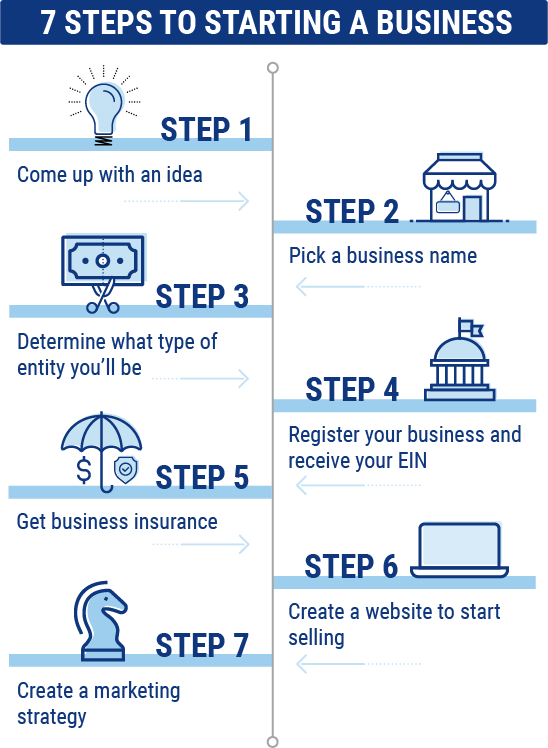
I. Laying the Financial Foundation: Strategic Planning for Profitability
Embarking on any business venture requires a robust financial plan, and an internet business from home is no exception. While startup costs can be significantly lower compared to traditional businesses, understanding where every dollar goes – and how it will return – is paramount. This initial phase sets the stage for your venture’s long-term financial health and profitability.
A. Devising a Financially Sound Business Plan
A comprehensive business plan is your financial roadmap. It doesn’t need to be a formal 50-page document for a home-based venture, but it must clearly articulate your revenue model, target market, competitive analysis, and most importantly, your financial projections. For a home-based internet business, focus on:
- Identifying Your Niche and Monetization Strategy: The internet offers countless ways to earn. Will you sell digital products (eBooks, courses), physical goods (e-commerce via dropshipping or print-on-demand), provide services (freelancing, consulting), or generate ad revenue/affiliate commissions (blogging, content creation)? Each model has different startup costs, revenue potentials, and profit margins. Choose a niche where demand is strong and competition is manageable, ensuring a viable path to income. Your strategy should detail exactly how money will be made from day one.
- Startup Cost Analysis and Budgeting: Even a home-based business has expenses. List all potential costs: domain registration, website hosting, software subscriptions, initial inventory (if applicable), marketing tools, and any professional services you might need (e.g., graphic design, legal advice). Aim for cost-effective solutions wherever possible. Free or freemium tools can help keep initial outlays low. Develop a realistic budget and allocate funds carefully, prioritizing essential expenditures that directly contribute to revenue generation.
- Projecting Revenue and Profitability: Create realistic sales forecasts for your first 1-3 years. Base these on market research, pricing strategy, and your marketing plan. Calculate your break-even point – the amount of revenue needed to cover all expenses – and determine your desired profit margins. This helps you understand the financial viability of your idea and set measurable income goals.
B. Navigating Legal and Tax Implications from Home
Operating a business, even from home, comes with legal and tax responsibilities that directly impact your financial obligations. Ignoring these can lead to costly penalties and legal complications, eroding your hard-earned profits.
- Choosing the Right Business Structure: This decision impacts liability, taxation, and administrative burden. Common choices for home-based businesses include:
- Sole Proprietorship: Simple to set up, minimal cost, but no personal liability protection. Business income is reported on your personal tax return.
- Limited Liability Company (LLC): Offers personal liability protection, separating personal and business assets. More complex and costly to set up than a sole proprietorship, but often worth it for financial security. Taxation can be flexible (pass-through or corporate).
- S-Corporation/C-Corporation: More complex, higher administrative burden, but suitable for businesses with significant growth potential or seeking investors.
Carefully consider the financial implications of each structure regarding setup fees, ongoing compliance costs, and how income will be taxed.
- Understanding Tax Obligations and Deductions: As a home-based business owner, you’re typically responsible for self-employment taxes (Social Security and Medicare), federal income tax, and potentially state and local taxes. Set aside a portion of your income for taxes from day one to avoid year-end surprises. Furthermore, many expenses related to your home office and business operations are tax-deductible. Keep meticulous records of all income and expenses – this is crucial for maximizing deductions and minimizing your tax liability, directly impacting your net profit. Consult with a tax professional to ensure compliance and leverage all available financial benefits.
- Obtaining Necessary Licenses and Permits: Depending on your industry and location, you may need specific business licenses or permits. Research local, state, and federal requirements to ensure compliance. While often not costly, failing to obtain them can result in fines that drain your business’s financial resources.
II. Monetization Strategies and Product/Service Development
The core of any internet business is its offering and how it generates revenue. This section focuses on selecting and developing products or services that resonate with your target market and possess strong profit potential, all while keeping operational costs low for a home-based setup.
A. Identifying High-Demand, Profitable Niches
The internet is vast, but not all niches are equally lucrative. Successful home-based businesses tap into specific needs or pain points within a market segment, offering solutions that people are willing to pay for.
- Problem-Solving Approach: Instead of chasing trends, identify recurring problems or unfulfilled desires within a specific audience. What frustrations do people have? What information are they seeking? What tasks do they need help with? Your business should offer a clear, valuable solution. This approach naturally leads to demand and higher conversion rates, directly impacting your income.
- Market Research for Profit Potential: Utilize tools like Google Trends, keyword research platforms, and social media analytics to gauge interest and demand. Look at what competitors are doing and identify gaps or areas where you can offer a superior or more cost-effective solution. Assess the purchasing power of your target audience and their willingness to spend within your chosen niche. A strong market for your offering ensures a healthy revenue stream.
- Leveraging Your Skills and Expertise: One of the most cost-effective ways to start an internet business from home is to monetize your existing skills, knowledge, or hobbies. This reduces the need for expensive training or outsourcing, allowing you to quickly offer services (consulting, coaching, freelancing) or create digital products (online courses, eBooks) with minimal upfront investment, translating directly into higher profit margins.
B. Developing Your Core Offering with Cost-Effectiveness
Once your niche is identified, the next step is to create a compelling product or service. For home-based businesses, prioritizing offerings with low overhead and high-profit margins is key to financial success.
- Digital Products: High Margin, Low Overhead: Digital products like e-books, online courses, templates, software, and stock photos are highly attractive for home-based entrepreneurs. Once created, they can be sold repeatedly with virtually zero ongoing production costs, leading to excellent profit margins. Focus on creating high-quality, valuable content that solves a specific problem for your audience.
- Service-Based Businesses: Time for Money: If you offer consulting, coaching, writing, design, virtual assistance, or other freelance services, your primary resource is your time and expertise. This model requires minimal startup capital beyond marketing and communication tools. Pricing your services appropriately is crucial to ensure you’re earning a sustainable income for your time investment. Value-based pricing, rather than hourly rates, can often lead to higher profitability.
- E-commerce: Smart Sourcing for Profit: If selling physical products, consider models like dropshipping or print-on-demand. These minimize inventory risk and upfront capital investment, as products are shipped directly from the supplier to the customer only after a sale is made. This allows you to test product ideas with minimal financial commitment. For traditional e-commerce, focus on sourcing products with good profit margins and efficient shipping logistics to control costs.
III. Building Your Online Presence and Payment Infrastructure
Your online presence is the storefront for your home-based internet business. Establishing a professional, accessible digital space and a reliable payment system are critical for converting visitors into paying customers and ensuring a smooth financial transaction process.
A. Establishing a Professional and Cost-Effective Digital Storefront

Your website or chosen platform is where customers interact with your business and make purchases. Prioritize functionality, user experience, and affordability.
- Website/Platform Selection:
- For E-commerce: Platforms like Shopify, WooCommerce (for WordPress), or Etsy (for handmade/unique items) provide robust e-commerce capabilities with built-in payment processing. Compare their monthly fees, transaction costs, and scalability to find the best financial fit for your current and future needs.
- For Services/Digital Products: A professional website built on platforms like WordPress (using themes and plugins for functionality), Squarespace, or Wix offers flexibility. Focus on clear calls to action, easy navigation, and compelling content that showcases your value proposition. These platforms offer various pricing tiers; choose one that balances features with cost.
- For Content/Affiliate Marketing: A blog or content hub is essential. WordPress is a popular and cost-effective choice, allowing you to monetize through ads, affiliate links, and direct sales of digital products.
- Domain Name and Hosting: These are fundamental but typically low-cost investments. Choose a memorable, relevant domain name. For hosting, shared hosting plans are usually sufficient and affordable for new businesses, with options to upgrade as your traffic and financial needs grow.
- Content That Converts: Beyond aesthetics, your website content must inform, engage, and persuade. Clearly articulate the financial benefits of your product/service, address customer pain points, and provide social proof (testimonials, reviews) to build trust. High-quality sales copy directly impacts conversion rates and, thus, your revenue.
B. Implementing Secure and Efficient Payment Gateways
Getting paid reliably and securely is non-negotiable. Your payment infrastructure needs to be trustworthy for customers and financially viable for your business.
- Choosing the Right Payment Processors: Options like Stripe, PayPal, Square, and others offer varying transaction fees, payout schedules, and supported currencies. Compare these fees carefully, as they directly impact your profit margins. Ensure the gateway integrates seamlessly with your chosen website platform. For a global internet business, consider options that support international transactions efficiently.
- Ensuring Security and Trust: Customers need to feel confident that their financial information is secure. Implement SSL certificates on your website (most hosting providers include this or make it easy to add). Clearly display privacy policies and terms of service. Trust badges from reputable payment processors can also boost confidence, leading to more completed sales.
- Managing Sales and Invoicing: Implement systems to track sales, manage orders, and issue invoices (if applicable for service businesses). E-commerce platforms usually handle this automatically. For service businesses, invoicing software (e.g., FreshBooks, Wave Accounting) can automate billing, track payments, and provide financial reports, simplifying your financial management and ensuring timely income collection.
IV. Marketing for Return on Investment (ROI) and Scaling for Growth
Generating income from your internet business requires effectively reaching your target audience and convincing them to buy. For a home-based business with potentially limited marketing budgets, focusing on strategies with high Return on Investment (ROI) is crucial. Once revenue starts flowing, strategic scaling can multiply your profits.
A. Cost-Effective Digital Marketing for Maximum ROI
Every marketing dollar spent should aim to generate more than a dollar in return. Prioritize channels that offer trackable results and allow for precise targeting.
- Search Engine Optimization (SEO): Optimizing your website and content for search engines like Google is a long-term investment that can yield significant free organic traffic. By appearing high in search results for relevant keywords, you attract highly qualified leads who are actively looking for solutions you provide. This translates into consistent, low-cost customer acquisition over time, boosting your revenue without ongoing ad spend.
- Content Marketing: Creating valuable blog posts, videos, podcasts, or infographics establishes you as an authority in your niche, attracting an audience naturally. This content can be repurposed across multiple platforms, maximizing its reach and ROI. By providing free value, you build trust and nurture leads, ultimately guiding them towards your paid offerings. This is a powerful, cost-effective way to attract customers.
- Social Media Marketing: Identify the platforms where your target audience spends their time. Develop a content strategy that engages them and subtly promotes your offerings. While organic reach can be challenging, targeted paid social media ads can be highly effective if managed correctly, allowing you to reach specific demographics with a controlled budget, generating leads and sales directly. Focus on platforms that convert well for your specific business model.
- Email Marketing: Building an email list is one of the most valuable assets for an internet business. It allows for direct communication with interested prospects and customers, enabling you to promote new products, share valuable content, and run targeted campaigns. Email marketing consistently delivers one of the highest ROIs among digital marketing channels, as you own the relationship with your subscribers.
B. Financial Management and Strategic Scaling for Sustainable Profit
Once your business is generating income, meticulous financial management and a strategic approach to growth are essential to maximize profitability and ensure long-term sustainability.
- Continuous Financial Tracking and Analysis: Regularly monitor your income, expenses, profit margins, and cash flow. Use accounting software (e.g., QuickBooks Self-Employed, Xero, Wave Accounting) to categorize transactions, generate financial reports, and identify areas for improvement. Understanding your financial metrics allows you to make data-driven decisions about pricing, marketing spend, and operational efficiencies, directly impacting your bottom line.
- Reinvesting Profits Strategically: As your business becomes profitable, consider reinvesting a portion of your earnings back into growth initiatives. This could mean enhancing your website, investing in advanced marketing tools, outsourcing non-core tasks (e.g., virtual assistant, specialized freelancer), or developing new products/services. Strategic reinvestment fuels expansion and increases your earning potential.
- Diversification of Income Streams: Don’t put all your financial eggs in one basket. Explore ways to diversify your income. If you sell digital products, consider adding services. If you offer services, develop a complementary digital product. For content creators, explore affiliate marketing, sponsored content, and direct ad sales alongside your core offerings. Multiple income streams provide financial stability and resilience against market fluctuations.
- Automation and Delegation for Efficiency: As your business grows, your time becomes an even more valuable asset. Invest in automation tools for repetitive tasks (e.g., email sequences, social media scheduling, customer service chatbots). When necessary, strategically delegate tasks to freelancers or virtual assistants. This frees up your time to focus on high-value, income-generating activities and prevents burnout, ensuring your business can scale without you being the bottleneck.
V. The Long-Term Vision: Sustaining and Expanding Your Financial Success
Starting an internet business from home is a journey, not a destination. Sustained financial success requires adaptability, continuous learning, and a proactive approach to market changes. By embracing a long-term perspective, you can ensure your home-based venture not only thrives but also provides lasting financial freedom.
A. Embracing Continuous Learning and Adaptability
The online landscape is constantly evolving. What works today might be obsolete tomorrow. To maintain and grow your income, you must remain agile.
- Staying Current with Industry Trends: Dedicate time to staying informed about new technologies, marketing strategies, and shifts in consumer behavior within your niche. Follow industry leaders, read relevant publications, and participate in online communities. This proactive approach allows you to anticipate changes and adapt your business model, protecting your revenue streams.
- Analyzing Performance and Iterating: Regularly review your business’s performance. What products are selling best? Which marketing channels yield the highest ROI? What feedback are customers providing? Use this data to refine your offerings, optimize your processes, and pivot when necessary. Continuous iteration based on data ensures your business remains competitive and profitable.
- Investing in Your Skills: Whether it’s learning a new marketing technique, mastering a software tool, or deepening your expertise in your core subject matter, investing in your own professional development is an investment in your business’s future earnings potential. Many affordable online courses and resources are available for home-based entrepreneurs.

B. Building Passive Income Streams and Future-Proofing Your Business
The ultimate goal for many home-based internet entrepreneurs is to generate passive income – earnings that require minimal ongoing effort. This unlocks true financial freedom and allows for greater work-life balance.
- Developing Passive Income Assets: Focus on creating assets that continue to generate revenue long after the initial effort, such as:
- Evergreen Digital Products: Online courses, e-books, software, or templates that remain relevant and can be sold repeatedly without significant updates.
- Affiliate Marketing: Earning commissions by promoting other companies’ products. Once content is created, it can continue to generate income.
- Ad Revenue: For content creators, building a substantial audience can lead to consistent income from ads on blogs, YouTube channels, or podcasts.
- Building a Strong Brand and Customer Loyalty: A strong brand reputation and a loyal customer base are invaluable assets. Satisfied customers are more likely to make repeat purchases, refer new clients, and become brand advocates, reducing your customer acquisition costs and increasing your lifetime customer value. Focus on delivering exceptional value and fostering strong relationships to secure long-term financial stability.
- Planning for Exit or Expansion: Even if you love your home-based business, having a long-term vision for its future is financially prudent. Will you eventually sell it? Will you expand into new markets or product lines? Planning for these possibilities ensures that your business is built on a solid foundation that can appreciate in value, offering a significant financial return down the line.
Starting an internet business from home is an exciting and financially rewarding endeavor. By systematically planning, understanding your market, managing your finances judiciously, and embracing continuous growth, you can transform your home into a thriving hub of online income generation. The digital world is ripe with opportunity – seize it with a strategic, money-focused mindset, and build the financial future you envision.
aViewFromTheCave is a participant in the Amazon Services LLC Associates Program, an affiliate advertising program designed to provide a means for sites to earn advertising fees by advertising and linking to Amazon.com. Amazon, the Amazon logo, AmazonSupply, and the AmazonSupply logo are trademarks of Amazon.com, Inc. or its affiliates. As an Amazon Associate we earn affiliate commissions from qualifying purchases.