
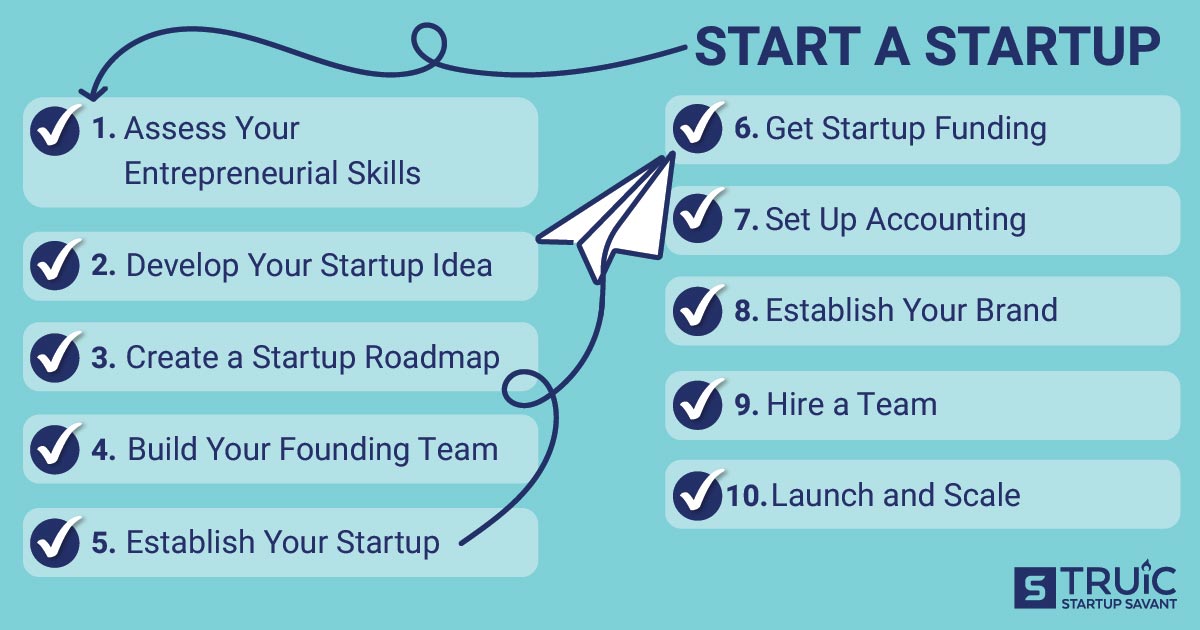
The allure of building something new, impactful, and financially rewarding drives countless aspiring entrepreneurs. Starting a startup is not merely about a brilliant idea or a disruptive product; it is, at its core, a complex financial undertaking. From securing initial capital to managing cash flow and planning for sustainable growth, every decision has a profound monetary implication. This guide delves into the crucial financial considerations and strategies for launching and scaling a successful startup, ensuring you lay a robust economic foundation from day one.
Laying the Financial Foundation: From Ideation to Initial Capital
Before a single line of code is written or a product designed, a deep dive into the financial viability of your startup idea is paramount. This initial phase defines your funding strategy and sets the stage for future financial health.

Validating Your Business Idea Through a Financial Lens
An innovative idea is only as good as its market potential and its ability to generate revenue. Financial validation involves more than just a gut feeling; it requires rigorous market research to understand demand, competitor pricing, and potential revenue streams. Conduct a thorough total addressable market (TAM) analysis to estimate the maximum possible revenue you could generate. More importantly, identify your service addressable market (SAM) and service obtainable market (SOM) to project realistic short-term and medium-term revenue figures. Understand your target customer’s willingness to pay and research existing solutions and their pricing models. This analysis will inform your initial revenue projections and help you craft a pricing strategy that aligns with both value and market acceptance. Without a clear path to monetization, even the most groundbreaking ideas will falter financially.
The Bootstrapping Advantage: Self-Funding Your Vision
Bootstrapping, or self-funding your startup, is often the most financially prudent and empowering way to begin. It forces founders to be lean, resourceful, and hyper-focused on revenue generation from the outset. By minimizing expenses and maximizing early sales, bootstrapped companies retain full equity and control, avoiding the dilution that comes with external investment. This approach demands a clear focus on profitability from day one, often leading to more sustainable business models. Strategies include leveraging personal savings, seeking revenue from initial sales or pre-orders, and keeping operational costs at a bare minimum by utilizing free or low-cost tools and deferring non-essential expenses. While it can slow initial growth, bootstrapping builds strong financial discipline and a robust understanding of your company’s unit economics.
Exploring External Funding Avenues: Seed to Series A
When bootstrapping isn’t feasible or sufficient for rapid growth, external funding becomes necessary. Navigating the world of investment requires a sophisticated understanding of financial instruments, valuation, and investor expectations.
Angel Investors and Venture Capital
Angel investors are high-net-worth individuals who provide capital for startups, often in exchange for ownership equity. They typically invest smaller amounts at an earlier stage than venture capitalists. Venture Capital (VC) firms, on the other hand, manage pooled funds from institutional investors and provide larger sums of capital to startups with high growth potential, usually in exchange for significant equity stakes and board representation. Approaching both requires a compelling pitch deck that clearly outlines your business model, market opportunity, team, and, critically, your financial projections and how their investment will be utilized to achieve specific milestones. Be prepared to articulate your burn rate, cash runway, and a clear path to profitability or a future funding round.
Crowdfunding Platforms
Crowdfunding allows startups to raise capital by soliciting small contributions from a large number of people, often through online platforms like Kickstarter or Indiegogo for product-based companies, or equity crowdfunding platforms for equity-based investments. This method can also serve as a powerful market validation tool, demonstrating demand for your product or service. Financially, it offers a way to raise capital without immediate equity dilution (for reward-based crowdfunding) or to engage a broad base of small investors (for equity crowdfunding). Understanding platform fees and regulatory requirements is essential.
Small Business Loans and Grants
Traditional bank loans or government-backed small business loans (e.g., SBA loans in the US) can be a viable option, especially for startups with a clear business plan, some collateral, and a proven revenue stream. These are debt instruments, meaning you’ll pay back the principal with interest, without giving up equity. Government grants are non-dilutive capital often awarded for specific innovation, research, or job creation initiatives. While competitive, grants are “free” money that doesn’t need to be repaid and doesn’t dilute ownership. Both options require meticulous financial documentation, projections, and a solid business case.
Crafting a Robust Financial Model and Business Plan
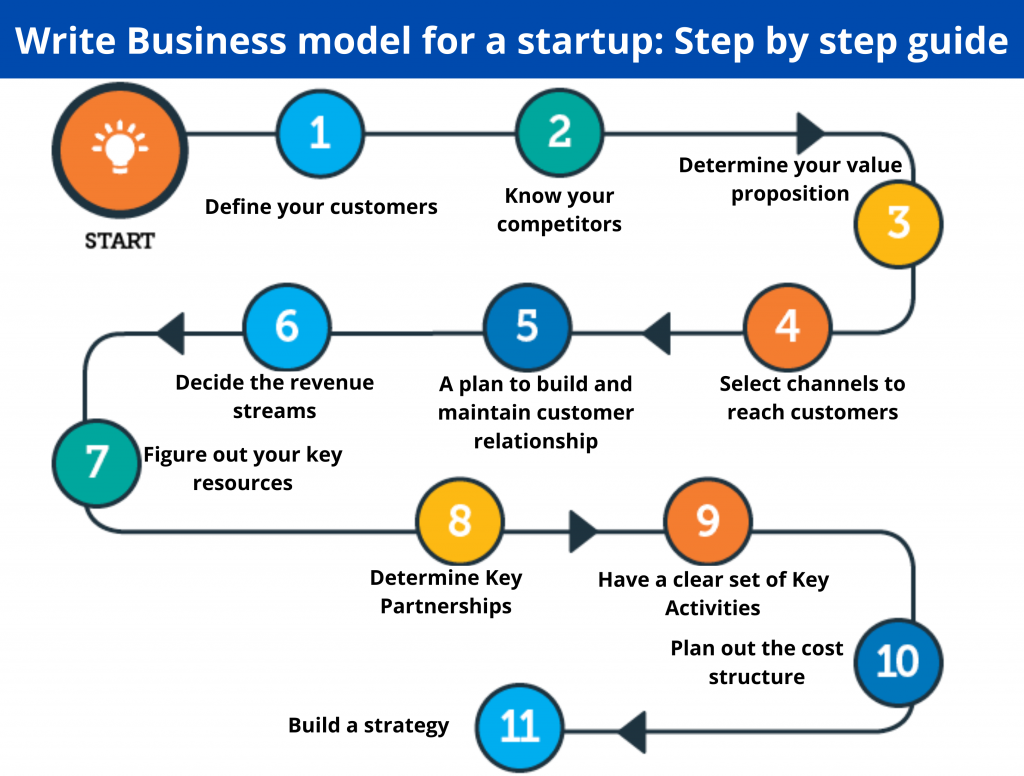
A startup’s financial model is its blueprint for monetary success, outlining how it will generate, manage, and scale its finances. A well-constructed financial plan is critical for internal strategic decision-making and for attracting external investors.
Developing a Detailed Financial Projection: Revenue, Costs, and Profit
Financial projections are not mere guesses; they are educated forecasts based on market research, operational plans, and reasonable assumptions. Your projections should detail anticipated revenue streams (e.g., subscription, one-time sales, advertising), cost of goods sold (COGS), operating expenses (salaries, rent, marketing), and capital expenditures. Create a three-to-five-year projection that includes a profit and loss (P&L) statement, cash flow statement, and balance sheet. Be transparent about your assumptions and be prepared to justify them. This exercise helps you understand your startup’s financial viability, identify potential pinch points, and forecast when you might achieve profitability.
Understanding Your Burn Rate and Cash Runway
“Burn rate” is the speed at which your startup consumes cash, typically expressed monthly. It’s the difference between your cash in-flows and cash out-flows. Your “cash runway” is the amount of time your startup can survive before running out of money, calculated by dividing your total cash reserves by your monthly burn rate. These two metrics are paramount for any startup, especially those operating on investor capital. A high burn rate with a short runway signals imminent danger and the urgent need for either more funding or drastic cost reductions. Diligent tracking allows you to make informed decisions about hiring, spending, and fundraising timelines.
Pricing Strategies and Revenue Streams for Sustainability
How you price your product or service directly impacts your revenue, profitability, and market positioning. Consider various pricing strategies:
- Cost-plus pricing: Adding a markup to your production cost.
- Value-based pricing: Charging what the market perceives your offering to be worth.
- Competitor-based pricing: Aligning with or undercutting competitor prices.
- Freemium model: Offering a basic version for free and charging for premium features.
- Subscription model: Recurring revenue for ongoing access.
Each strategy has financial implications for scalability and customer acquisition. Furthermore, diversify your revenue streams where possible to build resilience. This could involve offering different tiers of service, selling complementary products, or exploring licensing opportunities.
The Importance of Unit Economics
Unit economics refers to the direct revenues and costs associated with a business’s fundamental unit. For a SaaS company, a unit might be a single customer; for an e-commerce store, it might be a single product sale. Key metrics include Customer Acquisition Cost (CAC) – how much it costs to acquire one customer – and Customer Lifetime Value (LTV) – the total revenue a customer is expected to generate over their relationship with your business. For a sustainable business model, your LTV must significantly exceed your CAC (a common benchmark is an LTV:CAC ratio of 3:1 or higher). Understanding and optimizing these unit economics is critical for proving profitability at scale and for making informed decisions about marketing spend and growth strategies.
Managing Startup Finances for Sustainable Growth
Once funded and operational, ongoing financial management becomes the backbone of your startup’s long-term success. This involves rigorous budgeting, cash flow optimization, and strategic financial planning.
Budgeting and Expense Tracking: Keeping a Tight Ship
A detailed budget is your financial roadmap, allocating resources across different departments and functions. Regularly track actual expenditures against your budget to identify variances and prevent overspending. Implement robust expense tracking systems, whether through dedicated software or meticulous spreadsheets. Categorize all expenses to gain insights into where your money is going. This discipline is not just about saving money; it’s about understanding your operational costs, identifying inefficiencies, and making data-driven decisions about resource allocation. Every dollar saved on unnecessary expenses extends your cash runway.
Effective Cash Flow Management
Cash flow is the lifeblood of any business, but particularly critical for startups that often operate on limited capital. Positive cash flow means more money is coming into the business than going out, while negative cash flow means the opposite. Implement strategies to optimize cash flow: invoice promptly and follow up on overdue payments, negotiate favorable payment terms with suppliers, manage inventory efficiently to avoid tying up capital, and closely monitor accounts receivable and payable. Develop a rolling cash flow forecast to anticipate future shortages or surpluses, allowing you to proactively address potential issues.
Navigating Equity, Valuation, and Investor Relations
As your startup grows and potentially seeks further funding, understanding equity and valuation becomes increasingly complex. Each funding round involves giving up a portion of your company’s ownership (equity) in exchange for capital, which “dilutes” the ownership stake of existing shareholders. Valuation—determining the monetary worth of your company—is a key factor in how much equity you give up for a given investment. Maintaining transparent and frequent communication with your investors is crucial. Provide regular financial reports, communicate challenges and successes, and involve them in strategic discussions. Strong investor relations can open doors to future funding, mentorship, and strategic partnerships.
Financial Metrics Every Founder Must Track (KPIs)
Beyond burn rate and cash runway, a founder must be intimately familiar with key financial performance indicators (KPIs) relevant to their business model. These might include:
- Monthly Recurring Revenue (MRR) / Annual Recurring Revenue (ARR): For subscription businesses, tracking predictable revenue.
- Customer Churn Rate: The percentage of customers who stop subscribing or buying your product over a period.
- Gross Margin: Revenue minus the cost of goods sold, indicating profitability of core product/service.
- Net Profit Margin: The percentage of revenue left after all expenses, including taxes, have been deducted.
- Average Revenue Per User (ARPU): Total revenue divided by the number of users, indicating the value each user brings.
- Return on Investment (ROI): Measures the profitability of an investment relative to its cost.
Consistent monitoring of these KPIs provides an immediate snapshot of your financial health and guides strategic adjustments.
Scaling Smartly and Planning for Future Financial Success
Growth is the ultimate goal for most startups, but uncontrolled growth can be as detrimental as stagnation. Smart scaling requires careful financial planning and a clear vision for the future.
Strategic Reinvestment and Growth Capital
As your startup generates revenue, the decision of how to use that capital is critical. Reinvesting profits back into the business—whether in product development, market expansion, or talent acquisition—fuels further growth. However, this must be balanced with maintaining a healthy cash reserve. If internal capital isn’t sufficient for strategic growth initiatives, consider seeking additional funding rounds. This “growth capital” is often used to penetrate new markets, scale operations significantly, or make strategic acquisitions. Each reinvestment or funding decision must be underpinned by robust financial projections demonstrating a clear ROI.
Understanding Valuation and Future Funding Rounds
With each subsequent funding round (Series B, C, etc.), your company’s valuation is expected to increase, reflecting its growth and potential. Understanding how valuation is determined – often through a combination of revenue multiples, comparable company analysis, and discounted cash flow models – is vital for negotiating favorable terms. Each round brings new investors and further equity dilution. Founders must balance the need for capital with the desire to retain a meaningful ownership stake. Strategic financial planning includes modeling different funding scenarios to understand their impact on future ownership and control.
Preparing for Potential Exit Strategies: Acquisition or IPO
While building a sustainable business is the primary goal, planning for an eventual “exit” is a critical financial consideration. An exit strategy defines how founders and investors will eventually liquidate their equity stakes. The two most common paths are acquisition or an Initial Public Offering (IPO).
- Acquisition: Selling the company to a larger corporation. This often provides a quicker payout for founders and investors but typically involves negotiation of sale price, earn-outs, and integration plans.
- IPO: Listing the company’s shares on a public stock exchange. This allows for significant capital raising and liquidity for existing shareholders but is a highly complex, expensive, and regulated process requiring substantial financial infrastructure and transparency.
Both strategies require years of diligent financial management, transparent reporting, and a clear demonstration of value and profitability. Preparing for an exit means building a company with strong, auditable financials, a clear market position, and a track record of growth.
Starting a startup business is a journey fraught with challenges, but by prioritizing financial acumen and discipline, entrepreneurs can significantly increase their chances of success. From the initial financial validation of an idea to securing funding, managing cash flow, and planning for an eventual exit, every step requires a keen eye on the numbers. Building a financially resilient startup isn’t just about making money; it’s about building a sustainable and impactful enterprise that can weather storms and capitalize on opportunities.
aViewFromTheCave is a participant in the Amazon Services LLC Associates Program, an affiliate advertising program designed to provide a means for sites to earn advertising fees by advertising and linking to Amazon.com. Amazon, the Amazon logo, AmazonSupply, and the AmazonSupply logo are trademarks of Amazon.com, Inc. or its affiliates. As an Amazon Associate we earn affiliate commissions from qualifying purchases.