
Embarking on the journey of starting a small online business is an exciting venture, brimming with potential for financial independence and growth. However, success in the digital marketplace is not solely driven by brilliant ideas or innovative products; it is fundamentally rooted in sound financial planning, strategic resource allocation, and a diligent approach to managing money. This article serves as a comprehensive financial roadmap, guiding aspiring online entrepreneurs through the critical monetary considerations, from initial investment to sustainable profitability, ensuring that every decision contributes to a robust financial foundation for their online enterprise.
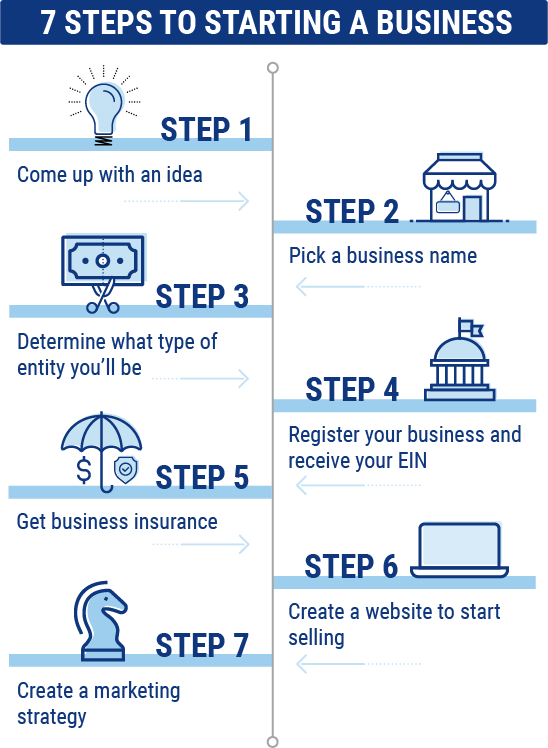
The digital landscape offers unprecedented opportunities for generating income, establishing side hustles, and building scalable businesses with relatively lower overheads compared to traditional brick-and-mortar establishments. Yet, this accessibility often masks the intricate financial discipline required to transition from a mere idea to a thriving online entity. Understanding market economics, capital requirements, pricing strategies, and ongoing financial management is paramount. Without a clear financial vision, even the most promising online business can falter. By focusing exclusively on the financial dimensions of launching and scaling an online business, we can illuminate the path to not just starting, but truly sustaining and profiting from your digital venture.
Laying the Financial Foundation: Ideation and Initial Capital
The genesis of any successful online business lies in a well-researched idea backed by a realistic understanding of its financial implications. Before a single dollar is spent, entrepreneurs must meticulously evaluate the economic viability of their concept and plan for the necessary capital injection. This initial phase dictates the financial trajectory of the entire business.
Identifying Profitable Niches and Market Gaps
The first step in building a financially sound online business is to identify a niche that possesses genuine profitability potential. This involves more than just finding a popular product or service; it requires a deep dive into market economics, assessing demand against supply, and understanding the purchasing power and habits of your target audience. Entrepreneurs must research existing market solutions, analyze their pricing models, and identify underserved segments or unmet needs that represent clear financial opportunities.
A profitable niche is characterized by a strong customer base willing to pay for a solution, sustainable demand, and manageable competition. Financial analysis here means estimating the potential revenue streams: What is the average transaction value? What is the potential volume of sales? What are the subscription rates if applicable? This involves looking at competitor pricing, understanding their value proposition, and considering how your offering might command a similar or different price point. Crucially, a niche’s profitability isn’t just about high revenue potential, but also about the ability to maintain healthy profit margins after accounting for all costs. Without this initial financial scrutiny, even a brilliant idea can struggle to generate a sustainable income. Tools for market research, while sometimes an initial investment themselves, are invaluable for this pre-emptive financial analysis, providing data on keyword search volume, competitor advertising spend, and consumer trends that directly inform potential revenue.
Calculating Startup Costs and Securing Initial Funding
Once a profitable niche is identified, the next critical financial step is to accurately calculate the startup costs. This is where many aspiring entrepreneurs falter, underestimating the capital required to get off the ground. A comprehensive startup budget must detail every anticipated expense, from the most obvious to the seemingly minor. Common costs include domain registration, website hosting, e-commerce platform subscription fees (e.g., Shopify, WooCommerce licenses), initial inventory or software development, legal and registration fees for business formation, branding and initial marketing expenses, and any necessary tools or software subscriptions. Beyond these, consider professional service fees for accounting or legal advice, payment gateway transaction fees, and a contingency fund for unforeseen expenses.
With a clear budget in hand, the focus shifts to securing initial funding. This could come from various sources, each with its own financial implications. Self-funding (bootstrapping) through personal savings offers complete financial control but can limit scale. Small business loans, lines of credit, or microloans from banks or alternative lenders provide external capital but come with interest payments and repayment schedules. Crowdfunding platforms can be a viable option, often requiring a compelling pitch and a ready audience. Grants, while competitive, offer non-repayable funds. Each funding option needs careful financial evaluation, considering interest rates, repayment terms, equity dilution (if applicable), and the overall impact on the business’s cash flow and debt obligations. A detailed business plan with robust financial projections is essential for attracting external funding, demonstrating the potential for return on investment to lenders or investors.
Structuring Your Business for Financial Health and Compliance
Beyond the initial idea and funding, the way an online business is structured from a legal and operational standpoint has profound financial implications. These decisions affect everything from tax liabilities and personal asset protection to ongoing operational costs and administrative burden. Establishing a solid financial and legal framework from the outset is non-negotiable for long-term stability.
Choosing the Right Legal Structure for Tax Efficiency and Liability
The legal structure chosen for your online business significantly impacts its financial health, particularly concerning taxation and personal liability. Common structures include Sole Proprietorship, Limited Liability Company (LLC), S Corporation, and C Corporation. Each carries distinct financial advantages and disadvantages.
A Sole Proprietorship is simple and inexpensive to set up, with profits and losses reported directly on the owner’s personal tax return. However, it offers no personal liability protection, meaning personal assets are at risk if the business incurs debt or faces legal action. From a financial perspective, this simplicity might save initial costs but expose you to greater financial risk.
An LLC offers a balance of personal liability protection and flexible taxation. Owners are typically shielded from business debts and lawsuits, protecting personal assets. Tax-wise, an LLC can be taxed as a pass-through entity (like a sole proprietorship or partnership) or elect to be taxed as an S-Corp or C-Corp, offering versatility in managing tax obligations and potentially reducing self-employment taxes. This protection is a critical financial safeguard.
S Corporations and C Corporations are more complex and costly to establish and maintain, but offer robust liability protection and specific tax benefits, particularly for businesses planning to scale or raise significant capital. S-Corps allow profits and losses to be passed through to owners’ personal income without being subject to corporate taxes, while C-Corps are subject to corporate income tax and potentially double taxation on dividends. Understanding these nuances and consulting with a financial advisor or tax professional is crucial to choose a structure that optimizes tax efficiency and minimizes financial risk for your specific business model. The right choice can save significant money in taxes and legal fees over the lifespan of the business.
Budgeting for Essential Tools and Operational Expenses
Operating an online business necessitates a range of tools and services, each contributing to ongoing operational expenses that must be meticulously budgeted for. These costs, though seemingly small individually, can accumulate rapidly and impact profitability if not managed effectively.
Key operational expenses include e-commerce platform fees (monthly subscriptions, transaction fees), website hosting, domain renewals, email marketing software, customer relationship management (CRM) tools, accounting software (e.g., QuickBooks, Xero), project management tools, and potentially graphic design software or stock photo subscriptions. Beyond software, consider payment gateway processing fees, which are typically a percentage of each transaction and can significantly eat into margins for high-volume businesses. Shipping costs, if selling physical products, also form a substantial part of operational expenditure, requiring careful calculation and potentially negotiation with carriers.

A critical aspect of budgeting for these tools is conducting a cost-benefit analysis. For instance, while a premium e-commerce platform might have higher monthly fees, its advanced features and scalability could offer greater financial return through increased sales or efficiency. Conversely, opting for free or open-source alternatives might save money upfront but could incur higher costs in terms of development time, maintenance, or limited functionality. Regularly reviewing these subscriptions and services to ensure they provide adequate value for their cost is essential for maintaining a lean and financially healthy operation. Effective budgeting for these ongoing expenses ensures that the business maintains sufficient cash flow to cover its costs and invest in growth without facing unexpected financial shortfalls.
Monetization Strategies and Sustainable Revenue Generation
The core objective of any business is to generate revenue, and for online businesses, this involves carefully crafted monetization strategies. It’s not just about selling products or services, but about optimizing the pricing, sales process, and revenue streams to ensure sustainable profitability and maximize the financial return on every interaction.
Developing a Robust Pricing Strategy
Setting the right price for your products or services is a delicate balance that directly impacts your revenue, profit margins, and perceived value. A robust pricing strategy goes beyond simply covering costs; it involves understanding market dynamics, customer psychology, and competitive positioning. Common pricing approaches include cost-plus pricing, where a percentage markup is added to the total cost of production; value-based pricing, which sets prices based on the perceived value to the customer rather than just costs; and competitive pricing, where prices are aligned with or strategically deviate from competitors.
To ensure financial viability, entrepreneurs must first understand their gross profit margins, which is the difference between revenue and the cost of goods sold. This metric is crucial for determining how much profit each sale generates before operational expenses. Break-even analysis is another essential financial tool, identifying the point at which total costs and total revenue are equal, indicating the minimum sales volume required to avoid a financial loss. Beyond initial sales, consider strategies for increasing customer lifetime value (CLV), such as tiered pricing, subscription models, or bundling products. Upselling and cross-selling techniques, strategically integrated into the customer journey, can significantly boost average transaction value and overall revenue without incurring substantial additional marketing costs. The goal is to maximize the financial yield from each customer, turning one-time buyers into loyal, repeat customers through strategic pricing and value delivery.
Optimizing Sales Funnels and Payment Processing
An optimized sales funnel is a financial asset, designed to guide potential customers efficiently from initial interest to conversion, thereby maximizing sales and minimizing customer acquisition costs. Every stage of the funnel should be analyzed for financial impact, from the cost of attracting a lead to the revenue generated from a conversion. Key areas for optimization include improving website conversion rates, streamlining the checkout process to minimize cart abandonment, and employing persuasive call-to-actions that drive purchases.
Equally important is the selection and optimization of payment processing solutions. Payment gateways (e.g., Stripe, PayPal, Square) are critical for facilitating online transactions, but they come with associated fees—typically a percentage per transaction plus a fixed fee. While convenience and security are paramount, understanding the fee structure of different providers and choosing one that aligns with your business’s transaction volume and average order value can significantly impact your net revenue. For instance, a small fee difference can accumulate into substantial savings or costs over thousands of transactions. Moreover, offering multiple secure payment options can reduce friction and increase conversion rates, directly boosting sales. Businesses should regularly review their payment processor statements, assess the effectiveness of their sales funnels, and make data-driven adjustments to ensure that the path from potential customer to paid customer is as financially efficient and smooth as possible.
Mastering Financial Management and Growth for Long-Term Success
Once an online business is generating revenue, the focus shifts to robust financial management and strategic growth. This involves meticulous tracking, informed decision-making, and proactive planning to ensure sustained profitability, compliance, and the ability to scale effectively. Without sound financial stewardship, even a profitable business can encounter cash flow issues or miss opportunities for expansion.
Implementing Effective Financial Tracking and Accounting Systems
The bedrock of any financially successful business is a reliable system for tracking income and expenses. Without accurate financial data, making informed decisions about pricing, marketing spend, inventory, or expansion becomes a guessing game. Implementing effective financial tracking and accounting systems from day one is paramount. This involves choosing appropriate accounting software (such as QuickBooks, Xero, or even simpler spreadsheet-based systems for very small ventures) and diligently recording all financial transactions.
Key financial statements—the Profit & Loss (P&L) statement, Balance Sheet, and Cash Flow statement—are indispensable tools for understanding the financial health of your business. The P&L statement shows your revenues, costs, and profits over a period; the Balance Sheet provides a snapshot of your assets, liabilities, and equity at a specific point; and the Cash Flow statement tracks the movement of money in and out of your business. Regularly reviewing these statements allows you to monitor profitability, identify areas of overspending, manage cash flow effectively, and recognize trends. Furthermore, separating business and personal finances is crucial for accurate tracking, tax purposes, and maintaining financial integrity. This financial discipline not only facilitates strategic planning but also simplifies tax preparation and provides a clear picture of the business’s financial performance to potential investors or lenders.
Strategic Reinvestment and Scaling for Profitability
Growth is a common aspiration for online businesses, but it must be managed strategically and financially soundly. Random growth without a clear financial strategy can lead to overextension and cash flow problems. Strategic reinvestment involves allocating profits back into the business in areas that promise a strong return on investment (ROI). This could include investing in enhanced marketing campaigns, developing new product lines, expanding into new markets, improving website infrastructure for better user experience, or hiring additional talent.
Before reinvesting, it’s crucial to analyze the potential ROI of each opportunity. For example, will investing X amount in paid advertising yield Y amount in additional sales? Will upgrading your e-commerce platform improve conversion rates enough to justify the cost? Financial forecasting becomes a vital tool here, allowing you to project future revenues and expenses based on various growth scenarios. Setting measurable financial goals—such as increasing monthly recurring revenue by a certain percentage, improving profit margins, or reducing customer acquisition cost—provides clear targets for growth initiatives. Scaling effectively means growing the business in a way that increases revenue faster than expenses, thereby enhancing overall profitability and ensuring long-term financial stability. It requires a deep understanding of your unit economics and the ability to identify leverage points in your business model that can amplify financial returns.
Navigating Taxes and Financial Compliance
Taxes and financial compliance are often complex but non-negotiable aspects of running an online business. Failure to adhere to tax laws and financial regulations can result in severe penalties, fines, and legal issues, significantly impacting your business’s financial health and reputation. This area requires proactive planning and continuous attention.
Online businesses face various tax obligations, including income tax on profits, sales tax (if selling physical products or certain digital services, often varying by state or country), and potentially self-employment taxes. Understanding where and when to collect and remit sales tax, especially with varying nexus rules for online sellers, is critical. Keeping meticulous records of all income and expenses is essential for accurate tax reporting and potential deductions. Many online businesses, particularly those operating globally, also need to be aware of international tax laws and financial regulations related to cross-border transactions.
Working with qualified financial advisors or accountants specializing in online businesses is highly recommended. They can help navigate complex tax codes, optimize your tax strategy, ensure compliance with all relevant regulations, and assist with year-end tax preparation. Staying informed about changes in tax laws and financial compliance requirements is an ongoing responsibility. Proactive management of taxes and compliance not only avoids financial pitfalls but also contributes to the business’s overall financial integrity and peace of mind, allowing you to focus on growth and profitability with confidence.
In conclusion, initiating and scaling a small online business is a multifaceted endeavor where financial acumen plays a pivotal role in determining success. From the initial financial assessment of a niche and the careful budgeting of startup capital to the strategic management of revenue streams, operational costs, and tax obligations, every decision carries a monetary consequence. By adopting a professional, insightful, and disciplined approach to financial planning, entrepreneurs can navigate the complexities of the online business landscape, build a resilient financial foundation, and unlock the full potential of their ventures for sustainable growth and long-term profitability.
aViewFromTheCave is a participant in the Amazon Services LLC Associates Program, an affiliate advertising program designed to provide a means for sites to earn advertising fees by advertising and linking to Amazon.com. Amazon, the Amazon logo, AmazonSupply, and the AmazonSupply logo are trademarks of Amazon.com, Inc. or its affiliates. As an Amazon Associate we earn affiliate commissions from qualifying purchases.