
The allure of launching an IT company is undeniable in today’s digitally driven world. With the demand for technological solutions constantly evolving, the landscape is ripe for innovation and specialized services. However, the path from idea to a thriving small IT company is paved with strategic financial decisions, meticulous planning, and a deep understanding of economic sustainability. This guide delves exclusively into the financial bedrock of establishing and growing your IT venture, ensuring every decision is weighed against its monetary impact and potential for profitable growth.
I. Laying the Financial Foundation: Strategic Planning and Capitalization
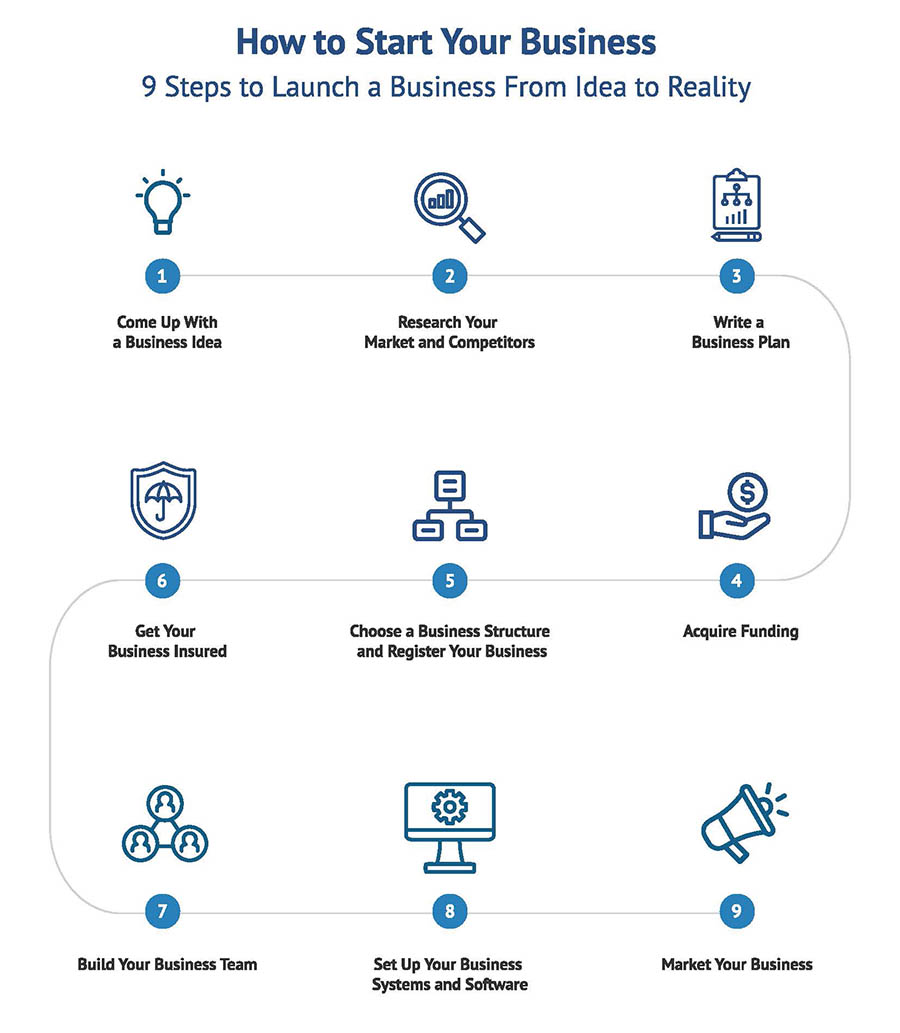
The initial phase of starting a small IT company is less about lines of code and more about lines on a spreadsheet. A robust financial foundation is critical for long-term viability, dictating everything from your market entry strategy to your operational capacity.
A. Defining Your Niche and Business Model for Profitability
Before a single dollar is spent, understanding how your IT company will make money is paramount. This involves a clear definition of your niche and an actionable business model. Will you specialize in custom software development, IT consulting, cloud services, cybersecurity, or managed IT services? Each niche carries different revenue streams, pricing structures, and associated costs.
-
Market Analysis & Demand: Research the financial viability of various IT niches. Are there underserved markets willing to pay a premium for specialized services? What is the competitive landscape like, and how will your pricing differentiate you? A profitable niche doesn’t just mean high demand; it means demand from clients willing and able to pay for your unique value proposition.
-
Revenue Streams: Clearly identify how income will be generated. This could be through one-time project fees, subscription-based models (Software-as-a-Service, Managed Services), hourly rates for consulting, or product sales. Recurring revenue models, for instance, offer greater financial predictability and stability, making them highly attractive for small IT businesses.
-
Cost Structure Alignment: Your chosen business model must align with a realistic cost structure. A high-volume, low-margin product business will have different cost considerations (e.g., inventory, marketing at scale) than a high-touch, premium consulting service (e.g., expert salaries, specialized tools). Understanding this upfront is vital for financial projections.
B. Crafting a Robust Business Plan: The Financial Blueprint
A business plan is more than just a document; it’s a living financial blueprint that guides your strategic decisions and serves as a critical tool for securing funding. Within this plan, the financial section is arguably the most scrutinised component.
-
Detailed Financial Projections: This includes projected income statements, balance sheets, and cash flow statements for at least the first three to five years. Be realistic, but also demonstrate potential for growth. Include best-case, worst-case, and most-likely scenarios to show a thorough understanding of financial risks.
-
Startup Costs Breakdown: Itemize every anticipated expense before your company generates its first dollar. This includes legal fees, incorporation costs, initial software licenses, office space (if applicable), essential hardware, marketing collateral, and initial payroll. Overestimating costs here is often better than underestimating.
-
Funding Request and Use of Funds: If seeking external financing, clearly state the exact amount needed and precisely how every dollar will be utilized to achieve specific milestones. Investors want to see a clear return on their investment and a responsible allocation of capital.
-
Break-Even Analysis: Calculate the point at which your total revenue equals your total expenses. This critical metric helps understand how much service or product you need to sell to simply cover your costs and begin generating profit.
C. Securing Initial Funding: Bootstrapping, Loans, and Investments
The journey to an IT company often requires capital injection. Deciding on the right funding source is a pivotal financial decision that impacts ownership, debt burden, and growth trajectory.
-
Bootstrapping: This involves self-funding your company using personal savings, credit cards, or early customer revenue. It maintains full ownership and control but can limit growth speed and impose significant personal financial risk. Many successful IT companies began by bootstrapping, gradually reinvesting profits.
-
Small Business Loans: Traditional bank loans, SBA-backed loans, or credit lines can provide necessary capital without diluting equity. Lenders will rigorously evaluate your business plan, creditworthiness, and collateral. Interest rates and repayment terms are critical considerations that affect long-term cash flow.
-
Angel Investors & Venture Capital: For high-growth potential IT startups, seeking investment from angel investors or venture capitalists can provide substantial capital alongside invaluable mentorship. However, this comes at the cost of equity and often a degree of control. Their focus is typically on disruptive technologies with clear exit strategies that offer a significant return on their investment.
-
Crowdfunding: Equity crowdfunding platforms allow you to raise capital from a large number of individuals, often in exchange for a small equity stake or product/service pre-orders. This can also serve as a powerful marketing tool.
II. Managing Operational Finances: Budgeting and Expense Control
Once funded and operational, the ongoing financial health of your small IT company hinges on diligent expense management and efficient cash flow. Without robust financial controls, even profitable ventures can falter due to poor liquidity.
A. Essential Startup Costs: What to Expect and How to Mitigate
Beyond the initial one-time expenses, ongoing operational costs can quickly erode profits if not carefully managed.
-
Technology Infrastructure: This includes servers, networking equipment, specialized software licenses, development tools, cybersecurity solutions, and cloud hosting fees. Explore open-source alternatives and scalable cloud services (like AWS, Azure, Google Cloud) that allow you to pay-as-you-go, reducing upfront capital expenditure.
-
Personnel Costs: Salaries, benefits, payroll taxes, and contractor fees typically form the largest expense for an IT service company. Start lean, utilizing freelancers or part-time staff where appropriate, and only scale up when revenue reliably supports additional hires.
-
Marketing & Sales: While not purely financial, effective marketing directly impacts revenue. Allocate a budget for website development, SEO, digital advertising, content creation, and professional networking. Track ROI on all marketing spend to ensure financial efficiency.
-
Administrative & Legal: Insurance (liability, cyber), accounting services, legal counsel, office supplies, and administrative software are necessary overheads. Shop around for competitive rates and consider bundling services where possible.
B. Implementing Smart Budgeting Practices for Sustainability
A dynamic budget is your financial compass, guiding spending and forecasting future needs. It’s not a static document but one that should be reviewed and adjusted regularly.
-
Zero-Based Budgeting: Consider starting each fiscal period with a “zero” budget, requiring justification for every expense. This forces a critical review of all costs and prevents automatic renewal of unnecessary spending.
-
Categorize and Track All Expenses: Use accounting software (e.g., QuickBooks, Xero) to meticulously track every inflow and outflow. Categorize expenses to identify areas of overspending or opportunities for cost reduction. This granular data is invaluable for financial analysis.
-
Regular Financial Reviews: Schedule weekly or monthly financial meetings to review actual performance against your budget. Identify variances, understand their causes, and take corrective action promptly. This proactive approach prevents small financial issues from becoming large crises.
-
Contingency Fund: Always maintain a financial buffer, ideally 3-6 months of operating expenses, to weather unforeseen challenges, market downturns, or client payment delays. This financial cushion is critical for resilience.
C. Optimizing Cash Flow and Managing Debt
Cash is king for any small business, and an IT company is no exception. Positive cash flow ensures you can meet payroll, pay vendors, and invest in growth.
-
Expedite Invoicing and Collections: Implement clear payment terms (e.g., net 30, net 15) and follow up promptly on overdue invoices. Consider requiring deposits for large projects to improve upfront cash flow.
-
Negotiate Payment Terms with Vendors: Where possible, negotiate longer payment terms with your suppliers without incurring penalties. This allows you to hold onto your cash longer.
-
Monitor Accounts Receivable and Payable: Keep a close eye on who owes you money and who you owe. Prioritize payments to critical vendors but manage your payables strategically to maintain liquidity.
-
Strategic Use of Credit: While debt can be a burden, a well-managed line of credit can provide flexible access to capital for short-term cash flow gaps or opportunistic investments. However, avoid relying on high-interest credit for long-term operational costs.
III. Pricing, Revenue Generation, and Profitability Strategies
Ultimately, the goal of any business is to generate profit. For a small IT company, this involves smart pricing strategies, diversifying income streams, and constantly seeking ways to enhance profit margins.
A. Developing a Value-Based Pricing Model
Pricing your IT services is more art than science, but it must reflect the value you provide, not just your costs. Underpricing can quickly lead to burnout and unsustainable business models.
-
Cost-Plus vs. Value-Based: While understanding your costs is fundamental, simply adding a margin (cost-plus) often undervalues your expertise. Value-based pricing focuses on the financial benefit or problem solved for the client. What financial return or efficiency gain does your IT solution provide them?
-
Tiered Pricing and Packages: Offer different service tiers (e.g., basic, premium, enterprise) or packaged solutions. This caters to diverse client budgets and needs, while also potentially upselling clients to higher-value services.
-
Competitive Analysis with a Financial Lens: Understand what competitors charge, but don’t just match them. Analyze their service delivery model, quality, and the value they offer to determine if your pricing can be higher due to superior service or a more specialized offering.
-
Transparent Pricing: Clearly communicate your pricing structure to avoid misunderstandings. For project-based work, provide detailed estimates. For recurring services, ensure clients understand the breakdown of their monthly fees.
B. Diversifying Income Streams: Services, Products, and Recurring Revenue
Reliance on a single revenue stream, especially project-based work, can lead to unpredictable income. Diversification builds financial resilience.
-
Managed Services Agreements (MSAs): Offer ongoing IT support, monitoring, and maintenance under a recurring monthly fee. MSAs provide predictable revenue, improve client retention, and create opportunities for upselling.
-
Software-as-a-Service (SaaS) Products: If your company develops proprietary software or tools, consider offering them on a subscription basis. SaaS models are highly scalable and generate significant recurring revenue once established.
-
Training & Workshops: Leverage your IT expertise by offering paid training sessions or workshops to clients or the public. This can be a high-margin service that also positions you as an industry authority.
-
Consulting Engagements: Beyond core services, offer specialized consulting on IT strategy, digital transformation, or cybersecurity audits. These often command higher hourly rates.
C. Strategies for Maximizing Profit Margins and Scalability
Maximizing profit isn’t just about increasing revenue; it’s also about optimizing operations and leveraging technology to reduce costs and enhance efficiency.
-
Automation: Invest in tools and systems that automate repetitive IT tasks (e.g., network monitoring, patch management, helpdesk tickets). This reduces labor costs and frees up your team for higher-value work.
-
Outsourcing Non-Core Functions: Consider outsourcing administrative tasks, some sales functions, or even certain technical support roles to cost-effective providers, allowing your core team to focus on profit-generating activities.
-
Client Retention & Referrals: Acquiring new clients is often more expensive than retaining existing ones. Focus on excellent service to foster loyalty, which leads to repeat business and valuable, low-cost referrals, directly boosting profit margins.
-
Efficient Project Management: Implement robust project management methodologies to ensure projects are delivered on time and within budget, preventing cost overruns that eat into profits.
IV. Financial Compliance, Tools, and Future Growth
The journey of an IT company is dynamic. Navigating regulatory compliance, utilizing modern financial tools, and strategically planning for future growth are critical components of long-term financial success.
A. Navigating Taxes and Legal Financial Obligations
Ignorance of financial regulations is not an excuse. Proper tax planning and legal compliance are non-negotiable for a small IT company.
-
Business Structure: Choose the right legal structure (Sole Proprietorship, LLC, S-Corp, C-Corp) based on liability protection, tax implications, and future growth plans. Consult with a legal and tax professional.
-
Tax Planning: Understand your federal, state, and local tax obligations (income tax, payroll tax, sales tax). Work with an accountant to optimize deductions, plan for quarterly payments, and ensure timely filings. Proper tax planning can significantly impact your net profitability.
-
Compliance with Industry Regulations: Depending on your niche (e.g., healthcare IT, financial services IT), you may be subject to specific regulations like HIPAA, GDPR, or PCI DSS. Non-compliance can lead to hefty fines and reputational damage.
-
Contracts and Agreements: Ensure all client contracts clearly outline payment terms, scope of work, intellectual property ownership, and dispute resolution. This protects your financial interests and minimizes legal costs.
B. Leveraging Financial Tools and Software for Efficiency
Modern technology offers a plethora of tools to streamline financial management, saving time and reducing errors.
-
Accounting Software: Essential for managing ledgers, invoicing, expense tracking, and financial reporting. Popular options include QuickBooks, Xero, and FreshBooks.
-
Payroll Software: Tools like Gusto or ADP simplify payroll processing, tax calculations, and compliance, freeing up valuable time.
-
Budgeting & Forecasting Tools: Spreadsheets are a start, but dedicated financial planning software can provide more sophisticated forecasting, scenario analysis, and real-time budget tracking.
-
Payment Gateways: For online services or product sales, reliable and secure payment gateways (Stripe, PayPal, Square) are crucial for efficient revenue collection.
C. Planning for Growth: Reinvestment and Expansion Funding
A successful IT company will eventually face growth opportunities. Strategic financial planning dictates how these opportunities are funded and managed.
-
Profit Reinvestment: Decide how much of your profit will be reinvested back into the business (e.g., hiring more staff, developing new services, marketing campaigns) versus distributed to owners. Reinvestment fuels sustainable growth.
-
Scalability Planning: Assess the financial implications of scaling your operations. Can your current infrastructure and team support increased demand without incurring unsustainable costs? Plan for technology upgrades and potential new office space or talent acquisition well in advance.
-
Accessing Growth Capital: As you grow, you might need additional funding for significant expansion. This could involve Series A funding from VCs, larger bank loans, or even considering mergers and acquisitions. Prepare updated financial projections and a compelling growth strategy for potential investors.
-
Exit Strategy Considerations: Even early on, consider potential exit strategies (e.g., selling the company, going public). While not immediate, understanding how your company’s financial value can be realized in the future influences current financial decisions and investments.
Starting a small IT company is an exciting endeavor that blends technological vision with astute financial management. By meticulously planning your financial foundation, diligently controlling expenses, strategically generating revenue, and consistently ensuring compliance, you can build an IT company that is not only innovative but also robustly profitable and sustainable for years to come.
aViewFromTheCave is a participant in the Amazon Services LLC Associates Program, an affiliate advertising program designed to provide a means for sites to earn advertising fees by advertising and linking to Amazon.com. Amazon, the Amazon logo, AmazonSupply, and the AmazonSupply logo are trademarks of Amazon.com, Inc. or its affiliates. As an Amazon Associate we earn affiliate commissions from qualifying purchases.