
Launching an IT business from the comfort of your home is an increasingly viable and attractive path for many tech-savvy entrepreneurs. The digital age has democratized entrepreneurship, lowering traditional barriers to entry and making it possible to build a robust service-based enterprise without the overheads of a commercial office space. This guide focuses squarely on the financial and business aspects of establishing your home-based IT venture, ensuring you build a financially sound and sustainable operation from day one. We’ll delve into the critical monetary decisions, strategic financial planning, and revenue-generating approaches essential for success in the competitive IT landscape.
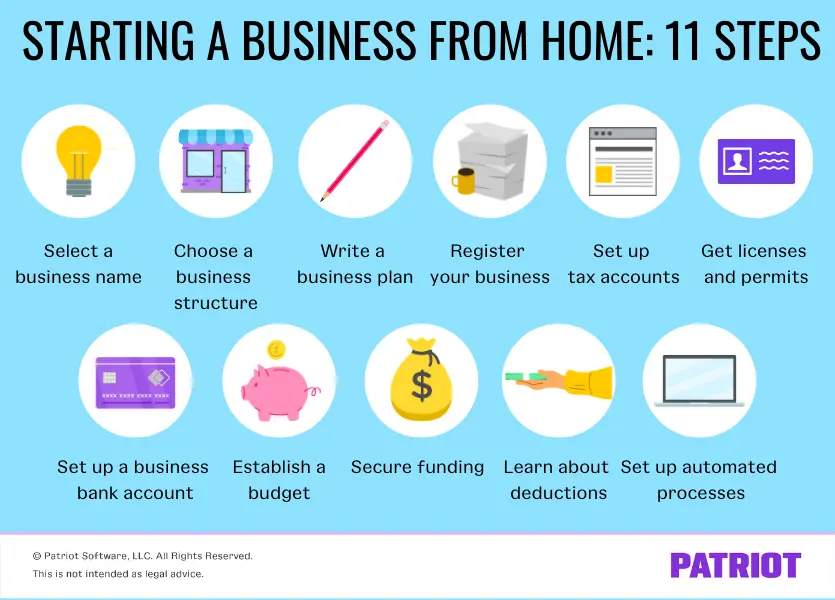
1. Laying the Financial Foundation for Your Home IT Venture
Before you even think about your first client, a solid financial blueprint is paramount. Understanding your costs, strategizing your pricing, and identifying your initial funding sources will dictate the trajectory of your business. This isn’t just about having enough money to start; it’s about making every dollar count and setting yourself up for profitability.
Calculating Minimal Startup and Operating Costs
One of the most compelling advantages of a home-based IT business is the drastically reduced startup cost compared to a brick-and-mortar operation. However, “minimal” doesn’t mean “zero.” You’ll need to accurately identify and budget for essential expenses.
Startup Costs:
- Hardware and Software: While you might leverage existing personal equipment, consider upgrades for professional reliability. This includes a robust computer, reliable internet, essential networking gear, and potentially specialized software licenses (e.g., remote access tools, accounting software, project management platforms). Invest in quality; downtime costs money.
- Legal and Administrative Fees: Registration fees for your business entity, local permits, and potentially initial legal consultation.
- Basic Marketing Materials: A professional website (even a simple one), business cards, and possibly initial digital advertising spend.
- Insurance: Liability and errors & omissions insurance are non-negotiable for professional IT services.
- Contingency Fund: Always allocate 10-20% of your projected startup costs as a buffer for unforeseen expenses.
Operating Costs: These are the recurring expenses that keep your business running monthly or annually:
- Internet and Utilities: A portion of your home internet, electricity, and possibly phone line attributable to business use.
- Software Subscriptions: Ongoing costs for productivity tools, security software, cloud services, and any specialized IT tools.
- Marketing and Advertising: Ongoing budget for online ads, SEO, or professional networking memberships.
- Professional Development: Training, certifications, and industry conferences to keep your skills sharp.
- Insurance Premiums: Recurring payments for your business insurance.
- Professional Services: Monthly or quarterly fees for an accountant or legal advisor, if needed.
Creating a detailed spreadsheet of these expenses will provide a clear picture of your financial requirements and help you understand your break-even point.
Crafting a Robust Pricing Strategy
Pricing your services correctly is a delicate balance. Price too high, and you scare away clients; price too low, and you devalue your expertise and risk financial burnout. Your pricing strategy must cover your costs, reflect your value, and allow for profit.
- Cost-Plus Pricing: Calculate your total operating costs, add a desired profit margin, and then divide by your billable hours or projects. This ensures profitability.
- Value-Based Pricing: This strategy focuses on the perceived value you deliver to the client. If your service saves a client significant money or prevents major issues, you can command higher prices regardless of the time spent. This requires strong client testimonials and a clear articulation of your ROI.
- Hourly Rates: A common starting point for freelancers. Research industry standards for your specific IT services in your region. Be transparent about how you track hours.
- Project-Based Fees: For defined projects (e.g., website setup, network installation), offer a fixed fee. This gives clients predictability and rewards you for efficiency. Ensure your scope of work is meticulously defined to avoid scope creep.
- Retainer/Managed Service Agreements (MSAs): The holy grail for IT businesses. Offering ongoing support, maintenance, or cybersecurity monitoring for a recurring monthly fee provides predictable revenue and strengthens client relationships. This model typically offers better value to the client and higher stability for your business.
Remember to regularly review and adjust your pricing as your experience grows, your services evolve, and market conditions change. Don’t be afraid to raise your rates as you gain more expertise and deliver greater value.
Securing Initial Capital: Bootstrapping and Beyond
Most home-based IT businesses start with limited capital. Understanding your funding options is crucial.
- Bootstrapping: This is the most common and often recommended approach for home-based ventures. It involves funding your business primarily with personal savings and revenue generated by the business itself. It forces fiscal discipline and lean operations. Minimize unnecessary expenses and reinvest profits aggressively in the early stages.
- Personal Loans/Credit Lines: If personal savings aren’t sufficient, a low-interest personal loan or a line of credit can provide a financial cushion. However, be cautious; using personal assets as collateral for a business venture carries significant risk.
- Small Business Loans/Grants: Depending on your location and specific business model, you might qualify for micro-loans or grants designed to support small businesses or specific industries. Research local government programs, non-profits, and community development financial institutions (CDFIs). These often have more favorable terms than traditional bank loans but can have stricter application processes.
- Friends and Family: This can be a source of capital but should be approached with extreme professionalism, including formal loan agreements, to protect relationships.
The goal is to minimize reliance on external funding where possible, especially in the initial stages, to maintain full ownership and control of your burgeoning business.
2. Structuring Your Business for Financial Health and Compliance
The way you structure your business has significant implications for your personal liability, tax obligations, and administrative burden. Making informed choices early on can save you considerable time and money in the long run.
Choosing the Right Legal Entity: Cost and Liability Implications
The choice of legal structure impacts everything from how you file taxes to your personal financial risk.
- Sole Proprietorship: The simplest and least expensive to set up. You and your business are legally one entity. Profits are taxed on your personal income tax return. The main drawback is unlimited personal liability; your personal assets are at risk if your business incurs debt or faces a lawsuit. Ideal for testing the waters with minimal risk.
- Limited Liability Company (LLC): Offers personal liability protection, meaning your personal assets are generally shielded from business debts and lawsuits. Profits can be taxed as a sole proprietorship, partnership, or even a corporation (S-corp election). Setting up an LLC involves more paperwork and fees than a sole proprietorship, but the liability protection is often worth the investment, especially for IT services where errors or data breaches can lead to significant claims.
- Partnership: If you’re starting with one or more co-founders, a partnership agreement outlines responsibilities, profit-sharing, and dispute resolution. General partnerships carry unlimited liability for all partners, while limited partnerships (LP) and limited liability partnerships (LLP) offer some protection.
- Corporation (S-Corp/C-Corp): More complex and expensive to set up and maintain, corporations offer the strongest liability protection. C-corps face “double taxation” (corporate profits taxed, then dividends taxed personally), while S-corps avoid this by passing profits/losses directly to owners’ personal income. Generally, corporations are more suited for larger businesses with employees or seeking significant external investment, not typically a small home-based IT startup.
Consult with a business attorney or accountant to determine the best structure for your specific situation, balancing cost, liability, and tax implications.
Navigating Essential Licenses, Permits, and Insurance Costs
Operating legally is non-negotiable. Skipping necessary registrations can lead to fines, legal issues, and a damaged reputation.
- Business Name Registration: Register your business name with your state or county. If operating as a sole proprietorship under a name different from your own, you might need a “Doing Business As” (DBA) or “fictitious name” registration.
- Employer Identification Number (EIN): Even if you’re a sole proprietor without employees, an EIN (federal tax ID) is often needed for opening a business bank account, hiring contractors, or for certain state tax filings. It’s free from the IRS.
- Local Business Licenses and Permits: Check with your city and county government for any required general business licenses, home occupation permits (as you’re operating from home), or specific IT service permits. These vary widely by jurisdiction and can incur annual fees.
- Sales Tax Permit: If you sell physical products or certain digital services that are subject to sales tax in your state, you’ll need to register for a sales tax permit.
- Professional Liability Insurance (Errors & Omissions – E&O): This is critical for IT professionals. It protects you from claims of negligence, errors, or omissions in your professional services that result in financial loss for a client.
- General Liability Insurance: Covers claims of bodily injury or property damage that occur during your business operations (e.g., if you accidentally damage a client’s property while on-site, or a client trips and falls in your home office if they visit).
- Cyber Liability Insurance: Given the nature of IT, this is becoming increasingly important. It protects against losses from data breaches, cyberattacks, and other digital risks that could impact your business or your clients’ data.
Budget for these costs annually. They are an investment in protecting your business and personal assets.
Setting Up a Dedicated Business Bank Account
This is a simple yet crucial step for financial clarity and legal separation, especially if you’re an LLC or corporation.

- Separation of Funds: A distinct business bank account prevents commingling personal and business finances. This simplifies bookkeeping, makes tax preparation easier, and provides a clear financial record should you ever be audited.
- Professionalism: It allows you to accept payments under your business name and write checks from a business account, projecting a professional image to clients.
- Liability Protection: For LLCs and corporations, maintaining separate accounts is vital for upholding your personal liability protection. Blurring the lines can lead to “piercing the corporate veil,” where a court might hold you personally responsible for business debts.
Choose a bank that offers small business-friendly accounts with low or no monthly fees, and consider one that integrates well with your chosen accounting software.
3. Smart Revenue Generation and Client Acquisition Strategies
With the financial and legal foundations in place, the focus shifts to generating income. This means defining your services, reaching your target audience efficiently, and building models for predictable revenue.
Identifying Profitable Niche Services
Trying to be all things to all people is a recipe for mediocrity and financial strain. Instead, pinpoint specific IT services that are in high demand, align with your expertise, and offer good profit margins.
- Remote IT Support and Troubleshooting: High demand from small businesses and individuals who lack in-house IT staff. Can be offered on an hourly or retainer basis.
- Network Setup and Security: Designing, implementing, and securing home or small office networks. A critical service for businesses protecting sensitive data.
- Website Design and Maintenance: Creating and managing websites for local businesses. Often involves recurring maintenance contracts.
- Data Backup and Recovery: Essential service for any entity that values its information. Can involve setting up cloud solutions or local backup systems.
- Cybersecurity Consulting: Providing advice, implementing solutions, and conducting audits for small businesses vulnerable to cyber threats. A highly specialized and profitable niche.
- Software Training and Implementation: Teaching clients how to use specific software or helping them integrate new systems.
- Cloud Migration Services: Assisting businesses in moving their data and operations to cloud platforms like AWS, Azure, or Google Cloud.
Focus on a few complementary services that you excel at and that solve a specific problem for your target audience. Research local demand and competitor offerings to find your sweet spot.
Budget-Friendly Marketing to Attract Your First Clients
You don’t need a huge marketing budget to acquire clients, especially when starting from home. Smart, targeted strategies can be highly effective.
- Build a Professional Online Presence: A clean, mobile-responsive website detailing your services, pricing (if applicable), and contact information is crucial. Optimize it for local search (Google My Business). Utilize professional social media profiles (LinkedIn) to connect with potential clients and share industry insights.
- Network Locally: Join local business associations, chambers of commerce, and entrepreneur groups. Attend local events. Personal connections are invaluable for referrals.
- Leverage Online Marketplaces: Platforms like Upwork, Fiverr, or local online job boards can provide initial projects to build your portfolio and gain reviews, though they often come with service fees.
- Referral Programs: Offer incentives (discounts, gift cards) to existing clients who refer new business. Word-of-mouth is one of the most powerful and cost-effective marketing tools.
- Content Marketing: Start a blog on your website addressing common IT issues or offering helpful tips. Share this content on social media. Position yourself as an expert, building trust and attracting organic traffic.
- Strategic Partnerships: Collaborate with complementary businesses (e.g., local web design agencies, business consultants, accountants) who might need IT services for their clients or refer clients to you.
Track your marketing efforts to understand which channels yield the best return on investment (ROI) and adjust your strategy accordingly.
Building a Recurring Revenue Model
While one-off projects can be lucrative, the foundation of a stable and growing IT business lies in recurring revenue. This provides financial predictability and allows for better long-term planning.
- Managed Service Agreements (MSAs): Offer monthly or annual contracts for ongoing IT support, network monitoring, security updates, data backups, and proactive maintenance. This is the cornerstone of many successful IT companies.
- Retainer Contracts: Clients pay a fixed monthly fee for a set number of hours or for priority access to your services.
- Subscription-Based Services: Offer ongoing access to specialized software, cloud storage, or specific cybersecurity tools that you manage for clients.
- Maintenance Plans: For website design or network installation projects, offer ongoing maintenance and support plans post-launch.
Focus on selling the long-term value and peace of mind that recurring services provide. These agreements transform sporadic income into a predictable cash flow, making it easier to forecast revenue and plan for growth.
4. Mastering Financial Management for Sustainable Growth
Financial management isn’t just about tracking money; it’s about understanding your business’s health, making informed decisions, and strategizing for future expansion. Neglecting this aspect can derail even the most promising ventures.
Essential Bookkeeping and Accounting Practices
Good bookkeeping is the backbone of financial management. It allows you to track income, expenses, and profitability, crucial for tax preparation and business analysis.
- Choose Accounting Software: Invest in user-friendly accounting software (e.g., QuickBooks Self-Employed, FreshBooks, Wave Apps) from day one. These tools automate many tasks, categorize transactions, and generate financial reports.
- Track All Income and Expenses: Meticulously record every dollar in and out. Link your business bank account to your accounting software for easy reconciliation. Keep digital records of all receipts.
- Separate Business and Personal Finances: Reiterate the importance of dedicated business accounts to simplify bookkeeping and maintain legal separation.
- Regular Reconciliation: Periodically compare your accounting software records with your bank statements to ensure accuracy and catch any discrepancies.
- Generate Financial Reports: Regularly review your Profit & Loss (P&L) statement, Balance Sheet, and Cash Flow statement. These reports provide insights into your business’s financial performance and liquidity.
Consider hiring a professional bookkeeper or accountant for monthly or quarterly support, especially as your business grows or if you find financial tasks overwhelming. The cost can be offset by the time saved and potential tax efficiencies.
Understanding Tax Obligations for Home-Based IT Businesses
Taxes are a significant aspect of running any business. Understanding your obligations is key to avoiding penalties and effectively managing your cash flow.
- Self-Employment Tax: As a sole proprietor or single-member LLC, you’ll be responsible for paying self-employment taxes (Social Security and Medicare contributions) in addition to income tax.
- Estimated Taxes: Since no employer is withholding taxes, you’ll likely need to pay estimated quarterly taxes to the IRS (and potentially state tax authorities) to cover your income and self-employment taxes. Failure to do so can result in penalties.
- Deductible Expenses: One of the benefits of running a home-based business is the ability to deduct legitimate business expenses. This includes a portion of your home office expenses (utilities, rent/mortgage interest, insurance, depreciation), business equipment, software subscriptions, marketing costs, professional development, and travel. Keep detailed records to substantiate these deductions.
- State and Local Taxes: Be aware of any state income tax, local business taxes, or specific IT service taxes applicable in your jurisdiction.
- Sales Tax: If your services include tangible products or certain digital services that are taxable in your state, ensure you collect and remit sales tax.
Working with a qualified tax professional is highly recommended. They can help you understand complex tax laws, identify all eligible deductions, and ensure timely and accurate filings, potentially saving you significant money and stress.

Strategizing for Profit Reinvestment and Scaling
Once your business is generating consistent profit, the question becomes: what next? Smart reinvestment is crucial for sustainable growth.
- Upgrade Equipment and Software: Reinvest profits into better tools, faster computers, or advanced software licenses that enhance your efficiency, service quality, and capability to take on more complex projects.
- Marketing and Sales Expansion: Allocate more budget to targeted advertising, SEO, or professional marketing services to reach a broader audience or penetrate new markets.
- Professional Development and Certifications: Invest in advanced training and certifications that expand your service offerings and allow you to command higher rates.
- Hiring Contractors or Employees: As demand grows, you might need to hire freelance contractors for specific tasks (e.g., web design, specialized coding) or eventually bring on part-time or full-time employees. This is a significant step that requires careful financial planning.
- Diversify Service Offerings: Use profits to research and develop new, complementary services that can attract different client segments or create new revenue streams.
- Build a Financial Buffer: Maintain a healthy cash reserve (3-6 months of operating expenses) to weather economic downturns, invest in unexpected opportunities, or cover large capital expenditures.
By strategically reinvesting your profits, you transform a small home-based operation into a robust, scalable IT business that continues to grow and adapt in an ever-evolving technological landscape. This long-term financial foresight is the ultimate indicator of a truly successful entrepreneur.
aViewFromTheCave is a participant in the Amazon Services LLC Associates Program, an affiliate advertising program designed to provide a means for sites to earn advertising fees by advertising and linking to Amazon.com. Amazon, the Amazon logo, AmazonSupply, and the AmazonSupply logo are trademarks of Amazon.com, Inc. or its affiliates. As an Amazon Associate we earn affiliate commissions from qualifying purchases.