
Starting a small business is often romanticized as a journey of passion and creative freedom. While vision is the spark, financial literacy is the fuel that keeps the engine running. Statistics consistently show that the primary reason small businesses fail is not a lack of effort, but a lack of capital or poor cash flow management. To transition from a side hustle to a sustainable enterprise, an entrepreneur must view their venture through a rigorous financial lens.
This guide focuses exclusively on the financial architecture of starting a small business, covering everything from capital acquisition to long-term fiscal sustainability. By mastering the “Money” aspect of your business, you ensure that your passion project has the structural integrity to survive the volatile early years of operation.
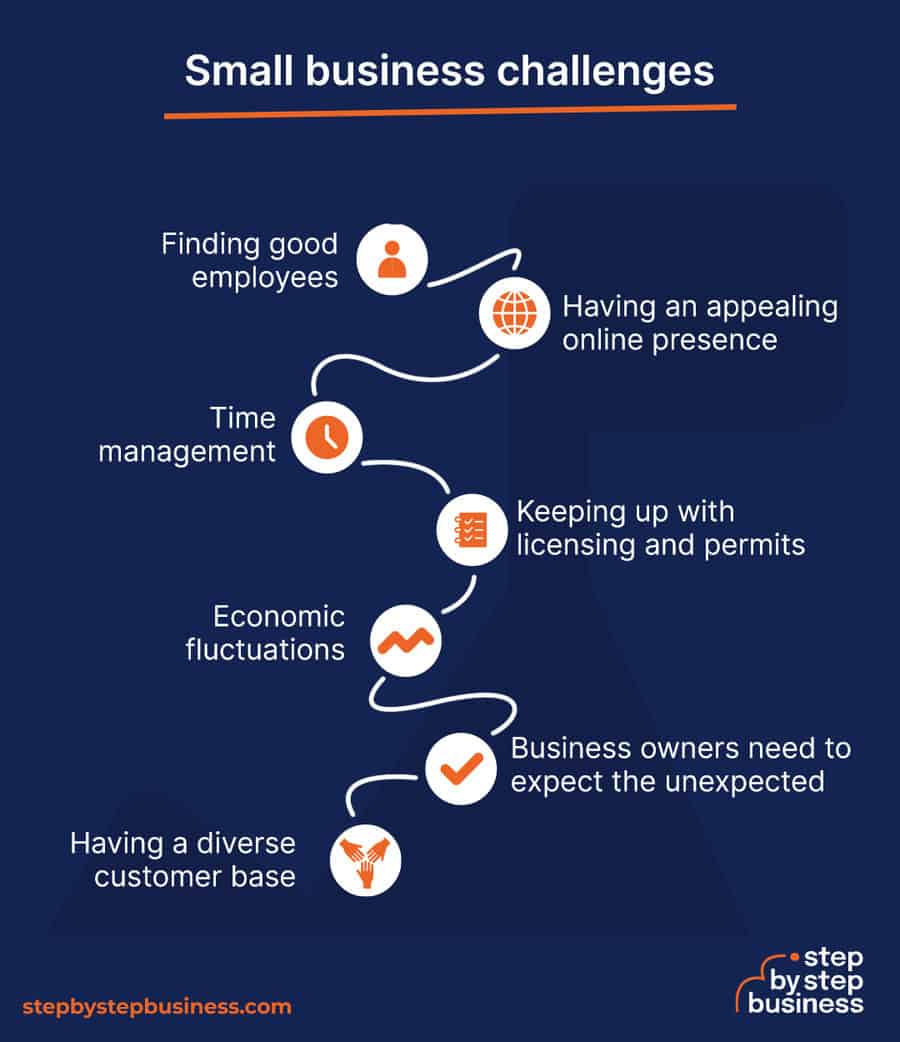
Securing the Foundation: Seed Capital and Funding Strategies
The first hurdle for any aspiring business owner is the acquisition of startup capital. Without a clear understanding of where your initial funding will come from, your business plan remains a theoretical exercise. The method you choose to fund your business will dictate your level of control, your debt obligations, and your long-term growth trajectory.
Bootstrapping and Personal Savings
Bootstrapping is the process of starting a business using existing personal resources and operating solely on the revenue generated by the business. For many, this is the safest way to begin because it avoids the pressure of monthly loan repayments or the dilution of ownership that comes with investors. When you bootstrap, you are forced to be lean, prioritizing essential expenses over “nice-to-have” luxuries. However, the risk is entirely personal; if the business fails, your personal savings are depleted.
Small Business Loans and Credit Lines
If personal savings are insufficient, traditional debt financing is the next logical step. Small Business Administration (SBA) loans are popular because they offer lower down payments and competitive interest rates, backed by the government. Alternatively, a business line of credit provides flexibility, allowing you to draw funds only when needed—ideal for managing seasonal fluctuations or inventory purchases. To qualify for these, you must demonstrate a high personal credit score and present a robust business plan that proves your ability to repay the debt.
Crowdfunding and Private Investment
For businesses with a unique product or a strong community focus, crowdfunding platforms like Kickstarter or Indiegogo offer a way to raise capital while simultaneously validating your market. This is “pre-sales” funding, which carries no debt. On the other end of the spectrum is equity financing, where you exchange a percentage of your company for capital from angel investors or venture capitalists. This is generally reserved for high-growth startups that require significant upfront investment to scale rapidly.
Crafting a Fiscal Blueprint: Budgeting and Financial Forecasting
Once capital is secured, the next phase is the meticulous planning of how that money will be spent. A business without a budget is like a ship without a compass; you might be moving, but you have no idea if you’re heading toward a reef. Financial forecasting allows you to anticipate challenges before they become crises.
Estimating Startup Costs
Startup costs are the one-time expenses required to get your doors open. These include legal fees for incorporation, initial inventory, equipment, licenses, and marketing. Many entrepreneurs underestimate these costs by failing to account for “soft costs,” such as insurance premiums or utility deposits. A professional approach involves categorizing these into “essential” and “discretionary” spending, ensuring that the core operations are funded before any capital is spent on aesthetic improvements.
Projecting Cash Flow
Cash flow is the movement of money in and out of your business. It is crucial to understand that “profit” and “cash flow” are not the same. You can be profitable on paper while being broke in the bank if your customers haven’t paid their invoices yet. A cash flow projection estimates your monthly income against your monthly expenses. By mapping this out for the first 12 to 24 months, you can identify “lean months” in advance and ensure you have enough working capital to cover your fixed costs, such as rent and payroll.
The Break-Even Analysis
Every small business owner must know their break-even point: the exact moment when total revenue equals total expenses. To calculate this, you must distinguish between fixed costs (expenses that don’t change, like rent) and variable costs (expenses that fluctuate with sales, like materials). Knowing your break-even point helps you set realistic sales targets and informs your pricing strategy. If your break-even point requires a volume of sales that is physically impossible to achieve with your current setup, you know immediately that your business model needs adjustment.
Operational Finance: Setting Up Your Business Infrastructure
The “how-to” of starting a business often overlooks the dry but essential administrative tasks that protect your assets and satisfy the tax authorities. Setting up the right financial infrastructure from day one prevents expensive legal and accounting clean-ups later.
Choosing the Right Legal Entity for Tax Efficiency
The legal structure you choose—be it a Sole Proprietorship, an LLC, or an S-Corp—has massive implications for your personal liability and your tax bill. For many small businesses, an LLC (Limited Liability Company) is the preferred choice because it protects personal assets from business debts while allowing for “pass-through” taxation. However, as the business grows, electing S-Corp status can help save on self-employment taxes. Consulting with a tax professional during the setup phase is an investment that usually pays for itself in tax savings within the first year.
Business Banking and Credit
One of the most common mistakes new entrepreneurs make is commingling personal and business funds. To maintain the “corporate veil” (the legal separation between you and your business), you must open a dedicated business bank account. This simplifies bookkeeping and makes tax season significantly less stressful. Furthermore, establishing a business credit profile—separate from your personal credit—allows the company to eventually qualify for higher credit limits and better terms on its own merit.
Tax Compliance and Obligations
Small business owners are responsible for a variety of taxes that W-2 employees never see. This includes estimated quarterly income taxes, self-employment taxes, and potentially sales tax and payroll tax. Failing to set aside a percentage of every dollar earned for the IRS is a frequent cause of business failure. A professional financial setup involves using accounting software to automate these calculations and ensuring that tax obligations are treated as a non-negotiable expense.
Scaling Safely: Managing Growth and Reinvestment
The goal of starting a small business is usually to see it grow, but growth requires its own unique financial management. “Overtrading”—growing faster than your cash flow can support—is a silent killer of successful startups. Managing growth is about balancing the urge to expand with the need for financial stability.
Managing Working Capital
Working capital is the difference between your current assets (cash, accounts receivable) and your current liabilities (bills, debts). As you scale, you may need more inventory or more staff to meet demand. This requires a significant outlay of cash before the new revenue arrives. Effective working capital management involves optimizing your “cash conversion cycle”—the time it takes to turn an investment in inventory back into cash through sales. This might involve negotiating better terms with suppliers or offering discounts to customers who pay their invoices early.
Profit Margins and Pricing Strategy
As your business matures, you must constantly evaluate your profit margins. Inflation, supply chain shifts, and increased labor costs can quickly erode your bottom line. A professional business owner reviews their “Gross Margin” (revenue minus cost of goods sold) and “Net Margin” (total revenue minus all expenses) at least quarterly. If your margins are thinning, you must decide whether to increase prices, reduce operational waste, or pivot to more profitable products or services.
Reinvesting for Long-Term Wealth
The ultimate stage of starting a small business is turning it into a vehicle for long-term wealth. Once the business is stable and generating a surplus, the owner must decide how to allocate those profits. Should the money be reinvested back into the business for new equipment? Should it be used to pay down debt? Or should it be taken as a distribution to fund personal investment accounts? A mature financial strategy balances the needs of the business with the owner’s personal financial goals, ensuring that the business serves the owner rather than the owner being a slave to the business.
In conclusion, starting a small business is a financial undertaking as much as it is a creative one. By securing the right funding, planning through rigorous forecasting, building a compliant infrastructure, and managing growth with discipline, you move beyond the “startup” phase and into the realm of a successful, enduring enterprise. Money is the language of business; if you speak it fluently, your chances of success increase exponentially.
aViewFromTheCave is a participant in the Amazon Services LLC Associates Program, an affiliate advertising program designed to provide a means for sites to earn advertising fees by advertising and linking to Amazon.com. Amazon, the Amazon logo, AmazonSupply, and the AmazonSupply logo are trademarks of Amazon.com, Inc. or its affiliates. As an Amazon Associate we earn affiliate commissions from qualifying purchases.