
Starting a retail store business remains one of the most viable paths to significant wealth creation and financial independence. While the digital landscape has transformed how consumers shop, the fundamental principles of retail—buying at wholesale, managing overhead, and selling at a premium—remain a cornerstone of the global economy. Launching a successful retail venture requires more than just a passion for products; it demands a rigorous understanding of business finance, capital allocation, and strategic market positioning.
To transition from an idea to a profitable enterprise, an entrepreneur must navigate the complexities of startup costs, cash flow management, and long-term financial scaling. This guide provides a detailed roadmap for building a retail business rooted in financial sustainability and growth.
The Financial Foundation: Planning Your Capital and Initial Investment
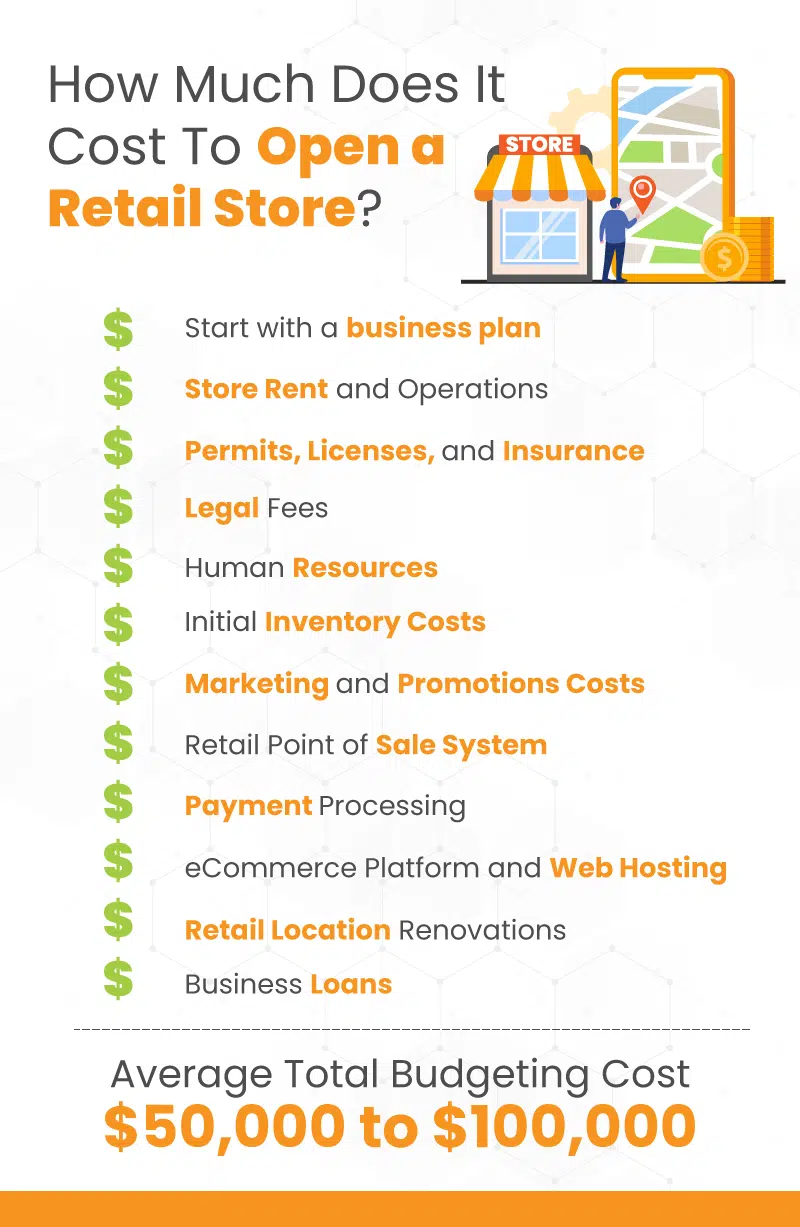
The primary reason most retail businesses fail in their first year is not a lack of sales, but a lack of liquidity. Before opening your doors, you must conduct a deep dive into your initial capital requirements and establish a robust financial buffer.
Estimating Startup Costs
Your startup costs are divided into two categories: fixed assets and operating capital. Fixed assets include “bricks and mortar” expenses such as lease security deposits, interior renovations (build-outs), shelving, signage, and Point of Sale (POS) hardware. These are often one-time investments that establish your physical presence.
Operating capital, on the other hand, covers the funds needed to keep the business running until it reaches the break-even point. This includes your initial inventory purchase, marketing launch budgets, insurance premiums, and at least six months of payroll and rent. A common mistake is underestimating the “carrying cost” of inventory—the money tied up in products sitting on shelves that haven’t sold yet.
Securing Funding and Managing Cash Flow
Once you have a clear figure, you must determine your funding source. Bootstrapping—using personal savings—offers the most control but carries the highest personal risk. Alternatively, Small Business Administration (SBA) loans or private investors can provide the necessary leverage to launch at a larger scale.
Effective cash flow management is the heartbeat of retail. You must track your “burn rate” (monthly expenses) against your projected revenue. Utilizing financial tools like automated accounting software allows you to monitor your accounts payable and receivable in real-time, ensuring that you always have enough cash on hand to replenish inventory during peak seasons.
Business Structuring and Revenue Models
A retail store is not just a shop; it is a financial entity. The way you structure this entity and how you price your goods will dictate your tax liabilities and your ultimate profit margins.
Choosing the Right Legal Entity for Tax Efficiency
In the “Money” niche of business, the legal structure is a vital tool for asset protection and tax optimization. Most retail entrepreneurs choose between a Limited Liability Company (LLC) or an S-Corporation. An LLC is generally easier to manage and provides a shield for personal assets, while an S-Corp may offer significant savings on self-employment taxes as the business scales and generates higher net income. Consulting with a tax professional during the setup phase can save thousands of dollars in unnecessary levies over the business’s lifespan.
Inventory Management and Profit Margins
The lifeblood of retail is the margin—the difference between the Cost of Goods Sold (COGS) and the retail price. To maintain a healthy business, you must understand the “Keystone Pricing” model, which involves doubling the wholesale cost to set the retail price. However, in a competitive market, you must also account for markdowns, theft (shrinkage), and seasonal clearances.
Inventory turnover is another critical financial metric. This measures how many times you sell and replace your stock over a given period. A high turnover rate indicates that you are utilizing your capital efficiently, whereas a low turnover rate suggests that your money is “dead,” trapped in products that are not moving. Mastering the balance between having enough stock to meet demand and minimizing excess inventory is the key to maximizing Return on Investment (ROI).
Location and Overhead: The Economics of Physical vs. Digital Spaces
In retail, “location, location, location” is more than a cliché; it is a financial calculation of customer acquisition cost. The rent you pay is essentially a pre-payment for the foot traffic the location provides.
Evaluating Lease Agreements and Fixed Costs
When selecting a physical storefront, the lease is likely your largest recurring fixed cost. Retail leases are often more complex than residential ones, frequently involving “Triple Net” (NNN) structures where the tenant pays for property taxes, insurance, and maintenance in addition to base rent.
Before signing, you must perform a “pro forma” analysis. If a high-traffic corner lot costs $5,000 a month but brings in 500 potential customers a day, the cost per potential customer is significantly lower than a $2,000-a-month location that only sees 20 people. High rent can be a strategic investment if the conversion rate justifies the expense.
The Omni-channel Approach to Maximizing ROI
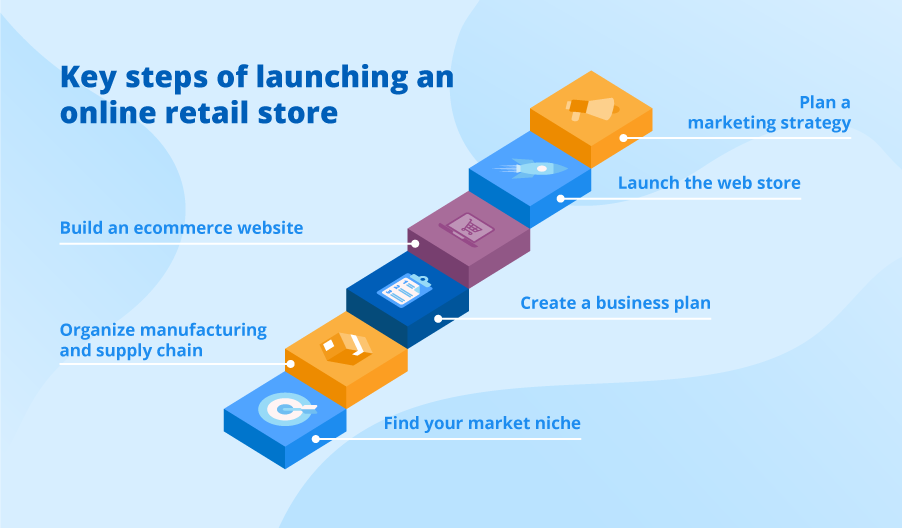
In the modern economy, a retail business cannot rely solely on physical foot traffic. Integrating an e-commerce component—an omni-channel strategy—allows you to diversify your revenue streams. By selling online while maintaining a physical presence, you hedge your bets against local economic downturns.
From a financial perspective, your online store serves as a low-overhead branch of your business. While there are costs associated with shipping and digital marketing, the lack of additional rent and utility costs for online sales can significantly boost your overall net profit margin.
Operational Scalability and Long-term Wealth Creation
The ultimate goal of starting a retail store should be to build a scalable asset that can eventually operate without your constant physical presence, or one that can be sold for a high valuation.
Building a Sustainable Sales Funnel
Revenue in retail is driven by three factors: the number of customers, the average transaction value, and the frequency of repeat visits. Financial growth is achieved by optimizing each. Implementing a loyalty program, for instance, is a low-cost way to increase the lifetime value (LTV) of a customer. When you increase the frequency with which a customer returns, you are effectively lowering your marketing costs and increasing your profit per head.
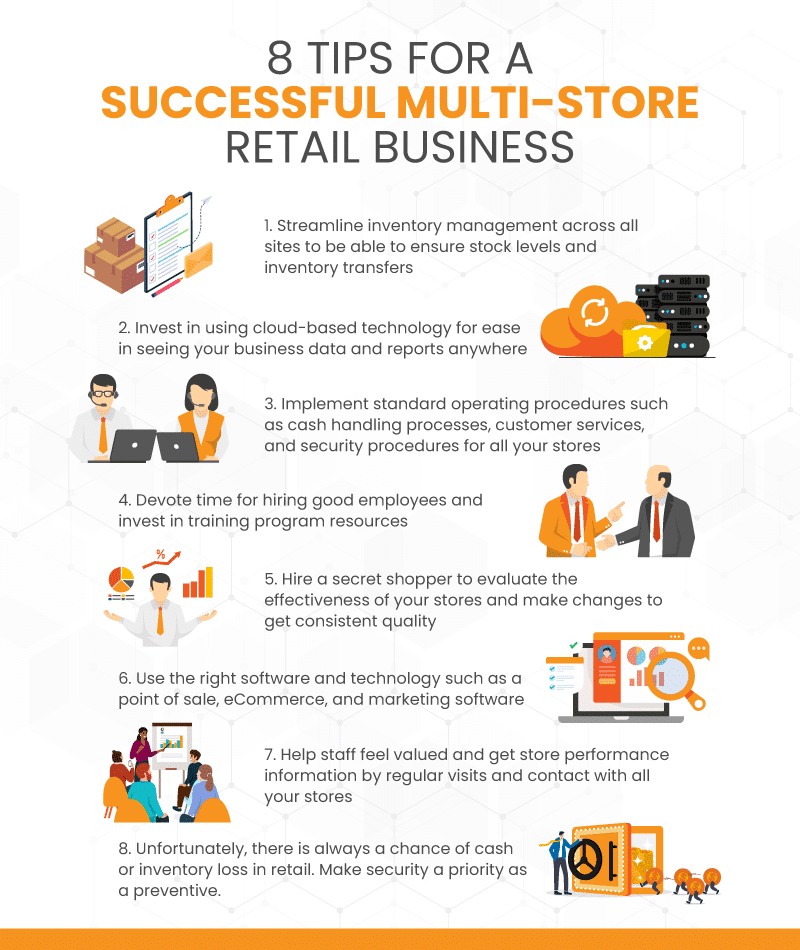
Furthermore, investing in high-quality staff and sales training turns payroll from an expense into a revenue generator. A skilled floor manager who can upsell and cross-sell effectively increases the average basket size, directly impacting the bottom line.
Exit Strategies and Valuation
A well-run retail store is a valuable asset. When the time comes to move on, your business will be valued based on a multiple of its earnings—specifically, its EBITDA (Earnings Before Interest, Taxes, Depreciation, and Amortization).
To ensure a high valuation, you must maintain impeccable financial records. Potential buyers or investors look for “clean” books, consistent year-over-year growth, and a business model that is not overly dependent on the founder. By documenting processes and automating inventory and financial reporting, you create a “turnkey” operation. This transformation of a daily job into a sellable asset is the final step in the retail entrepreneurial journey, turning years of hard work into a significant liquidity event.
Conclusion: The Disciplined Path to Retail Success
Starting a retail store is a sophisticated financial undertaking that rewards discipline, analytical thinking, and strategic planning. By focusing on capital preservation, margin optimization, and scalable operations, you can build a business that not only provides a steady stream of income but also serves as a pillar of long-term wealth. The transition from a simple shop owner to a retail mogul requires a relentless focus on the numbers, ensuring that every dollar invested works toward the ultimate goal of sustainable profitability.
aViewFromTheCave is a participant in the Amazon Services LLC Associates Program, an affiliate advertising program designed to provide a means for sites to earn advertising fees by advertising and linking to Amazon.com. Amazon, the Amazon logo, AmazonSupply, and the AmazonSupply logo are trademarks of Amazon.com, Inc. or its affiliates. As an Amazon Associate we earn affiliate commissions from qualifying purchases.