
Starting a loan business is an ambitious venture that, when executed with diligence and strategic foresight, can be incredibly rewarding. It involves navigating a complex landscape of financial regulations, capital requirements, risk assessment, and customer acquisition. Essentially, you’re stepping into the critical role of a financial intermediary, facilitating economic activity by providing essential capital to individuals and businesses. This guide will walk you through the fundamental steps and considerations necessary to establish a successful and compliant lending operation, focusing squarely on the financial mechanics, market strategies, and operational frameworks intrinsic to the money niche.
Understanding the Loan Business Landscape
Before embarking on the journey of starting a loan business, it’s crucial to grasp the multifaceted nature of the lending industry. This understanding forms the bedrock of your business strategy and ensures you can identify your niche and operate within the bounds of the law.
Different Types of Lending Models
The world of lending is diverse, offering various models to suit different financial needs and risk appetites. Understanding these will help you pinpoint where your business can add value. Traditional bank lending, while dominant, is often characterized by stringent requirements and slower processes, creating opportunities for specialized lenders. Peer-to-peer (P2P) lending platforms connect borrowers directly with individual investors, offering a more agile and often technology-driven approach. Micro-lending focuses on providing small loans, typically to entrepreneurs in developing economies or underserved domestic communities, fostering economic empowerment.
Beyond the delivery mechanism, loans can be categorized by their nature: secured loans, which require collateral (e.g., mortgages, auto loans), and unsecured loans, which rely solely on the borrower’s creditworthiness (e.g., personal loans, credit cards). You can also specialize in consumer loans (for individuals) or business loans (for enterprises of all sizes). Asset-backed lending, where loans are secured by a company’s assets like inventory or accounts receivable, represents another significant segment. Each model carries distinct risk profiles, operational complexities, and regulatory considerations, all of which directly impact your financial viability.
Key Players and Market Opportunities
The lending market is populated by a wide array of players, from colossal commercial banks and credit unions to niche fintech lenders and alternative finance providers. While established institutions command significant market share, their rigid structures often leave gaps. These gaps represent fertile ground for new entrants. Identifying underserved markets—be it small businesses struggling to access traditional capital, specific demographic groups, or niche industries with unique financing needs—is paramount. For instance, many small and medium-sized enterprises (SMEs) are considered too risky by large banks but are perfectly viable for a focused lender. Leveraging technology to streamline applications, improve underwriting, and offer faster disbursements can be a powerful differentiator, attracting borrowers who value speed and convenience. Your market entry strategy must therefore hinge on a precise understanding of financial demand and supply dynamics.
Regulatory Environment and Compliance
Operating a loan business is highly regulated, primarily to protect consumers, prevent illicit financial activities, and maintain stability within the financial system. The regulatory framework can vary significantly by jurisdiction, encompassing federal, state, and even local laws. Key regulations often include usury laws, which cap interest rates, and the Truth in Lending Act (TILA), which mandates transparency in loan terms.
Crucially, you’ll need to navigate licensing requirements, which can be complex and expensive. Anti-Money Laundering (AML) and Know Your Customer (KYC) protocols are non-negotiable, requiring robust systems to verify borrower identities and monitor transactions for suspicious activity. Data privacy laws, such as GDPR or CCPA, also heavily impact how you handle sensitive financial information. Non-compliance can result in severe financial penalties, reputational damage, and even loss of operating licenses, making a deep understanding and strict adherence to these regulations absolutely essential for your business’s financial health and longevity.
Essential Steps for Setting Up Your Loan Business
Laying a strong foundation is critical for any new venture, and a loan business is no exception. This involves meticulous planning, securing adequate capital, and establishing a sound legal structure.
Developing Your Business Plan and Niche
A comprehensive business plan is the blueprint for your loan company. It should articulate your mission, vision, and clearly define your target market. Conduct thorough competitive analysis to understand existing players, their strengths, weaknesses, and pricing strategies. Crucially, your plan must define your unique value proposition. Will you offer faster approval times, lower interest rates for a specific risk profile, or specialized loan products tailored to an underserved niche?
Central to your business plan are detailed financial projections. This includes a clear outline of startup costs (licensing, technology, legal fees, office space), ongoing operational expenses (staff salaries, marketing, loan servicing), and robust revenue forecasts. You must project your loan origination volumes, expected repayment rates, and potential default rates to arrive at a realistic profitability analysis. This financial roadmap will not only guide your internal operations but also serve as a vital tool for attracting investors and securing funding.
Securing Capital and Funding Sources
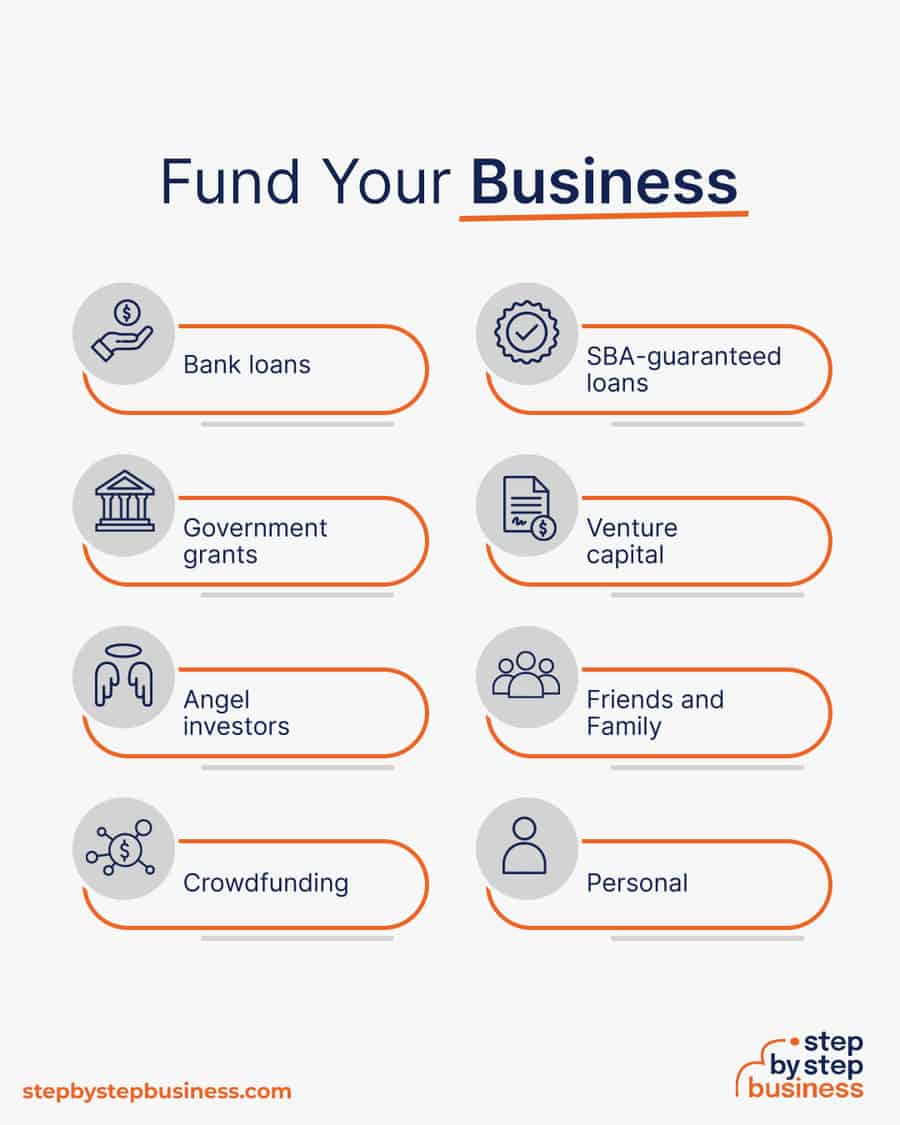
Access to capital is the lifeblood of a loan business – you need money to lend money. Identifying and securing appropriate funding sources is therefore a top priority. Initial capital might come from self-funding, personal savings, or family and friends. For larger scale operations, you might approach angel investors, venture capital firms, or even institutional lenders specializing in providing capital to other financial institutions.
The type of funding you pursue will often depend on your business model and growth potential. Debt financing (loans from banks or other lenders) allows you to maintain full ownership but requires repayment with interest. Equity financing (selling ownership stakes to investors) can provide substantial capital injections but dilutes your ownership. Preparing a compelling pitch deck and a detailed financial model demonstrating your business’s viability and potential returns is essential for attracting serious investors. Your ability to present a credible and attractive financial case will largely determine your success in this crucial step.
Legal Structure and Registration
Choosing the right legal structure has significant implications for your liability, taxation, and administrative burden. Common choices include a Limited Liability Company (LLC) or a Corporation (S-Corp or C-Corp). An LLC offers personal liability protection and flexible taxation, making it a popular choice for many startups. A Corporation, while more complex to set up and maintain, can be more attractive to investors and provides a clear framework for ownership and governance, particularly if you envision going public or raising significant capital.
Beyond choosing a structure, you’ll need to register your business with relevant state and federal authorities. This includes obtaining an Employer Identification Number (EIN) from the IRS and registering your business name. Most importantly, you must secure all necessary lending licenses and permits. These often vary by state and the types of loans you intend to offer. Consulting with legal and financial experts specializing in the lending industry is indispensable to ensure full compliance from day one, preventing costly missteps down the line.
Building a Robust Operational Framework
Once the foundational elements are in place, the focus shifts to establishing efficient and secure operational processes that will power your lending activities. This is where the rubber meets the road in managing financial transactions and risks.
Technology and Loan Management Systems
In today’s fast-paced financial world, technology is not just an advantage; it’s a necessity. Implementing a robust Loan Management System (LMS) is paramount for efficiency and accuracy. Such systems streamline loan origination, underwriting, servicing, and collections. Features often include automated application processing, credit score integration, document management, payment scheduling, and real-time reporting.
Beyond an LMS, consider integrating Customer Relationship Management (CRM) software to manage borrower interactions and improve customer service. Secure data management systems are critical for protecting sensitive financial information and ensuring compliance with data privacy regulations. While the focus isn’t on the tech itself, its application directly impacts the financial performance, security, and scalability of your lending operations, allowing you to process more loans with fewer errors and lower overheads.
Underwriting and Risk Assessment Strategies
At the heart of any successful loan business is a strong underwriting process and a comprehensive risk assessment strategy. This involves developing clear, consistent lending criteria that align with your risk appetite and target market. You’ll need to implement robust credit scoring models, which might include traditional FICO scores, but also increasingly incorporate alternative data points for a more nuanced assessment, especially for underserved segments.
Due diligence processes must be meticulously defined to verify borrower information, assess their capacity to repay, and evaluate the collateral (if applicable). This includes income verification, employment checks, and analysis of debt-to-income ratios. Mitigating default risk is an ongoing process, requiring continuous monitoring of loan performance and proactive measures when signs of distress emerge. A well-defined risk management framework is not merely a procedural requirement; it is the financial backbone that protects your capital and ensures the long-term viability of your business.
Loan Servicing and Collections
Effective loan servicing ensures that payments are processed accurately and efficiently, maintaining a positive relationship with your borrowers. This involves setting up reliable payment gateways, providing clear statements, and offering accessible customer support for inquiries related to their loans. Timely and accurate servicing contributes significantly to customer satisfaction and, consequently, to lower delinquency rates.
However, defaults are an inevitable part of lending. You must establish clear strategies for handling delinquent accounts. This typically involves a tiered approach, starting with proactive communication, offering payment restructuring options where appropriate, and, as a last resort, initiating legal action or engaging collection agencies. All collection activities must strictly adhere to fair debt collection practices and consumer protection laws to avoid legal complications and reputational damage. The efficiency and ethical conduct of your servicing and collections department directly impact your recovery rates and, thus, your overall profitability.
Marketing, Growth, and Sustained Success
Once your loan business is operational, the focus shifts to attracting borrowers, building a trusted brand, and strategizing for long-term growth and financial stability.
Reaching Your Target Borrowers
Effective marketing is essential to acquire customers and generate loan applications. Your marketing strategy should be tailored to your target niche and highlight the financial benefits and convenience your loan products offer. Digital marketing channels, such as search engine optimization (SEO), search engine marketing (SEM) through paid ads, and social media advertising, are powerful tools for reaching a broad audience efficiently. Content marketing that educates potential borrowers about financial literacy or specific loan products can also establish you as a thought leader.
Beyond digital, consider strategic partnerships with financial advisors, real estate agents, accountants, or business consultants who can refer clients in need of financing. Direct outreach to small business associations or community groups can also be effective for niche markets. The goal is to position your business as the preferred financial solution for your target demographic, ensuring a steady stream of loan applications.
Building Trust and Reputation
In the financial industry, trust is currency. Building a strong, positive reputation is paramount for long-term success. This is achieved through unwavering transparency in all your terms and conditions, ensuring borrowers fully understand their obligations and the costs involved. Providing excellent customer service, characterized by responsiveness, empathy, and clear communication, goes a long way in fostering positive relationships.
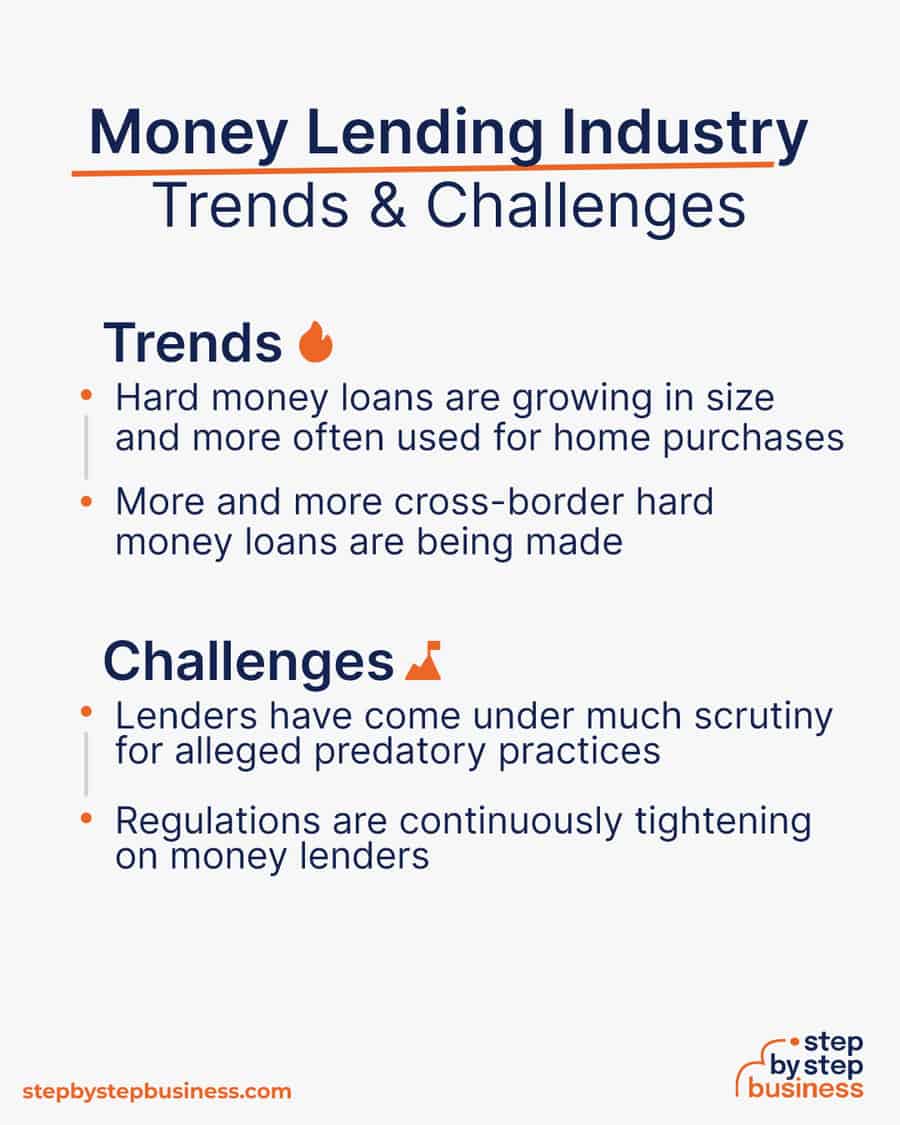
Upholding ethical lending practices is non-negotiable. Avoid predatory lending tactics and ensure your loan products are fair and sustainable for your borrowers. Encourage positive online reviews and testimonials, and actively manage your online presence. A strong reputation not only attracts new borrowers but also builds loyalty, leading to repeat business and valuable word-of-mouth referrals, all of which directly contribute to your financial standing and growth.
Scaling and Diversifying Your Portfolio
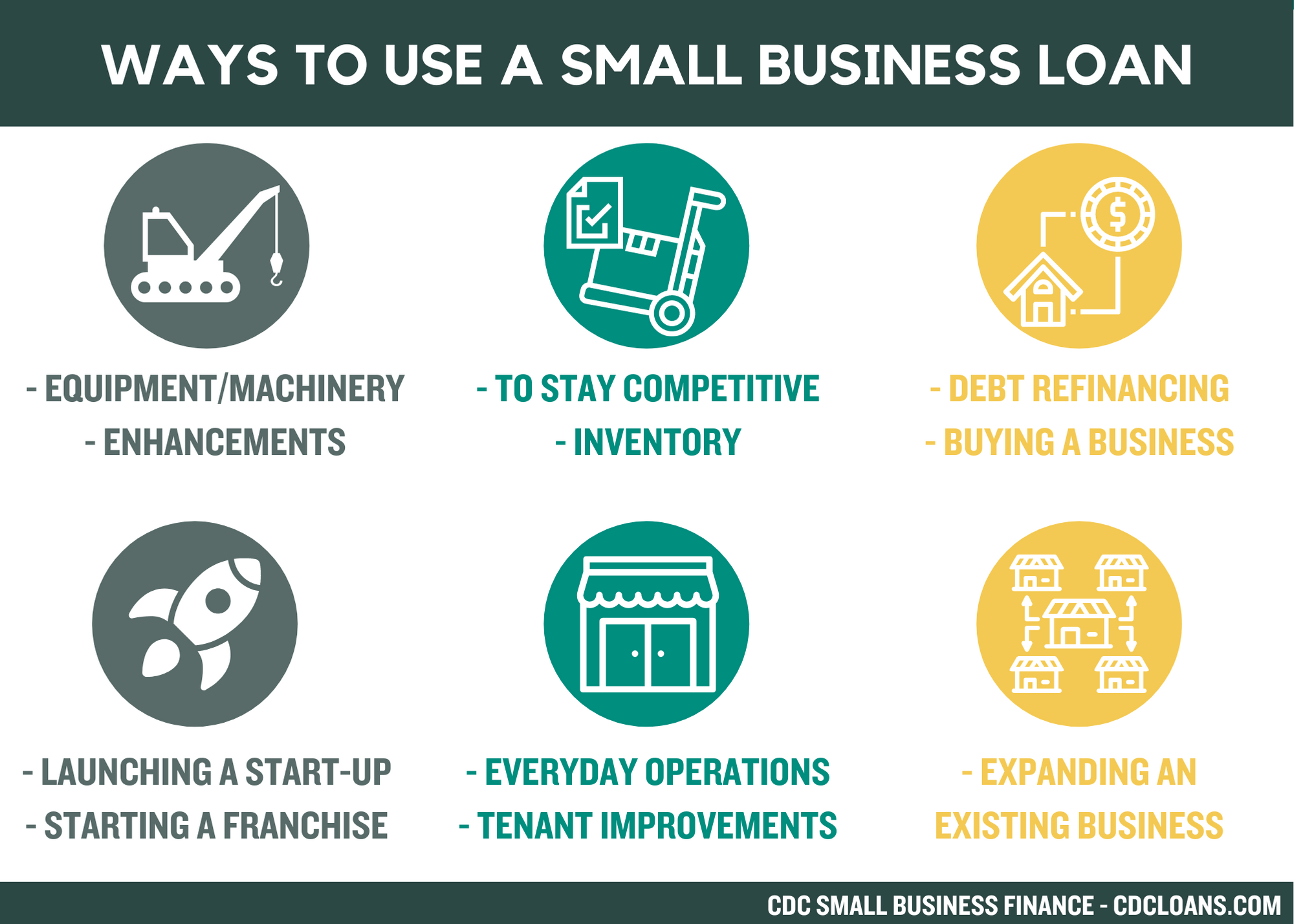
Once your initial lending operations are stable and profitable, strategize for growth. Scaling might involve expanding into new loan products, targeting additional borrower segments, or extending your geographical reach. For instance, if you started with consumer personal loans, you might consider offering small business loans or secured auto loans.
Continuous monitoring of market trends, economic indicators, and competitor activities is crucial for identifying new opportunities and potential risks. Strategic acquisitions of smaller loan portfolios or partnerships with complementary financial service providers can accelerate growth. Reinvesting profits back into the business, whether for technology upgrades, talent acquisition, or expanding your capital base, is vital for sustained expansion. Diversifying your loan portfolio across different types of borrowers and products helps to mitigate overall risk and ensures financial resilience against market fluctuations.
Conclusion
Starting a loan business is a challenging yet profoundly impactful undertaking. It demands meticulous planning, robust financial management, an unyielding commitment to regulatory compliance, and a strategic approach to market engagement. While the path is fraught with complexities, from securing significant capital to navigating intricate legal frameworks and managing inherent risks, the potential rewards are substantial.
By focusing on understanding the lending landscape, meticulously planning your operational and financial strategies, leveraging appropriate technology, and prioritizing ethical practices and borrower trust, you can build a sustainable and profitable enterprise. Beyond mere profit, a well-run loan business contributes significantly to economic development, empowering individuals and businesses to achieve their financial aspirations. With diligence, integrity, and a clear vision, you can successfully launch and grow a loan business that thrives within the dynamic world of finance.
aViewFromTheCave is a participant in the Amazon Services LLC Associates Program, an affiliate advertising program designed to provide a means for sites to earn advertising fees by advertising and linking to Amazon.com. Amazon, the Amazon logo, AmazonSupply, and the AmazonSupply logo are trademarks of Amazon.com, Inc. or its affiliates. As an Amazon Associate we earn affiliate commissions from qualifying purchases.