
Embarking on the journey of starting a home business is a dream for many, promising autonomy, flexibility, and the potential for significant financial reward. In an increasingly digital world, the barriers to entry are lower than ever, making it an opportune moment to transform an idea into a profitable venture. However, the path to success is paved not just with passion and innovation, but crucially, with meticulous financial planning and astute money management. This guide delves exclusively into the financial considerations and strategies essential for launching, funding, managing, and scaling a home-based business, ensuring a solid foundation for sustainable growth and profitability.
Initial Financial Planning and Business Conception
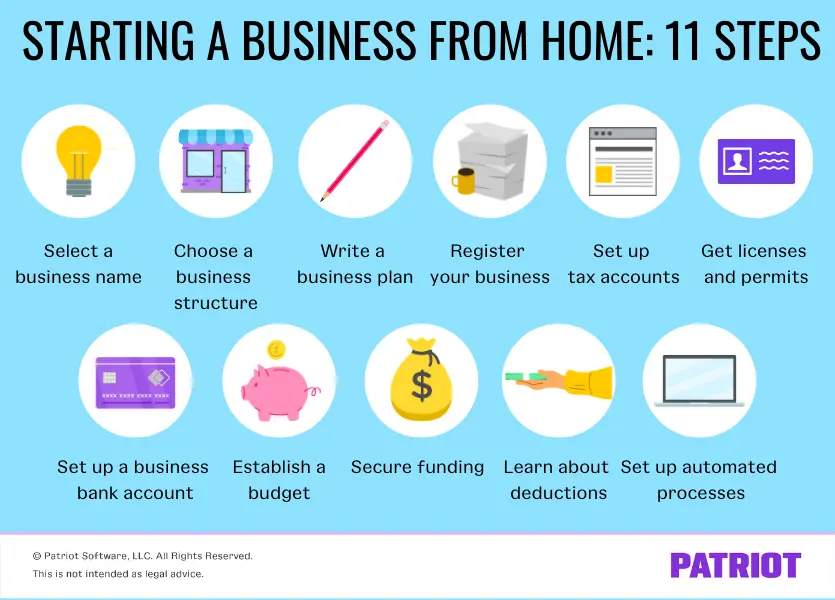
The genesis of any successful home business lies in robust financial planning. Before a single product is sold or service rendered, a clear financial roadmap must be established, guiding every subsequent decision. This stage is about identifying a viable market, understanding the costs involved, and projecting potential revenue.
Identifying a Profitable Niche and Business Idea
The first financial consideration is validating the profitability of your chosen business idea. This isn’t merely about finding something you enjoy doing; it’s about identifying a genuine market need that people are willing to pay to satisfy. Thorough market research is paramount. Investigate the demand for your proposed product or service, analyze the competitive landscape, and critically assess the potential revenue streams.
- Market Demand Analysis: Are there enough potential customers? What problem does your business solve for them? Utilize tools like Google Trends, keyword research, and competitor analysis to gauge interest.
- Revenue Model Assessment: How will your business make money? Will it be through direct sales, subscriptions, advertising, consulting fees, or a combination? Each model has different implications for cash flow and scalability.
- Pricing Strategy Research: Understand what competitors are charging and what customers are willing to pay. This will help you position your product/service for profitability from the outset. Don’t underestimate the value you bring, but also ensure your pricing remains competitive and attractive.
Crafting a Robust Financial Business Plan
A comprehensive business plan, with a strong emphasis on financial projections, is your blueprint for success. This document will outline your startup costs, operational expenses, funding requirements, and anticipated revenue. It’s not just for potential investors; it’s a critical tool for you to understand the financial viability and demands of your business.
- Startup Costs Breakdown: Detail every initial expense, from registering your business and acquiring necessary equipment to initial inventory, software subscriptions, and marketing efforts. Be realistic and comprehensive.
- Operating Expense Projections: Forecast your ongoing monthly costs, including utilities, internet, software, marketing, supplies, and your own salary (if you plan to pay yourself).
- Revenue Projections: Based on your market research and pricing strategy, estimate your sales volume and corresponding revenue for the first one to three years. Be conservative in your initial estimates.
- Break-Even Analysis: Calculate the point at which your total revenue equals your total expenses. Understanding your break-even point is crucial for setting financial targets and assessing risk.
- Cash Flow Forecast: Project how cash will move in and out of your business over time. Positive cash flow is vital for survival, even if your business is technically profitable on paper.
Setting Up Legal and Financial Foundations
Establishing the correct legal and financial framework from the start is critical for financial integrity and compliance. This impacts everything from liability to tax obligations.
- Choosing a Business Structure: Decide whether to operate as a sole proprietorship, partnership, Limited Liability Company (LLC), or S-Corp. Each structure has different implications for personal liability, taxation, and administrative burden. Consult with a legal and financial professional to make an informed decision based on your specific circumstances.
- Separate Bank Accounts: Absolutely essential. Create dedicated business checking and savings accounts. This cleanly separates personal and business finances, simplifies accounting, and is critical for tax purposes and financial auditing.
- Accounting Software: Invest in user-friendly accounting software (e.g., QuickBooks, Xero, FreshBooks) from day one. This will automate expense tracking, invoicing, payment processing, and financial reporting, saving you countless hours and ensuring accuracy.
Funding Your Home Business Venture
Even with minimal overheads, starting a home business typically requires some initial capital. Understanding your funding options and choosing the right path is crucial for getting your venture off the ground without undue financial strain.
Bootstrapping and Personal Savings
For many home business owners, bootstrapping is the preferred initial strategy. This involves funding your business solely with personal savings and the revenue generated by the business itself. It necessitates a lean approach, prioritizing essential expenditures and maximizing efficiency.
- Minimize Initial Outlay: Look for ways to reduce startup costs. Can you use existing equipment? Start with a minimum viable product (MVP)? Delay non-essential purchases?
- Reinvest Early Profits: In the initial stages, prioritize reinvesting any profits back into the business to fuel growth and cover emerging expenses, rather than drawing a large personal salary.
- Strategic Spending: Every dollar spent should be a strategic investment that directly contributes to revenue generation or essential operations.
Exploring Small Business Loans and Grants
If personal savings aren’t sufficient, external funding avenues can provide the necessary capital injection.
- SBA Loans: The U.S. Small Business Administration (SBA) doesn’t lend money directly but guarantees loans made by approved lenders. These often come with favorable terms and lower interest rates, making them an attractive option for qualified small businesses.
- Microloans: Offered by non-profit organizations, microloans are typically smaller amounts designed to support startups and small businesses that may not qualify for traditional bank loans.
- Grants: While often competitive and specific in their criteria, grants offer non-repayable funds. Research grants available for specific industries, demographics (e.g., women-owned businesses), or innovative ventures. Government agencies, foundations, and corporations are common sources.
- Crowdfunding: Platforms like Kickstarter or Indiegogo allow you to raise small amounts of capital from a large number of individuals, often in exchange for pre-orders or unique rewards. This can also serve as market validation.
Managing Your Business Finances for Sustainable Growth
Once operational, diligent financial management becomes the backbone of your home business. Effective budgeting, strategic pricing, and vigilant cash flow management are essential for profitability and long-term sustainability.
Mastering Budgeting and Expense Tracking
A detailed budget is not a restrictive measure but a strategic tool that empowers you to allocate resources effectively and identify areas for cost reduction. Coupled with rigorous expense tracking, it provides clear insights into your financial health.
- Establish a Realistic Budget: Based on your financial plan, create a monthly budget for all operational costs, marketing, supplies, and contingencies. Review and adjust it regularly as your business evolves.
- Automate Expense Tracking: Use your accounting software to categorize and track every business expense. Link your business bank accounts and credit cards to simplify this process. This is crucial for tax preparation and understanding where your money is going.
- Regular Financial Reviews: Schedule weekly or monthly reviews of your budget versus actual expenses. Identify discrepancies and take corrective action promptly.
Pricing Strategies for Profitability

Your pricing strategy directly impacts your revenue and perceived value. It must cover your costs, provide a healthy profit margin, and be attractive to your target market.
- Cost-Plus Pricing: Calculate all costs associated with producing your product or service and add a desired profit margin. Simple, but might not reflect market value.
- Value-Based Pricing: Price your offerings based on the perceived value they provide to the customer, rather than just your costs. This often allows for higher margins if your value proposition is strong.
- Competitive Pricing: Analyze competitor pricing and position your own accordingly. You might price lower to attract customers, or higher to signal premium quality.
- Dynamic Pricing: Adjust prices based on demand, time of year, or specific customer segments.
- Understand Your Margins: Always know your gross profit margin (revenue minus cost of goods sold) and net profit margin (revenue minus all expenses). These metrics are vital indicators of your business’s financial efficiency.
Cash Flow Management and Forecasting
“Cash is king” is a timeless business adage, especially for home businesses. You can be profitable on paper, but if you don’t have enough cash to cover your immediate expenses, your business can fail.
- Monitor Accounts Receivable and Payable: Promptly invoice clients and follow up on overdue payments. Pay your own bills strategically, taking advantage of payment terms without incurring late fees.
- Maintain a Cash Reserve: Aim to have at least three to six months of operating expenses in a dedicated business savings account to cover unexpected downturns or significant investments.
- Cash Flow Forecasting: Regularly project your incoming and outgoing cash over the next few months. This helps you anticipate potential shortfalls and plan for periods of high expenditure or slow revenue.
Tax Implications and Financial Compliance
Navigating the complexities of taxes and financial compliance is a critical, albeit often daunting, aspect of running a home business. Proactive planning can save money and prevent legal issues.
Understanding Home Business Tax Deductions
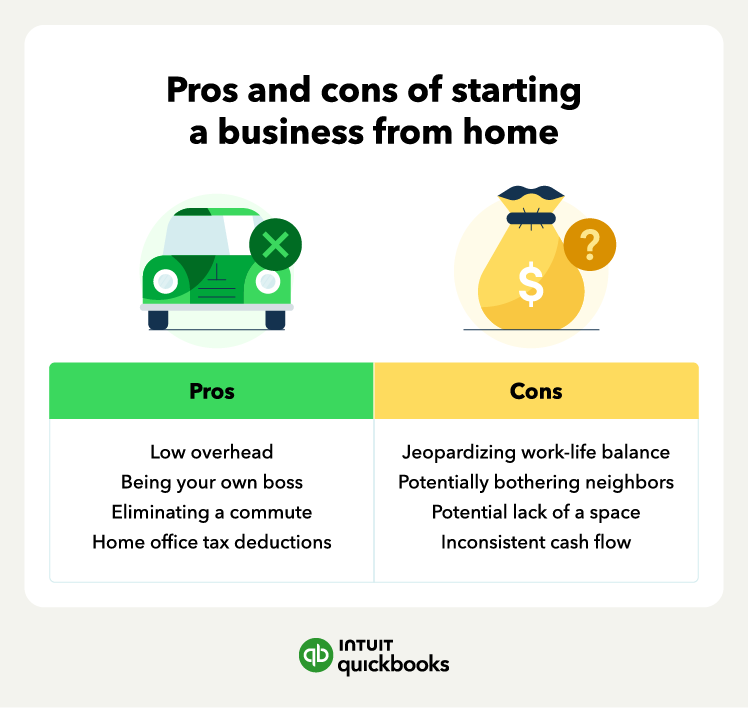
One of the significant financial advantages of a home business is the ability to claim various tax deductions. These deductions reduce your taxable income, thereby lowering your overall tax liability.
- Home Office Deduction: If your home is your principal place of business and you use a specific area exclusively and regularly for business, you can deduct a portion of your rent/mortgage, utilities, internet, and insurance. The simplified option allows a standard deduction per square foot.
- Business Expenses: Deduct all ordinary and necessary expenses incurred in operating your business, including supplies, software subscriptions, professional fees, marketing costs, and business travel.
- Equipment and Depreciation: The cost of business equipment can often be fully deducted in the year of purchase (Section 179 deduction) or depreciated over several years.
- Health Insurance Premiums: If you are self-employed and not eligible for an employer-sponsored health plan, you can typically deduct your health insurance premiums.
Navigating Self-Employment Taxes
As a self-employed individual, you are responsible for paying both the employer and employee portions of Social Security and Medicare taxes, known as self-employment tax.
- Estimated Quarterly Taxes: The IRS requires self-employed individuals to pay estimated taxes quarterly if they expect to owe at least $1,000 in tax for the year. Failure to do so can result in penalties. Calculate and set aside a portion of your income regularly to cover these payments.
- Consult a Tax Professional: The intricacies of self-employment taxes and available deductions can be complex. Engaging a qualified tax accountant is a wise investment to ensure compliance and maximize legitimate deductions.
Record Keeping and Compliance Best Practices
Meticulous record keeping is not just good practice; it’s a legal requirement and your best defense in case of an audit.
- Maintain Detailed Financial Records: Keep all receipts, invoices, bank statements, and payment records for at least seven years. Your accounting software should aid significantly in this.
- Understand State and Local Regulations: Beyond federal taxes, be aware of any state income tax, sales tax, or local business licenses and fees that apply to your home business.
- Stay Informed: Tax laws can change. Regularly review IRS guidelines for small businesses or subscribe to updates from your tax professional.
Scaling Your Home Business for Long-Term Financial Success
Achieving initial profitability is a significant milestone, but long-term financial success for a home business often hinges on strategic scaling and diversification. This involves reinvesting wisely, exploring new revenue avenues, and planning for future financial objectives.
Reinvesting Profits Strategically
Once your business generates consistent profits, the temptation might be to draw a larger salary. However, strategic reinvestment is key to sustainable growth and increased future earnings.
- Invest in Automation: Automate repetitive tasks using software or tools to free up your time and improve efficiency, directly impacting your bottom line.
- Expand Marketing Efforts: Allocate more funds to effective marketing channels to reach a wider audience and drive more sales.
- Outsourcing Non-Core Tasks: Consider outsourcing administrative tasks, specialized services (like advanced SEO or graphic design), or even portions of production to free yourself to focus on high-value activities. This can be more cost-effective than hiring full-time employees initially.
- Skill Development: Invest in courses or training to enhance your own skills or those of any team members, directly contributing to the business’s capacity and value.
Diversifying Income Streams
Reliance on a single product or service can be risky. Diversifying your income streams provides financial stability and opens new avenues for growth.
- Expand Product/Service Offerings: Introduce complementary products or services that appeal to your existing customer base.
- Subscription Models: If applicable, consider offering subscription-based services or products for recurring revenue.
- Affiliate Marketing or Partnerships: Leverage your platform or audience to promote complementary products or services from other businesses, earning commissions.
- Digital Products: Convert your expertise into digital products like e-books, online courses, or templates that can generate passive income.
Planning for Future Financial Milestones
Long-term financial planning extends beyond immediate business operations. It involves considering your personal financial future and the ultimate trajectory of your business.
- Personal Financial Planning: Ensure your home business isn’t your sole financial safety net. Contribute to personal retirement accounts (SEP IRA, Solo 401(k)), and maintain an emergency fund separate from business reserves.
- Exit Strategy Considerations: Even if you’re just starting, consider what a successful exit might look like. Will you sell the business, pass it on, or wind it down? Planning this can influence how you build and structure your business for maximum future value.
- Succession Planning: If your home business grows to involve others, consider how its leadership and ownership might transition in the future.
Starting a home business is a journey that intertwines passion with practicality, creativity with financial acumen. By diligently focusing on financial planning, securing appropriate funding, maintaining rigorous financial management, navigating tax obligations, and strategically planning for growth, you can transform your home-based venture into a financially rewarding and sustainable enterprise. The ultimate success of your home business will be a testament to not just your entrepreneurial spirit, but your disciplined and informed approach to money.
aViewFromTheCave is a participant in the Amazon Services LLC Associates Program, an affiliate advertising program designed to provide a means for sites to earn advertising fees by advertising and linking to Amazon.com. Amazon, the Amazon logo, AmazonSupply, and the AmazonSupply logo are trademarks of Amazon.com, Inc. or its affiliates. As an Amazon Associate we earn affiliate commissions from qualifying purchases.