
Starting a business is often romanticized as an act of pure creativity or innovation. However, beneath every successful venture lies a rigorous financial architecture. To transition from a mere concept to a sustainable enterprise, an entrepreneur must shift their perspective from that of a “creator” to that of a “Chief Financial Officer.” Launching a business in today’s volatile economy requires more than just a good idea; it requires a deep understanding of capitalization, cash flow dynamics, and fiscal scalability. This guide explores the essential financial pillars of starting a business, focusing on how to build a venture that is not only operational but fundamentally profitable from its inception.

1. Capitalization Strategies: Funding the Vision
The first hurdle for any entrepreneur is determining how to fuel the engine. Capitalization is the process of providing a business with the necessary funds to cover initial costs before the first dollar of revenue is earned. How you choose to fund your business will dictate your level of control, your risk profile, and the speed at which you can scale.
Bootstrapping vs. External Investment
Bootstrapping involves starting a business using only personal savings and the initial revenue generated by the company. The primary advantage of this model is total control; you retain 100% equity and are not beholden to the expectations of outside investors. However, bootstrapping limits your growth speed to the pace of your cash flow.
In contrast, seeking external investment—through angel investors, venture capital, or crowdfunding—infuses the business with significant capital, allowing for rapid market penetration. The trade-off is equity dilution and increased pressure to meet aggressive growth milestones. For a money-focused entrepreneur, the choice depends on the “Capital Intensity” of the industry. A consulting firm can be bootstrapped, while a hardware manufacturing plant almost certainly requires external backing.
Evaluating the Cost of Entry
Before spending a single cent, a founder must conduct a comprehensive “Startup Cost Analysis.” This involves categorizing expenses into two buckets: Fixed Costs (rent, legal fees, equipment) and Variable Costs (inventory, raw materials, shipping). A common mistake is underestimating the “Runway”—the amount of time the business can survive before it needs to turn a profit or seek more funding. A professional financial plan should account for at least six to twelve months of operating expenses as a safety net.
2. Masterful Cash Flow Management
Cash flow is the lifeblood of a new business. It is entirely possible for a company to be “profitable” on paper—meaning its sales exceed its expenses—while simultaneously going bankrupt because its cash is tied up in accounts receivable or inventory. Mastering the movement of money is the difference between longevity and sudden failure.
Projecting Revenue and Burn Rates
The “Burn Rate” refers to the speed at which your business spends its venture capital or savings before generating positive cash flow. Monitoring this metric is non-negotiable. To manage this effectively, entrepreneurs must create conservative revenue projections. A “Three-Scenario Model”—optimistic, realistic, and pessimistic—allows you to prepare for market downturns.
By tracking the “Net Burn” (the total amount of money lost each month), you can calculate your “Fume Date”—the exact day the bank account hits zero. Successful founders use this data to trigger “pivot or persevere” decisions well before the crisis hits.
The Importance of a Working Capital Buffer
Working capital is the difference between a company’s current assets and its current liabilities. For a new business, maintaining a healthy working capital buffer is essential for navigating the “Lumpy Cash Flow” cycles common in the first two years. This buffer allows you to take advantage of bulk-purchase discounts from suppliers or to weather a month where a major client is late on a payment. Without this liquidity, a business remains fragile, unable to survive even minor financial hiccups.
3. Structuring for Scalability and ROI

A business is an investment vehicle. Therefore, it should be structured to maximize the Return on Investment (ROI) for its owners. This requires a focus on the underlying “Unit Economics” and a strategic approach to legal and tax structures that protect wealth.
Unit Economics and Profit Margins
To ensure a business can scale, the “Unit Economics” must make sense. This involves two critical metrics: Customer Acquisition Cost (CAC) and Lifetime Value (LTV).
- CAC: The total sales and marketing cost divided by the number of new customers acquired.
- LTV: The total revenue a business expects to earn from a single customer over the duration of the relationship.
A financially sound business typically aims for an LTV that is at least three times the CAC. If it costs more to acquire a customer than they contribute in profit, the business is essentially “buying” its growth at a loss—a strategy that is only sustainable with massive venture backing and a clear path to eventual monopoly or efficiency.
Tax Efficiency and Legal Structures
From a money perspective, the legal structure of your business (LLC, S-Corp, C-Corp, or Sole Proprietorship) is a tool for tax optimization. For instance, an S-Corp might allow a founder to save on self-employment taxes by splitting income between a “reasonable salary” and shareholder distributions. Conversely, a C-Corp is often required if you plan to seek venture capital or offer stock options. Consulting with a tax strategist early in the process can prevent “tax leakage,” ensuring that more of the business’s earnings stay within the company to fund further growth.
4. Navigating Business Credit and Financial Tools
In the digital age, the “how” of starting a business is heavily influenced by the “where” of your money. Leveraging modern financial technology (Fintech) and building a robust credit profile are essential for long-term fiscal health.
Building a Business Credit Profile
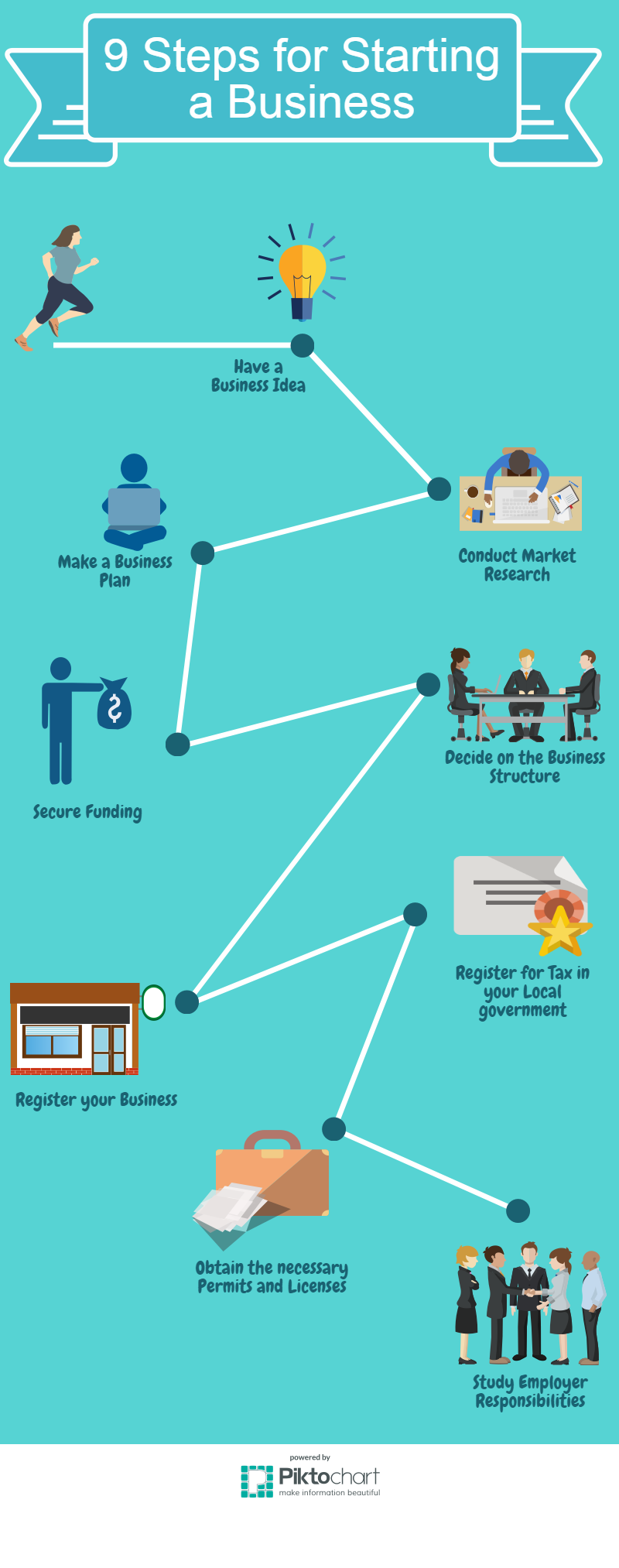
One of the most vital steps in starting a business is decoupling your personal finances from your professional ones. Establishing a dedicated business bank account and obtaining a Federal Tax ID (EIN) are the first steps. Once the business is a separate legal entity, you can begin building business credit.
A strong business credit score allows the company to secure loans, leases, and lines of credit without the founder having to provide a personal guarantee. This protects personal assets and provides the business with its own “financial reputation,” which is invaluable when negotiating terms with suppliers or seeking expansion loans.
Leveraging Fintech for Operational Efficiency
Modern entrepreneurs have access to a suite of financial tools that were once reserved for Fortune 500 companies. Automated accounting software (like QuickBooks or Xero) provides real-time insights into profit and loss statements. Digital payment gateways (like Stripe or Adyen) optimize the “Cash Conversion Cycle” by reducing the time between a sale and the availability of funds.
Furthermore, high-yield business savings accounts and treasury management tools allow a startup to earn interest on its idle cash (its “float”). In a high-interest-rate environment, the interest earned on a startup’s seed funding can often cover the costs of minor operational expenses, such as software subscriptions or utilities, effectively lowering the overall burn rate.
Conclusion: The Disciplined Path to Prosperity
Starting a business is a high-stakes financial maneuver. While the “idea” provides the spark, it is the rigorous application of financial discipline that keeps the fire burning. By focusing on smart capitalization, vigilant cash flow management, sound unit economics, and the strategic use of financial tools, an entrepreneur moves beyond the “hope-and-pray” model of business.
Success in the world of commerce is rarely about who has the loudest brand or the newest tech; it is about who manages their resources with the most foresight. When you treat your business as a financial asset from day one, you are not just starting a company—you are building a wealth-generating engine that can withstand the tests of time and market volatility. The transition from a startup to a powerhouse begins with a single, calculated investment: the investment in your own financial literacy.
aViewFromTheCave is a participant in the Amazon Services LLC Associates Program, an affiliate advertising program designed to provide a means for sites to earn advertising fees by advertising and linking to Amazon.com. Amazon, the Amazon logo, AmazonSupply, and the AmazonSupply logo are trademarks of Amazon.com, Inc. or its affiliates. As an Amazon Associate we earn affiliate commissions from qualifying purchases.