
In the dynamic world of entrepreneurship, securing capital and favorable terms is often the lifeline of a growing business. While personal credit plays an initial role, true financial independence and scalability for your enterprise hinge on establishing robust business credit. Business credit is a separate financial identity for your company, distinct from your personal credit score, and it unlocks a realm of opportunities, from easier access to loans and higher credit limits to more competitive interest rates and better vendor terms.
Many small business owners make the mistake of relying solely on their personal credit, which can not only limit their growth potential but also expose personal assets to business liabilities. This guide will walk you through the essential steps and strategies to effectively start and build your business credit, setting a solid financial foundation for your company’s future.
Understanding Business Credit and Why It Matters
Before diving into the “how-to,” it’s crucial to grasp what business credit is and why its establishment is paramount for any serious entrepreneur. It’s more than just a score; it’s a reflection of your business’s financial health and its ability to meet its obligations.
What is Business Credit?
Business credit is a credit score and history associated with your Employer Identification Number (EIN) rather than your Social Security Number (SSN). It tracks your business’s payment history, debt levels, and credit utilization, much like personal credit does for individuals. This information is compiled by major business credit bureaus such as Dun & Bradstreet, Experian Business, and Equifax Business. Lenders, suppliers, and potential partners use these reports and scores to assess your company’s creditworthiness.
Key Benefits of Establishing Business Credit
The advantages of a strong business credit profile are numerous and impactful:
- Access to Capital: Lenders are more willing to approve business loans, lines of credit, and credit cards with better terms and higher limits when your business has a proven track record of responsible financial management.
- Separation of Finances: It creates a clear division between your personal and business finances, protecting your personal assets from business liabilities and insulating your personal credit score from business-related issues.
- Better Vendor Terms: Suppliers often offer net-30, net-60, or net-90 payment terms to businesses with good credit, allowing you to purchase inventory or services without immediate payment, significantly improving cash flow.
- Lower Insurance Premiums: Some business insurance providers consider your company’s credit score when determining premiums, potentially leading to cost savings.
- Professional Image: A strong credit profile enhances your business’s credibility and professional standing in the eyes of partners, investors, and even customers.
- Easier Growth and Expansion: As your business grows, you’ll need more capital for expansion, new equipment, or larger projects. Business credit makes these transitions smoother and more affordable.
Distinguishing Business Credit from Personal Credit
While the concepts are similar, the key distinction lies in the entity being evaluated. Personal credit assesses an individual’s financial behavior, impacting personal loans, mortgages, and car loans. Business credit, on the other hand, evaluates the business entity itself. Lenders look at different criteria, and the reporting agencies are distinct. Importantly, relying solely on personal credit means that if your business defaults, your personal assets are at risk, and your personal credit score will take a hit. Building business credit mitigates this risk.
Essential Pre-requisites for Building Business Credit
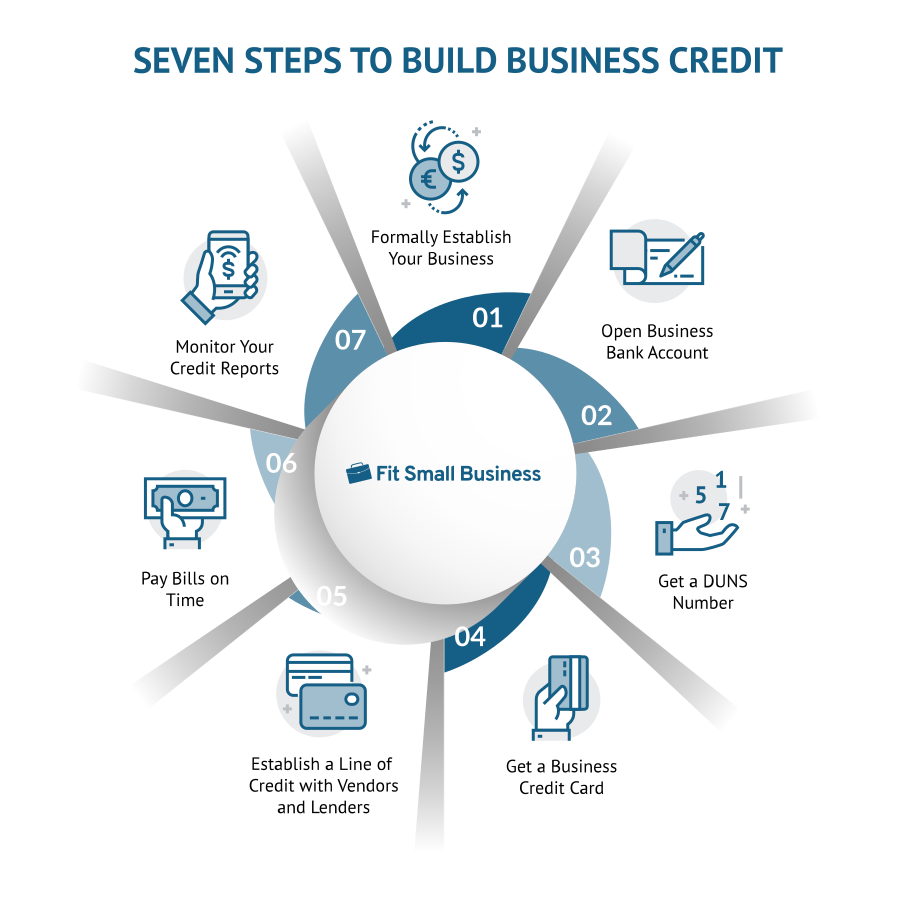
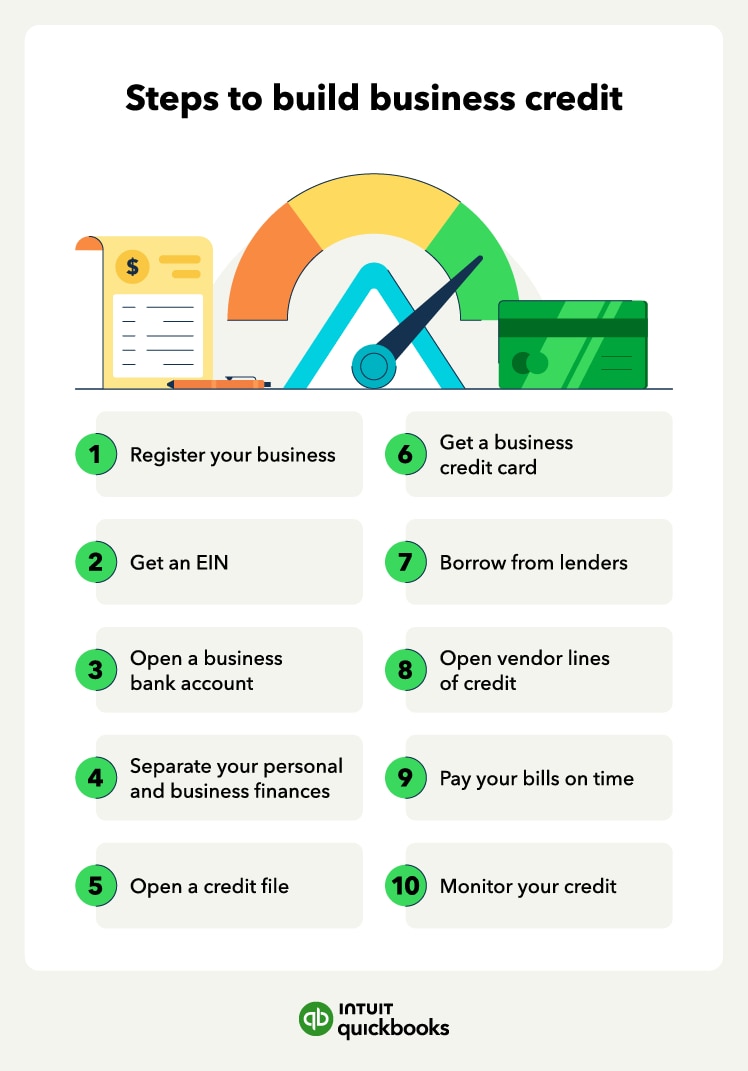
Before you can even begin applying for business credit, your company needs to establish a legitimate and professional foundation. These preliminary steps are non-negotiable and form the bedrock upon which your credit profile will be built.
Legal Business Entity and Identification
The very first step is to formally separate your business from yourself.
- Form a Legal Entity: Register your business as a distinct legal entity such as an LLC (Limited Liability Company), S-Corp, C-Corp, or Partnership. While sole proprietorships can technically build business credit, it’s significantly harder and provides less protection.
- Obtain an EIN (Employer Identification Number): This is your business’s Social Security Number, issued by the IRS. It’s crucial for opening business bank accounts, filing taxes, and applying for credit.
- Open a Dedicated Business Bank Account: Once you have your EIN and legal entity established, open a checking account specifically for your business. All business income and expenses should flow through this account. This is a critical step for demonstrating financial separation and establishing a traceable financial history for your business.
Professional Online Presence & Contact Information
Lenders and credit bureaus need to verify your business’s existence and legitimacy.
- Dedicated Business Phone Number: Get a separate business phone line (not your personal mobile number) and ensure it’s listed in business directories.
- Professional Business Address: Use a physical business address, not a P.O. Box. If you work from home, consider a virtual office service to provide a professional street address.
- Business Website and Email: A professional website and email address (e.g., info@yourcompany.com) lend credibility and are often checked by lenders.
- List Your Business in Directories: Register your business with major online directories like Google My Business, Yelp, and industry-specific listings. Ensure consistent information across all platforms (NAP: Name, Address, Phone).
Separation of Personal and Business Finances
This cannot be stressed enough. Commingling funds is a common mistake that can severely hinder your ability to build business credit and potentially pierce your corporate veil (removing personal liability protection). Use your business bank account for all business transactions and your personal accounts for personal expenses.
Obtain Necessary Licenses and Permits
Ensure your business is fully compliant with all local, state, and federal regulations. Having all required business licenses and permits in place not only ensures legality but also demonstrates professionalism and stability to potential creditors.
The Foundational Steps to Establish Business Credit
With your business properly structured and legitimized, you can now begin the active process of building your credit profile. These steps involve intentionally seeking out opportunities to establish payment history.
Building a Dun & Bradstreet Profile (DUNS Number)
The DUNS (Data Universal Numbering System) number is a unique nine-digit identifier for businesses, primarily used by Dun & Bradstreet (D&B), one of the leading business credit bureaus. Many lenders and government agencies require a DUNS number for credit applications.
- Apply for a DUNS Number: You can typically apply for a DUNS number for free directly through the D&B website. It’s a relatively straightforward process.
- Ensure Data Accuracy: Once you have your DUNS number and your D&B profile is created, review it thoroughly for accuracy. Inaccurate information can negatively impact your credit standing.
Getting Vendor/Supplier Credit (Net-30 Accounts)
This is often the easiest and most effective way to start building a business credit history.
- Identify Net-30 Vendors: Seek out suppliers, vendors, or service providers that offer “net-30” (or net-60/90) payment terms. This means you have 30 days to pay for goods or services after they are delivered.
- Apply and Pay on Time: Apply for credit with these vendors. Once approved, make purchases and, crucially, pay your invoices on time or even early. These prompt payments are often reported to business credit bureaus, positively contributing to your credit score. Examples of starter net-30 vendors include Uline, Quill, Grainger, and Staples.
- Ensure Reporting: Before applying, confirm that the vendor reports payments to major business credit bureaus (especially D&B, Experian, and Equifax). Some don’t, which won’t help your credit building efforts.
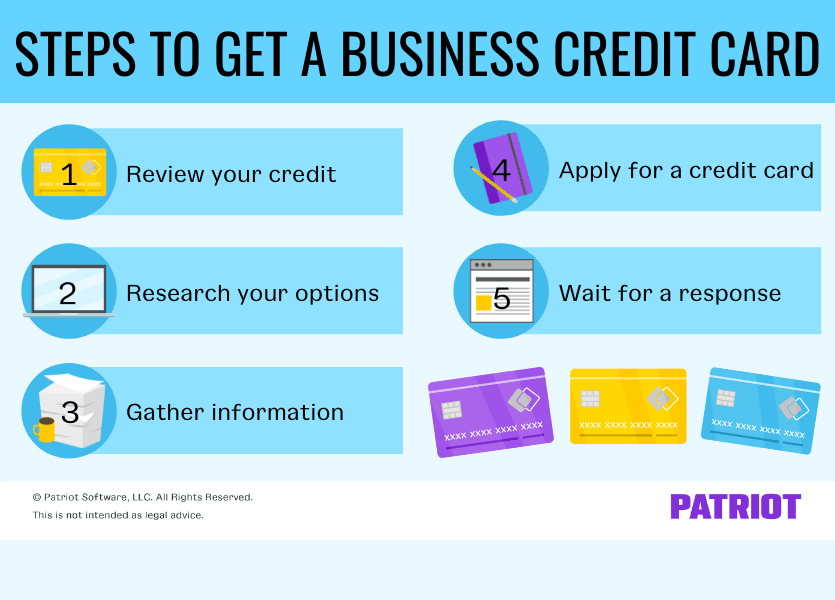
Applying for Starter Business Credit Cards
Once you have a few net-30 accounts reporting, you can consider applying for starter business credit cards.
- Look for Easy-to-Approve Cards: Initially, you might need to look for cards designed for new businesses or those that are more lenient. Some require a personal guarantee at first, which is often a necessary bridge to establish independent business credit.
- Secured Business Credit Cards: If traditional unsecured cards are difficult to obtain, consider a secured business credit card. You’ll put down a deposit, which serves as your credit limit, helping you build a positive payment history.
- Use Responsibly: Use the card for legitimate business expenses, keep utilization low (ideally under 30%), and pay the full balance on time every month. Consistent, timely payments are the fastest way to build a strong credit history.
Utilizing Business Loans and Lines of Credit Wisely
As your business credit grows, you may qualify for small business loans or lines of credit.
- Small, Manageable Loans: Consider taking out small, short-term loans or a modest line of credit for specific business needs. The key is to borrow an amount you can comfortably repay.
- Demonstrate Repayment Capacity: Each successfully repaid loan or credit line will add positive data to your business credit report, demonstrating your company’s ability to manage debt responsibly.
Monitoring, Managing, and Growing Your Business Credit
Building business credit isn’t a one-time event; it’s an ongoing process that requires diligent monitoring and strategic management. Just like personal credit, your business credit profile needs regular attention to ensure accuracy and continuous improvement.
Regularly Check Your Business Credit Reports
You wouldn’t ignore your personal credit report, and the same principle applies to your business.
- Access Your Reports: Obtain copies of your business credit reports from Dun & Bradstreet, Experian Business, and Equifax Business. You may need to pay for these reports, but the insights are invaluable.
- Review for Accuracy: Carefully examine all information on your reports, including company details, tradelines, payment history, and public records. Incorrect information, such as accounts you don’t recognize or late payments that were actually made on time, can unfairly drag down your score.
- Dispute Errors Promptly: If you find any errors, dispute them immediately with the respective credit bureau. Provide clear documentation to support your claim.
Understanding Business Credit Scores (Paydex, FICO SBSS)
Just as with personal credit, different bureaus use different scoring models.
- Dun & Bradstreet Paydex Score: This is D&B’s primary business credit score, ranging from 1 to 100. A score of 80 is considered excellent, indicating prompt payments.
- Experian Intelliscore Plus: Experian provides a score from 1 to 100, where higher scores indicate lower risk.
- Equifax Business Credit Risk Score: Equifax offers various scores, including a Credit Risk Score (1-100, higher is better) and a Payment Index (0-100, lower is better).
- FICO SBSS (Small Business Scoring Service): This score (0-300) is often used by banks and the SBA for small business loan applications. It blends personal and business credit data, so both still matter.
Understanding these scores helps you gauge your business’s financial health and identify areas for improvement.
Strategies for Improving Your Business Credit Score
Improving your score is an ongoing commitment to financial discipline.
- Pay Bills Early or On Time: This is the most critical factor. Consistent, timely payments (especially to vendors who report) will significantly boost your scores.
- Maintain Low Credit Utilization: Keep the balances on your business credit cards and lines of credit low relative to your available credit. High utilization can signal financial distress.
- Cultivate Long-Standing Relationships: A longer credit history, especially with positive payment trends, is viewed favorably by lenders.
- Diversify Your Credit Mix: Having a mix of different types of credit (e.g., vendor accounts, credit cards, term loans) can demonstrate responsible credit management across various facilities.
Best Practices for Ongoing Credit Management
- Establish a Strong Internal Accounting System: Accurate and organized financial records are essential for managing cash flow and ensuring timely payments.
- Regularly Review Financial Statements: Keep a close eye on your profit and loss statements, balance sheets, and cash flow reports to maintain financial health.
- Build Relationships with Lenders: Engage with your business banking institutions. A good relationship can open doors to more favorable credit products and advice.
Common Pitfalls to Avoid and Expert Tips
Building business credit is a strategic endeavor, and being aware of common mistakes can save you a lot of time and potential setbacks.
Don’t Use Personal Guarantees Unnecessarily
Early on, you might be required to provide a personal guarantee for some business credit. This means you are personally responsible for the debt if your business defaults. While sometimes unavoidable, aim to transition to non-personally guaranteed credit as your business credit profile strengthens. The ultimate goal is for your business to stand on its own financial merits.
Avoid Late Payments at All Costs
Even a single late payment can significantly damage your business credit score and remain on your report for years. Set up payment reminders, use automated bill pay, or hire a bookkeeper to ensure all obligations are met on time.
Diversify Your Credit Portfolio
Don’t rely on just one type of credit. Once you have a few net-30 accounts and a starter business credit card, look to add other credit types like a small business loan or a line of credit. A diverse portfolio demonstrates your ability to manage different financial products responsibly.
Seek Professional Guidance When Needed
Don’t hesitate to consult with financial advisors, accountants, or business credit experts. They can provide tailored advice, help you navigate complex credit situations, and ensure you’re on the most efficient path to building strong business credit. Organizations like the Small Business Administration (SBA) also offer valuable resources and counseling.
Be Patient and Consistent
Building strong business credit is not an overnight process. It requires consistent effort, responsible financial management, and patience. Stay disciplined, monitor your progress, and continue to make smart financial decisions, and your business will reap the long-term rewards of a robust credit profile.
Establishing business credit is one of the most strategic financial moves a business owner can make. It empowers your company with greater financial flexibility, resilience, and opportunities for growth, ultimately paving the way for sustained success and independence. By following these structured steps and maintaining a disciplined approach, you can effectively build a strong credit foundation that will serve your business for years to come.
aViewFromTheCave is a participant in the Amazon Services LLC Associates Program, an affiliate advertising program designed to provide a means for sites to earn advertising fees by advertising and linking to Amazon.com. Amazon, the Amazon logo, AmazonSupply, and the AmazonSupply logo are trademarks of Amazon.com, Inc. or its affiliates. As an Amazon Associate we earn affiliate commissions from qualifying purchases.