
Starting a business from the comfort of your home offers an alluring blend of flexibility, autonomy, and the potential for significant financial independence. In an increasingly digital world, the barriers to entry for entrepreneurship have never been lower, yet the core principles of financial prudence remain paramount. This guide provides a comprehensive financial blueprint for aspiring home-based entrepreneurs, focusing on smart money management, strategic investment, and sustainable growth within the context of personal finance, online income, side hustles, and business finance.
I. Laying the Financial Foundation: Ideation and Planning
The journey to a successful home business begins long before your first sale; it starts with meticulous financial planning and a clear understanding of your market’s economic landscape. Without a solid financial foundation, even the most innovative ideas can falter.
A. Identifying Profitable Niches and Market Demand
The first step in any business venture is to identify what problem you can solve for whom, and whether that solution has a viable market and, critically, profit potential. For a home-based business, this often means leveraging existing skills, passions, or addressing overlooked needs within specific communities.
- Market Research with a Financial Eye: Don’t just look for what people want; look for what people are willing to pay for. Analyze competitor pricing, market size, and potential revenue streams. Tools like Google Trends, keyword planners, and industry reports can reveal demand. Consider the “pain points” of your target audience and how your product or service offers a cost-effective or superior solution.
- Assessing Your Unique Value Proposition (UVP): What makes your offering financially attractive compared to alternatives? Is it a lower price point, higher quality for the same price, or a unique benefit that justifies a premium? Your UVP must translate into tangible financial benefits for the customer or a clear advantage for your business model.
- Estimating Income Potential: Based on your research, project realistic sales volumes and average transaction values. This initial financial forecast helps determine if the niche is profitable enough to sustain your business and meet your personal income goals. Be conservative in your estimates and prepare for various scenarios.
B. Crafting a Business Plan with a Financial Lens
A business plan is your roadmap, and its financial section is the compass that guides your decisions. Even for a small home business, a concise financial plan is indispensable.
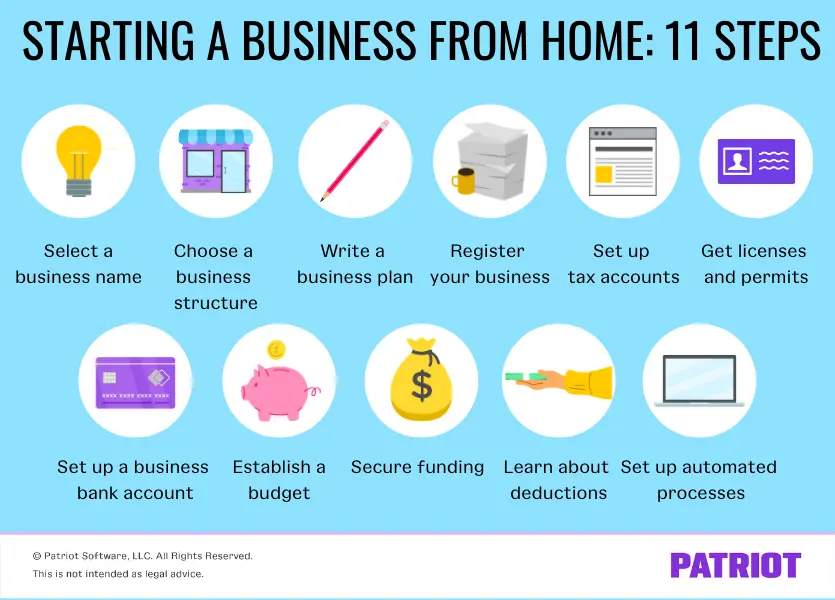
- Startup Costs Analysis: Detail every single expense required to get your business off the ground. This includes equipment (computer, printer, specialized tools), initial inventory, software subscriptions, website development, legal fees, marketing materials, and any necessary training or certifications. Break these down into one-time costs and recurring monthly expenses.
- Operating Budget Development: Beyond startup, project your ongoing monthly expenses. This includes utilities (especially if you track home office use), internet, software licenses, raw materials, marketing budget, payroll (even if just for yourself initially), and professional services. Differentiate between fixed costs (rent, insurance) and variable costs (materials, commission).
- Financial Projections: Create realistic sales forecasts, profit and loss statements, and cash flow projections for at least the first one to three years. These projections are crucial for understanding your break-even point – the volume of sales needed to cover all your costs – and for attracting potential funding. Always include a buffer for unexpected expenses.
- Funding Requirements: Based on your startup costs and operating budget, clearly define how much capital you need to launch and sustain your business until it becomes profitable. This figure will directly inform your fundraising strategy.
C. Understanding Legal Structures and Their Financial Implications
Choosing the right legal structure impacts your personal liability, tax obligations, administrative burden, and ability to raise capital. Each option carries distinct financial advantages and disadvantages.
- Sole Proprietorship: Simple to set up and inexpensive, this structure blends your personal and business finances. While easy, it offers no personal liability protection, meaning your personal assets could be at risk if the business incurs debt or legal issues. All business income is reported on your personal tax return.
- Limited Liability Company (LLC): Offers personal liability protection, separating your personal assets from business debts and lawsuits. More complex and costly to establish than a sole proprietorship, but often preferred for its balance of protection and flexibility. Profits and losses can “pass through” to your personal tax return, avoiding corporate double taxation, or you can elect to be taxed as an S-corp or C-corp for potential tax savings.
- S Corporation (S-Corp): A tax election that allows profits and losses to be passed directly to the owner’s personal income without being subject to corporate tax rates. It can offer tax advantages by allowing owners to be paid a “reasonable salary” and take remaining profits as distributions, which are not subject to self-employment taxes (Social Security and Medicare) – a significant financial benefit for growing businesses.
- C Corporation (C-Corp): While less common for home businesses, a C-Corp is a separate legal entity from its owners, offering the strongest liability protection. However, it’s subject to “double taxation” – the corporation pays tax on its profits, and shareholders pay tax on dividends. More suitable for businesses seeking significant outside investment.
- Partnership: If starting with another individual, this structure defines how profits and losses are shared and managed. It’s crucial to have a clear partnership agreement detailing financial contributions, responsibilities, and dispute resolution.
Consulting with a financial advisor or an attorney specializing in small business law is highly recommended to choose the structure that best aligns with your financial goals and risk tolerance.
II. Funding Your Home-Based Venture
Securing the necessary capital is often the first significant financial hurdle. Home businesses, by nature, often start with lower overhead, but a strategic approach to funding is still critical.
A. Self-Funding and Bootstrapping Strategies
For many home-based entrepreneurs, personal savings and bootstrapping are the initial go-to options, minimizing debt and maintaining full ownership.
- Personal Savings: The most straightforward approach. Assess your available savings and determine how much you can comfortably invest without jeopardizing personal financial security. Create a personal budget to cut unnecessary expenses and free up capital.
- Bootstrapping: The art of starting a business with minimal or no external capital. This involves being resourceful, prioritizing essential expenditures, and leveraging existing resources. Examples include:
- Starting lean: Launching with a Minimum Viable Product (MVP) to test market demand before investing heavily.
- Bartering services: Trading skills with other entrepreneurs instead of paying cash.
- Pre-sales/Crowdfunding: Selling products or services before they are fully developed to generate initial cash flow.
- Using free tools: Opting for free software, open-source solutions, and leveraging social media for marketing instead of paid advertising.
- Operating as a side hustle: Keeping your full-time job initially to cover living expenses while funding your home business with discretionary income.
- Credit Cards (with Caution): While convenient, using personal credit cards for business expenses can be risky due to high interest rates. If used, ensure you have a clear repayment plan and use them strategically, perhaps for specific, short-term needs that you can quickly repay.
B. Exploring Small Business Loans and Grants
Once bootstrapping capacity is maximized, external funding becomes an option. Small business loans and grants offer structured financial support, often with more favorable terms than personal loans.
- SBA Loans (Small Business Administration): These are government-backed loans provided by banks, offering lower down payments, flexible overhead requirements, and longer repayment terms. They are particularly beneficial for small businesses that might not qualify for conventional bank loans. Understanding the different SBA loan programs (e.g., 7(a) loans, microloans) and their specific financial criteria is crucial.
- Traditional Bank Loans: Banks offer various loan products for businesses, including term loans and lines of credit. Qualification often depends on your credit history, business plan strength, collateral, and sometimes, a proven track record (which can be challenging for startups).
- Business Grants: Grants are non-repayable funds, typically offered by government agencies, corporations, or foundations to specific types of businesses or those meeting certain criteria (e.g., women-owned, minority-owned, environmentally friendly businesses). Researching relevant grant opportunities can provide significant non-dilutive capital, but they are highly competitive and often require detailed proposals outlining the financial impact and use of funds.
C. Leveraging Alternative Funding Sources
Beyond traditional avenues, a range of alternative funding options can bridge the financial gap for home businesses.

- Crowdfunding: Platforms like Kickstarter and Indiegogo allow you to raise small amounts of capital from a large number of people, often in exchange for a product pre-order or a unique experience. This can also serve as market validation for your idea. Focus on compelling financial projections and a clear value proposition in your campaign.
- Microloans: Smaller loans, often ranging from a few hundred to tens of thousands of dollars, provided by non-profit organizations or community lenders. These are often more accessible for startups or those with less-than-perfect credit and can be crucial for covering initial expenses.
- Friends and Family: This can be a viable option, but it’s essential to treat it as a formal financial agreement. Draft a clear loan agreement with repayment terms, interest rates, and an understanding of the risks involved to protect both personal and business relationships.
- Angel Investors/Venture Capital (Less Common for Home Businesses): While generally for high-growth, scalable startups, if your home business has significant disruptive potential and a clear path to high returns, you might consider these. Be prepared to give up equity in exchange for capital and expertise.
III. Mastering Home Business Finance and Operations
Once funded and operational, the ongoing financial health of your home business depends on diligent management of income, expenses, and cash flow. This is where the rubber meets the road in your pursuit of financial independence.
A. Setting Up Robust Financial Systems
Accurate record-keeping is not merely a legal requirement; it’s a critical tool for informed decision-making and tax compliance.
- Dedicated Business Bank Account: Immediately open a separate bank account for your business. This compartmentalization is crucial for tracking income and expenses, simplifying tax preparation, and maintaining clarity between personal and business finances, especially important for sole proprietors or single-member LLCs.
- Accounting Software: Invest in user-friendly accounting software (e.g., QuickBooks Self-Employed, FreshBooks, Wave, Xero). These tools automate invoicing, expense tracking, payroll (if applicable), and financial reporting, providing real-time insights into your profitability and cash flow. Even for simple businesses, spreadsheet-based systems can be adequate initially, but software scales better.
- Expense Tracking System: Develop a rigorous system for tracking every business expense. Keep digital copies of all receipts. Categorize expenses meticulously for tax deduction purposes (e.g., home office, supplies, travel, professional development). This discipline directly impacts your taxable income.
- Payment Processing: Set up reliable and secure payment gateways (e.g., Stripe, PayPal, Square) to accept customer payments efficiently. Understand their fee structures and integrate them with your accounting system.
B. Pricing Strategies for Profitability
Your pricing strategy is a direct determinant of your profitability and perceived value. It must cover your costs and generate a healthy profit margin.
- Cost-Plus Pricing: Calculate all direct and indirect costs associated with producing your product or service, then add a desired profit margin percentage. This is a foundational strategy to ensure you’re always covering expenses.
- Value-Based Pricing: Price your offerings based on the perceived value they deliver to the customer, rather than just your costs. If your product saves customers significant time or money, or provides unique benefits, you can often command a higher price. This requires a deep understanding of your target market’s willingness to pay.
- Competitive Pricing: Research what your competitors are charging for similar products or services. You can price slightly below, above, or match them, depending on your unique selling proposition and brand positioning. However, avoid pricing solely on competition, as it might not cover your unique cost structure.
- Tiered Pricing/Upselling: Offer different pricing tiers (basic, premium, deluxe) to cater to various customer segments and encourage upsells. This can maximize revenue per customer.
- Psychological Pricing: Employ strategies like “charm pricing” (e.g., $9.99 instead of $10.00) or bundling products/services to influence customer perception and increase sales volume.
- Regular Price Reviews: Periodically review and adjust your pricing based on market changes, cost fluctuations, and customer feedback to maintain profitability and competitiveness.
C. Managing Cash Flow and Budgeting Effectively
Cash flow is the lifeblood of any business. Positive cash flow ensures you have enough money to cover immediate expenses and seize growth opportunities.
- Cash Flow Projections: Regularly update your financial projections to forecast incoming and outgoing cash. This helps anticipate potential shortfalls or surpluses.
- Budget Adherence: Stick to your operating budget. Regularly compare actual expenses against budgeted amounts and identify areas for cost reduction or efficiency improvements.
- Invoice Management: For service-based businesses, send invoices promptly and follow up on overdue payments proactively. Consider offering early payment discounts or requiring deposits for larger projects.
- Emergency Fund: Just like personal finance, your business needs an emergency fund. Aim to have at least 3-6 months of operating expenses saved to weather unexpected downturns or seize unforeseen opportunities.
- Inventory Management (for product-based businesses): Optimize inventory levels to avoid tying up excessive capital in unsold stock while ensuring you can meet customer demand. Implement just-in-time inventory where feasible.
IV. Tax Planning and Financial Growth Strategies
Effective financial management extends beyond daily operations to strategic tax planning and long-term wealth creation, both for your business and your personal future.
A. Navigating Home Business Taxes and Deductions
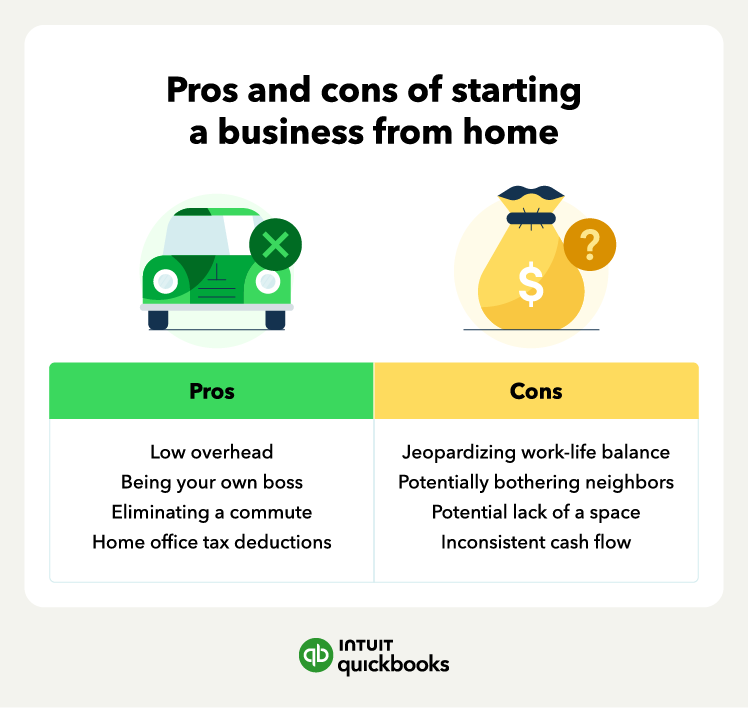
One of the significant financial advantages of a home business is the potential for various tax deductions, which can substantially reduce your taxable income.
- Home Office Deduction: If you use a portion of your home exclusively and regularly for business, you can deduct a percentage of your home-related expenses (rent/mortgage interest, utilities, insurance, repairs). There are simplified and regular methods; understand which applies best to your situation.
- Business Expenses: Deduct all legitimate business expenses, including supplies, equipment, software, internet, phone, professional development, marketing costs, and business travel. Keep meticulous records for everything.
- Self-Employment Tax: As a self-employed individual, you are responsible for paying both the employer and employee portions of Social Security and Medicare taxes. This is known as self-employment tax. Factor this into your income projections and set aside funds regularly.
- Estimated Taxes: Since taxes are not withheld from your home business income, you will likely need to pay estimated quarterly taxes to the IRS (and state if applicable) to avoid penalties. Consult with a tax professional to determine your obligations.
- Retirement Contributions: Explore tax-advantaged retirement plans specifically designed for the self-employed, such as a SEP IRA or Solo 401(k). These allow you to contribute a larger percentage of your income compared to traditional IRAs, reducing your taxable income while building personal wealth.
Working with a qualified tax professional specializing in small businesses is invaluable to maximize deductions and ensure compliance.
B. Reinvesting for Sustainable Growth
Once your home business achieves profitability, a critical financial decision is how to allocate those profits. Strategic reinvestment is key to sustainable long-term growth.
- Scaling Operations: Invest in new equipment, technology, or additional staff (even contractors) to increase capacity and efficiency, allowing you to serve more customers and increase revenue.
- Marketing and Advertising: Allocate funds to expand your reach through targeted digital marketing, content creation, or advertising campaigns that have a proven return on investment.
- Product/Service Development: Reinvest in research and development to enhance existing offerings or create new ones, staying competitive and expanding your market share.
- Skill Enhancement: Invest in your own ongoing education and skill development to stay ahead of industry trends and improve your business acumen.
- Diversifying Income Streams: Use profits to explore new products, services, or markets, reducing reliance on a single income source and creating a more resilient financial model.
C. Planning for Financial Security and Exit Strategies
While building your business, it’s vital to think about your long-term personal financial security and potential exit strategies.
- Personal Financial Planning: Don’t neglect your personal finances. Ensure you’re paying yourself a reasonable salary, building personal savings, managing personal debt, and contributing to your personal retirement accounts in addition to any business-specific ones.
- Business Valuation: Even if you have no immediate plans to sell, understand what your business might be worth. This involves calculating its assets, revenue, profitability, and market position. A higher valuation makes your business a more valuable asset in your overall financial portfolio.
- Succession Planning: Consider what would happen if you needed to step away from the business due to illness, retirement, or a desire for a new challenge. Could someone else take over? What would be the financial implications?
- Selling the Business: If an exit strategy involves selling, begin preparing well in advance. Clean up your financial records, document all processes, and build a clear transferable value proposition to maximize its sale price and ensure a financially rewarding departure.
Starting a business at home is a profound financial commitment and opportunity. By diligently applying these financial principles from ideation through growth and beyond, you can transform your entrepreneurial vision into a stable, profitable, and personally fulfilling venture, securing your financial future and achieving true independence.
aViewFromTheCave is a participant in the Amazon Services LLC Associates Program, an affiliate advertising program designed to provide a means for sites to earn advertising fees by advertising and linking to Amazon.com. Amazon, the Amazon logo, AmazonSupply, and the AmazonSupply logo are trademarks of Amazon.com, Inc. or its affiliates. As an Amazon Associate we earn affiliate commissions from qualifying purchases.