
In an increasingly complex financial world, the simple act of budgeting remains one of the most powerful tools for individuals seeking financial stability, freedom, and long-term prosperity. Far from being a restrictive exercise in deprivation, a well-crafted budget is a strategic roadmap, guiding your financial decisions, illuminating your spending habits, and empowering you to take control of your money rather than letting it control you. Whether you’re drowning in debt, struggling to save, or simply aiming for greater financial clarity, understanding how to start a budget is the crucial first step on a journey towards a more secure and fulfilling financial future. This article will demystify the budgeting process, breaking it down into actionable steps and offering practical strategies to help you build a budget that works for you, transforming your relationship with your finances.

The Indispensable Value of Budgeting
Many people view budgeting with trepidation, associating it with cutting back and saying no. However, a deeper look reveals that budgeting is an act of empowerment, enabling you to align your financial actions with your personal values and goals. It’s not about limiting your life; it’s about making conscious choices that enhance it.
Gaining Financial Clarity
Without a budget, your money can feel like it’s slipping through your fingers. You might know how much you earn, but do you truly understand where every dollar goes? Budgeting forces you to confront your financial reality. It provides a clear, objective snapshot of your income versus your expenditures, revealing spending patterns you might not have been aware of. This clarity is the bedrock upon which all sound financial decisions are built. It allows you to see exactly how much you can afford to spend, save, or invest, eliminating guesswork and providing a factual basis for managing your funds.
Achieving Financial Goals
Every significant financial milestone, from saving for a down payment on a house or car to funding a child’s education, planning for retirement, or even taking that dream vacation, requires a deliberate plan. A budget transforms abstract aspirations into concrete targets by allocating specific amounts of money towards these goals. By consistently setting aside funds through your budget, you turn dreams into achievable objectives. It provides the discipline and structure needed to consistently make progress, ensuring that your financial actions are always moving you closer to where you want to be.
Reducing Financial Stress
Uncertainty about money is a leading cause of stress and anxiety. When you don’t know if you’ll have enough to cover upcoming bills or handle an unexpected expense, a constant undercurrent of worry can permeate daily life. Budgeting, by providing a predictable framework for your finances, significantly alleviates this stress. Knowing where your money is going and having a plan for future expenses creates a sense of control and security. It empowers you to face financial challenges with confidence, knowing you have a system in place to navigate them. This peace of mind is invaluable, allowing you to focus on other aspects of your life without the constant burden of financial worry.
Empowering Informed Decisions
A budget is a decision-making tool. When you have a clear understanding of your financial limits and priorities, you can make more informed choices about how you allocate your resources. Should you buy that new gadget, or put the money towards your emergency fund? Can you afford to eat out frequently, or would cooking at home better serve your long-term goals? A budget provides the context for these decisions, helping you to prioritize spending that aligns with your values and avoid impulsive purchases that detract from your financial well-being. It shifts you from reactive spending to proactive financial management, putting you firmly in the driver’s seat.
Laying the Foundation: Your First Steps to Budgeting
Starting a budget might seem daunting, but it boils down to a few fundamental steps. These initial actions are crucial for establishing an accurate baseline and setting yourself up for success.
Understanding Your Income
The very first step is to accurately calculate your total income. This means gathering all sources of money coming into your household. For most, this will be their regular paycheck. Be sure to use your net income (take-home pay) after taxes, deductions for benefits, and retirement contributions have been withheld. If you have multiple income streams – perhaps a side hustle, freelance work, rental income, or benefits – aggregate all these amounts for a comprehensive picture of your monthly earnings. For variable income, average your earnings over the past three to six months to get a realistic monthly figure. This gross income figure is what you have available to allocate.
Tracking Your Expenses
This is often the most revealing and challenging part of starting a budget. For a period of at least 30 days, diligently track every single dollar you spend. This includes major bills like rent/mortgage, utilities, and loan payments, but also everyday purchases like groceries, coffee, transportation, entertainment, and subscriptions.
- Methods for tracking:
- Manual Tracking: A simple notebook or a spreadsheet where you manually log every transaction.
- Bank/Credit Card Statements: Reviewing your statements at the end of the month can provide a good overview, but real-time tracking is more effective for building awareness.
- Budgeting Apps: Many apps link directly to your bank accounts and automatically categorize transactions (e.g., Mint, YNAB, Personal Capital).
The goal here isn’t to judge your spending, but simply to gather data. You need to know where your money is currently going before you can decide where you want it to go.
Differentiating Needs vs. Wants
Once you have a clear picture of your income and expenses, the next critical step is to categorize your spending into “needs” and “wants.”
- Needs are essential for survival and maintaining your basic lifestyle: housing, utilities, food, essential transportation, healthcare, minimum debt payments.
- Wants are discretionary items that improve your quality of life but aren’t strictly necessary: dining out, entertainment, subscriptions beyond basics, new gadgets, expensive clothing, vacations.
This distinction is vital for identifying areas where you can cut back if necessary, or where you have flexibility to allocate funds towards savings or debt repayment. It helps you prioritize your spending and align it with your financial goals.
Setting Realistic Financial Goals
What do you want your money to do for you? Whether it’s saving for a down payment, paying off credit card debt, building an emergency fund, or investing for retirement, define your goals. Make them SMART: Specific, Measurable, Achievable, Relevant, and Time-bound.
- Specific: “Save for a down payment” is vague. “Save $20,000 for a down payment” is specific.
- Measurable: You can track your progress.
- Achievable: Is it realistic given your income and expenses?
- Relevant: Does it align with your values?
- Time-bound: Set a deadline, e.g., “by December 2025.”
Establishing clear goals provides the motivation and direction for your budgeting efforts. Without a target, it’s easy to lose focus and revert to old spending habits.
Choosing Your Budgeting Method
There’s no one-size-fits-all approach to budgeting. The best method is the one you’ll actually stick with. Explore different strategies and choose one that aligns with your personality, financial complexity, and comfort level.
The 50/30/20 Rule
This is a popular, straightforward budgeting guideline, particularly good for beginners. It suggests allocating your after-tax income as follows:
- 50% to Needs: This covers essential expenses like housing, utilities, groceries, transportation, insurance, and minimum loan payments.
- 30% to Wants: This includes discretionary spending like dining out, entertainment, hobbies, travel, and non-essential shopping.
- 20% to Savings & Debt Repayment: This portion is dedicated to building an emergency fund, contributing to retirement, paying down high-interest debt beyond the minimums, and other financial goals.
The beauty of this method lies in its simplicity. It provides a flexible framework without requiring meticulous categorization of every single transaction.
Zero-Based Budgeting
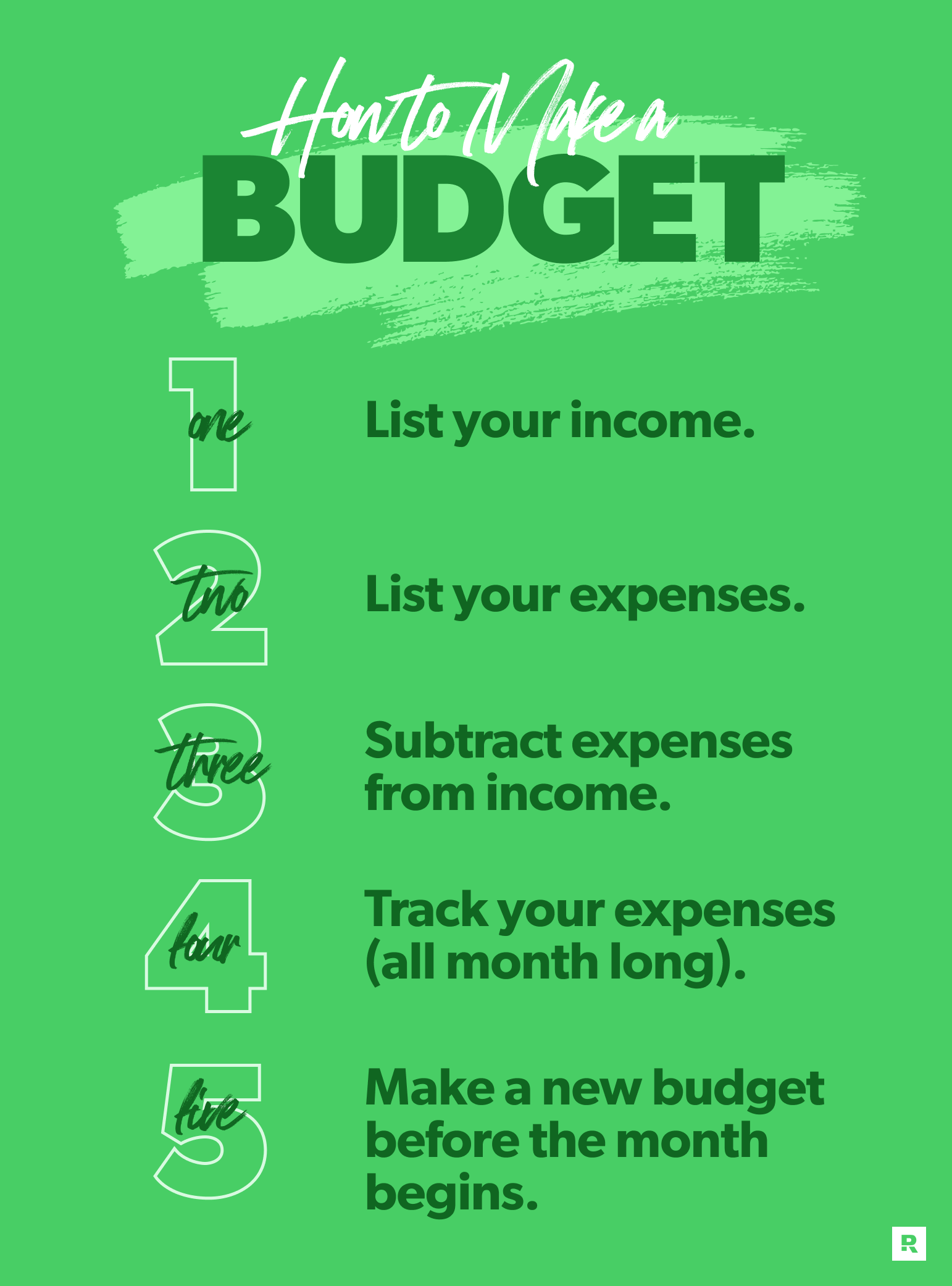
With zero-based budgeting, every dollar of your income is assigned a “job.” This means that your income minus your expenses should equal zero. You allocate money to needs, wants, savings, and debt repayment until nothing is left over.
- Process: List all your income. Then, list every single expense you anticipate for the month, assigning a specific dollar amount to each category (rent, groceries, utilities, savings, debt payments, entertainment, etc.). Continue until your income minus all your allocated expenses equals zero.
- Benefit: This method gives you maximum control over your money, ensuring every dollar is intentionally spent or saved. It’s particularly effective for breaking the cycle of wondering where your money went.
- Consideration: It requires more effort and detailed tracking than the 50/30/20 rule.
Envelope System
The envelope system is a classic, tactile method for managing cash spending. It’s especially useful for controlling variable expenses where overspending is common.
- Process: After paying fixed bills (which often come directly from your bank account), withdraw cash for your variable expense categories (e.g., groceries, entertainment, dining out, personal care). Label physical envelopes for each category and place the allocated cash inside. Once an envelope is empty, you stop spending in that category until the next budgeting period.
- Benefit: It provides a strong visual and physical deterrent to overspending. You can literally see how much money you have left in each category.
- Consideration: It’s less practical in an increasingly cashless society, but digital versions (like some budgeting apps) can simulate the system.
Digital Tools and Apps
Technology has revolutionized budgeting, making it more accessible and automated.
- Budgeting Apps (e.g., Mint, YNAB – You Need A Budget, Personal Capital): Many apps link directly to your bank accounts and credit cards, automatically importing and categorizing transactions. They can track your spending, generate reports, set budgets for categories, and send alerts. Some offer a free tier, while others are subscription-based.
- Spreadsheets (Google Sheets, Excel): For those who prefer a hands-on approach, a custom spreadsheet offers complete flexibility. You can design it to track exactly what you need, create graphs, and perform custom calculations. Many free templates are available online.
- Online Banking Tools: Most banks now offer basic budgeting features within their online portals, allowing you to categorize transactions and visualize your spending.
Choosing a digital tool can significantly streamline the process, reduce manual effort, and provide real-time insights into your financial health.
Maintaining and Optimizing Your Budget for Long-Term Success
Starting a budget is a significant achievement, but true financial mastery comes from consistently maintaining and optimizing it over time. A budget isn’t a static document; it’s a living tool that needs regular attention to remain effective.
Regular Review and Adjustment
Your life is dynamic, and so should be your budget. Life events—a new job, a raise, a new baby, an unexpected expense, or a change in financial goals—will inevitably alter your income and expenses.
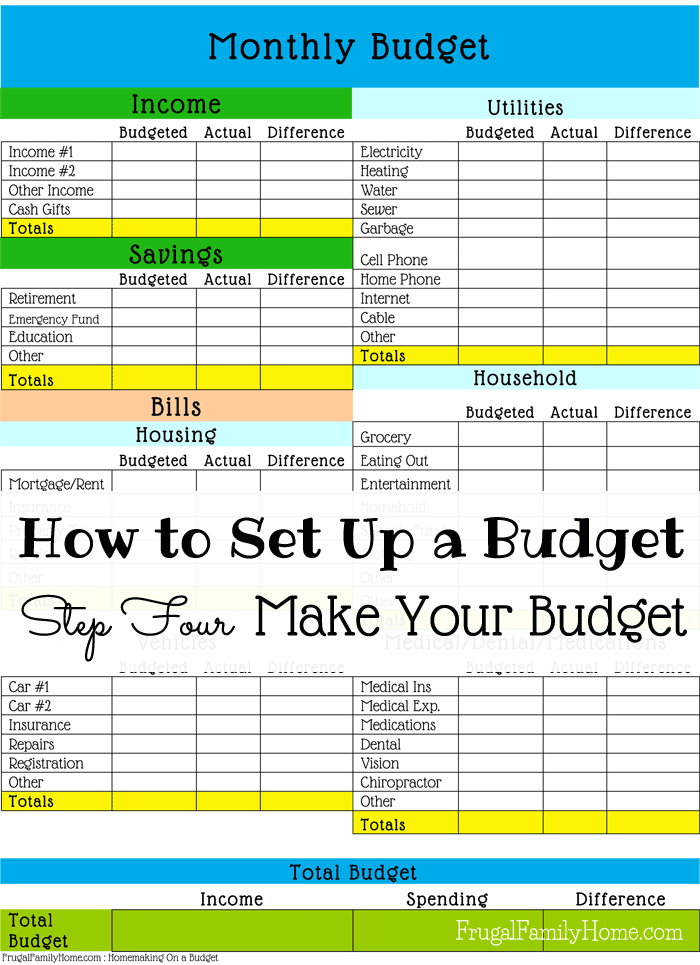
- Monthly Check-ins: At the end of each month (or beginning of the next), dedicate time to review your budget. Compare your actual spending to your budgeted amounts. Identify categories where you overspent or underspent.
- Annual Reassessment: At least once a year, or whenever significant life changes occur, conduct a more thorough review. Are your financial goals still relevant? Do your allocations still make sense? Adjust your budget as needed to reflect your current reality and future aspirations. This iterative process ensures your budget remains a relevant and powerful tool.
Building an Emergency Fund
One of the most critical components of financial security, and a key goal for many budgets, is establishing and maintaining an emergency fund. This is a dedicated savings account specifically for unexpected expenses like job loss, medical emergencies, or major home/car repairs.
- Goal: Aim to save 3-6 months’ worth of essential living expenses. For greater peace of mind, some experts recommend up to 9-12 months.
- Budget Allocation: Prioritize allocating a consistent amount from your budget towards this fund until it reaches your target. Treat this saving as a non-negotiable “expense” in your budget. An emergency fund provides a crucial buffer, preventing you from going into debt when life throws a curveball.
Prioritizing Debt Repayment
If you carry high-interest debt (like credit card balances), your budget should actively work towards eliminating it. High-interest debt can quickly erode your financial progress.
- Debt Snowball Method: Pay off the smallest debt first, while making minimum payments on others. Once the smallest is paid, roll that payment amount into the next smallest debt. This method provides psychological wins.
- Debt Avalanche Method: Focus on paying off the debt with the highest interest rate first, while making minimum payments on others. This method saves you the most money on interest over time.
Allocate a specific portion of your budget beyond minimum payments towards your chosen debt repayment strategy. Freeing yourself from debt liberates significant cash flow for savings and investments.
Automating Savings and Investments
Make saving and investing effortless by automating the process. “Pay yourself first” by setting up automatic transfers from your checking account to your savings, investment accounts, or retirement funds immediately after your paycheck hits.
- Consistency: Automation ensures you consistently contribute to your financial goals before you even have a chance to spend the money.
- Eliminate Temptation: By removing the money from your checking account, you reduce the temptation to spend it on discretionary items.
This strategy is incredibly powerful for building wealth over the long term, making your financial growth systematic and almost invisible.
Navigating Common Budgeting Challenges
Even with the best intentions, budgeting comes with its share of hurdles. Anticipating and preparing for these common challenges can significantly improve your chances of success.
Overcoming Budget Fatigue
Budgeting can feel tedious, especially in the initial stages when you’re diligently tracking every penny. It’s easy to get discouraged or lose motivation.
- Solution:
- Automate where possible: Use apps that link to your accounts.
- Simplify: Don’t get bogged down in excessive detail. Focus on the major categories and identify key areas of concern.
- Reward yourself: When you hit a small budgeting milestone (e.g., sticking to your grocery budget for a month), acknowledge your success.
- Remember your “why”: Revisit your financial goals frequently to rekindle your motivation. Acknowledge that budgeting is a marathon, not a sprint, and consistency beats perfection.
Handling Unexpected Expenses
Life is unpredictable. Car repairs, medical bills, or sudden home maintenance issues can quickly derail a carefully planned budget.
- Solution:
- Emergency Fund: This is precisely why building an emergency fund (as discussed above) is paramount. It acts as your financial shock absorber.
- Sinking Funds: For foreseeable but irregular expenses (e.g., annual car registration, holiday gifts, home maintenance), create “sinking funds.” Allocate a small amount each month to a separate savings account for these specific purposes, so the large expense doesn’t hit your budget all at once.
- Flexibility: Build some “buffer” into your budget or have a small discretionary category for minor surprises.
Resisting Lifestyle Creep
As your income increases, it’s natural to want to upgrade your lifestyle. This phenomenon, known as “lifestyle creep,” can silently erode your financial progress if not managed. Your spending expands to match your increased income, leaving you no better off financially.
- Solution:
- Conscious Allocation: When you get a raise or bonus, don’t automatically increase your discretionary spending. Instead, consciously allocate a significant portion (e.g., 50-80%) of the increase towards savings, investments, or debt repayment.
- Define Your “Enough”: Reflect on what truly brings you happiness and contentment. Not every increase in income needs to translate into an increase in spending.
- Regular Goal Review: Keep your long-term financial goals at the forefront. They serve as a powerful counter-balance to the temptation of immediate gratification.
Dealing with Budget Busts
It’s inevitable that sometimes you’ll overspend in a category, or an unexpected expense will throw your budget off track. Don’t view these as failures, but as learning opportunities.
- Solution:
- Don’t Give Up: The worst thing you can do is abandon your budget entirely. Acknowledge the bust, learn from it, and get back on track.
- Analyze the Cause: Was it an emergency? An impulse purchase? An unrealistic budget category?
- Adjust and Adapt: If a category is consistently overspent, perhaps your initial allocation was unrealistic. Adjust it for the next month. If it was an impulse, reflect on the triggers and plan strategies to avoid it next time.
- Forgive Yourself: Financial success is about progress, not perfection. Every setback is a chance to refine your approach and become more resilient.
Starting a budget is a foundational step towards building a secure and prosperous financial future. It demands an honest assessment of your financial habits, a clear vision of your goals, and a commitment to consistent effort. By understanding its value, diligently laying the groundwork, choosing a method that suits you, and actively maintaining your financial roadmap, you empower yourself to make informed decisions, mitigate stress, and ultimately achieve the financial freedom you desire. Embrace the process, be patient with yourself, and watch as your relationship with money transforms for the better.
aViewFromTheCave is a participant in the Amazon Services LLC Associates Program, an affiliate advertising program designed to provide a means for sites to earn advertising fees by advertising and linking to Amazon.com. Amazon, the Amazon logo, AmazonSupply, and the AmazonSupply logo are trademarks of Amazon.com, Inc. or its affiliates. As an Amazon Associate we earn affiliate commissions from qualifying purchases.