
In a world brimming with choices, advertisements, and an ever-present pressure to acquire, the simple act of “spending” has become profoundly complex. It’s no longer just about exchanging money for goods or services; it’s a reflection of our values, our priorities, our aspirations, and even our fears. To truly master the art of spending is to understand its profound impact on our financial well-being, our emotional peace, and ultimately, our ability to live a life of purpose and fulfillment. This isn’t an instruction manual on frugality or deprivation, but rather a guide to intentionality – a framework for making every dollar count, not just in terms of what it buys, but what it enables you to achieve.

The Philosophy of Spending: Beyond Transactional
Before we delve into strategies and tools, it’s crucial to establish a philosophical foundation for our financial decisions. Spending is inherently personal, shaped by our past experiences, societal influences, and individual desires. Acknowledging these underlying currents is the first step toward gaining control.
Understanding Your Values and Priorities
Every financial decision, whether conscious or unconscious, is an expression of our values. Do you value security, adventure, family, comfort, education, or experiences? When your spending aligns with your deepest values, it feels right, fulfilling, and purposeful. Conversely, spending that conflicts with your values often leads to regret, dissatisfaction, and a feeling of financial unfulfillment, even if you’ve acquired something desirable. Take time to articulate your core values. Write them down. Then, critically assess where your money is currently going. Are there discrepancies? If you value health but rarely spend on nutritious food or fitness, or if you value family but spend excessively on solitary entertainment, there’s an opportunity for realignment. This foundational introspection provides a compass for all future financial choices.
Differentiating Needs from Wants: The Foundation of Mindful Spending
This timeless distinction remains the bedrock of sensible spending. Needs are the essentials for survival and basic well-being: shelter, food, basic clothing, transportation to work, and healthcare. Wants, on the other hand, are everything else – the desires that enhance our lives but aren’t strictly necessary for survival. The challenge lies in our modern context, where many wants have become normalized as needs. High-speed internet, a specific smartphone, daily gourmet coffee – these items, while convenient and enjoyable, are often discretionary. Cultivating the discipline to consistently distinguish between needs and wants empowers you to prioritize essential expenditures and make conscious decisions about discretionary spending. It frees up resources for savings, investments, or truly meaningful wants that align with your values, rather than being swept away by societal expectations or clever marketing.
The Emotional Tapestry of Money
Our relationship with money is deeply emotional. We spend out of joy, boredom, stress, a desire for status, or even as a form of self-medication. Retail therapy, impulse buys driven by fear of missing out (FOMO), or lavish spending to impress others are common examples of emotionally charged financial decisions. Understanding the emotional triggers behind your spending patterns is vital. When you feel an urge to spend, pause and ask yourself: “What emotion am I feeling right now? What am I hoping this purchase will achieve for me emotionally?” This moment of self-awareness can often reveal underlying needs that money cannot truly satisfy and prevent regretful purchases. Developing healthier coping mechanisms for stress, boredom, or sadness—like exercise, meditation, or connecting with loved ones—can be far more effective and less costly than habitual emotional spending.
Strategic Spending: Investing in Your Future
Once the philosophical groundwork is laid, the next step is to transform your spending from reactive to proactive – making it a powerful tool for building the future you envision. Strategic spending is about allocation, foresight, and a clear understanding of return on investment, not just monetary but also in terms of well-being and opportunity.
Budgeting as a Blueprint, Not a Straitjacket
The word “budget” often evokes feelings of restriction and deprivation. However, a well-crafted budget is not about limiting your life; it’s about liberating it. Think of it as a financial blueprint that guides your money to its most impactful destinations. It’s a proactive plan for how you intend to spend your income, rather than a retroactive tally of where it disappeared. A good budget categorizes your income and expenses, ensuring that essential needs are met, savings goals are consistently pursued, and discretionary spending aligns with your values. Popular methods like the 50/30/20 rule (50% for needs, 30% for wants, 20% for savings/debt repayment) offer a starting point, but the key is to customize it to your unique circumstances and goals. Regular review and adjustment are crucial, as your financial landscape and priorities will undoubtedly evolve.
Spending on Experiences vs. Possessions: Which Brings More Value?
For years, research has consistently shown that spending money on experiences—travel, concerts, classes, shared meals—tends to bring greater and more lasting happiness than spending on material possessions. Possessions often come with an initial thrill that quickly fades, and they can even become burdens (maintenance, storage, the desire for an upgrade). Experiences, however, create memories, foster connections, build skills, and contribute to personal growth. They become part of your identity and are less susceptible to comparison or depreciation. This isn’t to say all material purchases are bad; a quality tool, a comfortable mattress, or a reliable car can significantly enhance your life. The strategic insight lies in understanding where you derive true, sustained value and consciously allocating more of your discretionary spending towards those avenues, often favoring enriching experiences over fleeting material acquisitions.
Investing in Yourself: Education, Health, and Growth
Perhaps the most potent form of strategic spending is investing in your human capital. This includes expenditures on education, skill development, health, and personal growth. A certification that boosts your earning potential, a course that ignites a new passion, a gym membership that ensures vitality, therapy that enhances mental well-being, or even quality ingredients for nutritious home-cooked meals – these are not just expenses; they are investments with potentially exponential returns. They improve your capacity to earn, your quality of life, your longevity, and your overall happiness. Prioritizing these areas means recognizing that your greatest asset is yourself, and nurturing that asset strategically will yield dividends far beyond the initial cost.
The Power of Intentional Giving
While often overlooked in discussions of personal finance, intentional giving—whether to charities, causes, or directly to individuals in need—is a powerful form of spending that offers profound psychological and even practical benefits. Studies show that giving makes people happier and can even improve physical health. Beyond the altruistic aspect, conscious giving aligns your spending with a broader sense of purpose, connecting you to your community and to values beyond mere personal acquisition. Integrating a consistent component of giving into your budget transforms a potentially self-centered activity into one of shared prosperity and meaning. It’s an investment in the collective good and, by extension, in your own sense of fulfillment.
Avoiding Spending Pitfalls and Traps
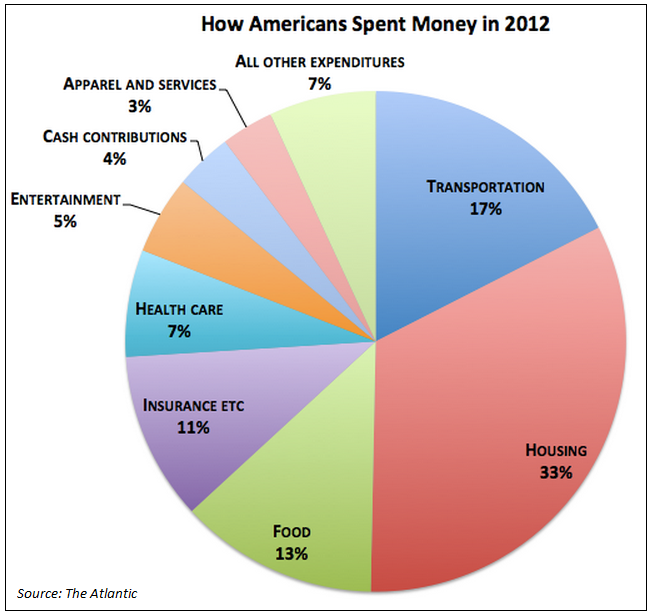
Even with the best intentions, the modern consumer landscape is rife with traps designed to encourage impulsive and often regrettable spending. Recognizing these common pitfalls is half the battle in developing resilient financial habits.
The Siren Song of Impulse Buys
The thrill of an unexpected “deal,” the immediate gratification of a new gadget, or the allure of online shopping at 2 AM are powerful forces. Impulse buys are typically unplanned purchases made on the spur of the moment, often driven by emotion or external stimuli. While a small, occasional impulse purchase might be harmless, a pattern of such spending can quickly derail a budget and accumulate significant debt. Retailers are masters at creating environments conducive to impulse buying, from strategic product placement to limited-time offers. The key to combating this is awareness and the implementation of a “pause” mechanism. This could be the “24-hour rule” (wait 24 hours before buying anything non-essential), adding items to a wishlist instead of a cart, or simply asking “Do I truly need this, or do I just want it right now?”
Lifestyle Creep: A Silent Wealth Eroder
Lifestyle creep, also known as lifestyle inflation, occurs when an increase in income leads to a proportionate or even disproportionate increase in spending on non-essential items or services. As you earn more, you might find yourself upgrading your car, moving to a larger home, dining out more frequently, or taking more expensive vacations. While enjoying the fruits of your labor is natural, unchecked lifestyle creep can prevent you from building substantial wealth, saving for retirement, or achieving larger financial goals. It can lead to a perpetual cycle where increased earnings are always absorbed by increased expenses, leaving little room for true financial growth or freedom. The antidote is conscious financial planning: intentionally saving and investing a significant portion of any pay raise or bonus before adjusting your lifestyle upwards, ensuring that your financial growth outpaces your lifestyle inflation.
Debt: The Cost of Unmanaged Spending
One of the most insidious traps of unmanaged spending is the accumulation of debt, particularly high-interest consumer debt like credit card balances. Debt can quickly become a heavy burden, siphoning off a significant portion of your income through interest payments and limiting your financial flexibility. While certain types of debt, like a mortgage for a primary residence or student loans for career advancement, can be considered strategic investments, consumer debt often stems from spending beyond one’s means on depreciating assets or fleeting desires. Understanding the true cost of debt—not just the principal but the compounded interest over time—is crucial. Prioritizing debt repayment, particularly high-interest debt, should be a central component of any spending strategy focused on long-term financial health.
Tools and Habits for Mindful Spending
With the philosophical and strategic elements in place, the practical application of mindful spending relies on developing consistent habits and leveraging appropriate tools. These are the actionable steps that translate intention into sustained financial discipline.
Embracing Digital Financial Management Tools
In the digital age, managing your money has never been easier thanks to a plethora of apps and online platforms. Tools like Mint, YNAB (You Need A Budget), Personal Capital, or even sophisticated banking apps can automate expense tracking, categorize spending, set budgets, and provide a holistic view of your financial health. They can send alerts when you’re nearing budget limits, offer insights into spending patterns, and help visualize your progress toward savings goals. Embracing these technologies can transform tedious manual tracking into an efficient, insightful, and even engaging process, empowering you to make data-driven decisions about your spending. The key is to find a tool that resonates with your personal style and commitment to consistently use it.
The “Wait 24 Hours” Rule
A simple yet highly effective habit to combat impulse buying and ensure thoughtful spending is the “wait 24 hours” rule. Before making any non-essential purchase above a certain predetermined threshold (e.g., $50 or $100), commit to waiting at least 24 hours. This brief pause provides critical time for rational thought to override emotional impulses. Often, after a day has passed, the urgency or desire for the item diminishes, or you may realize that the purchase doesn’t truly align with your needs or financial goals. This rule is a powerful circuit breaker, preventing countless regretful expenditures and reinforcing conscious decision-making.
Regular Financial Reviews and Adjustments
Spending is not a set-it-and-forget-it activity. Your life circumstances, income, expenses, and goals will inevitably change. Therefore, regular financial reviews are essential. Schedule a dedicated time each month or quarter to review your budget, analyze your spending patterns, check your progress toward financial goals, and adjust your plan as needed. This could involve increasing savings contributions, reallocating funds between categories, or updating your goals in light of new opportunities or challenges. These regular check-ins ensure that your spending remains aligned with your evolving life and prevents minor deviations from snowballing into significant financial problems. It transforms money management into an active, adaptive process rather than a static constraint.
The Ultimate Goal: Spending for Financial Freedom and Fulfillment
Ultimately, learning “how to spend” is not about hoarding wealth or living a life of austerity. It’s about wielding your financial resources as a potent instrument to sculpt the life you truly desire – a life characterized by security, purpose, and genuine fulfillment.
Aligning Spending with Long-Term Goals
True financial mastery means that every spending decision, no matter how small, is made with an eye toward your long-term aspirations. Whether your goal is early retirement, buying a home, funding your children’s education, starting a business, or traveling the world, your daily spending habits either propel you toward or away from these objectives. Consciously linking your spending to these bigger pictures provides powerful motivation and clarity. It allows you to differentiate between spending that is truly valuable in the context of your life’s vision and spending that merely provides fleeting satisfaction. This alignment fosters a sense of empowerment, transforming the act of spending from a potential drain into a deliberate act of creation.

Creating a Legacy Through Thoughtful Financial Decisions
Beyond personal fulfillment, thoughtful spending and financial management have the power to create a lasting legacy. This could involve building generational wealth, funding philanthropic endeavors, supporting causes you believe in, or simply setting an exemplary model of financial responsibility for your children and community. Your spending patterns, over time, accumulate into a narrative of what you valued and what you contributed. By adopting a mindful and strategic approach to how you spend, you not only improve your own life but also create ripples of positive impact that can extend far beyond your immediate financial transactions, leaving a meaningful mark on the world. This is the ultimate aspiration of mastering the art of spending: to use your money as a force for good, both for yourself and for those around you.
aViewFromTheCave is a participant in the Amazon Services LLC Associates Program, an affiliate advertising program designed to provide a means for sites to earn advertising fees by advertising and linking to Amazon.com. Amazon, the Amazon logo, AmazonSupply, and the AmazonSupply logo are trademarks of Amazon.com, Inc. or its affiliates. As an Amazon Associate we earn affiliate commissions from qualifying purchases.