
In the realm of personal finance, an overwhelming amount of attention is paid to the act of earning and the discipline of saving. We are inundated with strategies for climbing the corporate ladder, launching side hustles, and diversifying investment portfolios. However, the third pillar of financial mastery—spending—is often treated as a necessary evil or a lapse in judgment. This is a fundamental misunderstanding of capital. Money is a tool, and like any tool, its utility is defined by how it is used. To spend money effectively is not to be frivolous; it is to allocate resources in a way that maximizes utility, enhances well-being, and aligns with long-term strategic goals.
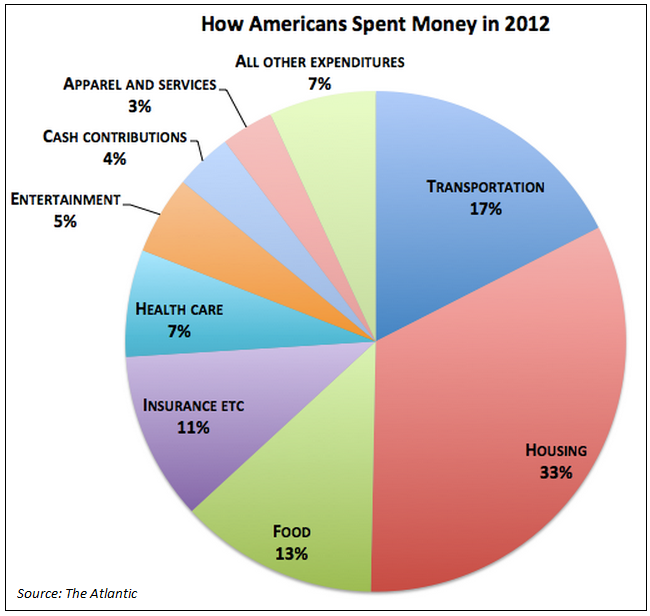
Mastering the art of spending requires a transition from “mindless consumption” to “conscious allocation.” It involves understanding the psychological triggers behind our purchases and replacing impulsive reactions with a structured framework that prioritizes value over price.
Redefining the Relationship Between Cost and Value
The first step in learning how to spend money is distinguishing between price and value. Price is the numerical amount listed on a tag; value is the total utility, joy, or time-saving benefit a purchase provides over its lifespan. Many people fall into the trap of “frugality for frugality’s sake,” choosing the lowest price point regardless of the outcome. This often leads to a higher total cost of ownership due to frequent replacements and diminished satisfaction.
The Hedonic Treadmill and Impulse Control
Humans are biologically wired for novelty. When we buy something new, our brains release dopamine, providing a temporary “high.” However, this feeling is fleeting—a phenomenon known as the hedonic treadmill. We quickly adapt to our new purchases, and the baseline for happiness returns to its previous level, prompting us to spend again to chase the next spike.
To spend money wisely, one must implement a “buffer zone” for non-essential purchases. A common strategy is the 48-hour rule: if you see something you want, wait two full days before completing the transaction. This cooling-off period allows the initial emotional surge to dissipate, enabling a rational assessment of whether the item truly adds value to your life or if it was merely a response to clever marketing.
Price vs. Utility: The Real Cost of Ownership
A sophisticated spender looks at the “cost per use” rather than the sticker price. For example, a $300 pair of high-quality leather boots that lasts ten years and can be resoled has a significantly lower cost per use than five pairs of $60 synthetic shoes that fall apart after six months. This concept applies to everything from kitchen appliances to software subscriptions. By investing in quality, you reduce the mental load of constant replacement and the long-term financial drain of “disposable” culture.
Designing a Conscious Spending Plan
The traditional budget is often viewed as a restrictive tool—a financial diet that focuses on what you cannot do. A conscious spending plan flips this script. It is a proactive document that dictates where your money must go to ensure your life reflects your priorities. Instead of tracking where money went after it is gone, you assign every dollar a job before the month begins.
Defining Your “Money Dials”
A concept popularized by financial experts is the idea of “Money Dials.” Everyone has specific categories where they derive immense satisfaction. For some, it is travel; for others, it is high-end fitness, fine dining, or technology.
The secret to spending well is to turn the dial “up” on the things you love and “down” to the absolute minimum on the things you don’t. If you are a car enthusiast but don’t care about fashion, it is perfectly rational to drive a premium vehicle while wearing basic, affordable clothing. Problems arise when individuals try to spend at a high level across all categories. By identifying your specific dials, you grant yourself permission to spend extravagantly on what matters most, funded by the ruthless elimination of waste in categories that provide no personal utility.
The 50/30/20 Rule with a Twist
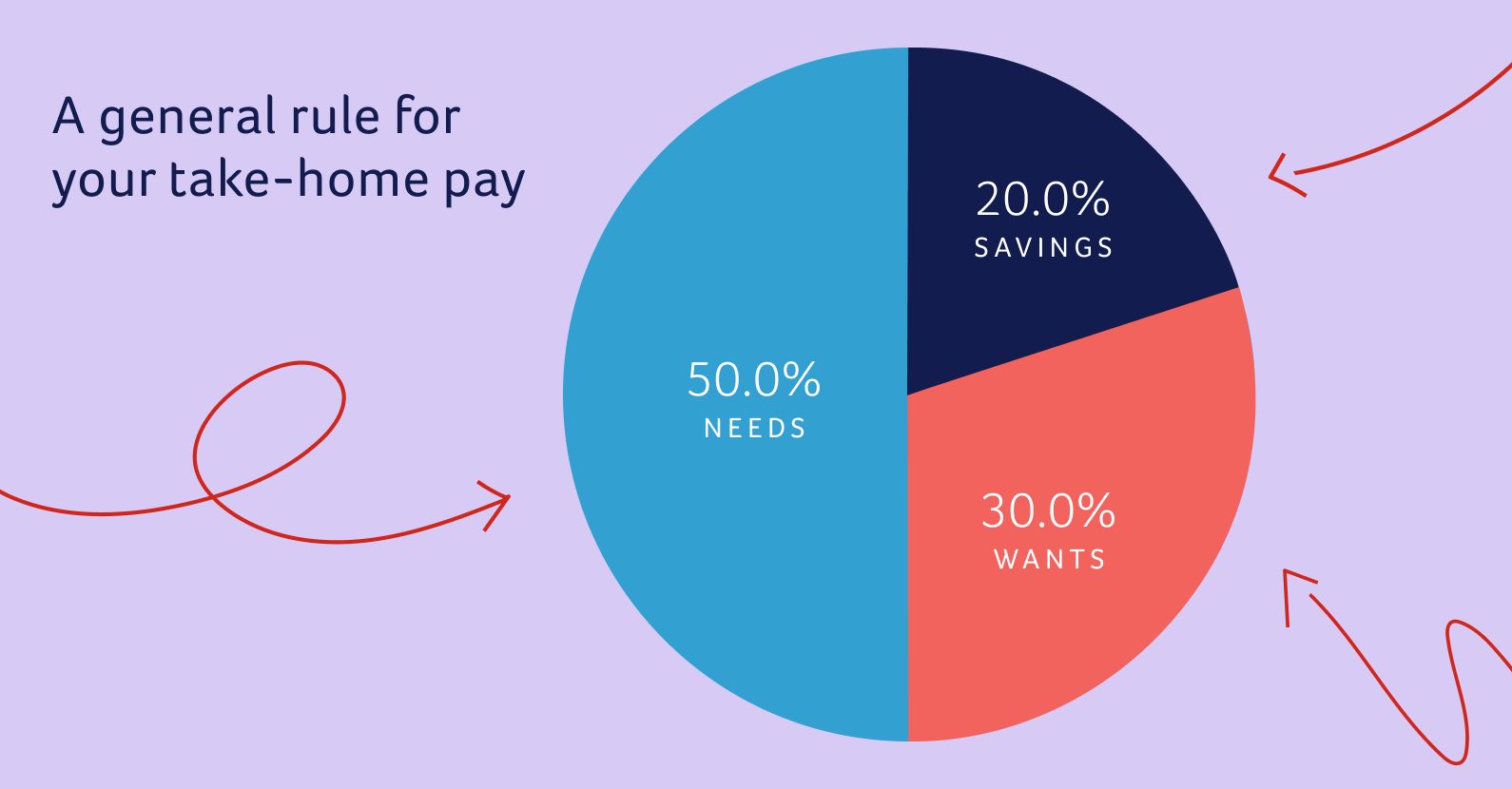
A standard framework for spending is the 50/30/20 rule: 50% for needs, 30% for wants, and 20% for savings and debt repayment. While this is a solid baseline, high-level spending mastery involves optimizing the “30% wants” category. This should not be a bucket for random leakage. Instead, it should be segmented into “Investment Spending”—purchases that improve your future self—and “Lifestyle Spending”—purchases that improve your current state. Balancing these two ensures that you aren’t just surviving the present or hoarding for a distant future, but living a rich life in both dimensions.
Buying Back Time: The Ultimate Financial Leverage
As one’s income increases, the most valuable commodity shifts from money to time. The most intelligent way to spend money is to use it as a tool to reclaim your hours. Time is a non-renewable resource, and using capital to eliminate “low-value” tasks is one of the few ways to effectively “buy” more of it.
Outsourcing and the Hourly Rate Mentality
To determine if a purchase is worth it, calculate your personal hourly rate. If you earn $100 per hour and spend four hours every weekend mowing the lawn and cleaning the house, you are effectively spending $400 of your time on maintenance. If you can hire a service for $150 to perform those same tasks, you have “profited” $250 in time value.
Spending money on outsourcing—whether it’s laundry services, grocery delivery, or administrative help—isn’t about laziness; it’s about strategic delegation. It frees up your mental and physical energy to focus on high-yield activities, whether those are professional pursuits, creative hobbies, or spending time with family.
Investing in Frictionless Living
Friction is the accumulation of small annoyances that drain energy throughout the day. Spending money to remove friction is a high-ROI activity. This might mean upgrading to a faster laptop to eliminate lag, buying a more ergonomic chair to prevent back pain, or investing in a home organization system that saves ten minutes of searching every morning. These are not luxury spends; they are performance enhancements. By smoothing out the logistics of daily life, you increase your overall capacity for deep work and meaningful relaxation.
Strategic Acquisition: The “Buy It For Life” Philosophy
In an era of planned obsolescence, the “Buy It For Life” (BIFL) movement emphasizes purchasing goods that are built to endure. This approach to spending requires a higher upfront investment but yields dividends in durability, performance, and environmental impact.
Avoiding the “Cheap Trap”
The “Vimes ‘Boots’ Theory of Economic Injustice,” a concept from literature that has found real-world resonance, explains why it is expensive to be poor. A person who can only afford $10 boots must replace them every season, spending $100 over ten years and still having wet feet. A person who can afford $50 boots once spends $50 and has dry feet for a decade.
When you have the capital, spending more upfront to avoid the “cheap trap” is a mark of financial maturity. This applies to tools, cookware, furniture, and clothing. Researching brands with lifetime warranties and a reputation for repairability ensures that your spending contributes to your net worth over time by reducing future liabilities.
The Value of Maintenance and Care
Smart spending doesn’t end at the point of purchase. Allocating funds for the maintenance of high-quality items is essential. Spending money on a professional tailor, a specialized mechanic, or regular equipment servicing extends the life of your assets. It is far cheaper to maintain a high-quality item than to replace a neglected one. This mindset shifts the focus from “acquiring more” to “stewarding what you have.”
Spending for Growth, Health, and Impact
The final frontier of sophisticated spending is the allocation of capital toward intangible assets. While physical goods are visible, the highest returns often come from spending on internal development and social impact.
Personal Development and Skill Acquisition
The most secure investment you can make is in your own human capital. Spending money on books, courses, certifications, and coaching has an asymmetrical upside. A $500 course that teaches a skill leading to a $5,000 raise provides a 1,000% return on investment—far higher than any stock market average. Intelligent spenders never hesitate to pay for compressed knowledge. They realize that they are paying to skip the years of trial and error it took the expert to acquire that information.
The Health Premium
Spending on health is perhaps the only category where the ROI is literally life-altering. This includes spending on high-quality whole foods, preventative healthcare, fitness memberships, and mental health support. In the long run, the “cost” of a personal trainer or a nutritionist is dwarfed by the potential medical bills and lost productivity associated with chronic illness. Viewing health expenditures as a “maintenance budget” for your most important asset—your body—is a hallmark of wise spending.

Philanthropy and Value-Aligned Consumption
Finally, how you spend money is a reflection of your ethics. “Voting with your dollar” is a powerful way to influence the world. This involves spending intentionally at businesses that align with your values, whether that means supporting local artisans, choosing environmentally conscious brands, or donating to causes that solve systemic problems.
When you spend money in alignment with your values, the “transactional” nature of the spend is replaced by a sense of purpose. You are no longer just a consumer; you are a patron of the world you want to see. This psychological shift transforms spending from a source of stress or guilt into a source of fulfillment and agency.
In conclusion, learning how to spend money is about moving from a reactive state to a proactive one. It is the process of defining what a “rich life” looks like for you and then ruthlessly aligning your capital to build that reality. By focusing on value over price, buying back your time, investing in quality, and spending on growth, you turn your expenses into a strategic engine for a more meaningful and productive existence.
aViewFromTheCave is a participant in the Amazon Services LLC Associates Program, an affiliate advertising program designed to provide a means for sites to earn advertising fees by advertising and linking to Amazon.com. Amazon, the Amazon logo, AmazonSupply, and the AmazonSupply logo are trademarks of Amazon.com, Inc. or its affiliates. As an Amazon Associate we earn affiliate commissions from qualifying purchases.