
Navigating the world of personal finance often begins with a single, pivotal step: signing up for your first or next credit card. While the process may seem as simple as filling out a digital form, a credit card is a sophisticated financial instrument that requires a strategic approach. When used correctly, it is a tool for building wealth, securing consumer protections, and earning valuable rewards. When approached haphazardly, it can lead to high-interest debt and credit score degradation.
Understanding how to sign up for a credit card involves more than just entering your Social Security number. It requires an audit of your current financial standing, a clear definition of your spending goals, and a thorough analysis of the terms offered by various issuers. This guide breaks down the process into actionable phases, ensuring you move from applicant to cardholder with confidence and clarity.
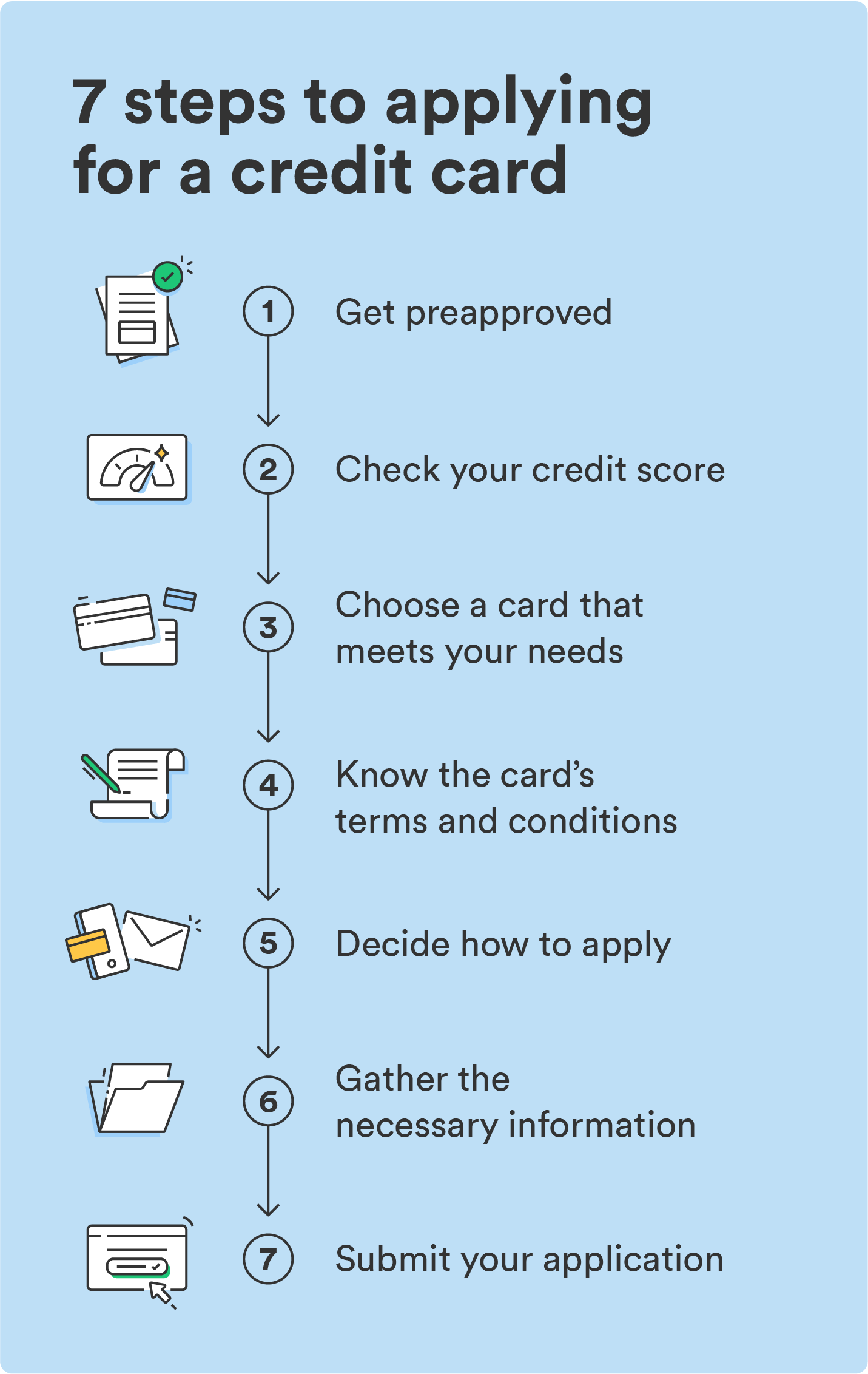
Phase 1: Assessing Your Financial Readiness and Credit Profile
Before you even browse the “apply” buttons on a bank’s website, you must understand how lenders view you. The application process is essentially a risk assessment performed by the issuer. To ensure a high probability of approval, you must know where you stand.
Understanding Your Credit Score
Your credit score is the primary metric issuers use to determine your eligibility and the interest rates you’ll be offered. In the United States, FICO and VantageScore are the two most prominent models, with scores ranging from 300 to 850.
-
Excellent (800+): You are eligible for the most premium cards with the highest rewards and lowest APRs.
-
Very Good (740–799): You will likely be approved for most top-tier cards.
-
Good (670–739): You have a solid chance at most standard rewards cards.
-
Fair (580–669): You may be limited to “entry-level” cards or those with higher interest rates.
-
Poor (Under 580): You should look toward secured credit cards designed for credit rebuilding.
Accessing your credit report via services like AnnualCreditReport.com or through your existing banking apps allows you to check for errors. An incorrect late payment or an unrecognized account can tank your score, leading to an immediate rejection.
Evaluating Your Income and Debt-to-Income Ratio
Issuers are legally required to ensure that you have the “ability to pay.” During the sign-up process, you will be asked for your total annual gross income. This includes not just your salary, but also bonuses, investment income, and, in some cases, household income if you have reasonable access to it. Your debt-to-income (DTI) ratio—how much of your monthly income goes toward existing debt—is equally important. If your DTI is too high, lenders may fear that adding a new line of credit will overextend your finances.
Phase 2: Selecting the Right Card for Your Niche
The “best” credit card does not exist in a vacuum; it only exists in relation to your specific spending habits and financial goals. Signing up for a premium travel card when you rarely leave your hometown is a strategic error, just as using a basic flat-rate card for heavy grocery spending might result in missed opportunities.
Cash Back vs. Travel Rewards
For most consumers, the choice comes down to cash back or travel points.
-
Cash Back Cards: These are the most straightforward. You earn a percentage of your spend back in dollars. Some cards offer a flat rate (e.g., 2% on everything), while others have “tiered” categories (e.g., 3% on dining, 2% on gas). These are ideal for those who want simplicity and immediate value.
-
Travel Rewards Cards: These earn points or miles that can be redeemed for flights, hotels, or experiences. These cards often come with “transfer partners,” allowing you to move points to airline loyalty programs for outsized value. These are best for those who travel at least once or twice a year and are willing to learn the nuances of redemption.
Secured Cards and Student Cards
If you are new to credit or have a history of financial setbacks, the sign-up process for “unsecured” cards (traditional cards) may result in a denial.
-
Secured Cards: These require a refundable security deposit that usually serves as your credit limit. They are designed to report your on-time payments to the credit bureaus to build your score.
-
Student Cards: These are tailored for young adults with limited credit history. They often feature lower credit limits but include perks like “good grade” rewards and no annual fees.
Analyzing the “Schumer Box”
By law, every credit card application must include a “Schumer Box”—a standardized table that discloses the card’s rates and fees. Before you sign up, you must examine:
-
Annual Percentage Rate (APR): The cost of carrying a balance.
-
Annual Fee: Whether the card costs money just to keep in your wallet.
-
Foreign Transaction Fees: Crucial if you plan to use the card abroad.
-
Late Fees and Penalty APRs: The consequences of missing a payment.

Phase 3: The Step-by-Step Application Process
Once you have identified the right card, the actual sign-up process is relatively quick, often taking less than ten minutes. Most applications are handled online, though some people still prefer applying in-branch or via mail.
Step 1: Gathering Documentation
To complete the application, you will need:
-
Personal Identification: Your full legal name, date of birth, and Social Security Number (or ITIN).
-
Contact Information: Physical address (not a P.O. Box), email, and phone number.
-
Financial Details: Total annual income and monthly housing payment (rent or mortgage).
Step 2: Utilizing Pre-Approval Tools
Many major issuers offer “pre-approval” or “pre-qualification” tools on their websites. These tools perform a “soft pull” on your credit, which does not impact your credit score. Using these tools allows you to see which cards you are likely to be approved for before you submit a formal application. This is a critical step to avoid unnecessary “hard inquiries” that can temporarily dip your score.
Step 3: Submitting the Application and the “Hard Inquiry”
When you officially click “submit,” the issuer performs a hard inquiry on your credit report. This gives them full access to your credit history. In many cases, you will receive an “Instant Approval” within 60 seconds. However, sometimes you may receive a message stating your application is “under review.” This isn’t necessarily a denial; it simply means a human underwriter needs to verify your details or that the bank’s automated system needs more time.
Step 4: The Reconsideration Line (If Denied)
If your application is denied, don’t lose hope immediately. Most issuers have a “reconsideration line.” You can call this number and speak with a representative to ask why you were denied. In some cases, you might be able to provide additional context—such as a recent raise or a lower rent payment—that could flip the decision to an approval.
Phase 4: Onboarding and Strategic Management After Approval
Winning the approval is only half the battle. The final phase of signing up for a credit card is the initial setup and the strategy you employ during the first 90 days.
Activation and Security Setup
When your physical card arrives (usually within 7–10 business days), the first step is activation, typically via the bank’s mobile app or a dedicated phone line. Immediately after, you should:
-
Set up a Mobile App Account: This allows you to track spending in real-time.
-
Enable Two-Factor Authentication (2FA): Protect your account from unauthorized access.
-
Configure Alerts: Set up notifications for every transaction over $0. This is the fastest way to spot fraudulent activity.
The “Sign-Up Bonus” Strategy
Most mid-tier and premium cards offer a “Sign-Up Bonus” (SUB) or “Welcome Offer.” This is often a large sum of points or cash back for spending a specific amount within the first three to six months (e.g., spend $3,000 in 3 months to earn 60,000 points). To maximize your new card, you must have a plan to meet this spending requirement without overspending or buying things you don’t need. Common strategies include timing your application with a major purchase, such as a new appliance or a planned vacation.
Automating for Success
The most important habit for any new cardholder is paying the balance in full every month. To ensure you never miss a deadline, set up “Autopay” for the full statement balance. This protects your credit score from the devastating impact of late payments and ensures you never pay a cent in interest, effectively allowing you to use the bank’s money for free while earning rewards.
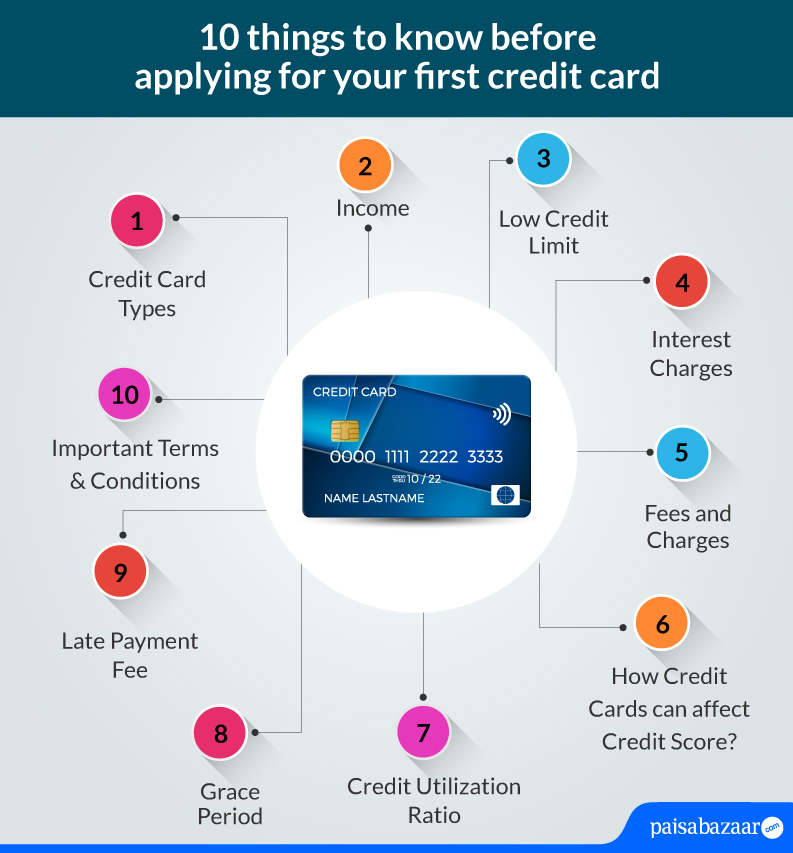
Conclusion: The Long-Term Impact of a Single Decision
Signing up for a credit card is a milestone in your financial journey. It is the beginning of a relationship with a financial institution that can last decades. By taking the time to audit your credit, select a card that aligns with your lifestyle, and manage the application process with precision, you transform a simple plastic card into a powerful engine for financial growth. Remember that the goal of signing up is not just to gain access to more spending power, but to build a reputation for reliability that will serve you when you eventually apply for mortgages, auto loans, or business credit. Approach the process with the professional diligence it deserves, and the rewards—both literal and figurative—will follow.
aViewFromTheCave is a participant in the Amazon Services LLC Associates Program, an affiliate advertising program designed to provide a means for sites to earn advertising fees by advertising and linking to Amazon.com. Amazon, the Amazon logo, AmazonSupply, and the AmazonSupply logo are trademarks of Amazon.com, Inc. or its affiliates. As an Amazon Associate we earn affiliate commissions from qualifying purchases.