
Securing a mortgage is often the largest financial transaction an individual will undertake in their lifetime. It’s a decision that will impact your financial well-being for decades, making the process of shopping for a loan far more critical than simply accepting the first offer presented. A strategic approach can lead to substantial savings over the life of the loan, better terms, and a smoother homebuying experience. Understanding the intricacies of the mortgage market, knowing your own financial standing, and diligently comparing offers are paramount steps in finding the best fit for your circumstances.
Laying the Groundwork: Understanding Your Needs and Options
Before you even begin speaking with lenders, it’s essential to educate yourself about the fundamental components of a mortgage and honestly assess your financial position. This preparatory phase will empower you to navigate conversations with lenders from a position of knowledge, rather than confusion.
Grasping Mortgage Fundamentals
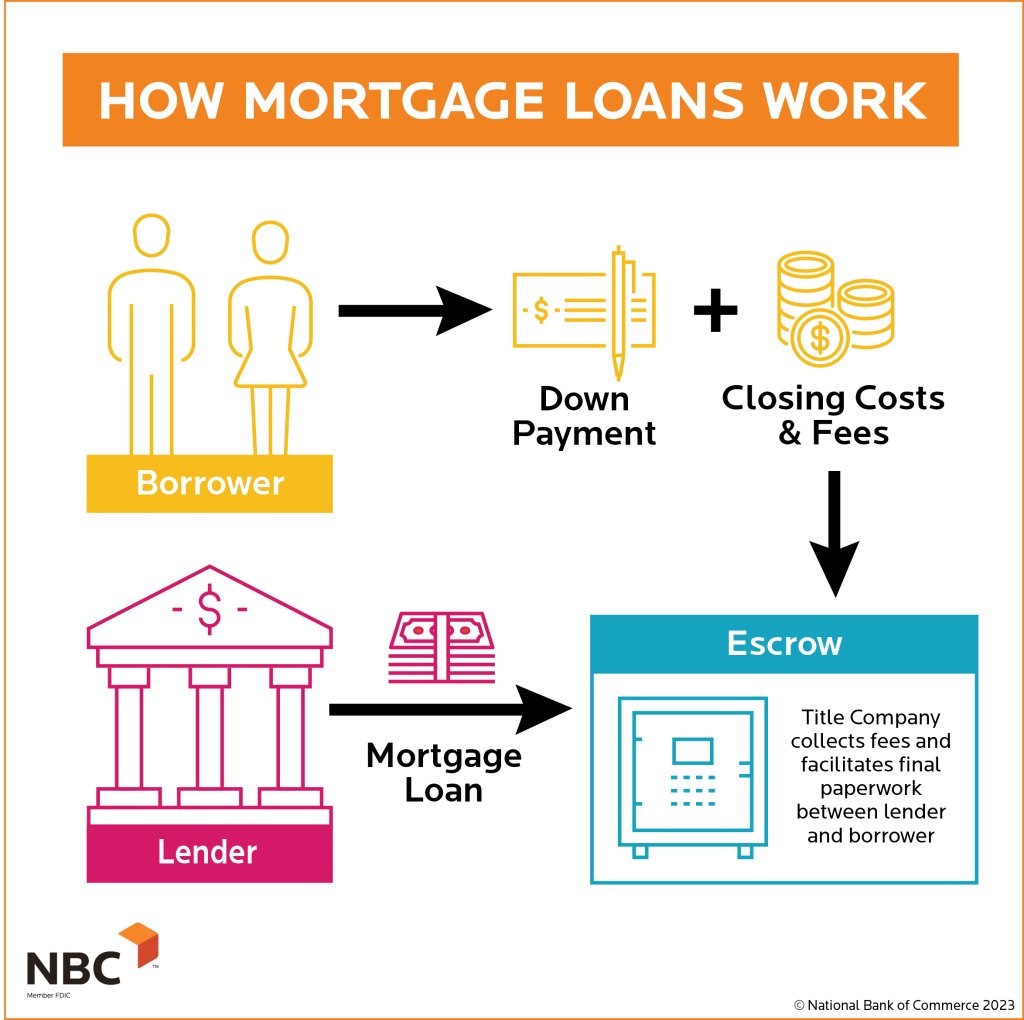
At its core, a mortgage is a loan used to purchase or maintain a home, land, or other types of real estate. The borrower agrees to pay back the loan over a set period, typically 15 or 30 years, with interest. The property itself serves as collateral. Should the borrower default on payments, the lender has the right to repossess the property through a process called foreclosure. The monthly payment typically comprises four main components: principal (the amount borrowed), interest (the cost of borrowing), taxes (property taxes), and insurance (homeowner’s insurance). This is often referred to as PITI.
Different Strokes for Different Folks: Mortgage Types
The mortgage market offers a variety of loan products, each with distinct features designed for different borrower profiles and financial situations. Understanding these options is crucial for selecting the most appropriate path.
- Conventional Loans: These are mortgages not insured or guaranteed by a government agency. They are often the most common type and can be either conforming (meeting Fannie Mae and Freddie Mac guidelines, with limits on loan size) or jumbo (exceeding conforming limits). They typically require a good credit score and a down payment of at least 3%, though 20% or more helps avoid Private Mortgage Insurance (PMI).
- FHA Loans: Insured by the Federal Housing Administration, these loans are popular for first-time homebuyers or those with lower credit scores. They offer more lenient credit requirements and allow for down payments as low as 3.5%. However, they require both an upfront and annual mortgage insurance premium (MIP) regardless of the down payment size.
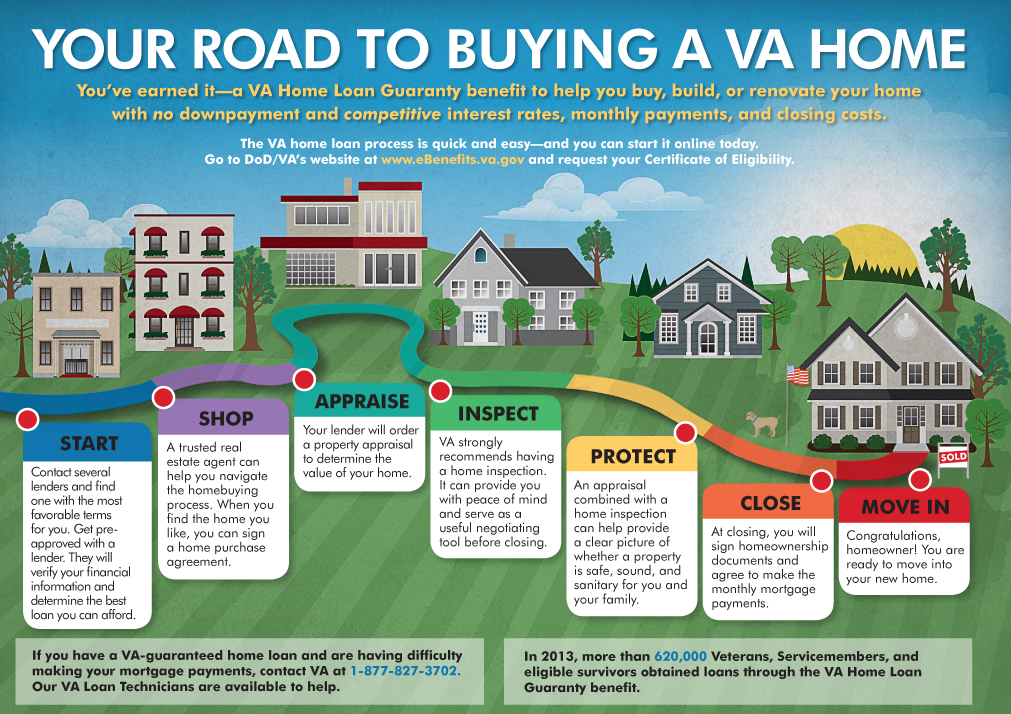
- VA Loans: Guaranteed by the U.S. Department of Veterans Affairs, these loans are available to eligible active-duty service members, veterans, and surviving spouses. A significant benefit is the potential for 0% down payment and no private mortgage insurance. They typically have competitive interest rates and lower closing costs.
- USDA Loans: Backed by the U.S. Department of Agriculture, these loans aim to promote homeownership in rural and some suburban areas. They also offer 0% down payment options and require low-to-moderate income borrowers. Specific geographic and income eligibility requirements apply.
- Fixed-Rate Mortgages (FRMs): The interest rate remains constant for the entire life of the loan, providing predictable monthly principal and interest payments. This stability is attractive for borrowers who plan to stay in their home for a long time or prefer consistent budgeting.
- Adjustable-Rate Mortgages (ARMs): The interest rate is fixed for an initial period (e.g., 3, 5, 7, or 10 years) and then adjusts periodically based on a benchmark index. ARMs typically start with lower interest rates than FRMs, which can be appealing for borrowers who expect to sell or refinance before the fixed-rate period ends, or anticipate their income increasing. However, the payments can rise significantly once the rate adjusts.
Knowing Your Financial Health: Pre-qualification vs. Pre-approval
Before seriously looking at homes, it’s vital to get a clear picture of how much you can realistically afford. This involves two distinct but often confused steps.
- Pre-qualification: This is an informal estimate of how much you might be able to borrow, based on self-reported financial information. It doesn’t involve a credit check and offers little weight to sellers.
- Pre-approval: This is a more rigorous process where a lender verifies your income, assets, and credit history (performing a hard credit pull) to determine the exact amount they are willing to lend you. A pre-approval letter demonstrates to sellers that you are a serious and qualified buyer, giving you a competitive edge in a hot market. It’s an indispensable first step in the mortgage shopping process. Your credit score (FICO), typically needing to be at least 620 for most conventional loans, along with your debt-to-income (DTI) ratio (the percentage of your gross monthly income that goes toward debt payments), are critical factors lenders scrutinize. Aiming for a DTI under 43% is generally ideal.
The Hunt Begins: Exploring Lender Avenues
Once you understand your options and have a pre-approval in hand, it’s time to actively shop for the best loan. This involves engaging with various lenders and meticulously comparing their offers.
Diverse Lending Institutions
The mortgage market is diverse, with several types of institutions vying for your business. Each has its own advantages and disadvantages.
- Traditional Banks: Large national and regional banks offer a full range of financial products and may be convenient if you already bank with them. They often have established processes and customer service.
- Credit Unions: Member-owned financial cooperatives that often offer competitive rates and lower fees due to their non-profit status. They tend to have a more personalized approach and may be more flexible with borrowers who have less-than-perfect credit.
- Online Lenders: These lenders operate entirely online, often offering streamlined applications, quick approvals, and potentially lower interest rates due to reduced overhead. They can be a good option for tech-savvy borrowers comfortable with a less personal interaction.
- Mortgage Brokers: Unlike direct lenders, brokers act as intermediaries, working with multiple wholesale lenders. They can compare offers from various sources to find the best rate and terms for your specific situation. They can be particularly useful for borrowers with unique financial circumstances or those who want to simplify the comparison process.
Gathering Initial Quotes
The golden rule of mortgage shopping is to get quotes from at least three to five different lenders. This isn’t just about finding the lowest interest rate; it’s about understanding the entire cost structure. Lenders have different pricing models, fees, and customer service approaches. Apply for pre-approval with a few chosen lenders to get firm offers. All credit inquiries for a mortgage within a short window (typically 14 to 45 days, depending on the credit scoring model) are usually treated as a single inquiry, minimizing the impact on your credit score.
Deciphering the Loan Estimate (LE)
Once a lender has enough information from your application, they are legally required to provide you with a Loan Estimate (LE) within three business days. This standardized three-page document is your most powerful tool for comparing offers. It clearly outlines the loan terms, estimated monthly payment, and estimated costs to close the loan.
Key sections of the LE to scrutinize include:
- Page 1: Loan Term, Loan Amount, Interest Rate, Monthly Principal & Interest, if your interest rate or payments can increase, estimated total monthly payment, and estimated cash to close.
- Page 2: Detailed breakdown of closing costs, including lender fees (origination fee, application fee, underwriting fee), third-party fees (appraisal, title insurance, recording fees), and prepaid items (property taxes, homeowner’s insurance). It also shows if the lender is giving you any credits for certain fees.
- Page 3: Important information like the APR (Annual Percentage Rate), which reflects the total cost of the loan over its full term, including certain fees, making it a more comprehensive comparison tool than just the interest rate. It also details the total interest percentage you’ll pay over the life of the loan.
Compare each LE side-by-side. Look not only at the interest rate but also the APR, all closing costs, and any lender credits.
Beyond the Rate: Critical Factors for Comparison
While the interest rate is undeniably important, it’s only one piece of the puzzle. A thorough comparison requires looking at the broader financial implications of each offer.
The True Cost of Borrowing: APR vs. Interest Rate
The interest rate is the percentage you pay on the borrowed principal. It directly influences your monthly principal and interest payment. However, the Annual Percentage Rate (APR) provides a more accurate reflection of the total cost of borrowing over the loan’s term, as it includes the interest rate plus certain upfront fees and charges like origination fees, discount points, and private mortgage insurance. A lower APR generally indicates a cheaper loan overall, assuming the same loan amount and term. Always use the APR for a true apples-to-apples comparison between different loan offers.
Unpacking Closing Costs
Closing costs are the expenses incurred in the process of buying or selling a property, paid at the closing of the real estate transaction. These can range from 2% to 5% of the loan amount and can vary significantly between lenders. Examples include:
- Lender Fees: Origination fees (a charge for processing the loan, often a percentage of the loan amount), underwriting fees, application fees, and document preparation fees.
- Third-Party Fees: Appraisal fees (for valuing the property), credit report fees, title insurance (protects against ownership disputes), recording fees (to file the deed and mortgage with the local government), and attorney fees.
- Prepaid Items: Escrow deposits for property taxes and homeowner’s insurance premiums, pre-paid interest (interest from closing day to the end of the month).
Always ask for a detailed breakdown of all closing costs and ensure there are no hidden or junk fees. Some fees are negotiable, so don’t be afraid to ask.
Understanding Points
“Points” are essentially upfront fees paid to the lender in exchange for a lower interest rate (discount points) or as an origination fee (origination points). One point typically equals 1% of the loan amount.
- Discount Points: Paying these upfront lowers your interest rate, reducing your monthly payment over the life of the loan. This can be a smart move if you plan to stay in the home for many years, as the savings on interest can eventually outweigh the upfront cost. Calculate your “break-even point” to see how long it takes for the savings to cover the cost of the points.
- Origination Points: These are simply a fee charged by the lender for originating the loan.
Escrow Accounts
An escrow account is an account managed by your mortgage servicer that holds funds for property taxes and homeowner’s insurance. A portion of your monthly mortgage payment goes into this account, ensuring that these large annual bills are paid on time. While convenient, it does mean a slightly higher monthly payment. Understand how the escrow account is managed and how any surpluses or shortages are handled.
Prepayment Penalties
A prepayment penalty is a fee charged by some lenders if you pay off your mortgage early (e.g., by selling the house or refinancing). While less common today, especially with conventional loans, it’s crucial to check your loan agreement for any such clauses. Avoiding loans with prepayment penalties provides you with greater financial flexibility.
Lender Reputation and Customer Service
The lowest interest rate might not always translate to the best experience. Consider the lender’s reputation for customer service, responsiveness, and efficiency throughout the loan process. Read online reviews, ask for references, and gauge their communication style. A lender who is proactive, transparent, and responsive can make a significant difference in reducing stress during what can be an arduous process. A smooth closing and clear communication post-closing are invaluable.
Making the Informed Decision and Securing Your Loan
With all the information gathered and compared, the final steps involve making your selection and navigating the path to closing.
The 3-Day Rule and Shopping Period
The law mandates that lenders provide you with a Loan Estimate within three business days of receiving your application. This gives you time to compare offers. As previously mentioned, multiple credit inquiries within a short period for a mortgage (typically 14-45 days) are often grouped as a single inquiry by credit scoring models. This means you can and should shop around without unduly harming your credit score. Use this window effectively to compare LEs and negotiate. You can even use a competing offer to ask a preferred lender to match or beat it.
Asking the Right Questions
Don’t hesitate to ask lenders detailed questions:
- Are there any fees not included in the Loan Estimate?
- What is the rate lock period, and is there a fee to extend it?
- What documents will I need to provide for underwriting?
- What is the typical timeline from application to closing?
- Who will service my loan after closing? (Sometimes the original lender sells the servicing rights.)
- What happens if the appraisal comes in lower than expected?
Locking in Your Rate
Once you’ve chosen a lender and are satisfied with the terms, you’ll want to “lock in” your interest rate. A rate lock guarantees that your interest rate won’t change between the time you lock it in and your closing date, provided you close within the specified lock period (e.g., 30, 45, or 60 days). This protects you if market rates rise. Be aware of the lock period and communicate any potential closing delays to your lender to avoid the lock expiring, which could result in a higher rate or a fee to extend it.
The Underwriting Process
After you submit your full application and supporting documents, your loan moves into underwriting. This is where the lender verifies all your financial information to assess the risk of lending to you. Underwriters scrutinize your income, employment history, assets, credit report, and the property appraisal. Be prepared for requests for additional documentation; prompt responses can keep the process moving smoothly.

What to Expect at Closing
A few days before closing, you’ll receive a Closing Disclosure (CD). This five-page document provides the final details of your mortgage loan, including your final interest rate, monthly payments, and all closing costs. Compare it carefully to your last Loan Estimate. Lenders are required to provide the CD at least three business days before closing, giving you time to review it for any discrepancies. At the closing appointment, you’ll sign numerous legal documents, including the promissory note and the mortgage (or deed of trust), formally agreeing to the loan terms. Be sure to ask any lingering questions before signing.
Shopping for a mortgage loan is a complex but manageable process that demands diligence and informed decision-making. By understanding the types of loans available, preparing your finances, comparing offers from multiple lenders using the Loan Estimate, and scrutinizing all associated costs beyond just the interest rate, you position yourself to secure a loan that aligns perfectly with your financial goals, ultimately leading to a more affordable and less stressful homeownership journey.
aViewFromTheCave is a participant in the Amazon Services LLC Associates Program, an affiliate advertising program designed to provide a means for sites to earn advertising fees by advertising and linking to Amazon.com. Amazon, the Amazon logo, AmazonSupply, and the AmazonSupply logo are trademarks of Amazon.com, Inc. or its affiliates. As an Amazon Associate we earn affiliate commissions from qualifying purchases.