
For most individuals, a home is the most significant purchase they will ever make. While much of the excitement of homebuying is centered on touring properties and imagining a life in a new neighborhood, the most critical financial decision happens behind the scenes: choosing a mortgage lender. The difference between a mediocre loan and a great one can manifest as tens of thousands of dollars saved over the life of the mortgage. Shopping for a lender is not merely about finding the lowest interest rate; it is about evaluating the total cost of credit, understanding the diversity of loan products, and identifying a partner that aligns with your long-term financial strategy.
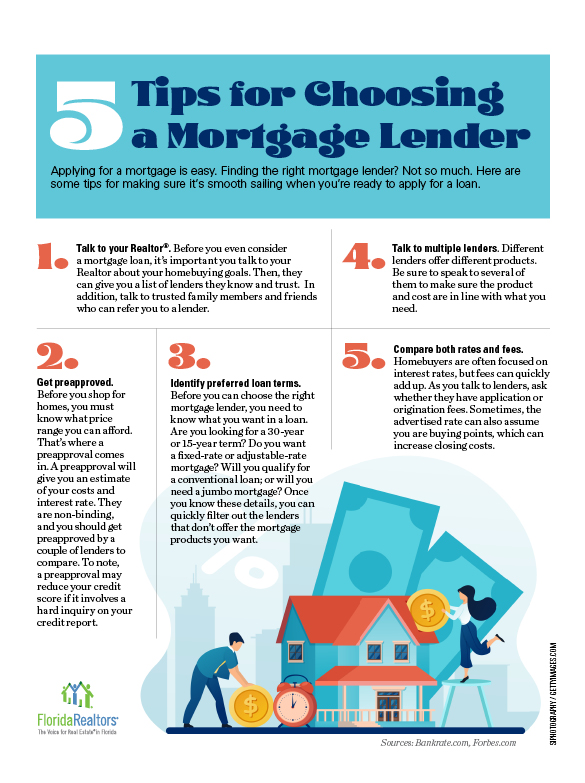
Understanding the Landscape of Mortgage Lenders
Before you begin collecting quotes, you must understand the various types of institutions that facilitate home loans. Each has a different business model, which can impact the rates they offer and the level of service you receive.
Retail Banks and Credit Unions
Traditional retail banks are often the first stop for many homebuyers. These institutions use their own funds to issue loans and often offer “relationship discounts” to existing customers. If you have a long-standing checking or savings account with a major bank, they may waive certain origination fees or offer a slightly lower interest rate.
Credit unions, on the other hand, are member-owned cooperatives. Because they are non-profit entities, they frequently offer more competitive rates and lower fees than commercial banks. However, they may have stricter membership requirements or a slower digital interface compared to modern fintech competitors.
Mortgage Brokers
Mortgage brokers act as intermediaries between you and a multitude of different lenders. Unlike a bank officer who can only offer products from their specific institution, a broker can shop your profile across dozens of wholesale lenders. This can be particularly beneficial for borrowers with unique financial situations, such as the self-employed or those with non-traditional income streams. It is important to note that brokers are typically paid a commission, either by the lender or the borrower, so you must ensure their fee structure is transparent.
Online and Non-Bank Lenders
The rise of fintech has introduced a wave of online lenders that prioritize speed and digital integration. These companies often have lower overhead costs than physical banks, which can translate into lower rates. They excel at rapid pre-approvals and streamlined document uploading. However, the experience can feel impersonal, and you may find it difficult to reach a specific person if a complex issue arises during the underwriting process.
Preparing Your Financial Profile for the Best Rates
Lenders view you through the lens of risk. To secure the most favorable terms, you must present a financial profile that suggests you are a low-risk investment. This preparation should begin months before you actually apply for a loan.
Optimizing Your Credit Score
Your credit score is the single most influential factor in determining your mortgage interest rate. Even a 20-point difference can move you into a different pricing tier. In the context of a 30-year fixed mortgage, a fraction of a percentage point in interest can result in a massive difference in cumulative interest paid. Before shopping, pull your credit reports from all three major bureaus and dispute any inaccuracies. Avoid opening new lines of credit or making large purchases on existing cards in the months leading up to your application.
Managing Your Debt-to-Income (DTI) Ratio
Lenders use the DTI ratio to measure your ability to manage monthly payments. This is calculated by dividing your total monthly debt obligations by your gross monthly income. Most conventional lenders prefer a DTI below 36%, though some programs allow for higher ratios. If your DTI is on the edge, consider paying down high-interest credit card debt or car loans to free up “room” in your budget for the mortgage payment.
The Power of the Down Payment
While it is a myth that you need 20% down to buy a home, the size of your down payment significantly affects your loan options. A larger down payment reduces the lender’s “Loan-to-Value” (LTV) ratio, which can lead to better interest rates and the elimination of Private Mortgage Insurance (PMI). If you are putting down less than 20%, you will need to factor the monthly cost of PMI into your comparisons between lenders, as different companies use different providers with varying rates.
The Art of Comparing Loan Estimates
Once your financial house is in order, the actual “shopping” begins. The federal government has standardized the disclosure process to make it easier for consumers to compare offers. This is done through the Loan Estimate (LE) form. You should aim to receive at least three to five Loan Estimates from different lenders within a short window of time.

Decoding the Loan Estimate
The Loan Estimate is a three-page document that every lender is required to provide within three business days of receiving your application. When comparing these documents, do not look only at the monthly payment. Instead, focus on the “Total Interest Percentage” (TIP) and the “APR.”
The interest rate is the cost of borrowing the principal, but the Annual Percentage Rate (APR) includes the interest rate plus other costs such as points, mortgage broker fees, and other charges you pay to get the loan. The APR is a more accurate reflection of the true cost of the loan. If one lender offers a 6.5% rate with an APR of 6.6%, and another offers 6.3% with an APR of 6.9%, the first lender is actually offering a cheaper loan despite the higher “headline” interest rate.
Understanding Points and Credits
Lenders often give you the option to “buy down” your interest rate by paying discount points at closing. One point typically costs 1% of the loan amount and reduces your interest rate by a specific increment (usually 0.25%). Conversely, you can opt for “lender credits,” where the lender pays some of your closing costs in exchange for a higher interest rate.
Choosing between points and credits depends on your “break-even” point. If you plan to stay in the home for thirty years, paying for points usually saves you more money in the long run. If you plan to move or refinance within five years, taking the credit to reduce upfront costs might be the smarter financial move.
Comparing Lender Fees
Page 2 of the Loan Estimate breaks down closing costs. Some costs, such as government recording fees or appraisals, will be similar across all lenders. However, “Section A: Origination Charges” are fees set by the lender themselves. These include application fees, underwriting fees, and processing fees. These are often negotiable. If Lender A is offering the same rate as Lender B but has $1,500 more in origination charges, you can use Lender B’s estimate as leverage to ask Lender A to match the lower fees.
Critical Questions to Ask Potential Lenders
A mortgage is a long-term relationship, and the “cheapest” lender is not always the best if they cannot close the loan on time. During your shopping process, interview the loan officers to gauge their competence and transparency.
What is the estimated closing timeline?
In a competitive real estate market, the ability to close quickly can make your offer more attractive to sellers. Ask the lender how long their current underwriting process takes. If they are backed up and taking 45 to 60 days to close, you might lose out on a house to a buyer with a lender who can close in 21 days.
What are the lock-in policies?
Interest rates fluctuate daily. A “rate lock” guarantees your interest rate for a specific period, usually 30, 45, or 60 days. Ask if there is a fee for locking in the rate and, more importantly, if there is a “float-down” provision. A float-down allows you to take advantage of lower rates if they drop after you have locked, but before you have closed.
How do you handle communication?
Mortgage applications involve a mountain of paperwork and tight deadlines. Ask who your primary point of contact will be. Will you be talking to a dedicated loan officer, or will you be routed to a general call center? Efficient communication can prevent the stress of last-minute document requests that threaten your closing date.
Finalizing the Decision and Managing the Process
After analyzing the Loan Estimates and interviewing the lenders, you must make a final selection. However, the shopping process does not end with the selection; it ends at the closing table.
The Importance of the Shopping Window
Many borrowers fear that applying with multiple lenders will damage their credit score. However, credit scoring models (FICO and VantageScore) recognize that consumers shop for mortgages. As long as all your mortgage inquiries occur within a 14-to-45-day window, they are typically treated as a single inquiry for scoring purposes. This “shopping window” allows you to be aggressive in seeking the best deal without fear of a significant credit drop.
Reviewing the Closing Disclosure
At least three business days before you sign your final loan documents, the lender must provide a Closing Disclosure (CD). This document summarizes the final terms of your loan. Compare the CD to the initial Loan Estimate you chose. If there are significant increases in fees that were not caused by a change in your circumstances (like a change in loan amount or credit score), the lender may be in violation of “tolerance” rules. Ensure that every fee and rate matches what was promised during the shopping phase.

Staying Financially Static
Once you have chosen a lender and are in the “underwriting” phase, it is vital to maintain a financial vacuum. Do not switch jobs, do not take out a new car loan, and do not move large sums of money between accounts without documentation. Lenders perform a final credit check and employment verification right before closing. Any major change can result in the lender rescinding the offer, forcing you to start the shopping process over in a potentially higher-rate environment.
By approaching the mortgage process as a calculated financial comparison rather than a simple administrative task, you position yourself to secure a loan that supports your broader wealth-building goals. Shopping for a lender requires diligence, a keen eye for fees, and a willingness to negotiate, but the long-term financial rewards make it one of the most productive uses of a homebuyer’s time.
aViewFromTheCave is a participant in the Amazon Services LLC Associates Program, an affiliate advertising program designed to provide a means for sites to earn advertising fees by advertising and linking to Amazon.com. Amazon, the Amazon logo, AmazonSupply, and the AmazonSupply logo are trademarks of Amazon.com, Inc. or its affiliates. As an Amazon Associate we earn affiliate commissions from qualifying purchases.