
Navigating the world of auto insurance can often feel like deciphering a complex financial puzzle. For many, it’s a mandatory expense, a non-negotiable part of vehicle ownership, yet it’s also a critical financial safety net. A car accident, even a minor one, can trigger a cascade of unforeseen costs – from vehicle repairs and medical bills to potential legal fees and lost wages. Adequate auto insurance protection isn’t just a legal requirement in most places; it’s a fundamental pillar of personal financial security.
However, the landscape of auto insurance is vast and competitive. Premiums can vary dramatically between providers, even for identical coverage, influenced by a myriad of factors unique to each driver and vehicle. Simply renewing your policy year after year without exploring alternatives is a common financial oversight that can lead to hundreds, if not thousands, of dollars in unnecessary expenses over time. Savvy financial management demands a proactive approach to shopping for auto insurance, one that balances comprehensive protection with cost-effectiveness.

This guide will equip you with a strategic framework for shopping auto insurance, transforming a potentially daunting task into an empowering financial exercise. We’ll delve into understanding the core components of a policy, effective comparison methodologies, strategies for maximizing discounts, and the importance of regular review. By approaching auto insurance with diligence and financial acumen, you can ensure you’re adequately protected without overpaying, ultimately bolstering your overall financial health.
Understanding Auto Insurance Fundamentals
Before you can effectively shop for auto insurance, a foundational understanding of its components and the factors influencing its cost is essential. This knowledge empowers you to make informed decisions, ensuring you purchase coverage that aligns with your financial capacity and risk profile, rather than merely settling for the cheapest option or blindly adhering to minimum requirements.
Types of Coverage: Liability, Collision, Comprehensive
Auto insurance policies are typically a bundle of various coverage types, each designed to protect against specific financial risks. Understanding these is the first step in tailoring a policy to your needs:
- Liability Coverage: This is the most fundamental and often legally mandated type of coverage. It protects you financially if you’re at fault in an accident, covering damages to other people’s property (Property Damage Liability) and their medical expenses (Bodily Injury Liability). This coverage doesn’t pay for your own car’s repairs or your medical bills. Adequate liability limits are crucial, as a severe accident could easily exceed minimum requirements, leaving you personally responsible for the remainder.
- Collision Coverage: This pays for the damage to your own vehicle if you hit another car, an object (like a tree or pole), or if your car rolls over, regardless of who is at fault. It’s often required if you have a car loan or lease. Given the rising cost of vehicle repairs, collision coverage is a significant component of your premium but offers vital financial protection for your asset.
- Comprehensive Coverage: This protects your vehicle from damages not caused by a collision. This includes theft, vandalism, fire, natural disasters (like hail or floods), falling objects, and hitting an animal. Like collision, it’s often required for financed or leased vehicles and offers broad protection against unforeseen events that could otherwise lead to substantial out-of-pocket expenses.
- Other Important Coverages: Beyond these core types, consider Personal Injury Protection (PIP) or Medical Payments (MedPay) which cover medical expenses for you and your passengers, regardless of fault. Uninsured/Underinsured Motorist Coverage (UM/UIM) is also critical, protecting you if you’re hit by a driver who lacks sufficient insurance or has none at all.
Key Factors Influencing Premiums
Insurance companies assess a multitude of variables when calculating your premium. Being aware of these can help you understand your quotes and potentially identify areas for adjustment:
- Driving Record: A clean driving history with no accidents or traffic violations is the single most significant factor in securing lower rates. Conversely, a history of claims or infractions will elevate your premiums.
- Age and Experience: Younger, less experienced drivers typically face higher rates due to statistical data indicating a higher risk of accidents. Rates tend to decrease as drivers gain experience and age, up to a certain point.
- Vehicle Type: The make, model, year, safety features, and even the color of your car can affect premiums. More expensive cars to repair or replace, or those with higher theft rates, will generally cost more to insure.
- Location: Where you live and park your car significantly impacts your rates. Urban areas with higher traffic density, crime rates, or accident statistics typically result in higher premiums than rural areas.
- Credit Score: In many states, your credit-based insurance score (which is related to but distinct from your standard credit score) is a major factor. A higher score often indicates lower risk to insurers, leading to better rates.
- Mileage: Drivers who put fewer miles on their cars annually often qualify for lower rates, as they have less exposure to accident risk.
Minimum Coverage Requirements vs. Optimal Protection
Every state mandates minimum liability insurance requirements, but these are often woefully inadequate in the event of a serious accident. While opting for minimum coverage might seem like a way to save money upfront, it’s a perilous financial gamble. If you cause an accident and the damages exceed your policy’s limits, you will be personally responsible for the difference, potentially leading to asset forfeiture or wage garnishment. From a financial planning perspective, it’s almost always advisable to purchase coverage limits significantly higher than the state minimums to safeguard your assets and future earnings. Think of insurance as a financial investment in your peace of mind and protection against catastrophic loss.
Strategies for Effective Price Comparison
Once you understand the basic components and cost drivers, the next crucial step is to actively shop around. The competitive nature of the insurance industry means that loyalty can sometimes be costly. A systematic approach to comparing quotes can yield substantial savings without compromising coverage.
Gathering Necessary Information
Before initiating your search, consolidate all pertinent information. This will streamline the quoting process and ensure accuracy across all potential insurers:
- Driver Information: Names, dates of birth, driver’s license numbers, and driving history (including any accidents, tickets, or claims within the last 3-5 years) for all drivers to be insured.
- Vehicle Information: Make, model, year, VIN (Vehicle Identification Number), current mileage, and primary use of each vehicle.
- Current Policy Details: Have your current policy handy to compare coverage types, limits, and deductibles accurately.
- Financial Details: Be prepared to provide information about your credit score (or authorize a soft pull) if your state allows its use in rate calculations.
Utilizing Online Comparison Tools
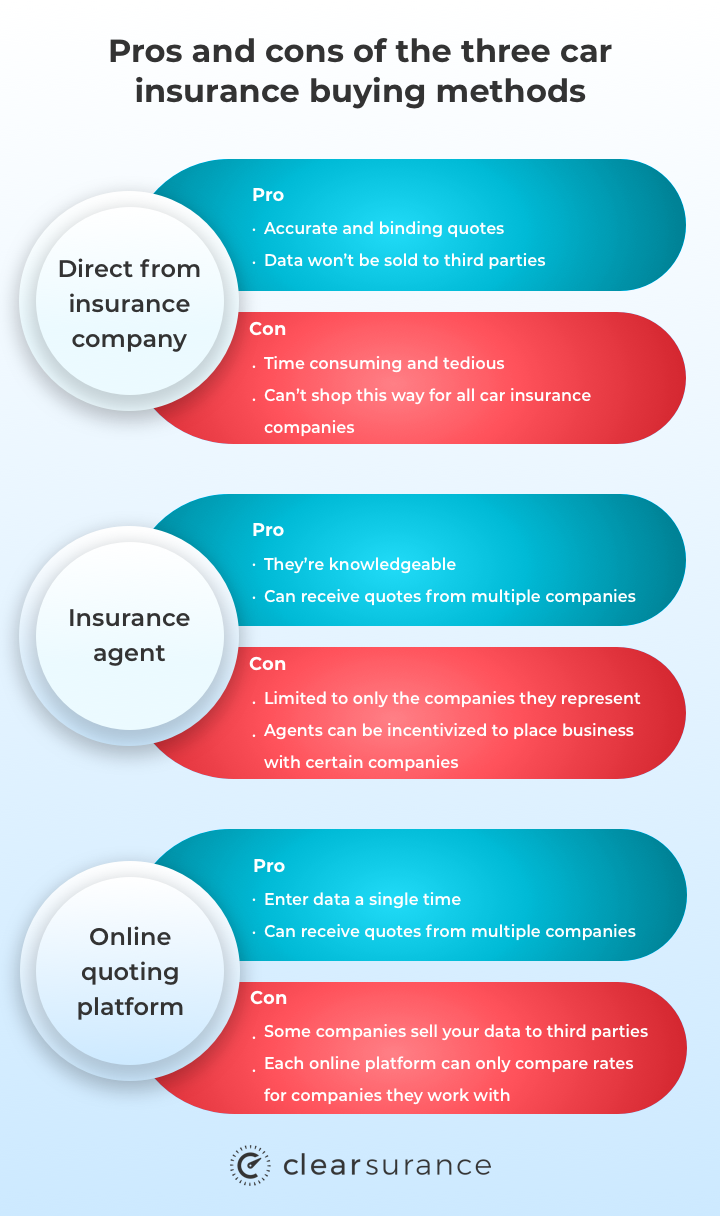
The digital age has brought forth numerous online platforms dedicated to aggregating insurance quotes. Websites that allow you to input your information once and receive multiple quotes from various insurers can save considerable time and effort. These tools provide a quick snapshot of the market, helping you identify which companies might offer the most competitive rates for your profile. While convenient, remember that these tools don’t always include every insurer, especially smaller regional ones, and sometimes the displayed quotes are estimates that require final verification.
Consulting Independent Agents
While online tools are efficient, independent insurance agents offer a personalized approach that can be invaluable. Unlike captive agents who work for a single insurance company, independent agents work with multiple insurers. They can shop various carriers on your behalf, providing tailored advice, explaining complex policy details, and often finding discounts you might not uncover on your own. Their expertise can be particularly beneficial for unique situations or if you prefer a human touch in navigating your options.
Getting Multiple Quotes
Regardless of whether you use online tools, independent agents, or directly contact insurance companies, the golden rule of shopping for auto insurance is to get at least 3-5 quotes. Prices can vary wildly, even for the exact same coverage. Some companies might specialize in insuring certain types of drivers or vehicles, or have different underwriting criteria that result in vastly different premiums. By casting a wide net, you maximize your chances of finding the most financially advantageous policy.
Leveraging Discounts and Maximizing Savings
Beyond comparing base rates, a strategic approach to auto insurance involves actively seeking and qualifying for every possible discount. Insurers offer a myriad of ways to reduce premiums, and being proactive can significantly impact your annual cost.
Common Discount Categories
Many discounts are readily available and can accumulate to substantial savings:
- Multi-Policy Discount: Bundling your auto insurance with other policies from the same insurer (e.g., home, renters, umbrella insurance) is one of the easiest ways to save.
- Good Driver/No Claims Discount: Rewarding drivers with a clean record free of accidents or moving violations for a specified period (e.g., 3-5 years).
- Vehicle Safety Features Discount: Cars equipped with anti-lock brakes, airbags, anti-theft devices, or advanced driver-assistance systems (ADAS) often qualify for discounts.
- Good Student Discount: High school or college students who maintain a certain GPA can often receive a discount.
- Defensive Driver Course Discount: Completing an approved defensive driving course can reduce your premiums, especially for younger or older drivers.
- Low Mileage Discount: If you drive less than a certain number of miles annually, you might be eligible for a discount.
- Payment Discounts: Paying your premium in full upfront, enrolling in automatic payments, or choosing paperless billing can often lead to small but worthwhile reductions.
Always ask insurers about every discount they offer, as they may not proactively list them all.
Adjusting Deductibles
Your deductible is the amount you pay out-of-pocket before your insurance coverage kicks in for collision and comprehensive claims. Choosing a higher deductible (e.g., $1,000 instead of $500) will lower your premium, as you are taking on more of the initial financial risk. This strategy can be an excellent way to save money if you have a robust emergency fund to cover the higher deductible should an accident occur. It’s a risk-reward calculation: lower monthly payments in exchange for a higher immediate financial outlay if you need to file a claim.
Considerations for Usage-Based Insurance
Many insurers now offer telematics programs, often referred to as usage-based insurance (UBI). These programs involve installing a device in your car or using a smartphone app to monitor your driving habits (e.g., mileage, speed, braking, acceleration, time of day driven). Safe drivers who opt into these programs can earn significant discounts. While it involves sharing your driving data, for responsible drivers, UBI can be a powerful tool for reducing premiums based on actual behavior rather than broad statistical averages.
Improving Your Credit Score
As mentioned earlier, your credit-based insurance score is a major factor in determining premiums in many states. A strong credit score signals financial responsibility to insurers, often correlating with fewer claims. Focusing on improving your overall credit health through timely payments, managing debt, and regular credit monitoring can indirectly lead to lower auto insurance rates over time. This highlights the interconnectedness of various aspects of personal finance.
Navigating the Policy Selection Process
Once you have gathered quotes and identified potential discounts, the final stage is to meticulously review and select the policy that best fits your financial and protection needs. This isn’t just about the lowest price; it’s about value, understanding the fine print, and assessing the overall reliability of the insurer.
Reading the Fine Print
An insurance policy is a legal contract. Before signing, dedicate time to reading the policy document thoroughly. Pay close attention to:
- Exclusions: What specific circumstances or events are not covered by your policy?
- Conditions: What are your responsibilities as a policyholder (e.g., reporting accidents promptly, maintaining your vehicle)?
- Endorsements/Riders: Any additional coverages or modifications added to the standard policy.
- Policy Limits: Reconfirm that the liability limits, deductibles, and other coverage amounts match what you discussed and need.
If anything is unclear, do not hesitate to ask your agent or the insurer for clarification. A clear understanding prevents unwelcome surprises during a claim.
Understanding Policy Limits and Exclusions
It’s not enough to simply have “full coverage.” You must understand the specific limits of that coverage. For instance, a liability limit of “25/50/25” means $25,000 for bodily injury per person, $50,000 for bodily injury per accident, and $25,000 for property damage per accident. In today’s economy, these limits can be quickly exhausted in a serious incident. Ensure your chosen limits adequately protect your net worth and potential future earnings. Similarly, be fully aware of any exclusions that might leave you vulnerable, such as specific vehicle modifications not covered or certain driving activities.
Assessing Customer Service and Claims Handling
The true test of an insurance company comes when you need to file a claim. A low premium is less valuable if the claims process is a nightmare or the company is unresponsive. Before committing to a policy, research the insurer’s reputation for customer service and claims handling. Check independent reviews, consumer complaint databases, and financial strength ratings (from agencies like A.M. Best or Standard & Poor’s). A company with a strong track record of efficiently and fairly settling claims offers better financial security and peace of mind.
Reviewing and Updating Your Coverage
Auto insurance isn’t a “set it and forget it” financial product. Life circumstances change, and so do your insurance needs and the market itself. Regular review is a cornerstone of smart financial management.
Annual Policy Review
Make it a habit to review your auto insurance policy at least once a year, preferably before your renewal date. This annual check-up should involve:
- Re-evaluating Coverage Needs: Has your financial situation changed? Do you have more assets to protect? Is your car older and perhaps no longer needs collision/comprehensive coverage?
- Shopping Around Again: Even if you were happy with your current insurer, market rates can shift dramatically. Get new quotes to ensure you’re still getting the best value.
- Confirming Discounts: Ensure all applicable discounts are still being applied.
- Updating Information: Verify that all driver and vehicle information is current.
This proactive approach ensures your policy remains optimized for both protection and cost.
Life Event Triggers for Reevaluation
Certain life events should immediately trigger a review of your auto insurance:
- Buying a New Car: Different vehicles have different insurance costs.
- Selling an Old Car: You might be able to remove it from your policy.
- Adding or Removing a Driver: A new teenage driver, a spouse, or a child moving out can all significantly impact rates.
- Moving to a New Address: Location is a huge factor in premiums.
- Getting Married or Divorced: Marriage can often lead to multi-driver discounts, while divorce will necessitate separate policies.
- Changing Your Commute/Usage: If you start working from home, your annual mileage might drop significantly, qualifying you for lower rates.
- Improving Your Credit Score: If your credit score has seen a significant boost, it’s worth re-quoting your policy.
These moments present opportunities to adjust coverage, apply for new discounts, or seek better rates from competitors.
The Importance of Continuous Coverage
Finally, maintaining continuous auto insurance coverage is paramount for several financial and legal reasons. Gaps in coverage can lead to higher premiums when you eventually seek a new policy, as insurers view drivers with lapses as higher risk. Furthermore, driving without insurance is illegal in most places and carries severe penalties, including fines, license suspension, and even vehicle impoundment. From a financial protection standpoint, driving uninsured leaves you completely vulnerable to the full financial brunt of an accident, a risk no responsible financial planner would advise taking.
By approaching auto insurance with diligence, understanding its financial implications, and committing to regular review, you can secure robust protection for your vehicle and your assets without incurring unnecessary costs. This intelligent shopping strategy is a vital component of sound personal financial management.
aViewFromTheCave is a participant in the Amazon Services LLC Associates Program, an affiliate advertising program designed to provide a means for sites to earn advertising fees by advertising and linking to Amazon.com. Amazon, the Amazon logo, AmazonSupply, and the AmazonSupply logo are trademarks of Amazon.com, Inc. or its affiliates. As an Amazon Associate we earn affiliate commissions from qualifying purchases.