
Starting a business is often portrayed as an exercise in creativity and passion, but the cold reality of entrepreneurship is that a company’s survival depends entirely on its financial architecture. Beyond the initial spark of an idea, the process of setting up a business is a series of strategic financial decisions that determine whether an enterprise will thrive or collapse under the weight of its own overhead. To navigate this journey, an entrepreneur must transition from a visionary to a disciplined financial manager, ensuring that every dollar spent is an investment in future growth.
Establishing the Financial Foundation and Capital Structure
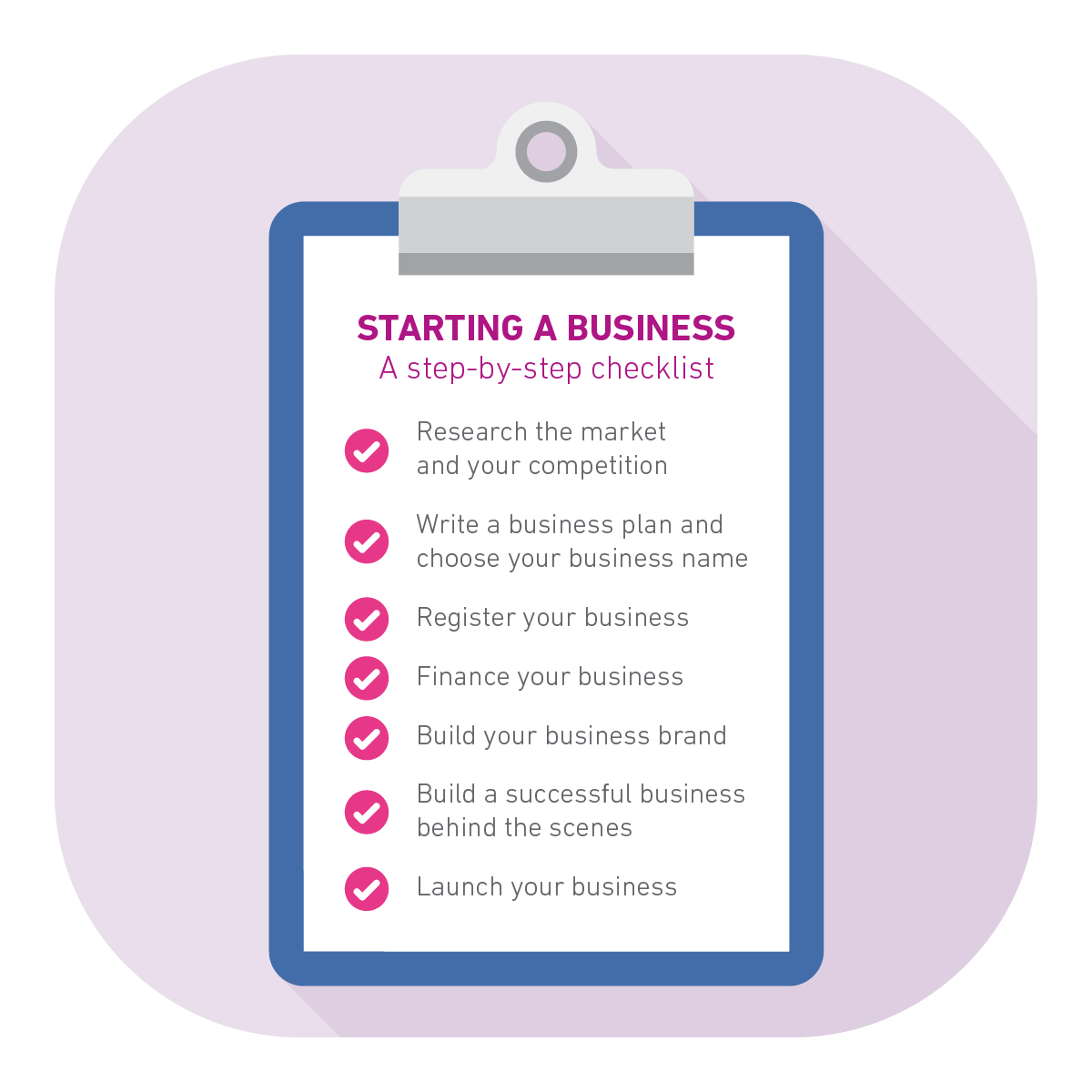
The first step in setting up a business is determining how it will be financed and structured. This decision dictates everything from your personal liability to how much you will pay in taxes and your ability to raise funds in the future.
Bootstrapping vs. External Funding
One of the most critical decisions a founder makes is whether to bootstrap—funding the business through personal savings and early revenue—or to seek external capital. Bootstrapping allows for total control and forces a lean, disciplined approach to spending. However, it can limit the speed of growth. Conversely, external funding through angel investors or venture capital can provide the “jet fuel” needed for rapid scaling, but it comes at the cost of equity and often places the business under intense pressure to meet high-growth benchmarks. For most small to mid-sized setups, a hybrid approach, or starting lean and proving the model before seeking debt or equity financing, provides the most stability.
Choosing the Right Legal Entity for Tax Efficiency
The legal structure of your business—whether it is a Sole Proprietorship, an LLC, an S-Corporation, or a C-Corporation—has profound financial implications. A Sole Proprietorship is the simplest to set up but offers no protection for personal assets. An LLC (Limited Liability Company) provides that protection while allowing for “pass-through” taxation, where business profits are reported on the owner’s individual tax return. For businesses that expect significant profits, electing S-Corp status can be a powerful tool for reducing self-employment taxes. The goal is to choose a structure that minimizes tax drag while maximizing asset protection.
Opening Dedicated Business Banking Channels
A common mistake among new entrepreneurs is the co-mingling of personal and business funds. To set up a business correctly, you must establish separate business banking accounts immediately. This is not just for organizational clarity; it is a legal requirement for maintaining the “corporate veil” that protects your personal assets. A dedicated business account allows for accurate tracking of deductible expenses, simplifies the year-end tax filing process, and provides a clear picture of the company’s actual cash position.
Budgeting for Launch and Managing Initial Burn Rates
Once the structure is in place, the focus shifts to capital allocation. A business without a rigorous budget is essentially flying blind. You must understand not just what it costs to open your doors, but what it costs to keep them open during the months before you reach the break-even point.
Estimating Startup Costs and Working Capital
Startup costs are the one-time expenses required to get the business off the ground, such as permits, initial inventory, website development, and legal fees. However, many entrepreneurs overlook the necessity of “working capital”—the liquid funds required to cover day-to-day operations. A rule of thumb is to have at least six to twelve months of operating expenses in reserve. This runway is vital because it protects the business from the volatility of early-stage revenue and allows the founder to make decisions based on long-term strategy rather than short-term desperation.
Implementing a Lean Financial Strategy
The “Lean Startup” methodology is particularly effective in the financial context. It involves minimizing fixed costs and prioritizing variable costs that scale with revenue. For example, instead of signing a long-term lease for an office, a new business might utilize co-working spaces or remote setups. Instead of hiring a full-time staff, the business might leverage specialized contractors. By keeping the “burn rate”—the rate at which the company spends its capital—low, you extend your runway and increase the likelihood of reaching profitability before funds run dry.
Setting Up a Robust Bookkeeping System
Financial visibility is the cornerstone of business management. Setting up an automated bookkeeping system using modern financial software is essential from day one. This system should track every transaction, categorize expenses, and generate real-time reports such as Profit and Loss (P&L) statements, Balance Sheets, and Cash Flow Statements. Understanding these documents allows you to identify “leaks” in your budget and recognize which products or services are driving the most significant margins.
Revenue Models and Pricing for Long-Term Solvency
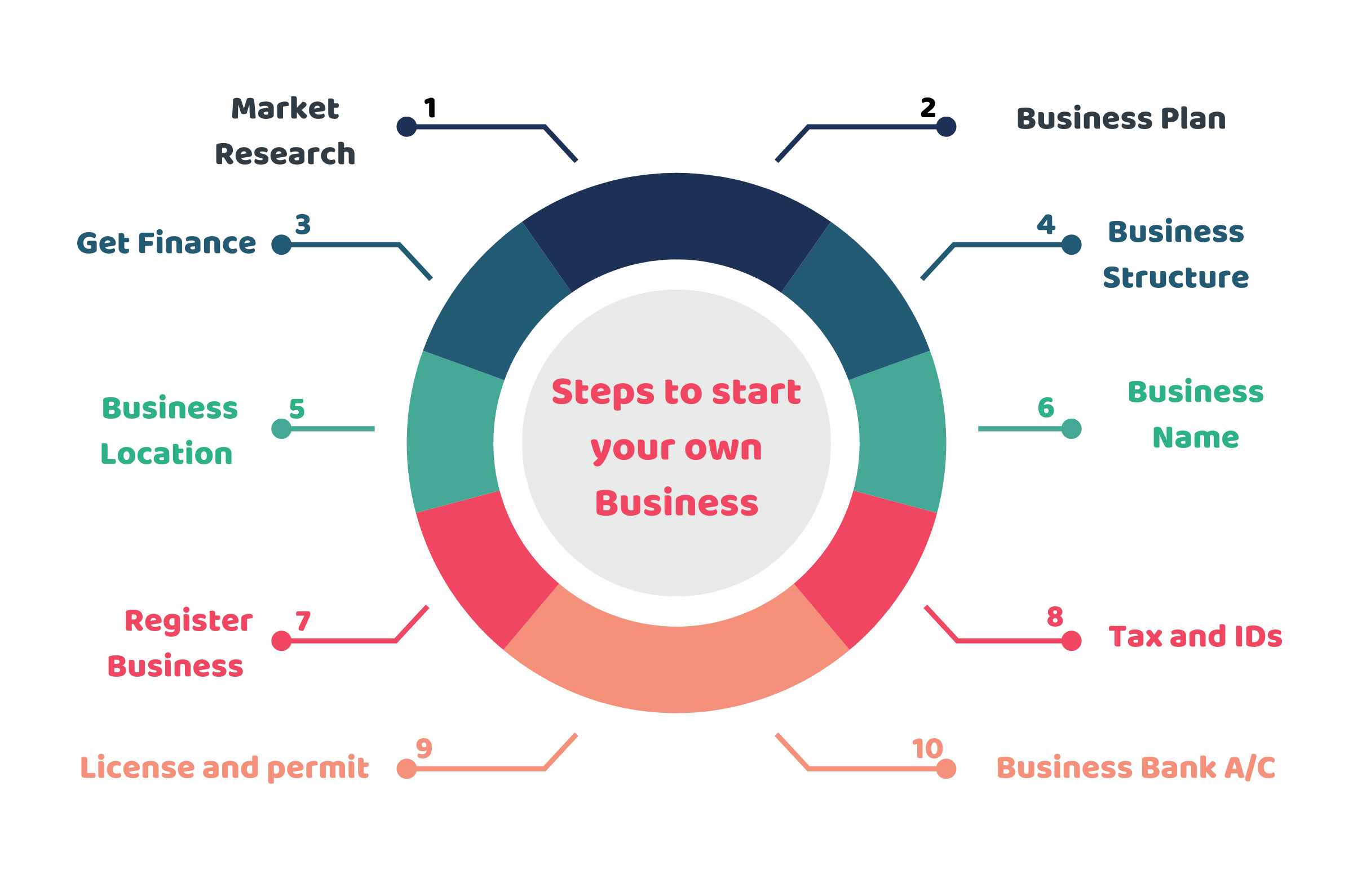
Setting up a business requires a clear path to monetization. A great product is irrelevant if the pricing strategy doesn’t support the overhead or if the revenue model is inconsistent.
Analyzing Market Rates vs. Value-Based Pricing
Pricing is one of the most significant levers for profitability. Many new business owners default to “cost-plus” pricing (adding a margin to their costs) or matching the lowest-priced competitor. However, this often leads to a “race to the bottom” where margins are too thin to support growth. A more sophisticated approach is value-based pricing, which sets prices based on the perceived value to the customer rather than the cost of production. By positioning the business on value rather than price, you can command higher margins that provide the capital necessary for reinvestment.
Diversifying Income Streams
Reliance on a single client or a single revenue stream is a significant financial risk. As you set up your business operations, consider how to create multiple avenues for income. This could include a mix of one-time product sales and recurring subscription models, or offering tiered service packages. Diversification stabilizes cash flow, making the business more resilient to market fluctuations or the loss of a major account.
Managing Accounts Receivable and Cash Flow Gaps
Cash flow is distinct from profit. A business can be profitable on paper but still fail because its cash is tied up in accounts receivable. To prevent this, you must establish clear payment terms. Implementing automated invoicing, requiring upfront deposits, and offering small discounts for early payments can significantly improve your cash conversion cycle. Managing the timing of your outflows (payables) and inflows (receivables) is the difference between a business that feels constant financial pressure and one that operates with ease.
Navigating Tax Obligations and Financial Compliance
As the business begins to generate income, its relationship with the government becomes more complex. Failure to plan for taxes is one of the fastest ways to derail a new enterprise.
Understanding Employment Taxes and Payroll
If your business setup includes employees, you are responsible for more than just their base salary. You must account for employer-side payroll taxes, workers’ compensation insurance, and benefits. These “fully burdened” labor costs can be 20% to 40% higher than the nominal hourly rate or salary. Automating payroll through specialized software ensures that these taxes are withheld and paid correctly, preventing costly penalties from tax authorities.
Leveraging Deductions and Credits
On the flip side, the tax code offers numerous incentives for business owners. Everything from home office deductions and equipment depreciation to research and development credits can be used to lower your taxable income. Working with a tax professional during the setup phase can help you identify these opportunities early. The goal is to legally minimize your tax liability so that more capital remains within the business to fund expansion.
Scaling: Reinvesting Profits for Future Growth
The final stage of setting up a business is preparing for its evolution. Once the model is proven and the cash flow is positive, the challenge shifts from survival to strategic reinvestment.
Assessing the ROI of Business Expansion
Scaling should never be a gut decision; it should be a mathematical one. Before expanding into a new market, hiring a new department, or launching a new product line, you must calculate the projected Return on Investment (ROI). This involves analyzing the Customer Acquisition Cost (CAC) against the Lifetime Value (LTV) of a customer. If the LTV is significantly higher than the CAC, the business has a “unit economic” model that justifies aggressive reinvestment.

Building an Emergency Fund and Exit Strategy
Even as a business grows, it must maintain a “fortress balance sheet.” This means continuing to build a corporate emergency fund that can weather economic downturns. Additionally, setting up a business should always be done with an exit strategy in mind—whether that is an eventual sale, an IPO, or a transition to passive ownership. A business that is financially organized, debt-controlled, and consistently profitable is an asset that holds significant value in the eyes of future buyers or investors.
By focusing on these financial pillars—structure, budgeting, revenue integrity, and tax compliance—you create a business that is not just a project, but a sustainable wealth-generating engine. Success in entrepreneurship is rarely about the best idea; it is about the best financial execution of that idea.
aViewFromTheCave is a participant in the Amazon Services LLC Associates Program, an affiliate advertising program designed to provide a means for sites to earn advertising fees by advertising and linking to Amazon.com. Amazon, the Amazon logo, AmazonSupply, and the AmazonSupply logo are trademarks of Amazon.com, Inc. or its affiliates. As an Amazon Associate we earn affiliate commissions from qualifying purchases.