
In the modern landscape of personal finance, efficiency is the cornerstone of wealth preservation and credit building. Managing multiple credit card accounts can become a logistical challenge, and the consequences of a single missed payment extend far beyond a simple late fee. For Bank of America cardholders, leveraging the platform’s “AutoPay” feature is not merely a convenience; it is a strategic move to safeguard one’s credit score and optimize cash flow. By automating the most critical aspect of debt management—timely repayment—you remove the risk of human error and ensure that your financial health remains on an upward trajectory.
The Strategic Importance of Automation in Financial Management
Before diving into the technical steps of setting up Autopay, it is essential to understand why automation is a non-negotiable tool for serious financial planners. Personal finance is often less about mathematical complexity and more about behavioral consistency. Automating your Bank of America credit card payments ensures that consistency is built into your lifestyle.
Avoiding Late Fees and Penalty APRs
The most immediate benefit of Autopay is the elimination of late payment fees. Currently, late fees can range significantly, often reaching up to $40 for subsequent offenses. However, the more insidious cost is the “Penalty APR.” Many credit card agreements include a clause that allows the issuer to raise your interest rate to a significantly higher percentage (often near 29.99%) if you miss a payment. This can drastically increase the cost of any carried balance. By setting up Autopay, you create an ironclad defense against these unnecessary expenses.
Protecting and Building Your Credit Score
From a long-term wealth perspective, your credit score is one of your most valuable financial assets. Payment history is the single most important factor in calculating your FICO score, accounting for roughly 35% of the total. A single payment that is 30 days late can cause a score to plummet by 60 to 100 points, depending on your current standing. Since a high credit score is the key to securing lower mortgage rates and better insurance premiums, the “set it and forget it” nature of Autopay serves as a primary driver of financial mobility.
Step-by-Step Guide to Setting Up Autopay with Bank of America
Bank of America offers a robust digital banking suite that allows for precise control over how and when your payments are processed. Whether you prefer using a desktop interface or the mobile app, the process is designed to be intuitive, provided you understand the specific terminology used by the institution.
Navigating the Online Banking Portal
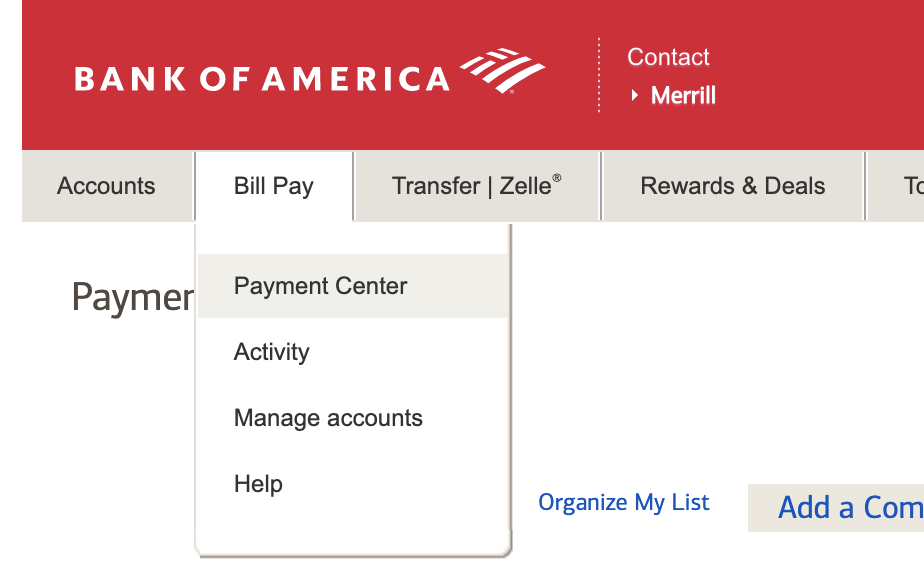
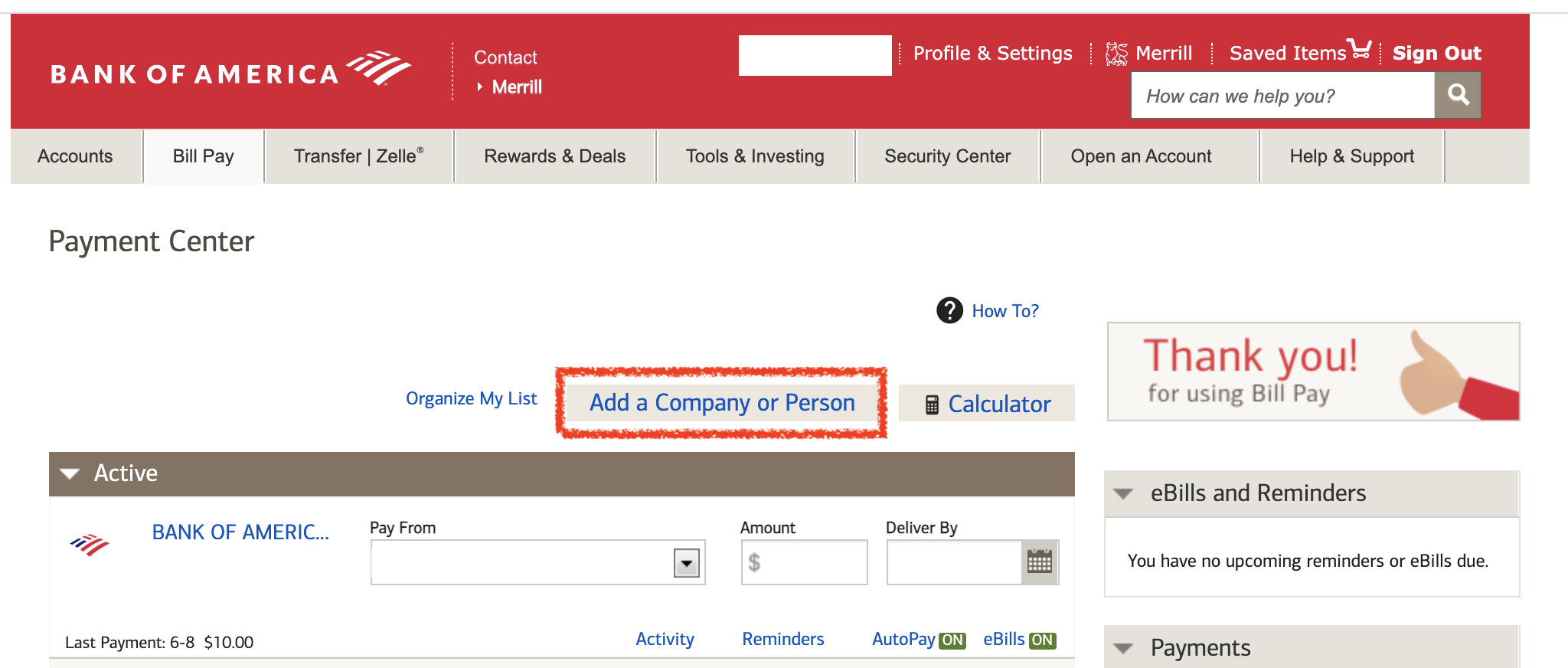
To begin the process on a desktop, log in to the Bank of America Online Banking portal. Once on the dashboard, navigate to the “Bill Pay” tab. If you have not yet added your credit card as a “payee,” you will need to ensure it is linked to your checking or savings account.
-
Select the Account: Choose the specific credit card you wish to automate.
-
Locate AutoPay: Look for the link labeled “Set Up AutoPay” or “Manage AutoPay” located near the payment options for that specific card.
-
Link the Funding Source: You will be prompted to select which account the funds should be withdrawn from. While using a Bank of America checking account is the most seamless experience, you can also link external accounts from other financial institutions.
Configuring Settings via the Mobile App
For those who manage their finances on the go, the Bank of America mobile app provides a streamlined version of this process. After logging in with your biometric data or passcode:
-
Tap on the specific credit card account from the home screen.
-
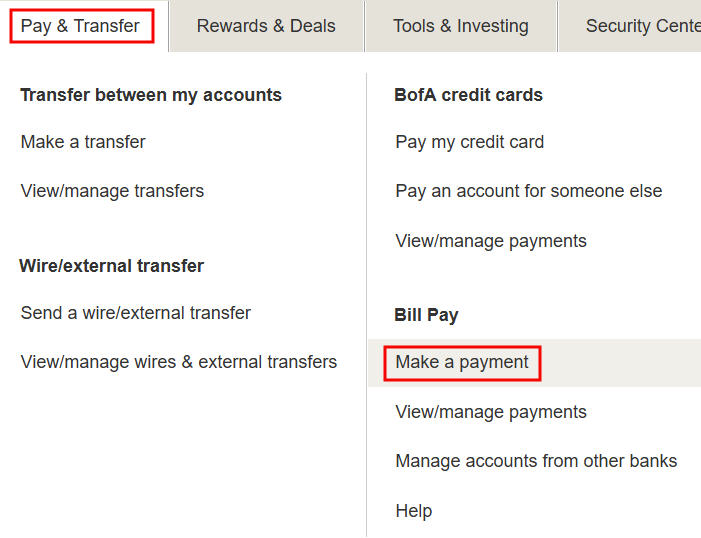
Scroll down to the “Payment Center” or tap “Make a Payment.”
-
Select the “AutoPay” option.
-
Follow the prompts to toggle the service to “On” and define your payment parameters.
Choosing the Right Payment Amount
One of the most critical decisions in the setup process is determining the amount to be paid automatically. Bank of America typically offers three primary options:
-
Minimum Amount Due: This ensures you are never “late,” but it is the least efficient way to manage debt. If you only pay the minimum, you will likely incur high interest charges on the remaining balance.
-
Statement Balance: This is the gold standard for financial health. Paying the full statement balance each month ensures you never pay a dime in interest while maximizing your credit score benefits.
-
Fixed Amount: This allows you to set a specific dollar amount (e.g., $500). If the fixed amount is less than the minimum due in a given month, Bank of America will usually adjust the payment upward to meet the minimum requirements, though you should verify this during the setup.
Optimizing Your Cash Flow Strategy with Autopay
Setting up the technical side of Autopay is only half the battle. To truly master your money, you must integrate this automation into a broader cash flow strategy. Automation without oversight can lead to liquidity issues, such as overdrafts.
Aligning Payment Dates with Income Cycles
A common mistake in personal finance is having a large credit card payment due just days before a paycheck arrives. Bank of America allows users to request a change in their “Statement Closing Date.” By aligning your credit card due date with your primary income dates (e.g., the 1st or 15th of the month), you ensure that the funds are available in your checking account when the Autopay triggers. This synchronization reduces the stress of monitoring account balances daily and minimizes the risk of a “failed payment” due to insufficient funds.
The Buffer Method: Ensuring Sufficient Funds
While Autopay is designed to be hands-off, the responsible financial manager always maintains a “cash buffer.” This is a predetermined amount of money—usually equal to one month’s worth of expenses—that stays in the checking account at all times. By maintaining this buffer, you ensure that even if an unusually high credit card bill is processed via Autopay (perhaps due to an unplanned emergency expense), your account will not dip into the negative. This layer of protection turns Autopay from a potential risk into a reliable tool for wealth management.
Troubleshooting and Security Considerations
Even the most sophisticated automated systems require periodic check-ins. Trusting the system is important, but verifying its performance is essential for maintaining total control over your financial life.
Monitoring for Discrepancies and Fraud
One potential downside of Autopay is that it can lead to “financial complacency.” If you never look at your statements because the bills are paid automatically, you might miss fraudulent charges or billing errors. It is recommended to set up “Transaction Alerts” alongside Autopay. Bank of America can send a push notification or email every time a purchase over a certain amount is made. This allows you to reap the benefits of automated payments while remaining vigilant against unauthorized activity.
Handling Failed Payments and System Updates
Occasionally, an Autopay setup might fail due to an expired debit card (if using an external funding source) or a technical glitch during a bank merger or system update. It is a best practice to log in to your account at least once a month, roughly three days after your scheduled payment date, to confirm that the transaction was successfully processed. If a payment fails, contact Bank of America’s customer service immediately. Often, if you have a history of on-time payments, they will waive any resulting fees if you rectify the situation within 24 hours.
Beyond Autopay: Integrating Credit Management into Your Wealth Plan
Autopay is a foundational step, but it should exist within a larger ecosystem of financial tools. To move from financial stability to true wealth, consider how your credit card usage reflects your overall business or personal finance goals.
For example, many Bank of America cards are tied to the “Preferred Rewards” program. By automating your payments and maintaining a healthy balance in your linked accounts, you can climb the tiers of this program, which offers credit card rewards bonuses ranging from 25% to 75%. In this context, Autopay isn’t just about paying a bill; it’s about maintaining the account standing necessary to maximize the “return on spend” that high-tier rewards cards provide.
Furthermore, as you refine your side hustles or business ventures, the discipline learned through personal account automation can be scaled. The same principles of aligning cash flow and automating liabilities apply to corporate credit lines and vendor payments. By mastering “How to set up autopay for a BOA credit card” today, you are essentially training yourself in the systems-based thinking required for sophisticated financial engineering and long-term capital growth.
Ultimately, the goal of financial automation is to reclaim your time. By removing the administrative burden of manual bill pay, you free up mental bandwidth to focus on higher-level financial activities, such as investment analysis, career development, or expanding your income streams. Autopay is the silent engine that keeps your credit reputation pristine while you focus on building your future.
aViewFromTheCave is a participant in the Amazon Services LLC Associates Program, an affiliate advertising program designed to provide a means for sites to earn advertising fees by advertising and linking to Amazon.com. Amazon, the Amazon logo, AmazonSupply, and the AmazonSupply logo are trademarks of Amazon.com, Inc. or its affiliates. As an Amazon Associate we earn affiliate commissions from qualifying purchases.