
In the contemporary financial landscape, the velocity of capital movement has become a defining factor in personal and business success. As we transition further away from a cash-based economy, digital wallets and peer-to-peer (P2P) payment platforms have evolved from mere conveniences into essential financial tools. Among these, Venmo stands as a titan, bridging the gap between social interaction and fiscal management.
For the modern consumer or small business owner, setting up a Venmo account is more than just downloading an app; it is an exercise in optimizing one’s financial workflow. This guide explores the strategic setup of a Venmo account through the lens of personal finance, focusing on security, liquidity management, and the integration of digital tools into a broader wealth-management strategy.
Understanding Venmo as a Strategic Financial Tool
Before diving into the technicalities of account creation, it is crucial to understand where Venmo sits within your financial ecosystem. Unlike a traditional savings account designed for long-term capital appreciation, Venmo serves as a transactional layer—a digital “grease” that facilitates the smooth exchange of value in daily life.
The Role of P2P Apps in Modern Budgeting
In a traditional budgeting model, tracking small, interpersonal expenses—such as splitting a dinner bill or sharing the cost of a gift—often resulted in “leakage.” These small outlays are frequently forgotten in manual ledgers. Venmo solves this by providing a transparent, real-time ledger of micro-transactions. By setting up an account, you gain the ability to categorize these social expenses, ensuring that your monthly cash flow analysis remains accurate.
Digital Wallets vs. Traditional Banking
It is a common misconception that digital wallets are replacements for banks. In a professional financial strategy, Venmo acts as a secondary liquidity pool. While your primary bank remains the fortress for your core assets, Venmo allows for high-velocity movements of smaller sums. Understanding this distinction is vital for maintaining a healthy balance between your long-term investments and your immediate operational capital.
Step-by-Step Setup: Integrating Venmo into Your Financial Workflow
Setting up your account correctly from the outset ensures that your financial data remains secure and your transfers remain uninterrupted. The process is a sequence of identity verification and banking integration.
Initial Registration and Profile Verification
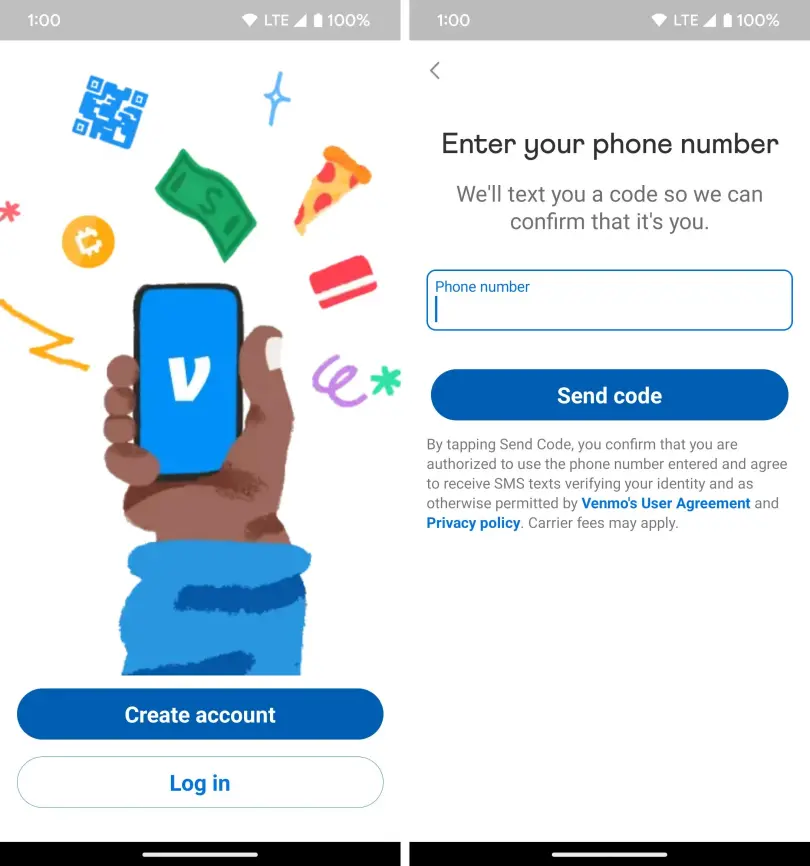
To begin, download the application on a secure mobile device. You will be prompted to choose between a personal and a business account. For most individuals, a personal account is the starting point. You will need to provide basic KYC (Know Your Customer) information, including your legal name, email address, and phone number.
From a professional finance perspective, it is advisable to use an email address dedicated to financial services. This centralizes your digital paper trail and adds a layer of separation from your social or junk mail, making it easier to audit your transactions during tax season or when reviewing your monthly budget.
Linking Banks and Managing Liquidity
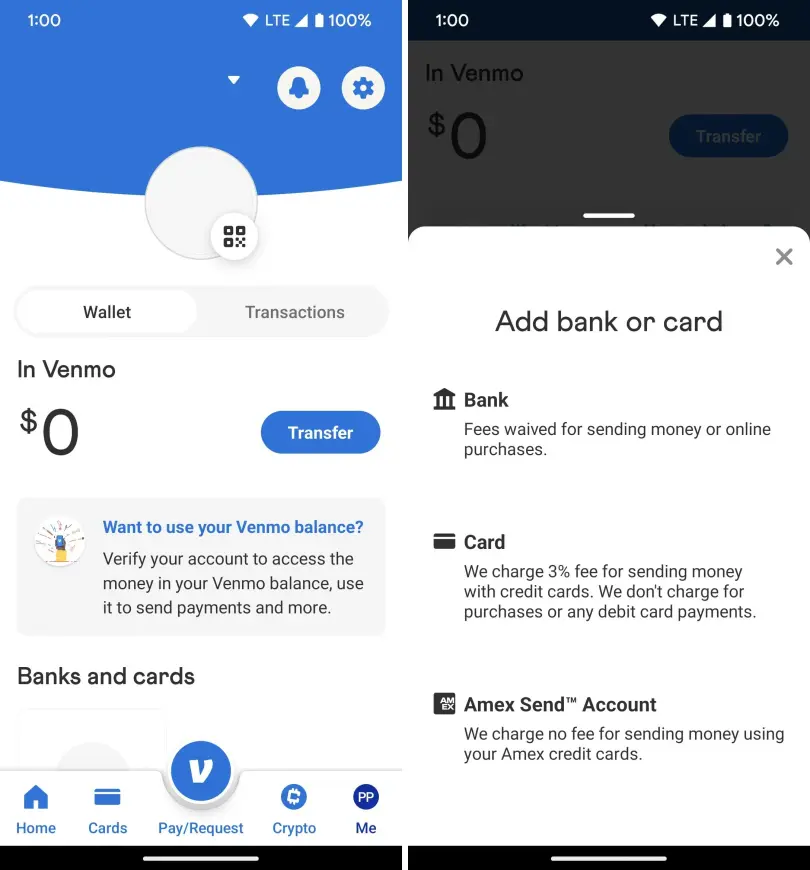
The “engine” of your Venmo account is the linked funding source. You have three primary options: a bank account, a debit card, or a credit card.
- Bank Account (Recommended): Linking via a routing and account number is the most cost-effective method for transferring large sums. It avoids the transaction fees often associated with other methods.
- Debit Card: This provides the fastest way to “pull” money for payments, though it may be subject to different bank-side limits.
- Credit Card: While convenient, using a credit card for Venmo transactions usually incurs a 3% fee. From a wealth-management standpoint, this is generally discouraged unless the rewards or points earned significantly outweigh the fee—a rarity in P2P transactions.
Security Protocols for Asset Protection
Because Venmo is directly linked to your liquid assets, security is paramount. During setup, you must enable multi-factor authentication (MFA). Furthermore, utilizing biometric locks (FaceID or Fingerprint) adds a physical layer of security to your digital funds. Professionals should also navigate to the “Privacy” settings immediately. While Venmo’s social feed is a hallmark of the app, many financial experts recommend setting your default transaction privacy to “Private.” This ensures that your spending habits and financial associations are not visible to the public or unwanted data scrapers.
Maximizing Venmo for Business and Side Hustles
For entrepreneurs and freelancers, Venmo has evolved beyond personal use. The platform now offers dedicated business profiles that allow for professional branding and tax-compliant transaction tracking.
Personal vs. Business Profiles
If you are using Venmo to receive income from a side hustle or a small business, creating a formal Business Profile is a non-negotiable step. A business profile allows you to accept payments for goods and services legally under Venmo’s terms of service. It also provides you with a unique QR code for touchless payments and allows you to appear in the app’s “Business Search,” providing a minor but effective marketing channel.
Managing Tax Implications and Record Keeping
One of the most significant advantages of using a professional Venmo setup is the ease of tax reporting. For accounts that meet certain thresholds, Venmo issues a Form 1099-K. By keeping your business and personal transactions separate through distinct profiles, you simplify your year-end accounting. This clarity is essential for maximizing deductions and ensuring you remain in good standing with the IRS.
Advanced Financial Features: Cards and Crypto
As Venmo has matured, it has expanded its suite of financial products to include debt instruments and asset diversification tools. Integrating these into your account setup can provide additional utility for your capital.
The Venmo Debit Card and Cash Back Strategies
Once your account is active, you can apply for a Venmo Debit Card. This card spends your Venmo balance directly anywhere Mastercard is accepted. The financial benefit here lies in the “Rewards” program. Many retailers offer automated cash-back incentives when using the Venmo card. For a savvy budgeter, this represents a “frictionless” way to earn a small return on necessary daily spending. Unlike traditional credit card rewards, these are often deposited directly back into your liquid balance, providing immediate utility.
Diversifying with Cryptocurrency
Venmo now allows users to buy, sell, and hold cryptocurrencies like Bitcoin and Ethereum directly within the app. While this should not replace a dedicated cold-storage solution for serious investors, it offers an accessible entry point for those looking to allocate a small percentage of their discretionary income to digital assets. The ability to buy as little as $1 of crypto makes it an excellent tool for “dollar-cost averaging” without the complexity of traditional crypto exchanges.
Best Practices for Financial Security and Etiquette
Setting up the account is only the beginning. Maintaining the integrity of your financial tool requires ongoing vigilance and an understanding of the P2P landscape.
Protecting Your Capital from Scams
The speed of P2P transfers is both a benefit and a risk. Transactions on Venmo are generally irreversible. As part of your financial discipline, never send money to individuals you do not know personally, and never use Venmo for high-value transactions with strangers (such as buying a car via a classified ad) unless using the official “Goods and Services” protection feature. Scammers often exploit the “instant” nature of the platform; once the money is sent, it is effectively gone from your balance.
Privacy Settings and Transaction Transparency
From a personal finance perspective, data privacy is a form of asset protection. By keeping your transactions private, you prevent social engineering attacks where bad actors might use your payment history to verify your identity or target you with phishing attempts. Furthermore, clear transaction memos (e.g., “August Rent” instead of an emoji) serve as an invaluable audit trail should you ever need to prove payment to a landlord or a service provider.
Conclusion: The Future of Your Digital Ledger
Setting up a Venmo account is a foundational step in modernizing your approach to money. By treating the platform not just as an app, but as a strategic component of your financial toolkit, you can increase your transactional efficiency, secure your liquid assets, and even explore new avenues for income and investment.
As the boundaries between social interaction and financial transactions continue to blur, those who master these tools will be best positioned to navigate the complexities of the digital economy. Whether you are splitting a coffee or managing a burgeoning freelance business, a properly configured Venmo account ensures that your capital moves with the same speed and intelligence as your life requires.
aViewFromTheCave is a participant in the Amazon Services LLC Associates Program, an affiliate advertising program designed to provide a means for sites to earn advertising fees by advertising and linking to Amazon.com. Amazon, the Amazon logo, AmazonSupply, and the AmazonSupply logo are trademarks of Amazon.com, Inc. or its affiliates. As an Amazon Associate we earn affiliate commissions from qualifying purchases.