
Understanding the Basics of a Donor Advised Fund (DAF)
A Donor Advised Fund (DAF) represents an increasingly popular and powerful philanthropic vehicle for individuals, families, and corporations looking to streamline their charitable giving. Essentially, a DAF is a charitable giving account established at a public charity, known as a sponsoring organization. Donors make an irrevocable contribution of assets to the DAF, receive an immediate tax deduction, and then recommend grants from their fund to qualified public charities over time. This separation of the tax deduction from the actual grant-making provides significant flexibility and strategic advantages for financial planning.
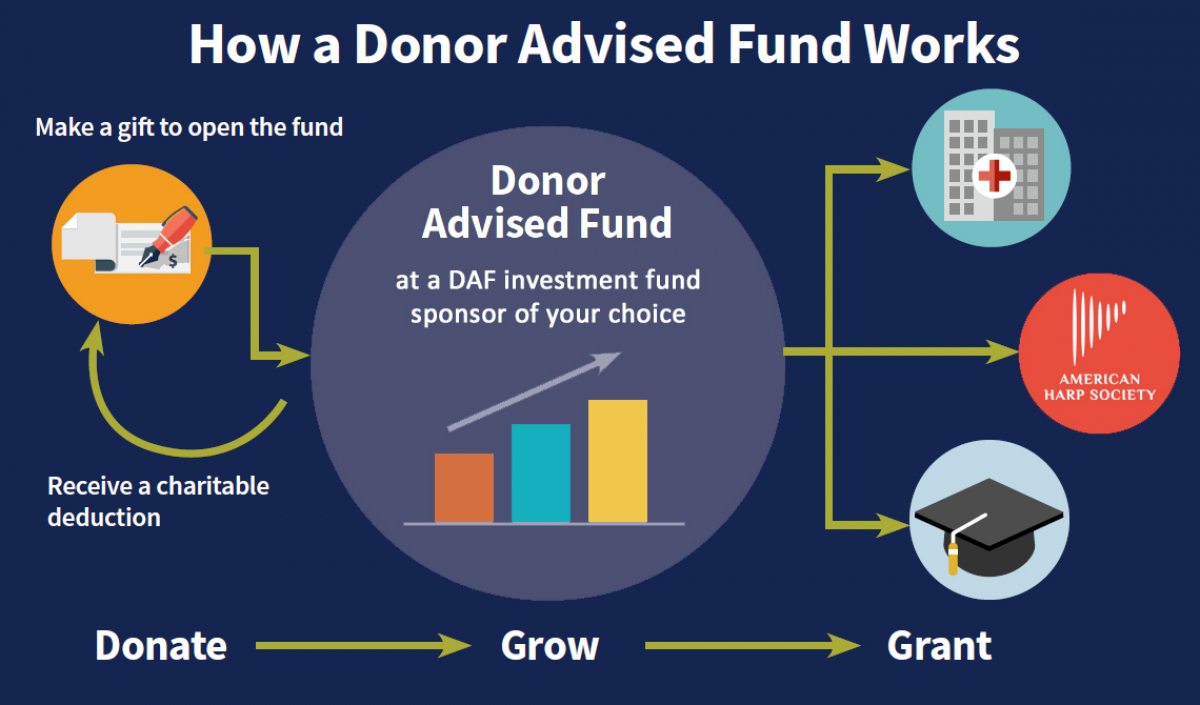
What is a DAF?
At its core, a DAF is an investment account dedicated solely to charitable purposes. When you contribute cash, securities, or other assets to a DAF, you are no longer the legal owner of those assets; they become the property of the sponsoring organization. However, you retain advisory privileges, recommending how and when grants are made from your fund to eligible charities. The assets held within the DAF can be invested, allowing them to grow tax-free over time, potentially increasing the total amount available for charitable giving. This structure makes DAFs distinct from simply writing a check to a charity or setting up a private foundation, offering a blend of simplicity, tax efficiency, and philanthropic control.
Key Benefits of a DAF
The allure of DAFs lies in their multifaceted benefits, making them an attractive option for many philanthropists. From a financial perspective, one of the most significant advantages is the immediate tax deduction. Donors can claim a deduction for the full amount of their contribution in the year it is made, even if the grants to charities are distributed over many subsequent years. This can be particularly useful for those who experience a high-income year or a significant liquidity event, allowing them to front-load their charitable giving and maximize tax savings.
Beyond the immediate tax benefits, DAFs offer unparalleled flexibility. Donors can recommend grants at their own pace, adapting their giving strategy to evolving personal interests or pressing societal needs without the pressure of an annual distribution requirement often associated with private foundations. This allows for thoughtful, long-term philanthropic planning. Furthermore, DAFs simplify record-keeping; donors receive a single tax receipt from the sponsoring organization, rather than managing multiple receipts from various charities. The option for anonymity in giving is another key feature, allowing donors to support causes without public recognition if they choose.
How DAFs Compare to Other Giving Methods
When evaluating charitable giving options, DAFs often stand out in comparison to direct cash donations and private foundations. Direct cash donations are straightforward but offer no investment growth potential for your charitable dollars and require you to itemize deductions for each gift. DAFs provide a similar tax deduction but with the added benefit of investment growth and simplified administration.
Private foundations, while offering the highest degree of control and often serving as a significant legacy vehicle, come with considerable administrative burdens, including legal formation, annual compliance, staffing, and a mandatory 5% annual distribution of assets. DAFs offer many of the benefits of a private foundation—such as a dedicated giving vehicle and multi-year grant-making—without the associated costs and complexities, making them a more accessible entry point for substantial, strategic philanthropy. For most donors seeking a balance of impact, control, and efficiency, a DAF presents a compelling middle ground.
Choosing the Right Sponsoring Organization
The effectiveness and experience of your Donor Advised Fund largely depend on the sponsoring organization you select. These organizations act as the administrators and custodians of your fund, providing the investment platforms, charitable expertise, and grant-making infrastructure. Thorough due diligence is crucial to ensure your chosen partner aligns with your philanthropic goals and financial preferences.
Types of Sponsoring Organizations
There are three primary categories of sponsoring organizations, each with distinct characteristics:
- Community Foundations: These are independent, public charities focused on specific geographic areas. They often have deep expertise in local community needs, strong relationships with local non-profits, and may offer unique opportunities for collective giving or impact investing within their region. If your primary philanthropic focus is local, a community foundation could be an excellent fit.
- National Commercial DAF Providers: Organizations like Fidelity Charitable, Schwab Charitable, and Vanguard Charitable are affiliated with financial services firms. They are known for their broad investment options, user-friendly online platforms, competitive fee structures, and nationwide reach. They are often favored by donors who prioritize investment flexibility and digital convenience.
- Single-Issue or Single-Charity DAFs: These funds are often established by large public charities (e.g., universities, hospitals, environmental organizations) to allow donors to support their specific mission or a focused area of need. While they offer a direct connection to a cause, their investment options and grant-making flexibility to other charities might be more limited.
Factors to Consider in Selection
When evaluating potential sponsoring organizations, several key factors should guide your decision:
- Minimum Contribution Requirements: DAFs typically have minimum initial contribution amounts to open an account, which can range from a few thousand dollars to significantly more, particularly with some community foundations. Ensure the minimum aligns with your giving capacity.
- Grant Minimums and Frequencies: Understand the minimum amount you can recommend for a grant and any restrictions on the frequency of grants.
- Investment Options: Assess the range and quality of investment choices. Do they offer diverse portfolios, socially responsible investing options, or the ability to recommend your own financial advisor to manage the assets?
- Customer Service and Expertise: Evaluate the level of support provided. Do they offer dedicated philanthropic advisors, readily available customer service, and resources for understanding charitable giving?
- Online Platform and Tools: For many, the ease of managing the DAF online is critical. Look for intuitive dashboards, simple grant recommendation processes, and robust reporting.
- Mission Alignment: Especially with community foundations, consider if their mission and expertise resonate with your philanthropic interests.
Fees and Investment Options
All DAF sponsoring organizations charge administrative fees to cover their operational costs. These fees are typically a percentage of the assets under management (AUM) and can vary based on the fund’s size, with larger funds often benefiting from lower percentage fees. Beyond administrative fees, you will also incur investment management fees for the underlying funds within your DAF portfolio.
It’s crucial to compare the total fee structure across providers. A seemingly small difference in percentage points can amount to significant dollars over time, impacting the ultimate charitable impact of your fund. Review the offering memorandums carefully to understand all charges. Regarding investment options, look for a diversified menu that includes various asset classes (equities, fixed income, alternatives) and management styles. Some providers allow external investment advisors to manage funds above a certain threshold, which can be beneficial if you have an established relationship with an advisor.
The Step-by-Step Process of Opening Your DAF
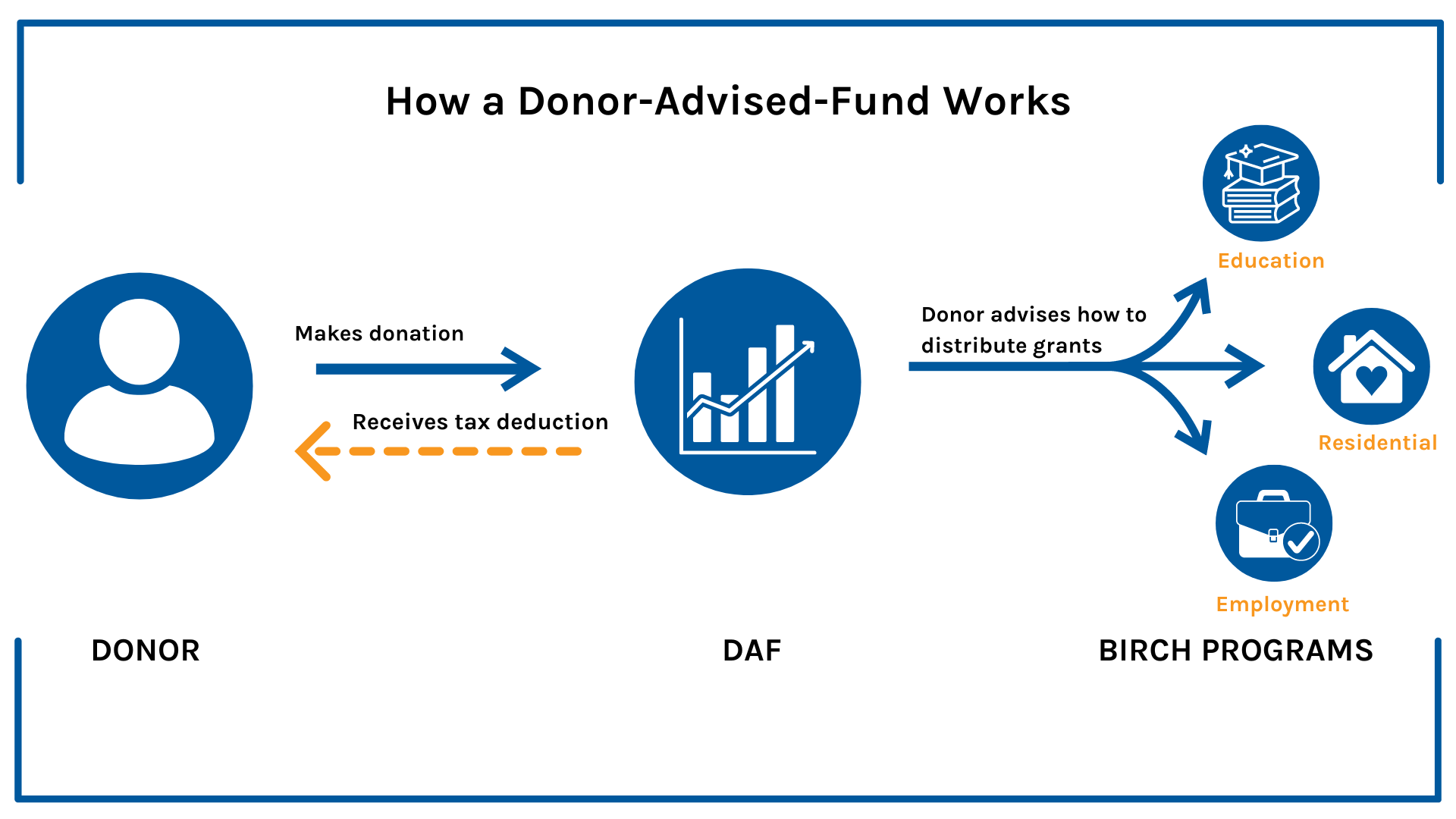
Once you’ve selected a sponsoring organization, the process of establishing your Donor Advised Fund is generally straightforward, designed to be as seamless as possible.
Initial Application and Funding
The first step is to complete an application provided by your chosen sponsoring organization. This typically involves providing personal information, selecting a fund name, and designating initial beneficiaries or areas of interest. You will then contribute assets to your new DAF. While cash is the simplest form of contribution, donating appreciated non-cash assets, such as publicly traded securities, privately held stock, real estate, or even cryptocurrency, is often more tax-efficient. By donating appreciated assets directly to the DAF, you avoid capital gains tax on the appreciation, and the full market value of the assets is eligible for a charitable deduction. The sponsoring organization handles the liquidation of these assets into cash, which is then invested according to your selections.
Naming and Successor Planning
A significant aspect of setting up your DAF is deciding on its name. This can be a personal name (e.g., “The Smith Family Charitable Fund”), an anonymous name, or a name reflecting a particular cause or memory. The fund’s name can evolve into a lasting legacy. Equally important is planning for successor advisors. Most DAF agreements allow you to designate individuals (e.g., children, grandchildren, trusted friends) who will take over the advisory role upon your passing. This ensures your philanthropic vision can continue for generations. If no successor is named, or if the line of succession ends, the sponsoring organization typically distributes the remaining funds to charities based on your general recommendations or their own mission.
Investment Allocation
Upon funding your DAF, you will need to select an investment strategy for your contributions. Sponsoring organizations offer a range of investment portfolios, from conservative money market funds to aggressive growth portfolios composed of various equity and fixed-income options. You’ll typically choose from pre-established diversified portfolios tailored to different risk tolerances and time horizons. The goal is to grow your charitable assets tax-free, maximizing the amount available for future grants. Consider your long-term philanthropic goals and the time horizon over which you anticipate making grants when making these investment choices. You can often adjust your investment allocation periodically as market conditions or your financial outlook changes.
Managing and Granting from Your DAF
Once your Donor Advised Fund is established and funded, the ongoing management involves making grant recommendations and potentially adding future contributions. This phase highlights the DAF’s flexibility and ease of use.
Making Grant Recommendations
The core function of a DAF is to recommend grants to qualified public charities. Most sponsoring organizations provide an intuitive online portal where you can research eligible charities (they typically conduct their own vetting to ensure 501(c)(3) status), specify the grant amount, and choose whether the grant should be made anonymously or in your name. You can recommend grants to virtually any legitimate public charity in good standing, including schools, religious institutions, hospitals, and environmental organizations. The sponsoring organization reviews your recommendation to ensure the recipient charity qualifies and then issues the check or electronic transfer on your behalf. This streamlined process eliminates the need for you to manage individual checks, donor records, and acknowledgements.
Understanding Granting Policies
While DAFs offer significant flexibility, it’s important to understand the sponsoring organization’s specific granting policies. There might be minimum grant amounts (e.g., $50 or $250 per grant), and some organizations may have policies against granting to certain types of organizations or for specific purposes (e.g., political lobbying, private benefit). Additionally, while you advise on grants, the sponsoring organization retains final legal discretion over distributions to ensure compliance with charitable giving regulations. This is standard practice and protects the DAF’s public charity status. It’s rare for a recommendation to be declined unless there’s a compliance issue or the recipient isn’t a qualified public charity.
Adding Future Contributions
A DAF is not a one-time funding vehicle; it’s designed for ongoing charitable giving. You can add to your fund at any time, with each subsequent contribution providing an immediate tax deduction in the year it’s made. This flexibility allows you to contribute when it’s most financially advantageous—for instance, during years of high income, after selling appreciated assets, or upon receiving a bonus. Just like the initial contribution, future contributions can be made with cash or appreciated non-cash assets, allowing you to continually optimize your tax planning while fueling your philanthropic endeavors. Many donors use DAFs as a regular part of their annual giving strategy, accumulating funds that can then be strategically deployed to impact various causes.
Tax Implications and Financial Planning
The financial and tax advantages are often the primary motivators for establishing a Donor Advised Fund, making it a critical tool in a comprehensive financial plan.
Immediate Tax Deductions
One of the most attractive features of a DAF is the ability to receive an immediate income tax deduction in the year you make a contribution. This deduction is generally limited to 50% of your adjusted gross income (AGI) for cash contributions and 30% of your AGI for appreciated non-cash assets. Any unused portion of the deduction can typically be carried forward for up to five subsequent tax years. This front-loading of the deduction allows donors to strategically manage their taxable income, particularly in years where they anticipate higher earnings or significant capital gains. For those who itemize deductions, a DAF can significantly reduce their tax liability while simultaneously setting aside funds for future charitable impact.
Avoiding Capital Gains Tax
Beyond the income tax deduction, DAFs offer a powerful mechanism to avoid capital gains tax on appreciated assets. When you donate highly appreciated stock, mutual fund shares, or other non-cash assets directly to a DAF, you avoid paying the capital gains tax that would be due if you sold those assets yourself. The full fair market value of the appreciated asset is then used to calculate your charitable deduction. This means you effectively get a deduction for the amount you would have paid in capital gains tax, plus a deduction for the original cost basis. This strategy makes DAFs exceptionally beneficial for individuals with substantial unrealized gains in their investment portfolios, allowing them to turn potential tax liabilities into greater charitable impact.

Integrating DAFs into Your Estate Plan
Donor Advised Funds are also valuable tools for legacy planning and can seamlessly integrate into your broader estate plan. You can designate your DAF as a beneficiary of your will or trust, a retirement account (like an IRA or 401(k)), or life insurance policy. Upon your passing, these assets flow into your DAF, ensuring they are used for charitable purposes without passing through probate. This avoids potential estate taxes on the donated assets and extends your philanthropic legacy. By naming successor advisors, you can ensure that your charitable values and giving preferences continue to guide the fund’s distributions for generations, transforming your DAF into a multi-generational charitable legacy that impacts the causes you care about most far into the future.
aViewFromTheCave is a participant in the Amazon Services LLC Associates Program, an affiliate advertising program designed to provide a means for sites to earn advertising fees by advertising and linking to Amazon.com. Amazon, the Amazon logo, AmazonSupply, and the AmazonSupply logo are trademarks of Amazon.com, Inc. or its affiliates. As an Amazon Associate we earn affiliate commissions from qualifying purchases.