
Embarking on the journey of entrepreneurship is an exciting, yet often daunting, prospect. Many aspiring business owners are drawn to the allure of independence, innovation, and the potential for substantial income. However, the path to success is paved with critical financial decisions, strategic planning, and meticulous execution. This comprehensive guide will navigate you through the essential monetary considerations and strategic financial steps required to successfully establish and operate a thriving business, ensuring a solid financial foundation from the outset.
Laying the Financial Foundation: Initial Planning & Funding
The initial phase of setting up a business is perhaps the most critical for its long-term financial health. It involves a deep dive into financial projections, capital acquisition, and meticulous budgeting. Without a robust financial blueprint, even the most innovative ideas can falter.
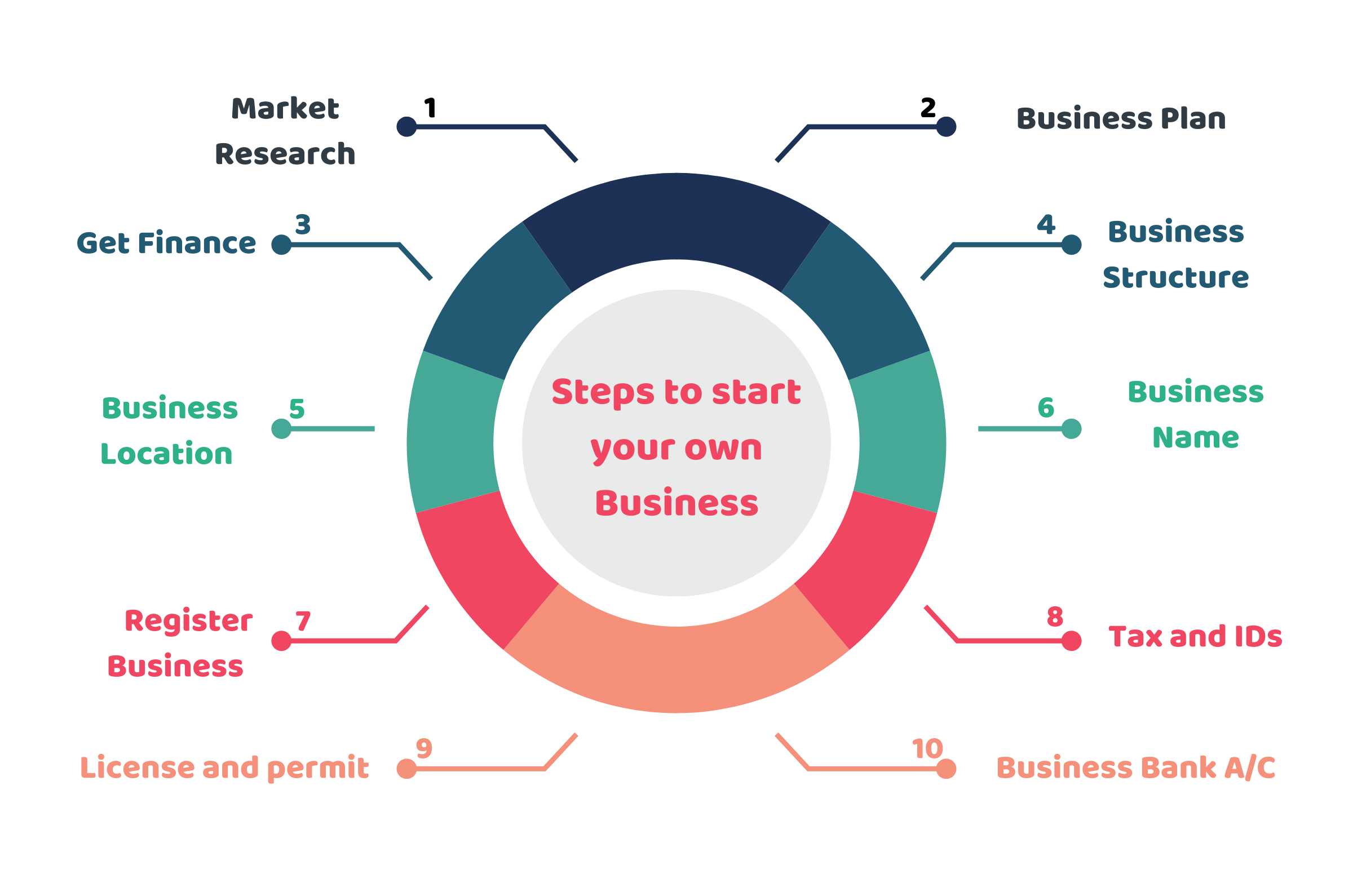
Defining Your Business Model and Financial Projections
Before you invest a single dollar, it’s imperative to clearly define your business model. This isn’t just about what you sell, but how you plan to generate revenue, manage costs, and ultimately, achieve profitability. Consider your target market, value proposition, revenue streams (e.g., direct sales, subscriptions, advertising), and key activities that will incur costs.
Once your model is clear, translating it into financial projections is paramount. This involves creating a detailed financial forecast, typically for 3-5 years, encompassing:
- Revenue Forecasts: Based on market research, anticipated sales volumes, and pricing strategies.
- Cost of Goods Sold (COGS): Direct costs attributable to the production of the goods or services sold.
- Operating Expenses: Fixed costs (rent, salaries, utilities) and variable costs (marketing, supplies).
- Profit & Loss Statement (P&L): A summary of revenues, costs, and expenses over a period.
- Cash Flow Statement: Tracks the movement of cash in and out of the business.
- Balance Sheet: A snapshot of assets, liabilities, and equity at a specific point in time.
These projections are not mere guesses; they are educated estimates that serve as a roadmap for your business and are vital for attracting investors or securing loans. They force you to think critically about the viability and financial requirements of your venture.
Securing Capital: Funding Options and Strategies
Few businesses launch without some form of capital. Understanding the diverse funding landscape is crucial for choosing the option that best suits your business stage, risk tolerance, and growth ambitions.
- Self-Funding (Bootstrapping): Using personal savings or assets. This offers maximum control but limits growth potential and places personal finances at risk.
- Friends and Family: Often an accessible source, but requires clear agreements to avoid personal strain.
- Bank Loans: Traditional financing requiring a solid business plan, collateral, and good credit. Options include term loans, lines of credit, and SBA-backed loans.
- Venture Capital (VC): For high-growth, scalable businesses. VCs provide significant capital in exchange for equity and often a board seat, focusing on disruptive technologies or models with high returns.
- Angel Investors: High-net-worth individuals who invest in early-stage startups, often providing mentorship alongside capital, also in exchange for equity.
- Crowdfunding: Raising small amounts of money from a large number of people, often through platforms like Kickstarter or Indiegogo. Can be equity-based, reward-based, or donation-based.
- Grants: Non-repayable funds, typically from government agencies or non-profits, for businesses meeting specific criteria (e.g., innovation, social impact).
- Small Business Loans/Microloans: Often from non-profit lenders, these are smaller loans designed for startups and small businesses that may not qualify for traditional bank loans.
Each funding source comes with its own set of terms, expectations, and implications for your business’s financial future. Carefully evaluate the pros and cons of each before committing.
Budgeting for Startup Costs and Operational Expenses
A detailed startup budget is your financial anchor. It itemizes every expense required to get your business off the ground before you generate significant revenue. Common startup costs include:
- Legal and registration fees
- Permits and licenses
- Initial inventory or equipment purchases
- Website development and initial marketing
- Office space setup (if applicable)
- Salaries for initial hires
- Insurance premiums
Beyond startup costs, you must also budget for ongoing operational expenses. This includes rent, utilities, salaries, marketing, supplies, software subscriptions, and maintenance. Many new businesses fail because they underestimate these ongoing costs or lack sufficient working capital to cover them until profitability is achieved. A robust budget not only dictates how much capital you need but also serves as a benchmark for monitoring your spending once operations begin.
Legal & Financial Structures: Compliance and Best Practices
Once the financial blueprint is in place, the next crucial step involves establishing the legal and financial infrastructure that will govern your business operations. These decisions have significant implications for liability, taxation, and administrative burden.
Choosing the Right Business Structure (Sole Proprietorship, LLC, Corporation)
The legal structure you choose profoundly impacts your financial liability, tax obligations, and administrative requirements.
- Sole Proprietorship: Simple to set up, minimal cost. The business and owner are legally inseparable, meaning personal assets are at risk for business debts and liabilities. Taxes are paid on personal income.
- Partnership: Similar to a sole proprietorship but with two or more owners. Partners share profits and losses, and personal assets can be at risk depending on the partnership type (e.g., General Partnership vs. Limited Partnership).
- Limited Liability Company (LLC): Offers personal liability protection for owners, separating personal and business assets. It provides flexibility in taxation (can be taxed as a sole proprietorship, partnership, or corporation) and is popular for small to medium-sized businesses.
- Corporation (C-Corp or S-Corp): Provides the strongest liability protection, as the corporation is a separate legal entity from its owners. C-Corps face “double taxation” (corporate profits are taxed, and dividends to shareholders are taxed again). S-Corps avoid double taxation by passing profits and losses directly to shareholders’ personal income without being subject to corporate tax rates, but have stricter eligibility requirements.
Consulting with a legal and financial advisor is highly recommended to select the structure that best aligns with your business goals, risk tolerance, and long-term financial strategy.
Understanding Tax Obligations and Registrations
Tax compliance is non-negotiable and complex. Ignoring it can lead to severe penalties. Your business structure, industry, and location will determine your specific tax obligations. Key considerations include:
- Federal Taxes: Income tax, self-employment tax (Social Security and Medicare for sole proprietors/partners), employer identification number (EIN) if you have employees or a corporate structure.
- State Taxes: State income tax (if applicable), sales tax (for physical goods or certain services), unemployment insurance tax.
- Local Taxes: City or county business licenses, property taxes, local income taxes.
Beyond taxes, ensure all necessary business licenses and permits are secured. These vary by industry and location and can range from general business licenses to specialized permits for health, environmental, or professional services. Failure to obtain proper registrations can result in fines or forced closure.
Setting Up Business Banking and Accounting Systems
Separating personal and business finances is a foundational principle of sound financial management. Open a dedicated business bank account and potentially a credit card. This simplifies accounting, improves accuracy for tax purposes, and presents a more professional image.
Equally important is establishing robust accounting systems from day one.
- Accounting Software: Utilize tools like QuickBooks, Xero, or FreshBooks. These platforms automate bookkeeping, track income and expenses, manage invoices, reconcile bank accounts, and generate financial reports.
- Bookkeeping Practices: Regularly record all financial transactions. Categorize expenses meticulously.
- Payroll System: If you plan to hire employees, a reliable payroll system is essential for accurate wage payments, tax withholdings, and compliance with labor laws.
- Record Keeping: Maintain organized records of all financial documents, including receipts, invoices, bank statements, and tax filings, for at least seven years.
These systems provide real-time insights into your financial performance, facilitate tax preparation, and are critical for demonstrating financial health to potential investors or lenders.
Managing Cash Flow and Profitability from Day One
A business can be profitable on paper but still fail due to poor cash flow. Effective management of money coming in and going out is vital for day-to-day operations and long-term survival.
Pricing Strategies for Sustainable Growth
Pricing your products or services correctly is an art and a science that directly impacts your profitability and market positioning.
- Cost-Plus Pricing: Adding a markup percentage to your total cost. Simple but may not reflect market value or competitive landscape.
- Value-Based Pricing: Pricing based on the perceived value to the customer. Requires deep understanding of your target market.
- Competitive Pricing: Setting prices based on what competitors charge. Useful for commodity products but can lead to price wars.
- Penetration Pricing: Setting low prices initially to capture market share, then gradually increasing them.
- Skimming Pricing: Setting high prices for a new, unique product and gradually lowering them over time.

Consider not only your direct and indirect costs but also customer willingness to pay, competitor pricing, and your brand’s unique value proposition. Regular review and adjustment of your pricing strategy are essential as market conditions evolve.
Expense Management and Cost Optimization
Controlling expenses is just as important as generating revenue. Develop a culture of cost consciousness within your organization.
- Vendor Negotiation: Regularly review contracts with suppliers and seek competitive bids.
- Automation: Utilize technology to automate repetitive tasks, reducing labor costs.
- Cloud Services: Leverage cloud-based software and storage to minimize upfront infrastructure investments.
- Energy Efficiency: Implement practices to reduce utility costs.
- Outsourcing: Consider outsourcing non-core functions (e.g., HR, IT, accounting) to specialized providers to reduce fixed overhead.
- Lean Operations: Eliminate waste and inefficiencies in your processes.
Distinguish between necessary expenditures that drive growth and discretionary spending that can be curtailed. Every dollar saved on expenses directly translates to increased profit margins.
Forecasting Revenue and Managing Working Capital
Accurate revenue forecasting is crucial for planning and managing resources. It helps anticipate cash inflows and informs purchasing decisions, staffing levels, and investment opportunities. While initial forecasts are estimates, continuously refine them based on actual sales data and market trends.
Working capital—the difference between current assets (cash, accounts receivable, inventory) and current liabilities (accounts payable, short-term debt)—is the lifeblood of your business.
- Monitor Accounts Receivable: Implement clear invoicing terms and follow up promptly on overdue payments.
- Optimize Inventory: Avoid overstocking, which ties up cash, and understocking, which can lead to lost sales. Use inventory management systems.
- Manage Accounts Payable: Take advantage of payment terms with suppliers without damaging relationships.
- Maintain a Cash Reserve: Keep sufficient cash on hand to cover unexpected expenses or dips in revenue. A general rule of thumb is 3-6 months of operating expenses.
Effective working capital management ensures you have enough liquidity to meet short-term obligations and capitalize on opportunities without resorting to costly emergency financing.
Leveraging Financial Tools and Strategies for Growth
As your business matures, leveraging advanced financial tools and strategies becomes paramount for sustainable growth, informed decision-making, and long-term value creation.
Essential Financial Software and Platforms
Beyond basic accounting software, a suite of financial tools can empower your business to operate more efficiently and strategically.
- Budgeting and Forecasting Tools: Dedicated software that provides more granular control and scenario planning capabilities than basic accounting packages.
- Payment Gateways: Secure and efficient platforms (e.g., Stripe, PayPal, Square) for processing online and in-person transactions.
- CRM (Customer Relationship Management) with Sales Tracking: Integrates sales data with financial reporting to understand customer lifetime value and sales performance.
- Expense Management Software: Automates expense reporting and reimbursement, saving time and improving accuracy.
- Financial Dashboards: Tools that consolidate key financial metrics into an easily digestible visual format, allowing for quick insights into performance.
- Payroll Solutions: Dedicated services (e.g., Gusto, ADP) to ensure accurate and compliant employee compensation and tax filings.
Investing in the right financial tech stack streamlines operations, reduces human error, and provides actionable data for strategic decision-making.
Understanding Key Financial Metrics (KPIs)
Financial Key Performance Indicators (KPIs) are vital for monitoring your business’s health and progress towards its financial goals. Instead of drowning in data, focus on a select few that are most relevant to your business model.
- Gross Profit Margin: (Revenue – COGS) / Revenue. Indicates the profitability of your core product/service.
- Net Profit Margin: Net Income / Revenue. Shows the overall profitability after all expenses.
- Cash Conversion Cycle: Measures the time it takes for cash invested in operations to return as cash from sales.
- Customer Acquisition Cost (CAC): Total sales and marketing expenses / Number of new customers.
- Customer Lifetime Value (CLTV): Predicted revenue from a customer over their relationship with your business.
- Burn Rate: The rate at which your business is spending its cash. Crucial for startups.
- Return on Investment (ROI): Measures the profitability of an investment relative to its cost.
Regularly tracking and analyzing these KPIs allows you to identify trends, pinpoint areas for improvement, and make data-driven financial decisions.
Strategic Financial Planning for Expansion and Investment
Growth often requires additional capital and careful planning. Strategic financial planning involves looking beyond the immediate and anticipating future needs and opportunities.
- Scenario Planning: Develop multiple financial models (best-case, worst-case, most likely) to understand potential outcomes and prepare contingencies.
- Capital Expenditure Planning: Strategically plan for major investments in assets like new equipment, technology upgrades, or property acquisition.
- Exit Strategy: Even in the early stages, consider your long-term vision. Do you plan to sell the business, pass it down, or take it public? This influences investment decisions and financial structuring.
- Investment Opportunities: Identify opportunities to reinvest profits back into the business for R&D, market expansion, or talent acquisition.
- Debt Management: If taking on debt for growth, ensure the terms are favorable and the investment generates sufficient returns to cover repayment.
Strategic financial planning is an ongoing process that adapts to market changes and business evolution, ensuring your financial resources are optimally allocated for future success.
Mitigating Financial Risks and Building Resilience
No business operates in a vacuum, and unforeseen challenges are inevitable. Building financial resilience and actively mitigating risks are crucial for safeguarding your investment and ensuring longevity.
Insurance for Business Protection
Business insurance is not an optional expense; it’s a critical financial safeguard. A single lawsuit, natural disaster, or data breach can be catastrophic without adequate coverage.
- General Liability Insurance: Protects against claims of bodily injury or property damage caused by your business operations.
- Property Insurance: Covers damage to your business property, including buildings, inventory, and equipment.
- Professional Liability (E&O) Insurance: For service-based businesses, protects against claims of negligence or errors in professional services.
- Workers’ Compensation: Required in most states if you have employees, covering medical costs and lost wages for work-related injuries.
- Business Interruption Insurance: Replaces lost income and covers extra expenses if your business must temporarily close due to covered events.
- Cyber Liability Insurance: Protects against financial losses from data breaches and cyberattacks.
Work with a reputable insurance broker to assess your specific risks and tailor a comprehensive insurance portfolio that provides adequate protection without unnecessary costs.
Building an Emergency Fund and Contingency Planning
Just as individuals need personal emergency savings, businesses require a robust emergency fund. This liquid cash reserve acts as a buffer against unexpected downturns, sudden expenses, or seasonal fluctuations. Aim for at least 3-6 months of operating expenses in an easily accessible, separate account.
Contingency planning goes hand-in-hand with an emergency fund. What if a major client leaves? What if a key supplier goes out of business? What if there’s an economic recession? Developing “what-if” scenarios and outlining potential responses allows for quicker, more effective action when faced with adversity, minimizing financial disruption. This includes identifying alternative suppliers, cross-training staff, and having a crisis communication plan.
Succession Planning and Exit Strategies (Future-proofing)
While the focus is often on starting a business, considering its eventual future is a crucial financial exercise. Whether you envision selling the company, passing it to heirs, or simply closing it, having an exit strategy in mind influences current financial decisions.
- Valuation: Understand how your business is valued and what steps you can take to enhance its value over time.
- Succession Planning: If you hope to keep the business within the family or transfer it to key employees, establish a clear plan for leadership and ownership transition, including financial arrangements.
- Sale Preparation: If selling is the goal, build strong financial records, diversify your customer base, and reduce reliance on a single owner or manager to make the business more attractive to buyers.
- Liquidation Plan: In the unfortunate event of closure, a clear plan for liquidating assets and settling debts can minimize financial losses and legal complications.
By thinking proactively about the future, you build a more resilient and valuable business, ensuring that your financial legacy, whatever form it takes, is well-preserved.
Setting up a business is a monumental undertaking, laden with financial decisions at every turn. From the initial funding and legal structuring to ongoing cash flow management, strategic growth initiatives, and robust risk mitigation, every step requires a keen eye on the bottom line. By meticulously planning your finances, diligently managing your resources, and leveraging appropriate tools and strategies, you significantly enhance your chances of not just starting a business, but building a financially sound and enduring enterprise that achieves its full potential.
aViewFromTheCave is a participant in the Amazon Services LLC Associates Program, an affiliate advertising program designed to provide a means for sites to earn advertising fees by advertising and linking to Amazon.com. Amazon, the Amazon logo, AmazonSupply, and the AmazonSupply logo are trademarks of Amazon.com, Inc. or its affiliates. As an Amazon Associate we earn affiliate commissions from qualifying purchases.