
The landscape of financial transactions has undergone a profound transformation, moving far beyond traditional bank branches and physical cash exchanges. In an increasingly digital world, the ability to send money through email has emerged as a cornerstone of modern personal finance, offering unparalleled convenience, speed, and accessibility. This method leverages established digital platforms to facilitate peer-to-peer and business-to-consumer payments, often requiring little more than a recipient’s email address or phone number to initiate a transfer. Understanding the mechanisms, platforms, and security protocols associated with these transactions is crucial for anyone looking to navigate the complexities of digital money management.

The Evolution of Digital Money Transfers
The concept of sending money electronically isn’t new, but its integration with everyday communication tools like email has democratized the process. What began as a niche service for online auctions and early e-commerce has blossomed into a ubiquitous financial tool used for everything from splitting dinner bills to sending remittances across borders.
Beyond Traditional Banking: A New Paradigm
For centuries, banks were the exclusive gatekeepers of financial transfers. Sending money often involved bank transfers, wire services, or even postal money orders—processes that were typically slow, costly, and geographically restrictive. The advent of the internet and digital payment processors shattered these monopolies, introducing a paradigm where financial transactions could be initiated and completed from virtually anywhere, at any time, with just a few clicks or taps. Email, already a universal identifier in the digital realm, became a logical conduit for these burgeoning financial services.
The Rise of Peer-to-Peer Payments
The true revolution lies in peer-to-peer (P2P) payment systems. These platforms enable individuals to send money directly to each other without needing to exchange bank account details. Instead, they rely on identifiers like email addresses, phone numbers, or unique usernames. This simplicity has fueled the rapid adoption of email-based money transfers, making it effortless to reimburse a friend, pay a freelancer, or contribute to a group gift. These systems often operate 24/7, providing an immediate alternative to waiting for bank business hours or dealing with physical currency.
Popular Platforms for Email-Based Money Transfers
Several platforms dominate the email-based money transfer space, each with its unique features, fee structures, and target audience. Understanding these differences is key to choosing the most appropriate service for your specific needs.
PayPal: The Pioneer
PayPal stands as arguably the oldest and most widely recognized platform for sending money via email. Launched in 1998, it quickly became synonymous with online payments, particularly for e-commerce sites like eBay. To send money, users simply log into their PayPal account, enter the recipient’s email address, the amount, and select the funding source (linked bank account, debit card, or PayPal balance). Funds typically arrive instantly in the recipient’s PayPal account, from which they can be spent online or withdrawn to a linked bank account. While sending money to friends and family from a linked bank account or PayPal balance is usually free within the same country, fees may apply for international transfers, credit card payments, or business transactions.
Zelle: Bank-Integrated Convenience
Zelle represents a different approach, being a P2P payment network directly integrated into many major US banking apps. This integration means users don’t need a separate app or account if their bank supports Zelle. By using a recipient’s email address or phone number, funds are sent directly from one bank account to another, often within minutes. Zelle prides itself on speed and the absence of fees for personal transfers, making it an extremely popular choice for domestic transactions. Its primary limitation is its focus on US domestic transfers and the requirement for both sender and receiver to have bank accounts within the Zelle network (though non-network banks can often receive payments via the Zelle app).
Venmo & Cash App: Socializing Finance
Venmo and Cash App (Square Cash) have carved out significant market shares, particularly among younger demographics, by blending P2P payments with social networking elements. Both platforms allow users to send and receive money using email addresses, phone numbers, or unique usernames. Transfers are typically instant and free for standard delivery when funded by a linked bank account or debit card. They also offer features like virtual debit cards, direct deposit, and even cryptocurrency trading (Cash App). Their social feeds, where users can share transaction details (often with emojis and notes), have made them more than just payment tools; they’ve become part of the social fabric. However, like PayPal, fees can apply for instant transfers to a bank account or for using a credit card as a funding source.
Wise (formerly TransferWise): International Transfers
While many platforms focus on domestic transactions, Wise excels in international money transfers. It operates on a different model, using local bank transfers in both the sending and receiving countries to bypass traditional, more expensive SWIFT networks. This results in significantly lower fees and more favorable exchange rates compared to conventional banks or other P2P services for cross-border payments. To send money via Wise, you’ll typically need the recipient’s email, bank name, account number, and sometimes an SWIFT/BIC code. Wise is particularly effective for larger international sums, offering transparency in fees and exchange rates.
Step-by-Step Guide: Sending Money via Email
Despite variations between platforms, the core process of sending money through email follows a general pattern.
Choosing the Right Platform
Before initiating a transfer, consider:
-
Recipient’s preference: Do they already use a particular service (e.g., Zelle integrated with their bank)?
-
Location: Is it a domestic or international transfer?
-
Amount: Some platforms have transaction limits.
-
Fees: Compare costs, especially for instant transfers or specific funding methods.
-
Speed: How quickly do the funds need to arrive?
Account Setup and Linking
Once a platform is chosen, both sender and receiver will typically need an account. This usually involves:
-
Downloading the app or visiting the website.
-
Creating an account: Provide basic information like name, email address, and phone number.
-
Verification: Identity verification (KYC – Know Your Customer) is often required, especially for higher transaction limits or to prevent fraud. This might involve linking a bank account, providing a social security number (for US residents), or uploading an ID.
-
Linking a funding source: Connect a bank account, debit card, or credit card from which funds will be drawn.
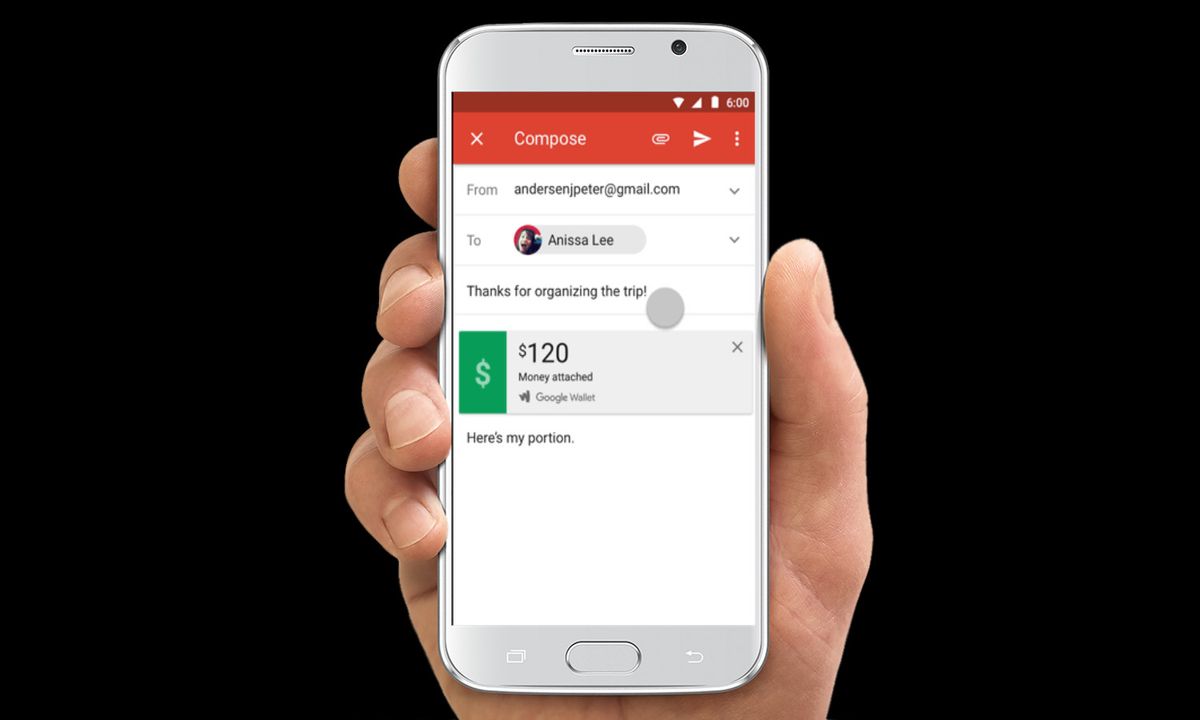
Initiating the Transfer
-
Log in: Access your chosen platform.
-
Select “Send” or “Pay”: Navigate to the money transfer option.
-
Enter recipient details: Input the recipient’s email address or phone number. Double-check for accuracy.
-
Enter amount: Specify how much money you want to send.
-
Choose funding source: Select which linked account or card will fund the transfer.
-
Add a note (optional): Many platforms allow you to add a memo or description for the payment.
-
Review and confirm: Carefully review all details—recipient, amount, funding source—before confirming the transaction.
Confirmation and Receipt
After sending, you’ll usually receive an instant confirmation. The recipient will also be notified via email or text that they’ve received money. If they don’t have an account with that service, they’ll typically receive instructions on how to sign up and claim the funds.
Understanding Fees and Exchange Rates
While convenience is paramount, understanding the cost implications of email-based money transfers is vital for astute financial management.
Domestic vs. International Transfers
For domestic transfers, many P2P services offer free transactions when funded by a linked bank account or the service’s balance. Using a debit card might also be free or incur a small fee, while credit card payments almost universally come with a fee (often 2-3%) due to the associated processing costs for the platform. International transfers, on the other hand, almost always involve fees and exchange rate considerations. These can include a flat transfer fee, a percentage of the amount sent, or a markup on the exchange rate itself.
Hidden Costs to Watch Out For
-
Exchange Rate Markups: Some services might offer a seemingly low transfer fee but apply an unfavorable exchange rate, effectively costing you more. Always compare the “mid-market rate” (the real exchange rate) with the rate offered by the platform.
-
Instant Transfer Fees: While standard transfers to a bank account can take 1-3 business days and are often free, opting for instant transfers usually incurs a small fee (e.g., 0.5% to 1.75% of the transaction amount).
-
Inactivity Fees: Some older or less popular platforms might charge fees if your account remains inactive for an extended period.
Optimizing for Cost-Efficiency
To minimize costs:
-
Use bank accounts or service balances: These are generally the cheapest funding methods.
-
Compare exchange rates: For international transfers, use services like Wise that prioritize transparent, competitive rates.
-
Avoid credit cards: Unless absolutely necessary, using a credit card for P2P transfers is almost always more expensive.
-
Plan ahead: Opt for standard transfer speeds if immediate delivery isn’t critical, to avoid instant transfer fees.
Security Best Practices for Email Money Transfers
The convenience of sending money via email comes with inherent risks if proper security measures aren’t observed. Protecting your financial information and preventing fraud should always be a top priority.
Safeguarding Your Account
Always use strong, unique passwords for your payment accounts, combining uppercase and lowercase letters, numbers, and symbols. Enable two-factor authentication (2FA) whenever available. This adds an extra layer of security, requiring a code from your phone or an authenticator app in addition to your password, making it significantly harder for unauthorized users to access your account even if they somehow obtain your password. Regularly review your transaction history for any suspicious activity and immediately report unauthorized transactions to the platform’s support.
Verifying Recipient Information
The most critical step in preventing accidental payments or fraud is meticulously verifying the recipient’s details. Once money is sent, especially via instant transfer services, it can be extremely difficult or impossible to reclaim. Before confirming a transfer, double-check the recipient’s email address or phone number. If you’re paying someone new or a business, consider sending a small test amount first, or confirming their details through a separate, trusted communication channel (e.g., a phone call) rather than solely relying on an email request that could be spoofed.
Recognizing and Avoiding Scams
Fraudsters frequently target digital payment platforms. Be wary of unsolicited requests for money, especially from unknown senders or those claiming to be from official organizations (banks, government agencies, tech support) demanding immediate payment or personal information. Common scams include:
-
Phishing: Emails or texts designed to look legitimate but aim to steal your login credentials or personal data.
-
Overpayment scams: A buyer sends more than the agreed-upon amount and asks you to refund the difference, typically via a different, untraceable method. The original payment often turns out to be fraudulent.
-
Fake prizes/lotteries: Requests for “fees” to release a non-existent prize.
-
Romance scams: Fraudsters build emotional relationships to solicit money.
Never click on suspicious links, download attachments from unknown senders, or share your login credentials or 2FA codes with anyone. If something feels off, it likely is.

The Importance of Strong Passwords and 2FA
Beyond securing your payment accounts, ensure the email account linked to your payment services is also robustly protected. If a scammer gains access to your email, they might be able to reset passwords for your financial apps. Use unique, strong passwords and 2FA for your email account as well. Regularly update your software and operating systems to benefit from the latest security patches. These combined layers of defense form a formidable barrier against unauthorized access and help maintain the integrity of your financial transactions.
In conclusion, sending money through email has become an indispensable part of modern financial life, offering speed and convenience that traditional methods often cannot match. By understanding the available platforms, their associated costs, and—most importantly—adhering to stringent security practices, individuals can harness the power of these digital tools safely and efficiently, navigating the financial landscape with greater control and confidence.
aViewFromTheCave is a participant in the Amazon Services LLC Associates Program, an affiliate advertising program designed to provide a means for sites to earn advertising fees by advertising and linking to Amazon.com. Amazon, the Amazon logo, AmazonSupply, and the AmazonSupply logo are trademarks of Amazon.com, Inc. or its affiliates. As an Amazon Associate we earn affiliate commissions from qualifying purchases.