
Cash App has become an indispensable financial tool for millions, simplifying the process of sending and receiving money, managing personal finances, and even investing. Its intuitive interface and widespread adoption make it a cornerstone of modern peer-to-peer (P2P) payments. Understanding how to effectively use Cash App for sending money is crucial for anyone looking to streamline their personal finance management, from splitting bills with friends to quickly transferring funds to family. This guide delves into the practical steps and financial considerations involved in utilizing Cash App for secure and efficient money transfers, ensuring you leverage this digital wallet to its fullest potential within your personal financial strategy.
Understanding Cash App as a Financial Tool
In today’s fast-paced digital economy, tools like Cash App are transforming how individuals manage and interact with their money. More than just a simple payment application, Cash App has evolved into a comprehensive financial ecosystem. Its primary function—facilitating instant money transfers between individuals—addresses a core need in personal finance: the ability to move funds quickly and conveniently without the traditional delays of bank transfers.
For many, Cash App serves as a virtual wallet, enabling them to make purchases with a linked Cash Card, manage direct deposits, and even engage in basic investing in stocks and Bitcoin. This multi-faceted functionality positions Cash App not just as a transactional service, but as an integral component of a modern personal finance toolkit. By understanding its capabilities beyond mere sending and receiving, users can integrate it more effectively into their broader financial planning, whether for budgeting, saving, or investing. Its accessibility bridges gaps, allowing for quick financial interactions that support daily life, emergency needs, and shared expenses, making it a critical asset for agile financial management.
The Core Process: Sending Funds on Cash App
Sending money via Cash App is designed to be straightforward, allowing users to execute financial transactions with minimal friction. The process involves a few key steps that, once understood, become second nature for regular users managing their personal finances.
Initiating a Payment
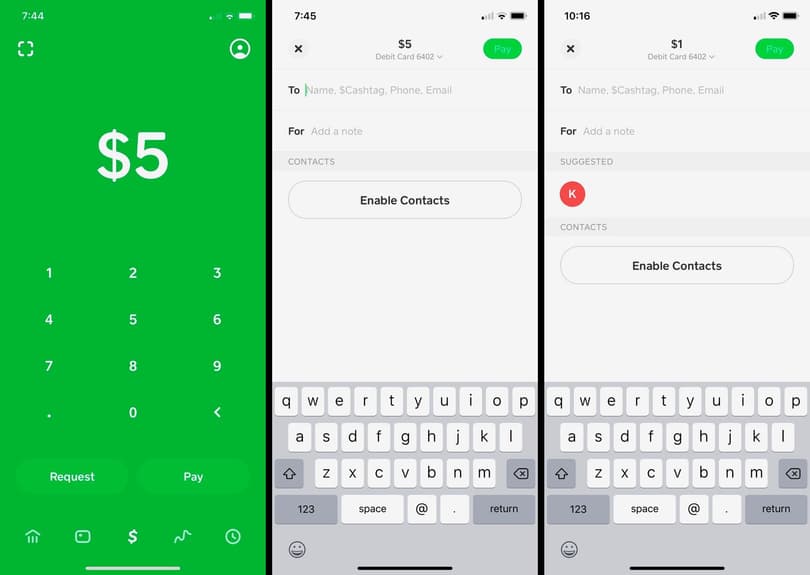
To begin a money transfer, open the Cash App on your mobile device. The main interface typically features a prominent dollar sign icon, indicating the payment function. Tapping this icon brings you to a screen where you can input the amount of money you wish to send. This initial step is critical for accurate financial transactions, ensuring that the correct sum is prepared for transfer. Users should always double-check the entered amount to prevent any financial discrepancies before proceeding.
Specifying the Amount and Recipient
After entering the desired monetary value, the next step is to identify the recipient. Cash App offers several ways to do this, prioritizing ease and accuracy. You can use their unique $Cashtag, which is a personalized username within the Cash App system. Alternatively, you can use the recipient’s phone number or email address linked to their Cash App account. This flexibility ensures that you can send money to anyone within your contact list who also uses the app.
Crucially, before confirming the payment, you’ll often have the option to add a memo or a “For” note. This small but significant detail in financial management allows you to specify the purpose of the payment (e.g., “Dinner,” “Rent,” “Gift”). Adding a clear memo is a best practice for personal record-keeping, aiding in budgeting and expense tracking. It provides a valuable reference point for both the sender and receiver, enhancing transparency in financial interactions.
Confirming the Transaction
The final stage of sending money involves a crucial review and confirmation. Before the funds are transferred, Cash App will display a summary of the transaction, including the recipient’s information, the amount being sent, and any associated fees (if applicable). This is the last opportunity to verify all details meticulously.
For financial security, it is paramount to double-check the recipient’s $Cashtag, phone number, or email address to ensure the funds are being sent to the correct individual. Once you confirm the payment, the transaction is typically instant and irreversible. Therefore, exercising diligence at this stage is a fundamental principle of responsible personal finance when using digital payment platforms. Upon confirmation, the money is debited from your selected funding source and credited to the recipient’s Cash App balance, usually within moments.
Managing Your Money’s Source: Linking Funding Methods
The flexibility of Cash App extends to how you fund your payments. Having multiple linked funding sources provides financial agility, allowing you to choose the most convenient or cost-effective method for each transaction.
Connecting Your Bank Account
Linking a bank account is often the primary method for funding Cash App transactions. This establishes a direct pipeline between your traditional banking institution and your digital wallet. The process typically involves securely logging into your online banking portal through Cash App’s interface, which verifies your account ownership. This link enables you to easily add money to your Cash App balance or fund payments directly from your bank account. For personal finance, having a direct bank link ensures that you always have a reliable source of funds for larger transfers or when managing your primary checking account balances. It’s a fundamental step towards integrating Cash App into your overall financial ecosystem.
Utilizing Debit Cards
For smaller, more frequent transactions, or when you prefer not to directly link your bank account for every payment, a linked debit card offers a convenient alternative. Adding a debit card to your Cash App account allows you to make payments directly from the card’s associated bank account. This method can sometimes be quicker for smaller transfers and might be preferred for budgeting purposes, as it directly taps into funds that are often earmarked for daily expenses. However, it’s essential to be aware of any potential fees associated with using a debit card for certain transactions, particularly if you opt for instant transfers, which will be discussed in the next section. Strategic use of your debit card can align with specific spending categories in your personal budget.
Leveraging Your Cash App Balance
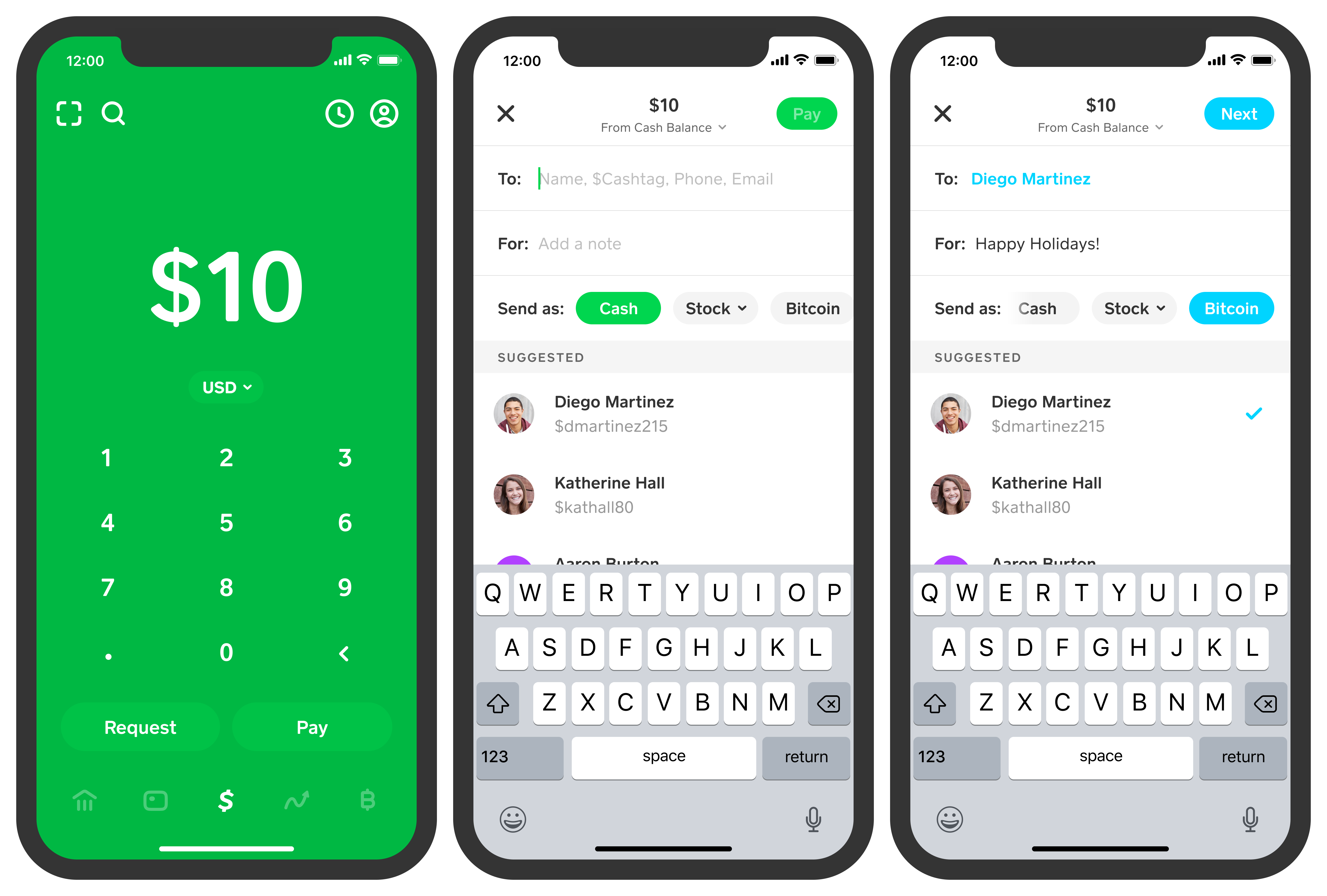
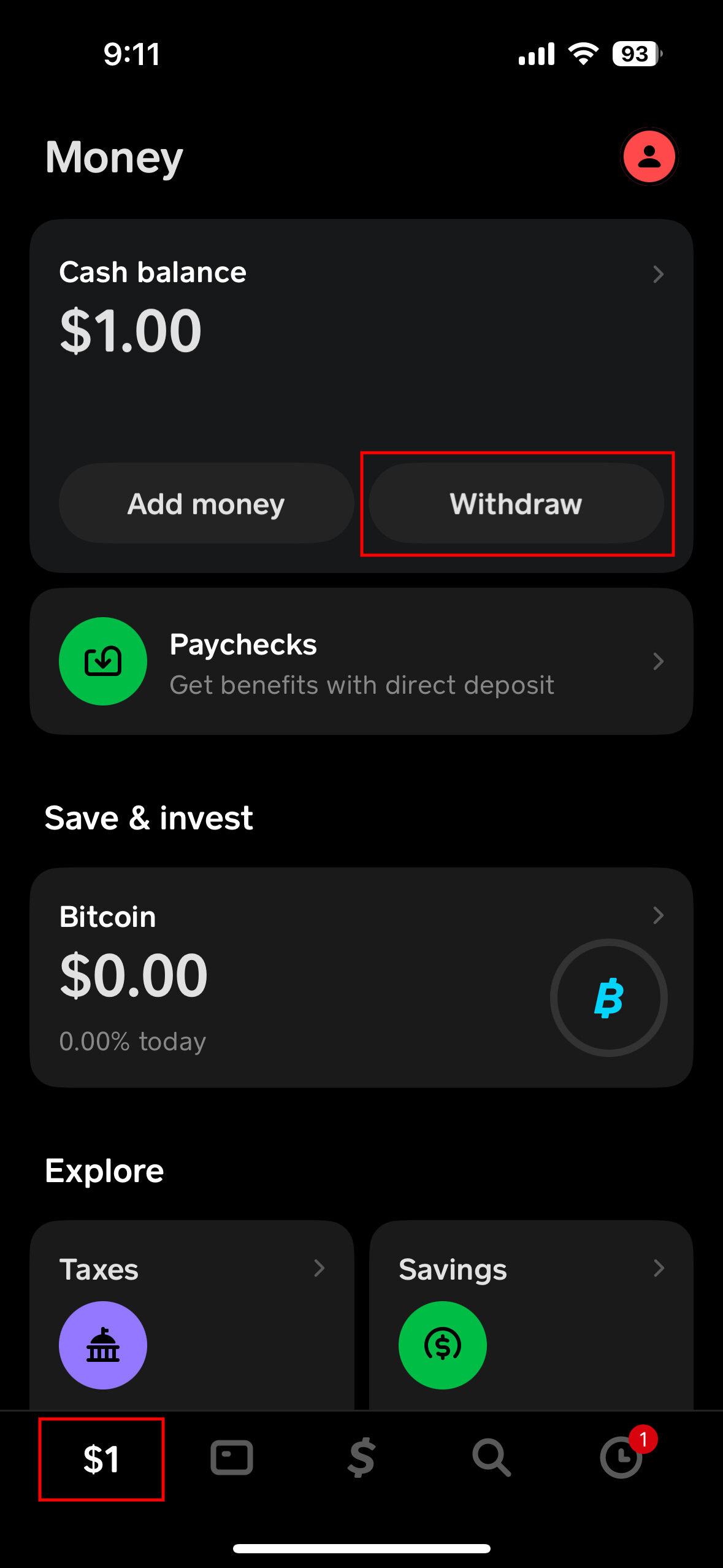
One of the most efficient ways to send money on Cash App is by using your existing Cash App balance. Funds can accumulate in your balance from direct deposits, received payments, or money you’ve added from your linked bank account. Utilizing your Cash App balance for sending money is typically the fastest and often the most cost-effective method within the app’s ecosystem. Since the money is already within the Cash App system, transfers are instant and usually free. For individuals who use Cash App as a primary method for receiving income or managing a portion of their spending money, maintaining a healthy Cash App balance can significantly streamline their financial transactions and reduce reliance on external funding sources for every payment.
Navigating Financial Parameters: Fees, Limits, and Security
Understanding the financial parameters governing Cash App transactions is crucial for responsible personal finance. This includes being aware of potential fees, understanding transaction limits, and implementing robust security measures to protect your funds.
Understanding Transaction Fees and Their Budgetary Impact
While sending money from your Cash App balance or linked bank account is generally free for standard transfers, certain transactions may incur fees. Most notably, an instant deposit from your Cash App balance to your linked bank account typically carries a fee, usually a small percentage of the transfer amount (e.g., 0.5%–1.75%). Standard deposits, which take 1-3 business days, are free. Similarly, sending money via a linked credit card, while an option, usually incurs a 3% fee, designed to offset processing costs.
For personal finance management, it’s vital to factor these potential fees into your budget. Opting for standard transfers when time allows can help you avoid unnecessary costs. If instant access to funds is critical, budgeting for the associated fee ensures that your financial planning remains accurate and that you’re not caught off guard by unexpected charges. Strategic use of funding sources and transfer types can significantly reduce your transaction costs over time.
Maximizing Your Sending Limits for Financial Flexibility
Cash App imposes sending and receiving limits, which vary based on your account verification status. Unverified accounts typically have lower limits, for instance, allowing users to send up to $250 per week and receive up to $1,000 per month. These limits are in place for security and regulatory compliance.
However, verifying your identity significantly increases these limits, often to $7,500 per week for sending and unlimited amounts for receiving. Verification usually involves providing your full legal name, date of birth, and the last four digits of your Social Security Number. For individuals managing larger financial transactions or using Cash App for business-related payments, verifying your identity is a necessary step to ensure financial flexibility and avoid service disruptions. Understanding these limits is key to effective financial planning and ensuring that Cash App can accommodate your specific transactional needs.
Safeguarding Your Financial Transactions: Security Protocols
Security is paramount when dealing with digital financial tools. Cash App employs robust security measures, but users also have a critical role to play in protecting their funds. Always ensure you are sending money to a trusted individual. Double-check the recipient’s $Cashtag, phone number, or email address before confirming any transaction, as Cash App payments are often irreversible. A simple typo can result in funds being sent to the wrong person, leading to significant financial loss.
Enable security features within the app, such as a PIN lock or fingerprint/Face ID authentication, to prevent unauthorized access to your account. Be highly vigilant against phishing attempts, unsolicited requests for money, and common scams that often target users of P2P payment apps. Never share your login credentials, PIN, or any sensitive financial information with anyone. Regular monitoring of your transaction history and promptly reporting any suspicious activity to Cash App support are essential practices for maintaining the integrity of your personal finances within the digital realm.
Strategic Integration: Cash App in Your Personal Finance Ecosystem
Integrating Cash App effectively into your personal finance strategy goes beyond just knowing how to send money; it involves optimizing its use for reliability, managing potential issues, and leveraging its broader features.
Best Practices for Reliable Fund Transfers
To ensure every transaction is smooth and reliable, adhere to a few best practices. Always ensure you have a stable internet connection before initiating a payment to prevent transaction errors. Double-verify the recipient’s details (their $Cashtag, phone number, or email) every single time, even for frequent contacts. A clear, concise memo for each payment is invaluable for your financial records, simplifying budgeting and reconciliation. Regularly review your transaction history to keep track of your spending and detect any unauthorized activity promptly. These habits foster a reliable and secure financial experience with Cash App.
Addressing Transaction Anomalies: Troubleshooting and Refunds
Despite best efforts, transaction anomalies can occur. If a payment fails, first check your internet connection and ensure your Cash App is updated to the latest version. Verify that your linked funding source has sufficient funds or is correctly linked. If the issue persists, Cash App’s support documentation and customer service are resources for troubleshooting.
Regarding refunds, Cash App payments are often instant and final. While there isn’t a direct “cancel” button once a payment is sent, you can request a refund from the recipient. If the recipient has not yet accepted the payment, it may be possible to cancel it. However, if they have accepted it, the refund process relies on their cooperation. In cases of unauthorized transactions or suspected fraud, immediate contact with Cash App support is crucial. Understanding these protocols empowers you to effectively manage financial discrepancies and protect your funds.
Beyond Sending: Leveraging Cash App for Broader Financial Goals
While sending money is a core function, Cash App offers additional features that can support broader financial goals. The Cash Card, a customizable debit card linked to your Cash App balance, provides a convenient way to spend your funds directly, helping with budgeting and expense tracking. Users can also set up direct deposit to receive paychecks directly into their Cash App, consolidating their finances in one digital hub.
Furthermore, Cash App offers accessible entry points into investing, allowing users to buy and sell stocks and Bitcoin with ease. For those looking to diversify their financial tools, these features present opportunities to engage with different aspects of personal finance directly from the app. By exploring and utilizing these functionalities, Cash App transcends its role as a simple payment app, becoming a versatile component of a holistic and modern financial strategy.
aViewFromTheCave is a participant in the Amazon Services LLC Associates Program, an affiliate advertising program designed to provide a means for sites to earn advertising fees by advertising and linking to Amazon.com. Amazon, the Amazon logo, AmazonSupply, and the AmazonSupply logo are trademarks of Amazon.com, Inc. or its affiliates. As an Amazon Associate we earn affiliate commissions from qualifying purchases.